Visa
A borough that rewards choosing a direction
A visit to Queens can begin beside the East River, under the steel globe of the Unisphere or on an Atlantic boardwalk. Those places belong to the same borough, but they make quite different days. Start with a choice: contemporary art and waterfront walks, film and music history, neighbourhood food, or a coastal escape. Put the places that answer that choice on a map before choosing a hotel.
Queens is one of New York City’s five boroughs. The New York State borough profile places it at the western end of geographic Long Island, adjacent to Brooklyn; the Rockaway Peninsula lies between Jamaica Bay and the Atlantic. A western Queens subway address and an oceanfront address offer different access to Manhattan, museums and airports.
Give Queens two or three dedicated days within a wider New York visit. If you are considering moving here, add weekday journeys and household errands to sightseeing. VisaWand’s New York City guide provides the wider city context, and its United States country guide covers national considerations. This guide focuses on decisions within Queens.
History that remains visible in the landscape
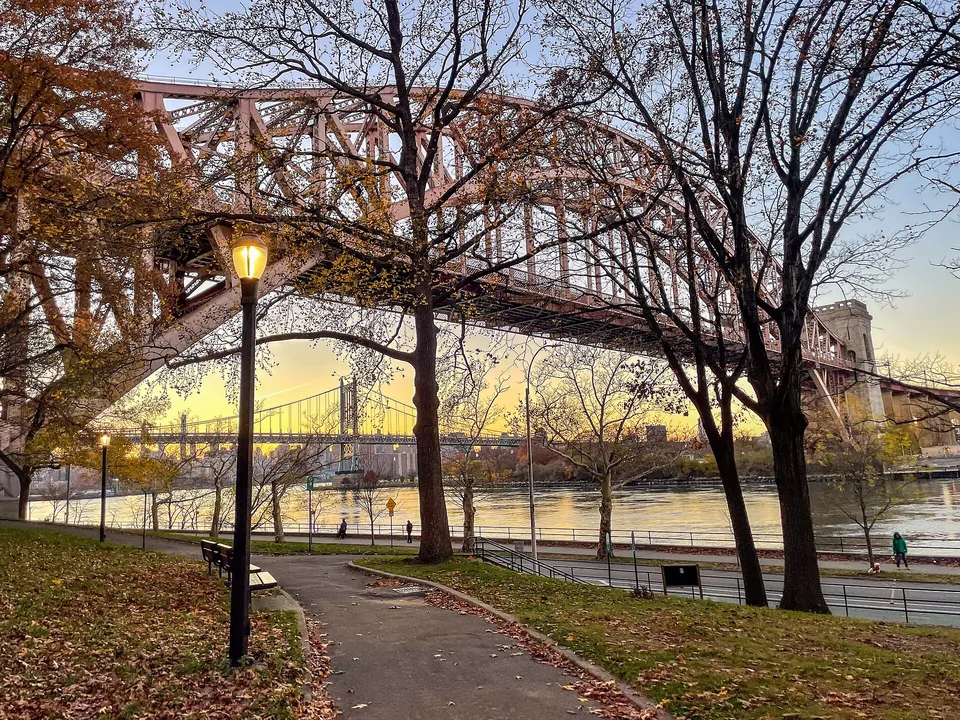
Flushing Meadows Corona Park is a useful place to connect a contemporary visit with the borough’s history. The Queens Museum’s account of its building traces its role in the 1939 and 1964 World’s Fairs and its period as a meeting place for the United Nations General Assembly. These layers make the park more than a convenient collection of attractions.
The Panorama of the City of New York was created for the 1964–65 fair. At a scale of 1:1200, it gives you a compelling overview of the city’s five boroughs and waterways. Major updates and later individual additions mean it should be read as a remarkable historical model, rather than an exact inventory of New York today. Compare its geography with the journeys you are planning.
Queens also rewards looking at history on a domestic scale. In Corona, the home of Louis and Lucille Armstrong connects an international musical career with a residential street. Residential streets remain people’s homes; curiosity does not make a private entrance or garden a public attraction.
Choose neighbourhoods by the days you want
Use NYC Tourism + Conventions’ Queens overview to identify a few starting points. Long Island City offers waterfront and contemporary-art possibilities; Astoria combines cultural institutions with dining; Flushing and Jackson Heights invite food-focused visits; Corona connects music history and the fairgrounds. Forest Hills and Jamaica offer further neighbourhood options.
For a short trip, make western Queens one circuit and the Flushing Meadows area another. Look up the exact attraction entrances and the stations serving them.
For a prospective move, replace broad neighbourhood reputations with an address-level comparison. Visit the route from the station to each property, find your likely groceries and test the journey at your working hours. Ask about building access and deliveries.
Long Island City: waterfront time and contemporary art
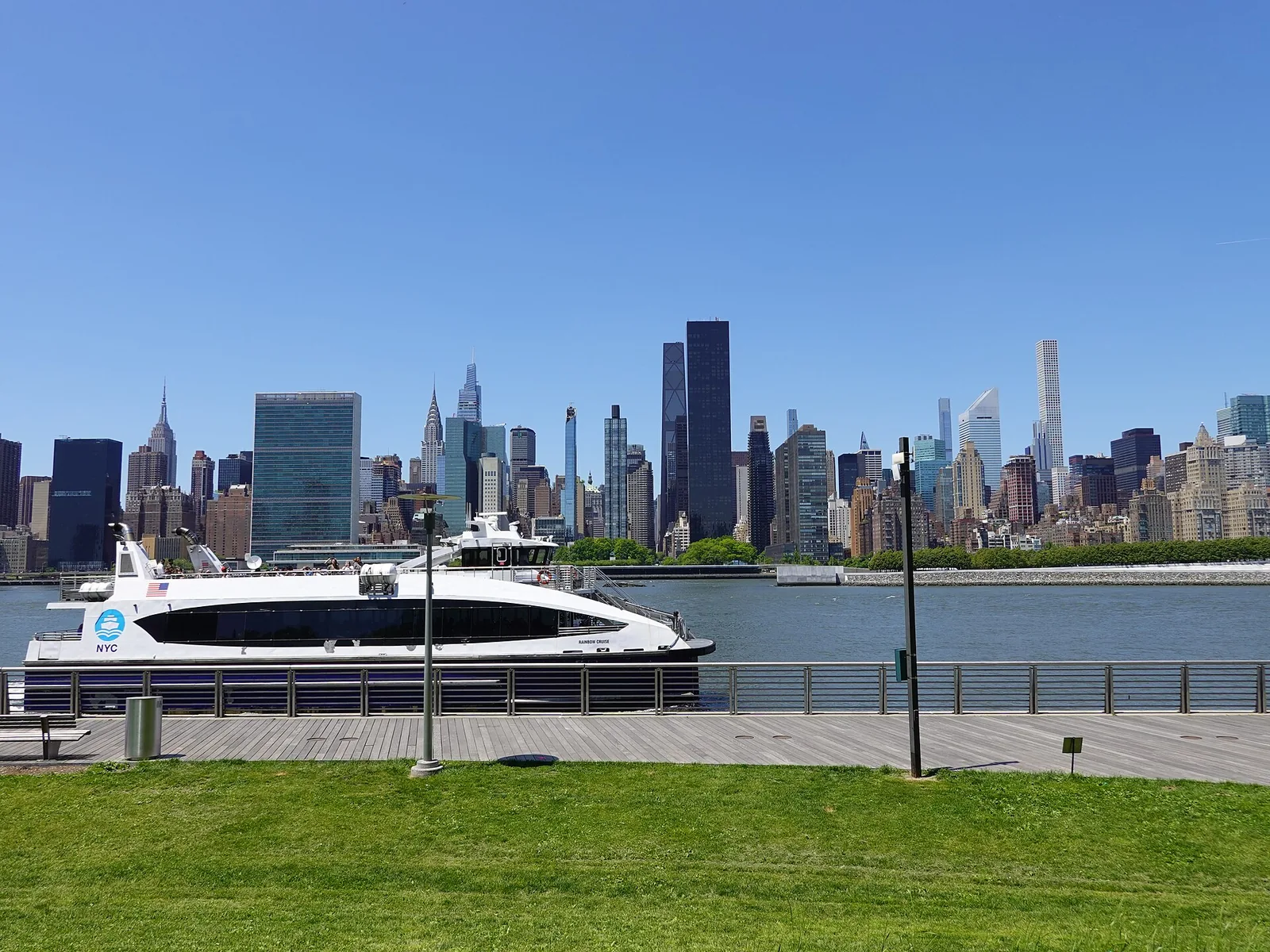
Gantry Plaza State Park gives Long Island City a riverside pause with views across the East River towards Midtown Manhattan. Its restored industrial gantries help explain the name and provide a visual reminder of the waterfront’s earlier use. Treat the park as somewhere to spend time, rather than a brief photo stop before returning to the subway.
Pair that walk with MoMA PS1’s current exhibitions and visit information. The contemporary-art institution currently offers free admission to all visitors. Its regular schedule closes Tuesday and Wednesday, so a bargain in the accommodation calendar does not necessarily make a good museum day. Check the programme before deciding how much time to allow: the experience depends on what is on view.
MoMA PS1 is at 22-25 Jackson Avenue. Luggage and carry-ons cannot be stored onsite, and strollers are not permitted in galleries; families should review the museum’s facilities before arriving. Leave bags at your accommodation rather than building this visit into an airport transfer. Finish with the waterfront if the weather suits, or keep the walk for another day if rain makes lingering unappealing.
Astoria: make the museum the anchor
Museum of the Moving Image explores the art, history and technology of screen culture. Its galleries and film programme are related experiences, but tickets and inclusion rules deserve a separate check. Choose an exhibition visit, a particular screening or a combined plan before booking; arriving for an unspecified film is an unreliable way to organise an afternoon.
Current gallery admission is $20 for adults, $12 for seniors and adult students, and $10 for visitors aged three to seventeen; children under three enter free. Online purchases add a $1.50 transaction fee per ticket. The regular Thursday opening, 2–6pm, offers free museum admission. A screening can still have its own ticket requirements, so read the selected event rather than assuming every activity is included.
The museum’s address is 36-01 35th Avenue. Plan lunch or dinner around the visit and keep any waterfront walk as an optional addition. If mobility or sensory needs affect your visit, use the institution’s accessibility information before committing to a tightly timed day.
Corona and Flushing Meadows: two different museum experiences
The Queens Museum visitor page currently describes pay-what-you-wish admission, with an $8 suggested adult contribution. Its regular opening days are Wednesday through Sunday, with Monday and Tuesday closed. Reserve a timed ticket and allow roughly fifteen minutes for the museum’s recommended walk from either relevant subway stop. Leave luggage elsewhere: the public coat check is closed.
For a more personal historical experience, book the Louis Armstrong House Museum. The combined adult house-tour and exhibition ticket is currently $20; exhibition-only admission is $10. House tours require advance purchase and last approximately forty-five minutes. The usual opening pattern is Thursday through Saturday, making this another visit to place deliberately within the week rather than add at the last minute.
Start at the Louis Armstrong Center, following the museum’s current arrival instructions. The historic house tour involves two steep staircases and standing; the Center is wheelchair accessible, with a virtual house-tour alternative available. These differences matter when choosing tickets. Allow space for both the musical story and the journey between sites, rather than assuming every attraction around the fairgrounds shares one entrance or accessibility arrangement.

Rockaway: a separate coastal day
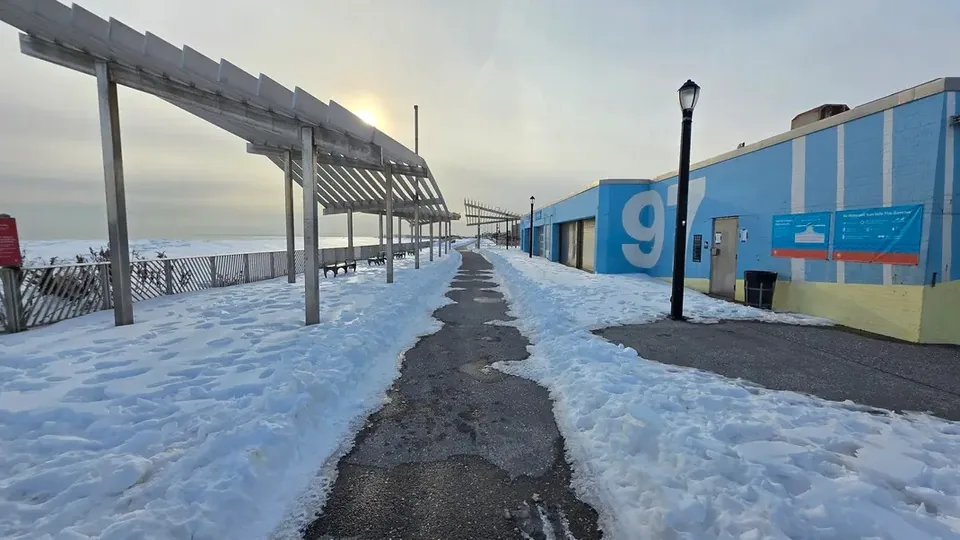
Rockaway Beach and Boardwalk offers a different side of Queens, with the Atlantic rather than the East River setting the scene. Give it a dedicated day when the weather and transport timetable support the trip. A boardwalk walk, time on the sand and a meal can form a satisfying outing without adding distant museums to the same schedule.
Swimming has a designated season and depends on lifeguard coverage and local restrictions. The city extended the 2026 beach season beyond the usual holiday pattern; it has ended by this guide’s October review. Do not use a warm forecast or an older summer timetable as permission to enter the water. Follow current Parks notices and the instructions at the beach.
Check NYC Ferry’s Rockaway–Soundview route if you want to arrive by water. The operator describes approximately an hour between Wall Street/Pier 11 and Rockaway, before the journeys to and from each landing. Review the actual departure and return times. A ferry trip is part of the day’s experience, but it also creates a timetable commitment that a flexible neighbourhood walk does not.
Where to stay: choose the station before the room
Compare a Long Island City base for a mixed Queens-and-Manhattan trip, an Astoria address for a museum-and-dining visit, and a Flushing base for days concentrated further east. A Rockaway stay suits an explicitly coastal plan. These are itinerary choices, not claims that one district is universally cheaper or better. Use actual room quotes and the journeys attached to them.
For every shortlisted property, check the walking route to the station, the room’s bed configuration, lift access, cancellation terms and total checkout price. An airport name in a hotel’s branding does not establish walking access to a terminal. Ask whether a shuttle runs for your flight time, where it collects passengers and whether advance arrangements are required.
Read the city’s current short-stay rules before booking a residential rental. Registered hosts must remain in their home during the stay and cannot offer an entire unit; the guidance limits guests, with an exception for children under four. A listing’s presence on a platform is insufficient evidence of compliance. For an ordinary short visit, compare established accommodation with clearly stated facilities and terms.
Airport arrivals: Queens still requires a transfer plan
Both JFK and LaGuardia are in Queens, but proximity within the borough does not guarantee a simple journey to your accommodation. At JFK, AirTrain connects terminals with Jamaica and Howard Beach for onward rail or subway travel. The current single AirTrain fare at those connections is $8.75, separate from the subway or Long Island Rail Road ticket.
At LaGuardia, follow the MTA’s public-transport arrival guide. The LaGuardia Link Q70 bus is free and connects with transit at Jackson Heights and Woodside. It serves terminals B and C; passengers using Terminal A need the airport shuttle connection described by the operator. Woodside is also an LIRR option, but not every train stops there.
Choose the route from the terminal to your exact address, including the final walk with bags. Check live service notices shortly before travelling and keep an alternative for a late arrival or disruption. Rail fares, taxi quotes and a hotel shuttle cannot be compared fairly without considering everyone travelling together, luggage, waiting and the remaining distance from the stop to the door.
For a JFK hotel shuttle, the airport identifies Federal Circle as the designated connection point via AirTrain. Confirm the arrangements with the hotel before travelling: the airport connection and the hotel vehicle are separate parts of the journey. Save the pickup instructions where you can read them without mobile data.
Local transport: learn the journey, not just the line colour
The MTA’s current fare page lists a $3 base fare for most subway and local-bus riders. Contactless payment is available through OMNY. LIRR tickets are separate and vary by journey and time, so use the operator’s ticket information for a specific trip rather than assuming a subway fare covers regional rail.
The 7 train is useful for several Queens visits, but a line on a map is only the start of planning. Confirm the required stop, train direction and whether your service stops there. Review planned service changes before weekend outings. When luggage, stairs or a mobility device matter, check MTA accessible-travel information and current elevator conditions rather than judging access from the street entrance alone.
Waterfront journeys can also use NYC Ferry’s ticket and transfer information. The ferry has its own tickets and timetable; do not assume a subway payment covers it. Compare the full trip, including the landing walk and waiting time. For a new resident, repeat the intended commute on a weekday before making housing commitments. A convenient sightseeing journey can behave differently at working hours.
Food, shopping and spending with a purpose
Food is a good reason to give Queens time. The official borough overview identifies regional Asian cuisines in Flushing, South Asian and Latin American food around Jackson Heights, Greek traditions in Astoria and Caribbean influences in Jamaica. Choose one area for a meal and a shopping walk, rather than trying to sample the borough in a single sitting.
Start with menus and what you want to eat. Ask about ingredients, portion sizes and dietary requirements directly; a neighbourhood’s reputation cannot guarantee that a particular kitchen meets your needs. Shops and grocers can be interesting stops, but buy perishables with your accommodation’s storage and your next journey in mind. Allow for tax, service arrangements and any gratuity when comparing the final cost of meals.
The Queens Night Market offers a seasonal alternative behind the New York Hall of Science. Its published 2026 calendar runs on Saturdays, 4pm to midnight, with an autumn run ending October 31 after a late-summer break. Check the current date and vendor list; it is not a nightly fixture. Combine it with a compatible park-area day, leaving time for the walk and return journey.
Budget from a complete day, not a borough average
All prices in this guide are US dollars and were checked for the October 2026 review. Build a budget from the accommodation quote, your airport route, everyday transport, selected admissions and meals. Queens contains very different kinds of stays and outings, so a single borough-wide daily estimate would conceal the decisions that actually determine your spending.
For one adult, two ordinary subway or local-bus journeys at the current base fare total $6 before any applicable fare-cap or transfer benefit. MoMA PS1 currently adds no general-admission charge, while a paid museum can materially change the same day’s total. These are planning examples, not package prices: include the relevant ticket fees and check eligibility before relying on a discount.
If your trip involves several people, calculate the household total rather than multiplying a solo itinerary without adjustment. Shared accommodation can change the comparison, while admission ages and airport arrangements can change each traveller’s cost.
Seasons and a realistic three-day plan
Use National Weather Service local climate records for historical context and a current forecast for the days you will travel. Spring and autumn are sensible starting points for a walking-heavy plan; summer adds beach possibilities when swimming is authorised. Winter still supports museums and neighbourhood meals, but a long exposed waterfront walk needs a different clothing and daylight plan.
For day one, choose MoMA PS1 and the Long Island City waterfront, arranging the order around opening hours and weather. On day two, make Museum of the Moving Image your anchor and leave time for an Astoria meal. On day three, choose the Queens Museum and a park-area walk, or an advance-booked Armstrong visit with a less crowded schedule.
This is an editorial suggestion, not a timed tour: arrange the days around the institutions’ different closing patterns. Replace one day with Rockaway when the forecast suits a coastal outing, rather than squeezing it into an already full afternoon. A Saturday night market can extend a compatible eastern Queens day during its operating season. Keep one museum option available if outdoor conditions turn against you.
Moving here: inspect a home and test an ordinary week
Start a housing search with the location of work or study, the household’s access needs and a sustainable monthly total. Compare complete addresses rather than promises of an easy Manhattan commute. Test the door-to-door journey, including a bus connection if needed, and think about evenings and weekends as well as the most favourable weekday departure.
During a viewing, check windows, heating arrangements, cooling, noise, storage and the route for bringing furniture inside. Ask who pays each utility, where laundry is available and how repairs are reported. Obtain the lease and written fee information before transferring money. Photograph the agreed condition at handover and retain records of payments and communications.
Use the city’s Tenant Bill of Rights and rent-increase guide to understand the questions attached to a particular tenancy. Rent stabilisation and other protections depend on the unit and circumstances; they are not a borough-wide promise of a fixed rent. Seek qualified advice when the answer affects signing or renewing a lease. Keep a temporary-housing contingency while you verify the property and your immigration or employment arrangements.
Establishing a household beyond the lease
Confirm which accounts must be in your name before moving day. Con Edison’s service-management page explains starting or moving service and the information required. Verify the provider for each utility at the actual address, along with anything included in the rent. Ask internet providers about service to the unit and installation timing before planning to work or study from home.
Families should use NYC Public Schools’ Family Welcome Centers for enrolment support appropriate to their child’s circumstances. A nearby school does not establish admission to a particular programme. Check the current process and required records before arranging a move around an assumed place. Queens Public Library’s card application is another useful starting point for local resources and its eligibility rules.
Build a practical household list: groceries, laundry, prescriptions, healthcare access, insurance and delivery arrangements. Check whether a prospective clinic accepts your coverage and new patients. Walk essential errands with the household member who will make them. For a student or shift worker, services that look convenient at midday may be less useful at the hours when they are actually needed.
Tourism, study, work and permanent relocation
Queens has no separate immigration permission from the United States. The State Department’s visitor-visa guidance distinguishes tourism and permitted business visits from employment, ordinary academic study and permanent residence. A hotel reservation, an apartment lease or a local job offer does not by itself authorise those activities. Establish the appropriate route before making commitments that assume you can remain.
Eligible Visa Waiver Program travellers should review CBP’s ESTA explanation and use the official application route. ESTA concerns travel eligibility under the programme, not a work permit or a guarantee of admission. For study, read the official student-visa guidance alongside the institution’s international-student instructions. For work or immigration, begin with the State Department’s visa-category resources and the requirements relevant to your circumstances.
Use VisaWand’s United States destination page and consultant directory to explore relevant consultation options. Confirm a professional’s qualifications and the scope of the service before paying. A useful consultation clarifies the lawful route and outstanding evidence; it cannot replace the decision of the responsible authorities. Keep immigration planning distinct from deciding which Queens neighbourhood you would enjoy visiting or calling home.
Nearby options and the comparison that matters
Compare Queens with VisaWand’s Brooklyn guide when waterfront access, parks and neighbourhood-based days shape your New York plans. The broader New York City guide helps you decide how much time to spend in each borough. These comparisons are useful for both itineraries and housing searches, provided you use actual journeys rather than treating borough names as commute estimates.
For other US urban options, the completed Chicago guide and Los Angeles guide offer different travel and relocation contexts. VisaWand’s United States location directory also lists cities and settlements for further exploration; a listed destination does not necessarily have a completed travel guide. Follow the individual page and assess what information it actually provides.
Return to the priorities that brought you to Queens: a museum programme, food discoveries, a coastal day or a home connected to your routine. Choose a manageable set of places and leave time to understand them. The borough becomes more useful as a destination when its geography informs your plans, rather than when every neighbourhood is forced into the same short visit.
Official planning resources
Reviewed 12 October 2026. Use the official resources linked throughout this guide for admission, transport, housing and immigration decisions. Prices, services and rules can change; confirm the details relevant to your dates. Photography illustrates the locations and is not a live view.
View all official resources
- New York State: geographical profile of Queens
- Queens Museum: building and borough history
- Queens Museum: Panorama history and model
- NYC Tourism + Conventions: Queens neighbourhood overview
- New York State Parks: Gantry Plaza
- MoMA PS1: admission, exhibitions and visitor policies
- Museum of the Moving Image: admission and film tickets
- Queens Museum: visitor information
- Louis Armstrong House Museum: booking and access
- NYC Parks: Rockaway Beach and Boardwalk
- City of New York: 2026 beach-season review
- NYC Ferry: Rockaway–Soundview timetable
- City of New York: registered short-stay rules
- JFK Airport: AirTrain fares and connections
- MTA: LaGuardia public transport
- MTA: subway, bus and rail fares
- MTA: current service alerts
- MTA: accessible journeys and elevators
- NYC Ferry: separate ticket and transfer terms
- Queens Night Market: operating dates and vendors
- National Weather Service: local climate records
- NYC HPD: Tenant Bill of Rights
- City of New York: rent-increase information
- Con Edison: start or move service
- NYC Public Schools: enrolment support
- Queens Public Library: card eligibility
- US State Department: visitor visas
- CBP: ESTA explanation
- US State Department: student visas
- US State Department: work and immigration visa categories
Plan the next part of your journey
Explore the United States guide, browse other cities or compare consultants for your travel and relocation questions.