Visa
A city best understood between river and lake
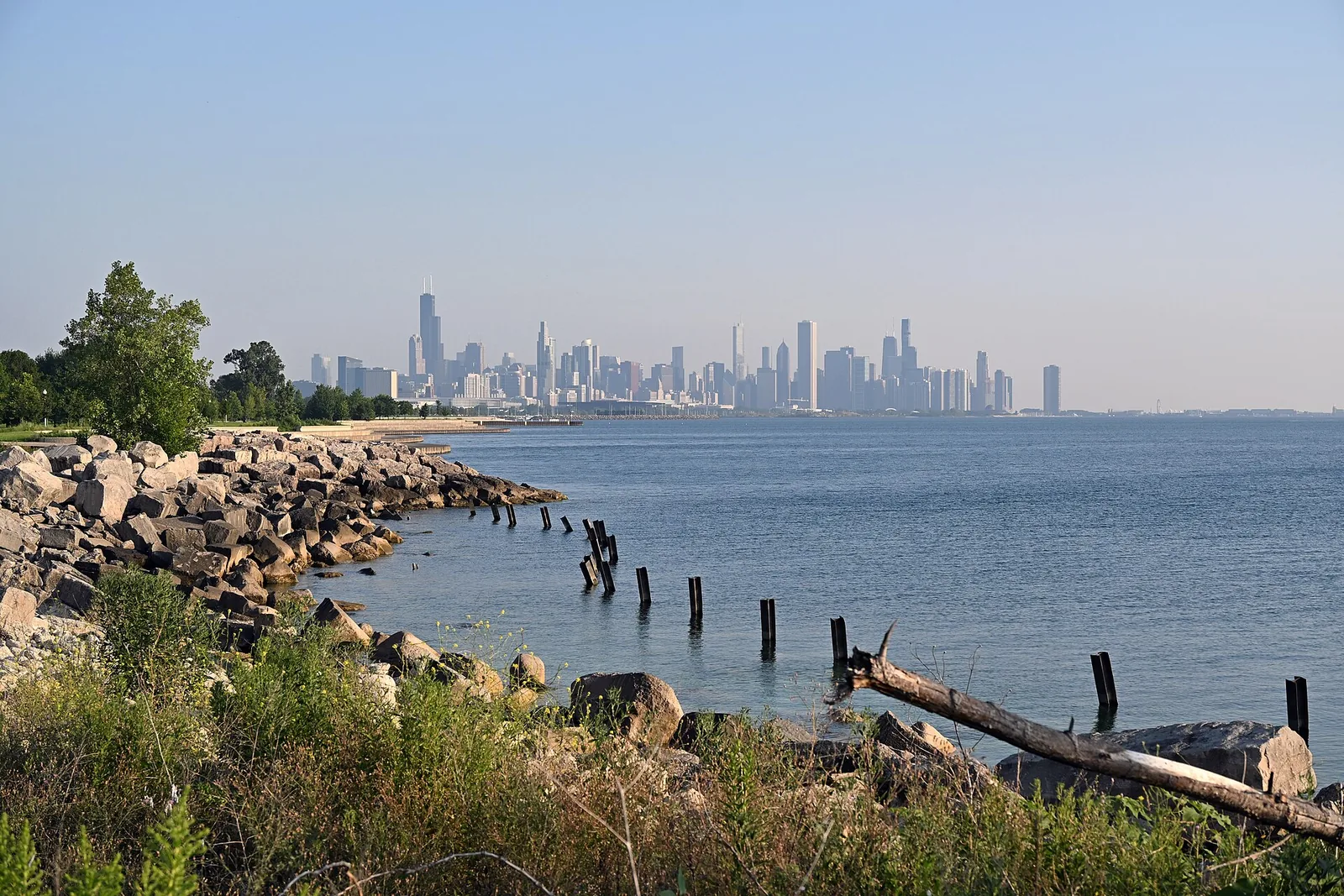
Chicago offers two different ways to orient yourself. Along the river, bridges and tall buildings turn an ordinary walk into a lesson in architecture. Beside Lake Michigan, the skyline gives way to an open horizon, paths and beaches. A good first visit makes room for both, then leaves downtown long enough to see a neighbourhood that interests you.
Four days can accommodate an architecture outing, a substantial museum visit, lakefront time and neighbourhood exploration without making every hour a reservation. Staying near the places you want to see makes that plan easier. The Loop can work well for a first visit, but a hotel farther north or west may suit a particular food, music or family itinerary better.
For relocation, the attractive skyline is only the beginning. The useful questions concern the building, winter conditions, the commute and what remains of your income after recurring expenses. VisaWand’s United States country guide provides national context, while this guide focuses on Chicago. A holiday, university course and job require different budgets and immigration permissions, even when they bring you to the same station platform.
History and neighbourhoods beyond the postcard
The Great Chicago Fire of 1871 is a useful starting point for understanding the city’s history, but it should not become the whole story. The Chicago History Museum’s fire resources provide primary material and interpretation. Pair that history with attention to ordinary streets and neighbourhood institutions rather than assuming every important chapter is represented by a downtown tower.
The official tourism board’s neighbourhood directory helps distinguish places that deserve their own outing. Pilsen offers a cultural visit beyond the downtown circuit; Hyde Park provides another centre of institutions and neighbourhood life. Lincoln Park and Lakeview suit a northern itinerary, while areas such as Andersonville, Wicker Park and Logan Square invite a visit with a narrower focus on shops, food or a particular event.
Pullman provides a different historical outing on the South Side. The National Park Service’s company-town history explains the planned housing and factory community built for railway-car workers. Its architecture raises questions about work, housing and the power of a company over daily life. Use the national historical park’s visitor resources to plan the journey and current access, rather than treating it as a quick detour between downtown reservations.
Architecture on the river, with a considered booking
An architecture cruise provides a useful introduction to the buildings around the Chicago River. The Chicago Architecture Center’s First Lady cruise page describes a ninety-minute tour and currently advertises prices starting at $57. That is a starting price rather than a guaranteed final total; check the selected departure and any booking charges before paying.
The operator’s cruise FAQ explains seasonal availability, arrival instructions, luggage limits and access to the dock. At review, it described departures from March through November and recommended arriving at least thirty minutes beforehand. Read the actual ticket’s meeting instructions and allow time to descend to river level. A street address near a bridge does not mean the boarding point is at street level.
The Riverwalk offers another way to experience the setting without booking a boat. Choose a manageable stretch, look at the changing views across the bridges and leave time for a break. In colder or unsettled weather, a walking tour or indoor architecture visit may be more comfortable than an exposed sailing. Visitors with limited mobility should verify the specific dock and vessel arrangements directly instead of assuming every river cruise has identical access.

Millennium Park and a downtown walk that fits together
Millennium Park belongs naturally in a first downtown circuit, with public space and architecture beside the city’s major cultural attractions. Cloud Gate is the recognisable mirrored sculpture many visitors seek; the city’s Cloud Gate information explains its setting in the park. Allow time to look around rather than treating the photograph as the end of the visit.
Pair the park with a museum, nearby streets or a river outing according to the reservations you hold. The distances may be walkable for many travellers, but heat, cold, mobility and children’s energy change what is sensible. A long downtown walk is easier with a lunch stop and an indoor alternative than with a sequence of tightly timed attractions.
Navy Pier is a separate waterfront choice. Use the pier’s official website to identify the activity you actually want, then check its booking requirements and operating hours. A performance, family attraction and simple waterfront stroll are different propositions. Do not buy several similar viewing experiences simply because they appear on a highlights list. One well-chosen viewpoint and time at ground level can provide a more balanced impression of the city.
The Art Institute: select a collection and leave time to look
The Art Institute of Chicago is large enough to reward a focused visit rather than a hurried sweep. Decide what most interests you and use the museum’s visitor resources to plan the route. Its Michigan Avenue entrance is at 111 South Michigan Avenue, while the Modern Wing entrance is on East Monroe Street. Check the entrance and access arrangement that suits your day.
At review, the museum listed regular adult general admission at $32 and free entry for children under fourteen. Some temporary exhibitions require an additional paid ticket. Free-admission opportunities have eligibility conditions; an international visitor should not assume that an Illinois-resident offer applies. Choose the correct ticket and confirm the total before purchasing.
The museum currently closes on Tuesdays, with later public hours on Thursdays. Check the calendar for holiday arrangements and changes. Choose a substantial visit with a proper break rather than squeezing it between two distant appointments. If your group has different interests, agree on a meeting point and a realistic finish time. The adjacent downtown setting makes it possible to combine concentrated time indoors with a walk afterwards, instead of making the entire day another ticketed attraction.
Museum Campus: compare the experiences before buying a pass
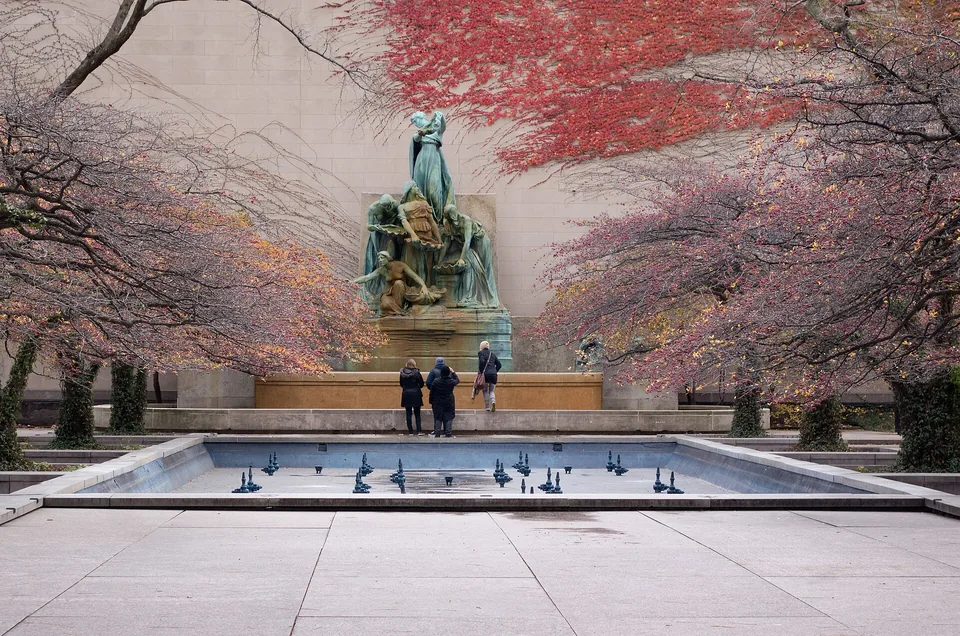
The Field Museum and Shedd Aquarium offer different reasons to spend time near the lakefront. A natural-history visit and an aquarium day are substantial outings in their own right. Pick the one that matches the group’s interests rather than attempting both simply because the map places them close together.
The Field Museum’s ticket page currently lists general admission starting at $30 for guests and distinguishes Chicago-resident pricing and Illinois free-day eligibility. Additional experiences can change the ticket you need. Check the exact date and admissions product, including any special exhibition that is essential to your visit, before comparing the price with an attractions pass.
Use Shedd’s own visit-planning information for tickets, arrival and the activities included. For either institution, compare a pass only after identifying the attractions you genuinely intend to visit. A bundle is not a saving if it encourages extra purchases or squeezes the day until nobody has time to enjoy the exhibits. Leave room for the journey, entry procedures and lunch. In pleasant conditions, time outside around the campus can be part of the outing rather than merely the route between entrances.
Lakefront paths, beaches and Lincoln Park
Lake Michigan changes the scale of a Chicago visit. Choose a section of the lakefront for walking or cycling rather than trying to cover the full route. The Park District’s trail information provides segment maps and distinguishes pedestrian and cycling paths. Follow the signs for the activity you are doing instead of assuming all pavement is shared in the same way.
The Park District announced trail repairs in September 2026, working section by section, so check current notices and follow diversions. For swimming, use the separate official beach-status page. The 2026 swimming season has ended; the operator states that swimming is prohibited with no lifeguards present. A sunny autumn afternoon or an accessible shoreline does not establish permission to enter the water.
Lincoln Park can support a different family outing, including Lincoln Park Zoo, which has free general admission. Check the day’s hours and any separately ticketed event. Combine the visit with nearby outdoor time at a pace that suits the group. A resident considering a home near the lake should also test the practical walk in less comfortable weather; the waterfront’s appeal on a holiday afternoon is only one part of year-round access.

Choosing where to stay without paying for the wrong location
The Loop can suit visitors combining downtown museums, architecture and transport. River North offers another central base, while the West Loop may appeal when food and evening plans are the priority. The tourism board’s accommodation-area guide helps compare these choices with neighbourhood stays farther from the busiest sightseeing circuit.
Put the actual places you want to visit on a map before comparing hotel rates. An apparently cheaper room can become expensive if each evening needs a taxi or each morning begins with a long connection. Conversely, a neighbourhood hotel may be the better choice when most of your plans are nearby. Read the street address rather than relying on a property’s broad area description.
Compare final totals including taxes, compulsory fees, parking and any incidental deposit. Check cancellation conditions, room layout and luggage storage, particularly for families or an early arrival. If accessibility matters, verify the room, building entrance and route from transport separately. For a scouting move, flexible temporary accommodation can be worth more than a small saving on a booking that forces an immediate lease decision. Ask about laundry and a usable workspace if the stay will be longer than a short holiday.
O’Hare and Midway: plan the complete airport journey
The CTA’s airport guide identifies the Blue Line connection for O’Hare and the Orange Line for Midway. Those services can avoid road congestion, but the right transfer depends on your hotel, luggage and arrival time. Check operating hours and current service notices, then include the final walk or connection in the comparison.
The current CTA fare table lists a $5 regular fare when entering at O’Hare station and $2.50 for a regular train journey elsewhere, including the normal Midway connection. An eligible unlimited-ride pass can cover entry at O’Hare without the separate premium charge. Choose a ticket or pass according to the travel you actually expect to make, and confirm its conditions before boarding.
O’Hare’s Blue Line station serves the main terminal complex; travellers using another terminal should follow the airport’s current transfer instructions. Keep enough time for that internal connection as well as the train ride. A taxi or booked car may make sense for a difficult address or substantial luggage, but compare the authorized pickup process and quoted total. On departure day, use a realistic margin rather than assuming either ideal traffic or an uninterrupted train journey.
Getting around: the ‘L’, buses and regional services
CTA trains and buses make many visitor itineraries possible without a rental car. Check the direction and destination before boarding, and use buses when they provide a simpler cross-neighbourhood connection. The CTA’s accessibility page explains accessible travel and elevator information; a nearby station is only useful if its route and access work for you.
At review, CTA listed regular train fares of $2.50 and bus fares of $2.25 through eligible account or contactless payment. Its one-day pass was $5, valid for twenty-four hours from first use. Cash bus fares and disposable tickets have different conditions. Read the fare page before assuming two payment methods provide the same transfers or savings.
Metra and Pace extend travel beyond the city, but they should not be treated as identical to CTA. Use Metra’s official information or Pace’s route resources for the relevant journey and fare product. For a move, test both the outward and return commute at the hours you will use. Count the walk, waiting time and transfers. A longer distance on a dependable route may work better than a nearer apartment connected by several awkward legs.
Food, shopping and a budget built from real choices
Deep-dish pizza, tavern-style pizza, Italian beef and Chicago-style hot dogs provide several ways into the city’s food culture. The tourism board’s guide to Chicago dishes supplies options to investigate, without requiring every meal to become a reservation. Choose a meal near the day’s plans, check the business’s current menu and make essential dietary enquiries directly. A famous dish cannot establish whether a particular preparation suits an allergy.
Shopping can share a neighbourhood afternoon instead of becoming another cross-city trip. Use Choose Chicago’s shopping information to compare districts, then check the opening hours of the places that interest you. Leave room for browsing, and think about baggage or delivery costs before buying large items. A visitor’s shopping itinerary and a new household’s first grocery-and-equipment run serve different needs.
Build the budget from your actual accommodation quote, airport transfer, selected activities and meal plans. Include taxes, applicable service charges and discretionary tipping. Museum eligibility and pass conditions can change totals significantly, so compare final prices rather than headline discounts. Free outdoor time and a free zoo visit can balance paid experiences. For a move, track initial setup separately from monthly expenses; deposits, basic furnishings and transport costs can arrive before the first regular income. Prices quoted here are in US dollars.
Seasons and a workable four-day visit
Choose dates according to what you want to do. A lakefront holiday and a museum-focused winter trip require different clothing and schedules. The National Weather Service Chicago office provides forecasts and warnings for heat, storms, winter conditions and other hazards. Check the forecast for the actual outing instead of assuming a seasonal description predicts the day.
Summer can support longer outdoor days, while colder months call for shorter exposed walks and indoor alternatives. Spring and autumn can be attractive for a mixed itinerary, but weather remains variable. Major events can affect hotel availability and movement around the city. Check dates before booking, especially if a race, convention or performance is either the reason for your trip or something you would prefer to avoid.
A realistic four-day introduction could begin with downtown and the river, devote the second day to the Art Institute and nearby public space, use the third for a Museum Campus attraction, and leave the fourth for a neighbourhood and the lakefront or zoo. Swap days around opening hours and conditions. A cruise is a reservation; a waterfront walk is flexible. Preserve that difference, and keep arrival day modest after an overnight flight.
Moving to Chicago: inspect the home and test the week
Start with your workplace or campus and the hours you need to reach it. Compare several neighbourhoods through actual available homes, then test the commute from the addresses under consideration. Inspect the walk from the station after dark as well as in daytime, and decide whether groceries, childcare or other regular errands fit into the journey.
In an apartment, look beyond finishes to heating, cooling, draughts, noise, laundry, common areas and maintenance. Ask what rent includes, which utilities you arrange and how parking works if you need it. Obtain the full fee schedule and lease before paying, verify the person offering the property and keep copies of correspondence. Do not transfer money simply because an unseen apartment is described as a limited opportunity.
Consult the Residential Landlord and Tenant Ordinance’s published scope and city renter resources for the property’s situation. Coverage has exceptions, and the published code cautions that recent legislation may not yet appear online; obtain qualified local advice before relying on a legal interpretation. Compare the home’s complete costs with the routine it supports. A citywide average cannot tell you whether a particular lease, building and commute are affordable for your household.
Utilities, schools and getting a household established
Confirm utility responsibility in the lease. ComEd’s service-management information covers electricity account arrangements, while Peoples Gas’s start-or-move resources provide the relevant gas-service process. The landlord may supply some services, and the provider depends on the address and equipment. Ask about heating bills, internet installation and when accounts need to begin rather than discovering an essential connection is missing on moving day.
Families should consult Chicago Public Schools’ enrolment guidance and establish the process for their address, children’s ages and individual needs. Coordinate that decision with the lease and commute. A school nearby is not by itself confirmation of a place or the correct application route. Arrange healthcare around insurance eligibility, provider networks and any ongoing treatment or prescriptions.
The Chicago Public Library’s card information is another useful starting point for local resources, with registration requirements that depend on circumstances. Keep a setup budget for bedding, kitchen equipment, transport and basic supplies as well as rent. Give yourself administrative time between arrival and the first demanding work or study week. Dependable household routines are the practical foundation of a move, even when the attractions are what first made Chicago appealing.
Tourism, study, work and permanent relocation
Chicago has no separate visa system: entry and immigration permission are federal matters. The Department of State’s visitor-visa guidance explains tourism and permitted business activities. A visitor visa does not authorize taking a local job or regular academic study. Renting an apartment, attending a consultation or receiving a job offer is not itself permission to begin working.
Eligible travellers using the Visa Waiver Program must meet its conditions and obtain the appropriate authorization. Use CBP’s ESTA guidance rather than a commercial promise of admission. Travel authorization, visa validity and the period granted on entry are different matters. Identify the purpose and route before making commitments that depend on being allowed to remain.
Students should work with their institution and the official student-visa process. Work and permanent moves require an appropriate eligible route; begin with the government’s visa-category information. VisaWand’s consultant directory and United States destination listings help compare services and scope, but approval rests with the authorities. Prepare specific questions about your activity, documents and timeline, check professional credentials independently and avoid treating a general travel article as a determination of personal eligibility.
Nearby places and other urban options
For a longer stay, Oak Park and Evanston provide nearby locations to investigate rather than automatic substitutes for a Chicago neighbourhood. Use the Oak Park location page and Evanston location page for geographical and consultant information, then verify the actual onward transport and the purpose of an excursion. These pages are directories, not completed visitor guides.
The Milwaukee location directory provides another regional comparison, while VisaWand’s researched New York City guide and Los Angeles guide offer different urban trips and relocation contexts. Compare the daily routine you could afford in each place rather than deciding from a skyline photograph. Housing, work access, climate and household services belong in the same decision.
Before booking Chicago, settle the hotel base, longest regular journey and essential reservations. Before moving, add your legal basis for staying and a budget that survives ordinary bills. Leave some space in a visit for streets and lakefront time that no ticket determines. The city becomes easier to enjoy when its spectacular views sit within a practical plan instead of doing all the planning for you.
Official planning resources
Reviewed 12 October 2026. Use the official resources linked throughout this guide for admission, transport, housing and immigration decisions. Prices, services and rules can change; confirm the details relevant to your dates. Photography illustrates the locations and is not a live view.
View all official resources
- Chicago History Museum: Great Chicago Fire primary resources
- Choose Chicago: official neighbourhood directory
- Chicago Architecture Center: First Lady river cruise
- Chicago Architecture Center: cruise conditions and access
- City of Chicago: Cloud Gate in Millennium Park
- Navy Pier: current activities and visit information
- Art Institute of Chicago: admission, hours and entrances
- Field Museum: tickets, resident eligibility and special experiences
- Shedd Aquarium: official visit planning
- Chicago Park District: lakefront trails and current repairs
- Chicago Park District: beach status and swimming restrictions
- Lincoln Park Zoo: free general admission and current hours
- Choose Chicago: choosing an accommodation area
- CTA: O’Hare and Midway airport connections
- CTA: current published fare table and passes
- CTA: accessible transit and elevator information
- Metra: regional rail information
- Pace: suburban bus routes and travel information
- Choose Chicago: local dishes and culinary context
- Choose Chicago: shopping districts and neighbourhood resources
- National Weather Service: Chicago forecasts and warnings
- Published Chicago municipal code: landlord-and-tenant ordinance scope
- Chicago 311: renter-rights information
- ComEd: start, move or stop electricity service
- Peoples Gas: start, stop or move energy service
- Chicago Public Schools: applications and enrolment
- Chicago Public Library: registration and card eligibility
- US Department of State: visitor visas and permitted activities
- US Customs and Border Protection: ESTA explanation
- US Department of State: student visas
- US Department of State: visa categories for work and immigration
- National Park Service: Pullman company-town history
- National Park Service: visiting Pullman National Historical Park
- Choose Chicago: deep-dish and tavern-style pizza
Plan the next part of your journey
Explore the United States guide, browse other cities or compare consultants for your travel and relocation questions.