Visa

Decide which Los Angeles you want to experience
Los Angeles is easier to enjoy when you stop treating it as a single sightseeing district. A beach morning, a museum afternoon and a Hollywood evening can each be rewarding; putting all three on the same day can turn the trip into a succession of transfers. Choose a base around your main interests, then build days within a manageable part of the region.
The attraction is the variety: film culture, serious art collections, hillside views, Pacific beaches and neighbourhoods shaped by successive communities. A first visit benefits from four or five days rather than a hurried overnight stop. You can travel without a car if your accommodation and itinerary follow useful transit corridors, but a hotel described as central may still be inconvenient for your particular plans.
Moving here asks different questions. Your workplace, housing budget, immigration position and daily transport matter more than proximity to a landmark. Start with VisaWand’s United States country guide for national context. This guide then helps you compare a holiday base with somewhere that could support ordinary working weeks, without assuming that visiting gives permission to settle.
A city with a longer story than Hollywood
Start the history at El Pueblo, near Union Station, rather than on the Walk of Fame. The city’s El Pueblo historical resources trace the settlement founded in 1781 and its Spanish, Mexican and early American periods. The surviving plaza district makes those layers more tangible than a skyline view. Olvera Street’s Mexican marketplace opened in 1930; it is an interpretation of heritage within a living city, rather than an unchanged eighteenth-century street.
The Avila Adobe, built in 1818, offers a useful point of scale: a domestic building among the much larger structures of modern Downtown. Check individual museum hours before arriving, because the district’s outdoor spaces and its interiors do not share one timetable. Pair the area with Union Station and leave time to look rather than treating history as a quick photo stop.
Los Angeles tourism often foregrounds cinema, but the city’s character also comes from migration, neighbourhood commerce and everyday cultural institutions. A meal in Koreatown or time in Little Tokyo can broaden a trip beyond entertainment landmarks. Approach these places as communities with their own daily life, not themed backdrops.
Read the neighbourhood map before booking
Downtown suits visitors interested in art, architecture, historic streets and rail connections. Hollywood works better when cinema landmarks and access towards Griffith Park are priorities. Neither is automatically the best base for beach days. Compare your hotel’s exact position with station entrances, evening destinations and the streets you will walk with luggage.
Koreatown offers a different urban rhythm, with restaurants and substantial residential development. Silver Lake, Echo Park and Los Feliz can appeal for neighbourhood exploration, but accommodation described using those names may sit some distance from your intended stops. The San Fernando Valley is another large part of Los Angeles; treat its distances seriously rather than imagining it as an extension of Hollywood’s tourist strip.
Santa Monica, Beverly Hills and West Hollywood are separate municipalities within the wider visitor region. That distinction matters when researching accommodation regulations, parking and a future lease. Use Discover Los Angeles to orient yourself, then check the relevant municipality for rules. A familiar Los Angeles mailing address or marketing description is not enough to establish which local authority governs a property.
Griffith Observatory and the hills above the city
Griffith Observatory combines a landmark building with exhibitions, telescopes and views towards the Hollywood Sign. It is a strong introduction to the city’s geography: the spread below helps explain why apparently neighbouring attractions can involve substantial journeys. The official observatory visitor page confirms free admission to the building and grounds; planetarium presentations are a separate ticketed choice.
The observatory closes on Mondays, and sunset and weekends draw crowds. Check the current calendar and transport instructions before setting out. Going uphill is part of the visit, so plan the return as carefully as the arrival. Paid parking near the building can undermine the apparent savings of a free attraction, especially when you spend time searching for a space.
Choose a viewpoint walk according to weather, daylight and your group’s fitness. Carry water, wear shoes suited to uneven ground and check closures before attempting trails. A photograph of the Hollywood Sign does not require entering restricted land. Families and visitors with limited mobility should use the observatory’s access information to choose a realistic route rather than improvising on the hillside.

Art days: the Getty Center and The Broad
The Getty Center is worth planning as a substantial outing. Its art, gardens and architecture share a hilltop setting, so the journey is more rewarding when you allow time beyond one gallery. The Getty Center admission page currently requires a timed reservation even though admission is free. Parking is charged, and gallery renovation closures can affect what you see; review the current notices instead of relying on an old highlights list.
The Broad offers a contrasting contemporary-art visit in Downtown. Start with The Broad’s official visitor information and reserve the appropriate admission. General admission is free, while some exhibitions or experiences have separate arrangements. If a particular Infinity Mirror Room is your reason for coming, check its own access conditions rather than assuming that any museum booking includes it.
These institutions are in different parts of the city. Give each an appropriate surrounding day instead of combining them simply because both have free entry. Downtown’s art visit can sit beside architecture and neighbourhood exploration; the Getty works more naturally with a westside plan. Reservations, journey time and paid extras should guide the choice as much as the headline admission price.

Hollywood, cinema and a worthwhile evening
Hollywood Boulevard provides the recognisable cinema imagery many visitors expect. The Walk of Fame is an outdoor streetscape rather than a ticketed attraction with a fixed entrance. Allow a short, purposeful visit to look for the landmarks that interest you, then decide whether a film-related tour or an evening performance deserves more time.
The Warner Bros. Studio Tour in Burbank offers a studio-focused outing rather than an amusement-park day. Check its current tour choices, admission restrictions and accessibility information before reserving. A studio tour and a theme park are different experiences, even when both use film branding. Do not choose solely on the promise of seeing a celebrity or an active production; access depends on the product actually sold and operational conditions.
An evening is easier when dinner and entertainment are in the same area. Before buying tickets, check the journey back to your hotel. If the last part needs a taxi or rideshare, include it in the budget.
Beach time without a cross-city scramble
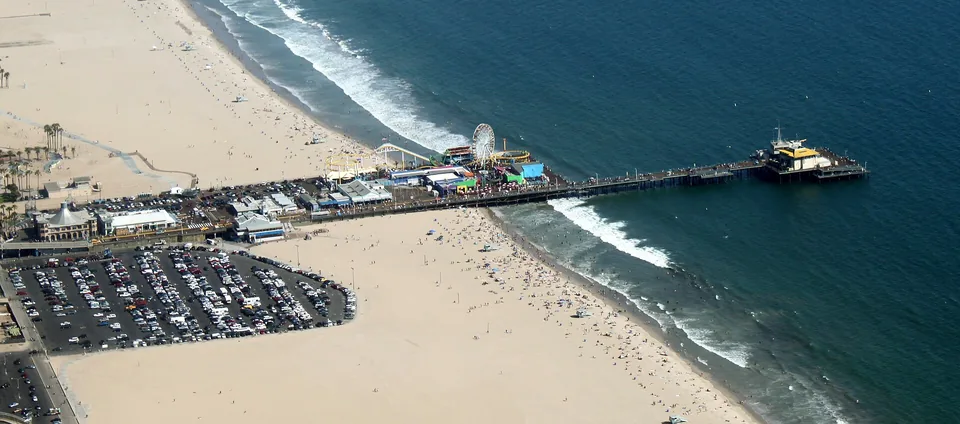
Santa Monica offers a beach, pier and an urban centre that make a coherent coastal day. Its official visitor information helps with access, accommodation and current activities. Santa Monica is a separate city, while Venice is part of Los Angeles. They can form a coastal itinerary, but walking distances, sun exposure and the journey back still deserve planning.
Decide whether your priority is a beach walk, swimming, cycling or the pier’s paid amusements. Those choices need different equipment and amounts of time. Follow lifeguard advice and posted ocean conditions; calm-looking water is not a guarantee of safe swimming. Keep valuables attended and allow for cooler air near the coast, especially towards evening.
A beach hotel can be an excellent choice for a coastal holiday and a poor choice for repeated early appointments elsewhere. Conversely, a Downtown base can support one beach excursion without being a seaside stay. Choose honestly between those experiences. For a move, investigate coastal housing and commuting as their own project rather than assuming the atmosphere of a holiday afternoon represents daily life throughout the region.
Choose accommodation around your daily journeys
Make a short list of three accommodation areas before comparing individual rooms. Put your principal attractions, workplace visit or campus appointment on a map, then test journeys at the times you expect to travel. A slightly higher room rate may be worthwhile if it avoids several long transfers; calculate the total rather than defending the cheapest booking.
Hotels, hostels and furnished apartments serve different needs. Compare the final price including taxes, parking and compulsory fees, then check room size, cancellation terms and whether luggage storage is available. Families should confirm the actual sleeping arrangement and cooking facilities instead of interpreting a photograph as a guarantee. For accessibility, obtain details about the room and approach route directly.
Short stays and residential leases are governed differently. Before booking a home-share, consult the City of Los Angeles home-sharing information and verify the relevant jurisdiction. An online listing does not itself prove that the accommodation is lawful. For an exploratory relocation visit, flexible temporary accommodation can protect you from committing to a long lease before you have tested the commute and inspected the property.
Arriving through LAX and other gateways
Los Angeles International Airport is a major gateway, but the onward journey should influence your arrival plan. Use LAX’s official ground-transport information for terminal pickup instructions, airport shuttles, taxis and shared rides. Pickup arrangements can change during construction, and the right option depends on your terminal, luggage and final address.
The airport’s FlyAway bus provides another option for connections towards Union Station or Van Nuys. Check the official FlyAway service page for the route, departure information and current fare. Union Station is a connection point, not a promise that your hotel is nearby: calculate the final rail, bus or taxi leg before choosing it.
The LAX/Metro Transit Center links into the regional transit network, with airport terminal connections described by the operators. Do not assume that an advertised future train project is already carrying passengers. At review, LAX’s SkyLink page said opening information would be posted there. Confirm the operating connection on your travel date. Hollywood Burbank Airport’s bus and train connections may suit a Valley-focused stay; compare the actual flight and onward journey rather than choosing an airport by distance alone.
Using public transport and deciding about a car
The Metro’s line schedules identifies the B Line between Union Station and North Hollywood and the E Line between East Los Angeles and Santa Monica. These corridors help connect Downtown, Hollywood and the coast, but do not make every attraction a short station walk. Check live journey times, service notices and elevator availability for specific trips, especially for a late return.
At review, Metro’s fare page listed a regular one-way fare of $1.75, with $5 daily and $18 seven-day caps for eligible tap payments. Transfers within two hours exclude round trips. Cash on buses does not receive fare caps. Follow Metro’s payment instructions, use a consistent payment method and check the rules when transferring to another operator; an airport bus or neighbouring agency need not share Metro’s cap.
A rental car is useful for some regional excursions, but price the full package: insurance, parking, fuel and any additional-driver charge. Read parking signs for the specific space and time. For residents, test a weekday commute before deciding a cheaper apartment saves money. A transit-accessible address can be more valuable than a lower rent with an expensive, tiring daily drive.
Food, shopping and a practical budget
Make food part of a neighbourhood visit: the tourism board’s Koreatown guide and Little Tokyo walking route offer two useful starting points. Little Tokyo’s Japanese Village Plaza combines food and shops within a compact Downtown outing. Compare current menus and opening hours before choosing a business. If allergies or dietary needs matter, confirm preparation directly; a cuisine label cannot establish that a particular meal is suitable.
A sensible holiday budget separates accommodation, transport, meals and activities. Add taxes and discretionary tipping where relevant, and check whether an attraction’s free admission still leaves parking or special-exhibition costs. Include an arrival meal and airport transfer: these are easily overlooked when comparing apparently similar hotel packages. Keep a contingency for a late taxi or weather-driven change.
Shopping districts can provide an afternoon’s entertainment without requiring a major purchase. If you buy bulky goods, think about baggage charges and onward travel. For a move, price household setup separately from monthly rent: bedding, basic kitchen equipment, internet installation and transport deposits can arrive together. No single citywide daily budget or rental average can reliably represent every neighbourhood, season and household.
Weather, seasons and choosing dates
Coastal and inland conditions can differ considerably, so check the forecast for the area where you will spend the day. A cool beach morning does not establish that an inland walk will remain comfortable. Layered clothing, sun protection and drinking water are useful across an itinerary that crosses several parts of the region.
The National Weather Service Los Angeles office provides forecasts and alerts. Check heat, wind, rain and fire-weather notices before outdoor plans. Marine cloud can affect coastal mornings, while hotter inland conditions can make a hillside excursion less appealing. In wet weather, substitute an indoor visit and avoid treating an exposed trail as a compulsory item on the schedule.
Spring and autumn can be attractive choices for a mixed city-and-coast visit, but they offer no guarantee of mild weather or quiet hotels. Compare your dates with major events and school holidays before booking. For relocation, inspect a prospective home’s cooling, ventilation and exposure to noise, then ask how it feels during hotter periods. A pleasant viewing day can hide problems that become expensive later.
A realistic four-day first visit
Day one: begin around Union Station and El Pueblo, then choose a Downtown art visit. Reserve The Broad if it is a priority and leave the rest of the afternoon for nearby streets and a meal. After a long international flight, shorten this plan rather than forcing a late evening across town.
Day two: visit Hollywood’s cinema landmarks, then make Griffith Observatory the main later outing on a day when the building opens. Check transport and weather before committing to sunset. Day three: give the Getty Center a substantial visit, with its reservation arranged in advance. Keep the evening on the westside rather than adding an unnecessary cross-city journey.
Day four: spend time in Santa Monica and, if energy and conditions allow, extend the coastal outing towards Venice. A beach-focused traveller could exchange the Getty day for another coastal day; an art-focused visitor could do the reverse. Theme parks and studio tours deserve their own block of time. Build departure day around the airport journey, not one final distant attraction that leaves no margin for traffic or disrupted transport.
Moving: housing, leases and the commute
Begin with your work or study location and identify several neighbourhoods with viable journeys. Compare actual available homes rather than a headline citywide rent figure. Inspect the street at different times, the building entrance, noise, laundry arrangements and access to groceries. If you expect to work from home, confirm internet availability and whether the layout supports a quiet workspace.
Ask for the lease, a complete fee schedule and written confirmation of what rent includes. Verify the person offering the property and avoid sending money simply to secure an unseen apartment. International newcomers may need to discuss acceptable income and identity documentation before applying. Keep temporary accommodation long enough to inspect alternatives without pressure.
The Los Angeles Housing Department’s renter resources explain local protections and complaint routes. Coverage depends on the property and jurisdiction; do not assume every apartment has the same rent-increase restrictions. Read the lease alongside the official guidance, and seek qualified advice for a dispute. A shorter commute and a dependable building can matter more to a sustainable move than an address associated with tourism.
Essential services and setting up a household
Confirm utility responsibility before signing. Within its service territory, LADWP’s start-service information covers water and electricity connections; a landlord or different municipality may have another arrangement. Ask about metering, deposits and the date service can begin. Check mobile reception and fixed internet at the address rather than assuming coverage from a regional advertisement.
Arrange healthcare around your actual insurance eligibility, provider network and medication needs. Carry prescriptions and discuss continuity of care before travelling. For children, establish the relevant school district and enrolment process for the address. Housing choices made first can narrow later options, so coordinate school, commute and lease decisions instead of handling each in isolation.
Drivers moving from elsewhere should consult the California DMV’s new-resident portal for licensing and vehicle registration requirements. Make a setup budget covering transport, insurance, groceries and household equipment as well as rent. Keep copies of leases and service confirmations, and allow administrative time between arrival and starting work. A relocation succeeds through dependable ordinary routines, not just access to the places that made the city appealing.
Visiting, working, studying and settling are different routes
Your immigration requirements depend on nationality, purpose and circumstances. The Department of State’s visitor-visa guidance distinguishes tourism and permitted business activities from employment and study. A visitor visa is not permission to take a local job. Visa validity and the period of admission are also different; check the admission record and conditions applicable to your entry.
Eligible travellers using the Visa Waiver Program need to meet its conditions and obtain the appropriate travel authorisation. The CBP ESTA explanation describes visits of up to 90 days and the distinction between travel eligibility and admission. Use official application resources and do not treat repeated short visits as a way to live in the country.
For education, consult the official student-visa guidance and the institution handling your enrolment. Work and permanent relocation require their own eligible routes; begin with US government visa information and obtain qualified advice for your circumstances. A consultation can help organise questions, but cannot guarantee approval. VisaWand’s consultant directory lets you compare services; read the scope and fees before booking, and verify professional credentials independently.
Nearby alternatives and your next decision
Pasadena, Long Beach and Santa Monica can offer different bases within the broader region. Choose according to the activities and daily journeys that matter to you, and verify transport rather than treating any of them as interchangeable Los Angeles neighbourhoods. A regional excursion can add variety, but it should not displace the time needed to enjoy your chosen base.
For a longer California trip, compare the San Diego location directory page with your Los Angeles plans. It currently supplies location and consultant information rather than a completed city guide. VisaWand’s New York City guide offers a researched alternative for a very different urban holiday or relocation decision, while the United States city directory provides further locations to investigate.
Before booking, settle three questions: where you will sleep, how you will make the longest regular journey and which reservations need arranging first. Before moving, add the legal basis for your stay and a household budget that survives ordinary expenses. Los Angeles becomes more manageable when those choices shape the itinerary, instead of being left until after the appealing photographs have done their work.
Official planning resources
Reviewed 12 October 2026. Use the official resources linked throughout this guide for admission, transport, housing and immigration decisions. Prices, services and rules can change; confirm the details relevant to your dates. Photography illustrates the locations and is not a live view.
View all official resources
- El Pueblo: history and historic buildings
- Discover Los Angeles: official visitor information
- Griffith Observatory: admission, hours and access
- Getty Center: reservations, closures and parking
- The Broad: admission and visit planning
- Santa Monica: official visitor information
- Los Angeles City Planning: home-sharing rules
- LAX: ground transport and terminal connections
- LAX FlyAway: routes, fares and timetables
- LAX SkyLink: official opening information
- Metro: current fares and fare caps
- Metro: how to pay
- National Weather Service: Los Angeles forecasts and alerts
- Los Angeles Housing Department: renter resources
- LADWP: start residential water and electricity service
- California DMV: new-resident requirements
- US Department of State: visitor visas
- US Customs and Border Protection: ESTA explained
- US Department of State: student visas
- US Department of State: work, study and immigrant visa categories
- Warner Bros. Studio Tour Hollywood: official booking and visitor information
- Metro: current line schedules and route maps
- Discover Los Angeles: Koreatown neighbourhood guide
- Discover Los Angeles: Little Tokyo walking route
- Hollywood Burbank Airport: bus and train connections
Plan the next part of your journey
Explore the United States guide, browse other cities or compare consultants for your travel and relocation questions.