Visa
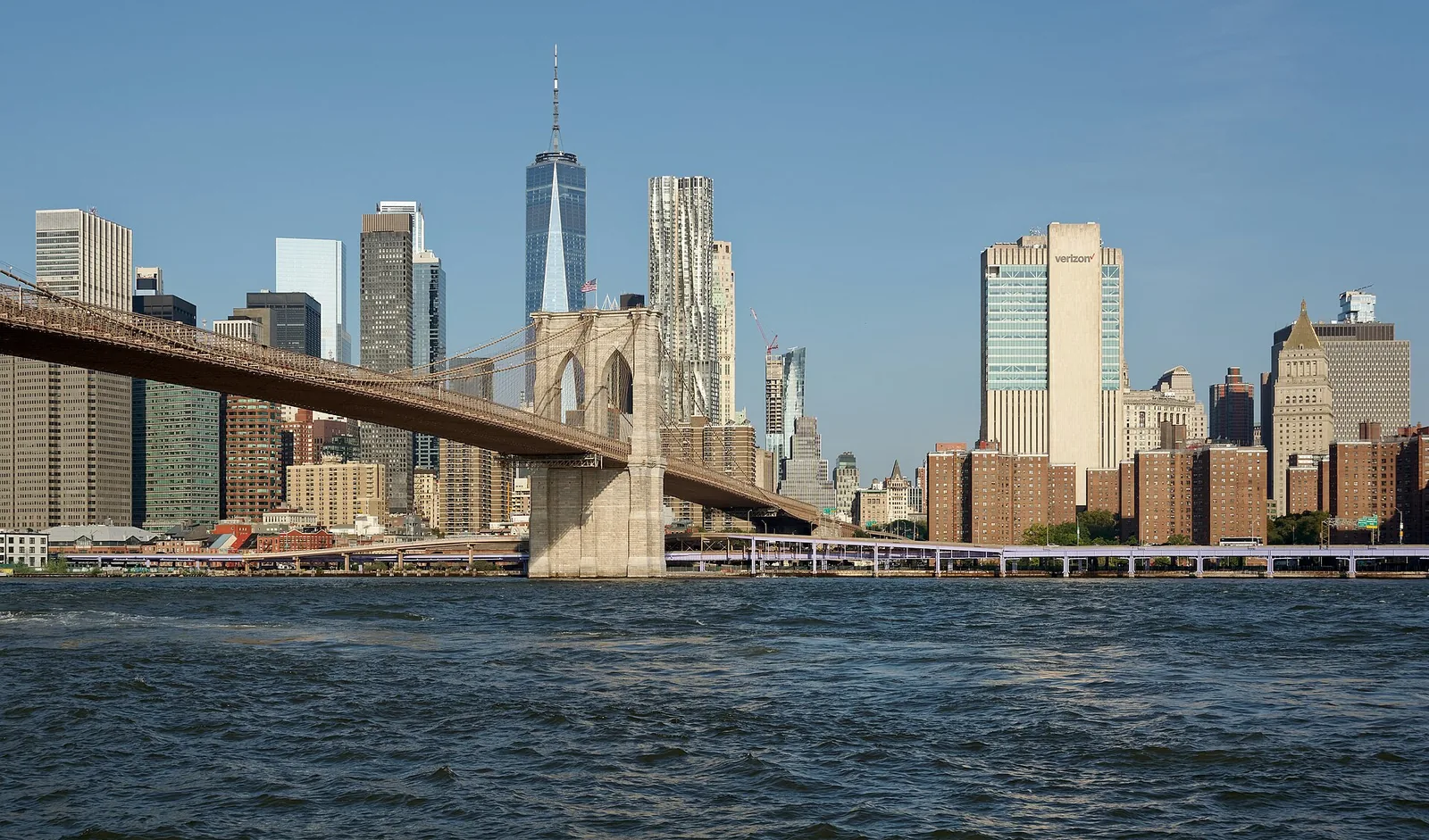
Brooklyn deserves more than the bridge photograph
Brooklyn begins for many visitors with a view back towards Manhattan. Stay beyond that photograph and the borough offers a different trip: park paths, substantial museums, streets of brownstones, a seaside boardwalk and neighbourhoods whose daily routines are attractions in their own right. The most useful decision is how much of your New York visit you want to spend here, rather than how quickly you can cross the bridge and return.
Brooklyn is one of New York City’s five boroughs, not a separate present-day city. Its scale makes a single description misleading. A waterfront hotel, an apartment near Prospect Park and a home towards Coney Island can involve very different journeys. Start with a few priorities and identify a base that connects them; crossing the whole borough repeatedly is an inefficient way to discover it.
For a first visit, two or three dedicated days reveal more than a rushed afternoon. For someone considering a move, those sightseeing days should sit alongside a weekday commute test and property inspections. VisaWand’s New York City guide covers the broader city, while the United States country guide provides national context. This article focuses on decisions specific to Brooklyn.
An independent city’s history within modern New York
Brooklyn’s civic history helps explain the strength of its identity. The city’s account of Brooklyn Borough Hall identifies the building as the former City Hall, serving that role before consolidation with New York City in 1898. Today’s borough therefore carries the memory of an independent city, even though its public services and immigration context belong within the larger metropolis.
Around Borough Hall and Brooklyn Heights, compare the civic architecture with the scale of nearby residential streets. This is a rewarding setting for an unhurried walk, with the waterfront as a natural next stop. The contrast between historic buildings, working streets and newer development gives the visit more substance than treating the borough as a collection of skyline viewpoints.
History here also belongs to the communities that built neighbourhood institutions, shops and cultural life. Use Visit Brooklyn’s neighbourhood map to orient yourself without assuming that a neighbourhood label marks a precise administrative border. Explore with attention to ordinary use: residential stoops are private spaces, places of worship are active institutions, and a lively shopping street serves residents as well as visitors. The borough is not a film set waiting to be photographed.
Choose a neighbourhood circuit, not a borough-wide sprint
Brooklyn Heights, DUMBO and the waterfront make a coherent first circuit. Downtown Brooklyn is a practical starting point for transport and the Transit Museum, while Fort Greene offers another nearby cultural focus. These areas can share a day more sensibly than a schedule that repeatedly moves between the northern waterfront and the Atlantic shore.
Williamsburg and Greenpoint suit a separate outing built around streets, shops, food and the waterfront. Prospect Heights, the museum and botanic garden fit naturally with a Prospect Park day; Park Slope offers another approach to the park. Crown Heights, Bedford-Stuyvesant and Flatbush deserve focused exploration rather than a list of names ticked off from a moving train.
The official city tourism board’s Brooklyn overview gives useful context for these different communities. Choose one area for an afternoon and let a meal or cultural visit provide its centre. For relocation, repeat the same comparison at each possible address: the nearest useful station, everyday shopping, park access and journey home after work. A neighbourhood’s reputation is less useful than the route and building you would actually use.
The waterfront: DUMBO, Brooklyn Heights and the bridge
Brooklyn Bridge Park provides the broad skyline views that first bring many people across the East River. Its paths, lawns and piers allow a waterfront visit with room to pause. Follow the park’s official bridge and access guidance to choose an entrance and a route suited to your group. The Brooklyn Bridge pedestrian walkway is separate from the park below; arriving at the waterfront does not automatically put you on the crossing.
Pair a bridge walk with time on the Brooklyn side. DUMBO’s streets and the park around Fulton Ferry give you different perspectives on the structures overhead, while Brooklyn Heights adds residential streets and the promenade. Choose the direction of your crossing for the view and onward journey you want. There is no admission charge to walk across the bridge.
This is an exposed outing in cold wind, strong sun or rain. Bring layers, leave room for crowds and avoid making a precise dinner reservation dependent on a hurried crossing. The park recommends public transport because nearby parking is limited. For families, identify toilets, a food stop and a manageable endpoint before setting off; a smaller circuit with a proper break often works better than walking every pier.
Prospect Park gives the trip breathing space
Prospect Park is a substantial outing rather than a patch of greenery beside another attraction. The Prospect Park Alliance’s visitor resources identify places including Long Meadow, the lake and the Ravine, allowing you to choose between an open walk and a quieter landscape. Start from an entrance that fits your hotel or the day’s other plans, then choose a route you can enjoy without watching the clock.
For a first visit, a walk and picnic can be enough. Families may prefer a playground-focused route, while someone interested in the landscape can build a longer loop. Check the operator’s programme and facility information before promising children a particular activity; outdoor space, a scheduled event and a paid recreation facility have different availability.
The park is also useful on a relocation visit. Walk between a prospective home, a grocery shop and an entrance at the time you would normally go outside. Notice crossings, gradients and whether the route remains convenient with shopping or a stroller. Access to a well-used outdoor space can improve a household’s routine, but being described as near Prospect Park does not establish which entrance is close or how straightforward the walk will be.

Eastern Parkway: art and gardens with different tickets
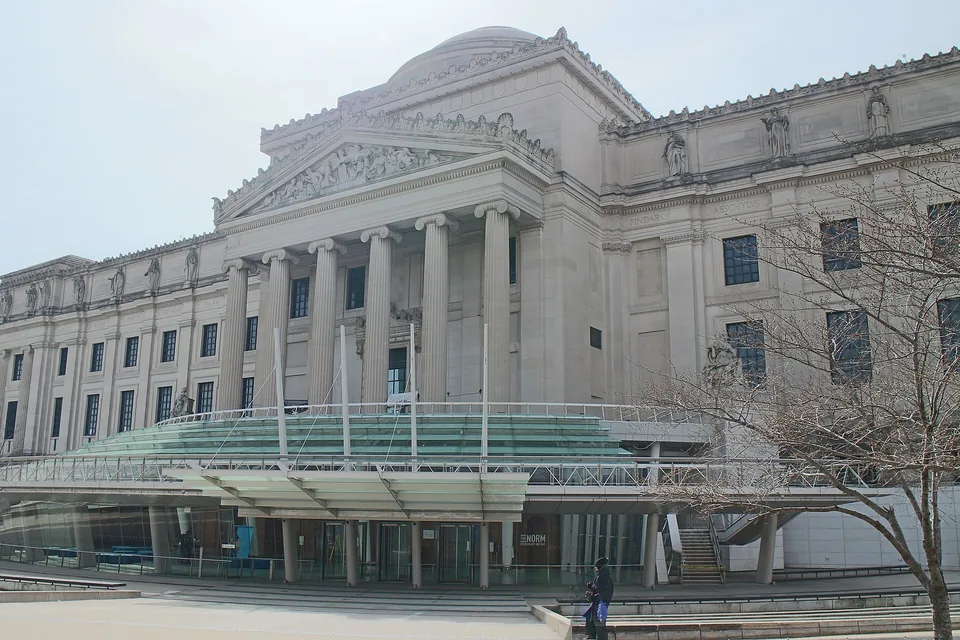
The Brooklyn Museum and Brooklyn Botanic Garden make a strong cultural day around Eastern Parkway. Choose whether your interest lies mainly in art, planting or the combination; each can absorb more attention than a hurried schedule allows. Begin with the museum’s own visitor information for current exhibitions, admission arrangements and access, rather than assuming an old ticket description still applies. The museum currently opens Wednesday–Sunday, 11am–6pm, and closes on Mondays and Tuesdays.
The botanic garden’s hours and admission page is especially useful for seasonal planning. At review, its adult garden ticket was $22 at the box office or $23.67 online, including the stated fee. Children under twelve were free. Tickets are still required for entry, and eligibility for free or discounted arrangements should be checked before arrival.
The garden also advertises a same-day museum-and-garden option, with restrictions on special events and separately ticketed exhibitions. Read those conditions before comparing totals. A spring blossom visit depends on actual flowering and the weather, not a guaranteed date. Outside that season, choose the visit for the garden itself. Plan a lunch break between institutions and check their separate opening days; neighbouring entrances do not mean identical timetables.
For garden access, the operator identifies the 2 and 3 trains at Eastern Parkway–Brooklyn Museum for its Eastern Parkway and Washington Avenue entrances, and B, Q and S services at Prospect Park for Flatbush Avenue. It notes that the B does not run on weekends. Choose the entrance before setting out, especially if you need step-free access.
A subway museum and an evening performance
The New York Transit Museum gives context to the network you will use throughout the trip. Its Brooklyn site occupies a decommissioned subway station at 99 Schermerhorn Street. The museum’s planning page distinguishes that ticketed attraction from its free Grand Central gallery in Manhattan. At review, adult admission in Brooklyn was $15, with advance reservations encouraged.
Read the access instructions carefully. The main entrance involves stairs, with a separate wheelchair-accessible entrance and no general elevator. The museum was also displaying an air-conditioning outage notice when researched. Check whether that advisory remains in force, especially during hot weather; a museum visit is not necessarily a cool indoor alternative.
For an evening, compare Brooklyn Academy of Music’s programme with the Barclays Center event calendar. Choose the actual performance, sport or screening that interests you, then check the venue, finish time and admission conditions. An event name is not enough to establish which building you need. Keep dinner and the return journey nearby or well connected, and read bag restrictions before carrying the day’s luggage into an evening reservation.
Coney Island is a separate coastal day
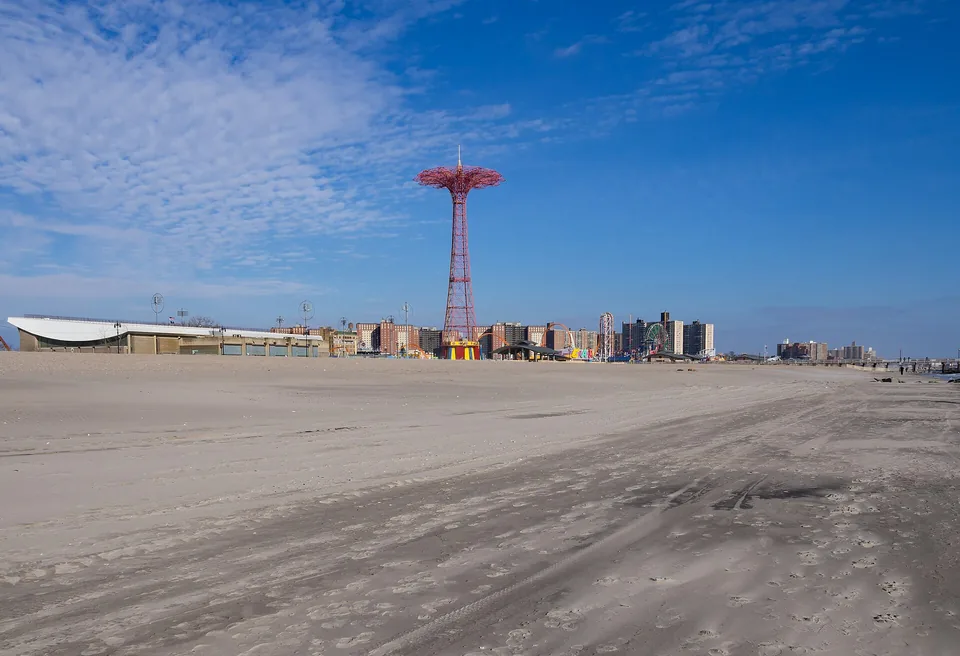
Coney Island changes the setting from skyline and brownstones to beach, boardwalk and amusement attractions. Give the southern shore its own block of time rather than adding it after a full museum day. The journey can be worthwhile even without buying rides, but the experience changes with weather, season and the operating calendars of individual businesses.
For swimming, use NYC311’s beach-status information. The city distinguishes the supervised beach season from the off-season, when sitting or walking on the beach does not mean swimming or wading is permitted. Follow current closures and lifeguard instructions. A warm afternoon outside the season is not an exception to those rules.
Decide in advance whether the group wants a seaside walk, a beach day or paid amusements. Check operators directly for attraction hours, height limits and ticket products, then allow for food and the return trip. Shade and weather protection matter on an exposed boardwalk. A coastal resident needs another calculation: test the daily journey inland, investigate the building and check flood information, rather than judging a home by the atmosphere of a summer visit.
Where to stay: connectivity matters more than the label
Downtown Brooklyn can suit a stay combining borough visits with journeys elsewhere in New York. DUMBO and nearby waterfront accommodation appeal for views and walking, while Williamsburg can make sense for a northern-Brooklyn itinerary. Compare the exact address with your plans; a Brooklyn hotel is not automatically a cheaper or simpler alternative to Manhattan.
Put the attractions and evening destinations you actually want on a map, then test the hotel journey to each. For families, check bed arrangements, luggage storage and access from the station. For anyone needing step-free travel, confirm the room, building entrance and station route separately. A hotel’s accessibility description cannot establish whether the surrounding transport connection works.
Residential short stays need particular care. Read New York City’s accommodation guidance for visitors and the official home-sharing rules. In permanent residential buildings, an entire home cannot generally be rented to visitors for fewer than thirty days; permitted hosted stays have conditions, including host presence and a limit on paying guests. Do not infer legality from a booking platform listing. Compare the final hotel total, cancellation conditions and deposits before deciding that an apartment advertisement offers a better deal.
Airports and the last mile to your address
Choose the airport transfer after choosing the Brooklyn address. JFK’s AirTrain connects with subway and Long Island Rail Road services, but the useful onward option depends on the neighbourhood. The MTA’s JFK guide explains the choices, including the requirement to take a Far Rockaway-bound A train for the Howard Beach connection rather than a Lefferts Boulevard service.
At review, the AirTrain fare was $8.75 in addition to the onward subway or railroad fare. The MTA listed a typical subway-and-AirTrain combination at $11.75. For Downtown Brooklyn, compare the LIRR connection through Jamaica and Atlantic Terminal with your actual final station. The more expensive rail option is only worthwhile if it improves the complete journey, including luggage and any transfer.
For LaGuardia, the MTA’s airport guidance identifies the free Q70 connection, with terminal-specific instructions. Newark requires a different regional connection; consult the airport operator’s transport page and current advisories. A taxi or booked transfer can make sense with substantial luggage or a difficult late arrival, but obtain the official pickup instructions and price basis. Leave a generous margin on departure day rather than treating an ideal journey-planner time as a guarantee.
Subway, buses and ferries serve different journeys
Within Brooklyn, select transport for the particular trip rather than the shortest line on a map. Subway routes can be excellent for reaching Manhattan and still involve an awkward connection between two Brooklyn neighbourhoods. Compare buses as well as trains, and check service changes on weekends. Verify station elevators through the MTA’s accessibility resources if they are essential to your route.
The current regular subway and local bus fare is $3. Follow MTA fare information and OMNY payment guidance for eligible transfers and fare capping. Keep the same eligible payment card or device where those rules require it; a phone and its physical bank card may not be treated as one payment identity.
NYC Ferry offers a different perspective and can connect waterfront areas, but it uses separate tickets. The East River route page identifies landings and departures. NYCEDC’s October fare announcement confirms the base fare is $4.50 before rising to $5 on 19 October 2026. Confirm the fare for your dates and check ferry ticket rules; transfers within the ferry system should not be mistaken for free subway connections. On busy sailings, leave flexibility rather than relying on the last possible departure.
Food, shopping and the costs that add up
Make meals part of the neighbourhood circuit instead of repeatedly travelling for a restaurant. A waterfront afternoon, a visit near Prospect Park and a Williamsburg outing can each support a different food stop. Visit Brooklyn’s food directory provides businesses to investigate; check the establishment’s own menu, hours and dietary information before choosing. A directory entry is a starting point, not a guarantee about quality or availability.
Shopping streets and neighbourhood shops can be worthwhile without turning the day into a major purchase. Leave room for browsing between booked activities. If you need to buy household supplies during a move, distinguish a visitor-oriented shopping afternoon from practical errands for bedding, groceries and kitchen equipment. Check delivery terms and whether someone can receive bulky items at the building.
Build a holiday budget from the actual room quote, airport transfer, daily transport, meals and selected tickets. Include taxes, service charges where applicable and discretionary tipping rather than relying on menu prices alone. Free park walks can balance ticketed attractions without feeling like a compromise. For relocation, rent is only the starting figure: utilities, insurance, food, transport and initial setup belong in the same calculation. There is no reliable single daily amount that represents every Brooklyn household or travel style.
Weather and a practical three-day introduction
Spring and autumn can suit walking, but leave an indoor alternative for rain or uncomfortable temperatures. Summer calls for shade, water and a realistic pace; winter waterfront outings need warmer layers than a short walk between buildings. Check the National Weather Service’s New York forecasts for your dates, especially before beach trips or exposed bridge walks. Blossom photographs and clear-sky views cannot be guaranteed by choosing a season.
Day one: explore Brooklyn Heights and DUMBO, walk a manageable stretch of Brooklyn Bridge Park and choose whether to cross the bridge. Day two: give the museum or botanic garden a substantial visit, then spend time in Prospect Park. Reserve tickets as needed and keep the evening near your base rather than adding a distant excursion.
Day three: choose Williamsburg and Greenpoint for neighbourhood exploration, or Coney Island for a coastal outing when conditions and operators support it. These are alternatives, not an instruction to race between both. Swap the days around opening hours and weather. If you have only one Brooklyn day, the waterfront circuit is a manageable introduction; if researching a move, replace one sightseeing block with a weekday commute and property visits.
Moving to Brooklyn: the lease and daily route
Begin a housing search with the place you will work or study, including the entrance you must reach and the time you need to arrive. Test the journey from each prospective apartment. A cheaper home can lose its advantage through extra transfers, late taxis or a commute that leaves little time for the household. Nearby stations can serve different routes, so compare the actual service rather than the subway symbol alone.
Inspect the apartment and common areas, ask what rent includes and obtain the terms in writing. Look at stairs, noise, heating, cooling, laundry and maintenance. International newcomers should ask what documentation the landlord accepts before paying application costs. Retain enough temporary accommodation to compare options without pressure to transfer money for an unseen home.
Read NYC’s Tenant Bill of Rights alongside the lease; protections depend on the tenancy and applicable rules. For waterfront or low-lying addresses, consult the city’s flood-map resources and ask about building arrangements during severe weather. A map is a planning tool, not a complete property assessment. The home that works is one whose costs, access and condition support ordinary weeks, rather than one with the most recognisable neighbourhood name.
The city’s tenant resources also explain security-deposit protections, including the one-month rent limit. Keep the deposit separate from your estimate of other move-in expenses, and request receipts and a written breakdown of charges. Photograph the condition of the apartment at handover and keep maintenance correspondence: clear records are more useful than a verbal assurance if a disagreement develops later.
Household services, schooling and permission to stay
Confirm which utilities you must arrange and which the landlord supplies. Con Edison’s service setup page explains electricity account changes; gas service and other arrangements depend on the property and provider. Check internet installation, mobile reception and laundry before arrival. Brooklyn Public Library’s service information can help newcomers find branches and resources, subject to the relevant registration rules.
Families should use NYC Public Schools’ new-student guidance to establish the process for their address and children’s ages. Coordinate schooling with the lease and commute, and arrange healthcare according to insurance eligibility, provider networks and ongoing treatment needs. Keep funds for setup and administrative delays as well as recurring bills.
Brooklyn has no separate immigration route. The Department of State’s visitor-visa guidance distinguishes tourism from employment and regular study; renting a home does not create permission to work or settle. Students should use official student-visa resources with their institution, while prospective workers and permanent movers need the appropriate US visa category. Compare VisaWand consultant services for specific advice, check credentials and scope, and use the United States location directory or Queens location page for alternatives. The Queens page is currently a directory, not a completed travel guide.
Official planning resources
Reviewed 12 October 2026. Use the official resources linked throughout this guide for admission, transport, housing and immigration decisions. Prices, services and rules can change; confirm the details relevant to your dates. Photography illustrates the locations and is not a live view.
View all official resources
- NYC: Brooklyn Borough Hall and the former city government
- Visit Brooklyn: neighbourhood map
- NYC Tourism: Brooklyn communities and visitor context
- Brooklyn Bridge Park: bridge, access and transport
- Prospect Park Alliance: places, activities and visit planning
- Brooklyn Museum: official visitor information
- Brooklyn Botanic Garden: hours, admission and entrances
- New York Transit Museum: Brooklyn tickets, access and notices
- Brooklyn Academy of Music: current programme
- Barclays Center: current events
- NYC311: beach status and swimming restrictions
- NYC: accommodation guidance for visitors
- NYC: short-term home-sharing rules
- MTA: JFK airport connections, fares and train branches
- MTA: LaGuardia airport connections and Q70 bus
- Newark Airport: official transport options
- MTA: accessible stations and elevator status
- MTA: subway and bus fare information
- OMNY: payment methods and transfer conditions
- NYC Ferry: East River route and schedules
- NYCEDC: current ferry fares and 19 October 2026 changes
- NYC Ferry: ticketing and ferry-system transfers
- Visit Brooklyn: food and drink directory
- National Weather Service: New York forecasts and warnings
- NYC Housing Preservation and Development: Tenant Bill of Rights
- NYC: finding flood maps for a property
- Con Edison: starting or moving electricity service
- Brooklyn Public Library: services and registration resources
- NYC Public Schools: new-student enrolment
- US Department of State: visitor visas and permitted activities
- US Department of State: student visas
- US Department of State: work, study and immigrant visa categories
Plan the next part of your journey
Explore the United States guide, browse other cities or compare consultants for your travel and relocation questions.