Visa

Manhattan is a borough worth exploring in sections
Manhattan concentrates many of New York's familiar images: towers, busy streets, substantial art collections and an extraordinary range of performances. It also contains residential blocks, neighbourhood shops, research libraries and parks that reward a slower visit. The useful first decision is which parts of the borough matter to your trip. A downtown historical walk, a Midtown theatre evening and an uptown museum visit each need their own space in the calendar.
The city’s borough and county information identifies Manhattan with New York County. It is one part of New York City, alongside Brooklyn, Queens, the Bronx and Staten Island. VisaWand’s New York City guide covers the wider destination; this article focuses on visiting Manhattan and establishing a household here. Its advice should help you choose an address, build realistic days and understand the costs attached to those choices.
For a first visit, four days can introduce several distinct areas without exhausting every attraction. For a move, add weekday time for property inspections, commuting and services. The places that make a memorable holiday and the arrangements that support an ordinary working week deserve separate attention.
Choose downtown, Midtown or uptown deliberately
Midtown puts several recognisable sights within one part of your itinerary. NYC Tourism + Conventions’ Midtown overview connects Times Square, Broadway, Rockefeller Center, St. Patrick's Cathedral and Fifth Avenue shopping, while distinguishing areas such as Midtown East, the Theatre District and Hell's Kitchen. Pick the experiences that interest you, then arrange meals and walking around those anchors. Collecting every famous name rarely produces a comfortable day.
Downtown suits historical sites and a harbour outing. Central Park and the Fifth Avenue museums support another day, while Harlem and the Met Cloisters deserve time farther north. A hotel near one useful subway line may connect these plans better than an address selected solely for a landmark view. Confirm the actual entrance and station, especially when bags or access needs affect the walk.
For relocation, begin with work or study locations and the household's daily errands. Investigate grocery shopping, school journeys and evening travel for each property. Neighbourhood labels help organise a search, but cannot prove a building's condition, noise level or accessibility. Visit the unit and its surrounding streets at the hours that would shape your routine.
Read the landscape as history
Manhattan's public spaces can make historical change tangible. The Central Park Conservancy’s park history explains the creation of a designed urban landscape in 1858, offering a growing city space for recreation. Its lawns, paths and water features are part of that deliberate project. Looking beyond the skyline reveals how successive generations have shaped the borough for movement, work and leisure.
The Conservancy's Seneca Village resources add an essential earlier chapter. Before the park, a predominantly Black community occupied land along what is now its western perimeter between West 82nd and 89th Streets. Explore the site's interpretation and current commemoration work alongside the familiar park landmarks. Historical context makes a walk more meaningful than treating every green space as an untouched fragment of countryside.
Downtown, Federal Hall connects a different period to the streets you can visit today. Its site is associated with George Washington's presidential inauguration, while the present building belongs to a later architectural chapter. Read the interpretation carefully: an important event at a location does not mean every structure standing there witnessed it.
Downtown history and the harbour need time
The National Park Service’s Federal Hall introduction explains that Washington took his presidential oath on April 30, 1789, at the original Federal Hall. The site is on Wall Street near the New York Stock Exchange. At this review, the current operating schedule opens the memorial Wednesday–Sunday, 10am–4pm, with the visitor entrance at 15 Pine Street. Check holiday exceptions and current access before arranging an indoor visit.
For Liberty and Ellis Islands, follow the NPS planning instructions to the authorised Statue City Cruises booking route. General tickets include the island museums but do not include entry inside the statue or pedestal. Pedestal and crown reservations are separate, limited choices that need advance planning. The crown has no lift access, so assess its physical requirements before booking.
The NPS ferry-fee table currently lists adult transport at $26 for ages thirteen and over. The ferry charge is not a park entrance fee and is not covered by an interagency pass. Crucially, the time on the ticket tells you when to join the security queue, rather than guaranteeing a particular ferry departure. Leave substantial room around the outing, especially if visiting both islands.
Midtown: choose a view or a performance
A Midtown day can combine a focused walk with one booked experience. Times Square provides its own spectacle, while Rockefeller Center offers another reason to pause in the district. Compare the official Top of the Rock ticket options for your date if a paid skyline view is a priority. Select the experience and final price deliberately rather than assuming every observation-deck product has identical inclusions.
For theatre, TDF’s TKTS Live shows current discounted inventory at its booths, including Times Square at Broadway and West 47th Street. Tickets cover same-day performances and next-day matinees, with discounts advertised up to fifty percent. Availability changes; a particular production or seat is not guaranteed. The displayed discounted prices include an $8 per-ticket service charge.
Allow the performance to determine dinner timing and the route home. A matinee can leave the evening open, while an evening show may require a simpler preceding afternoon. Check the theatre's own access arrangements for the seat selected. A ticket purchase settles entry, but does not automatically resolve stairs, restricted views or other individual needs.
Art museums: admission rules differ
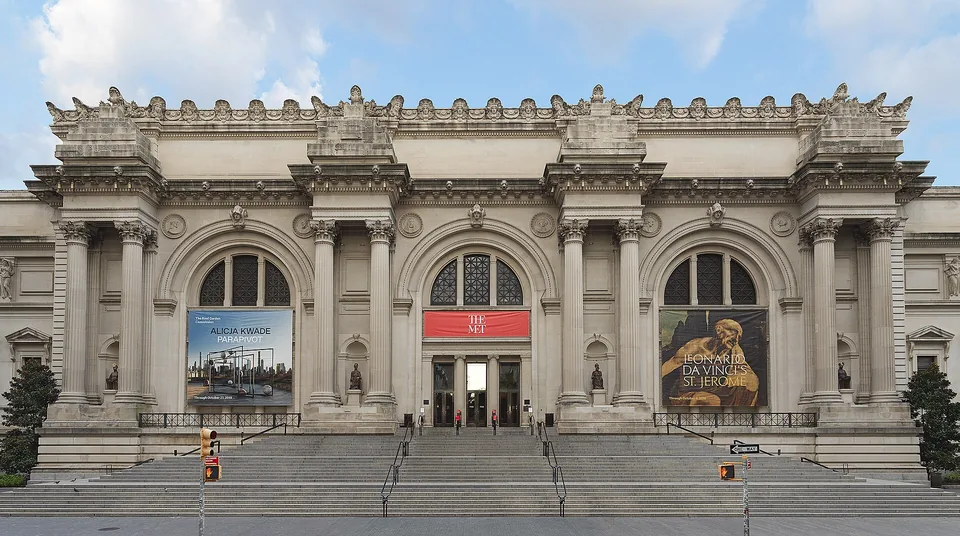
The Met’s Fifth Avenue visitor page currently lists general adult admission at $30 and free entry for children twelve and under. Pay-what-you-wish admission applies to New York State residents and eligible students from New York, New Jersey and Connecticut, with verification rules and a minimum payment. It is not a universal visitor concession. Tickets include exhibitions and same-day entry to both Met locations.
The Fifth Avenue building closes Wednesday and has later hours Friday and Saturday. Some galleries are closed for renovation at this review, so inspect the current closure list before choosing a particular collection as the reason for your visit. A large museum rewards selecting a few galleries and leaving time to look, rather than treating admission as a requirement to finish everything.
At MoMA in Midtown, standard adult admission is also $30, with children sixteen and under free. Its discount and free-entry guidance specifies advance reservations and proof of New York State residency for Friday evenings, 5:30–8:30pm. These conditions differ from the Met's. MoMA PS1 in Queens is a separate destination with its own admission arrangements.
Central Park: choose a circuit, not the whole map
The Central Park Conservancy’s visitor resources provide the park map, restrooms, entrances and alerts. With 843 acres to explore, a defined circuit is more useful than a vague plan to see the park between appointments. Choose an entry, a few places of interest and an exit that connects with your next destination. Bethesda Fountain and the Lake are a workable focus for a first visit.
The park's general opening hours are 6am–1am. Individual facilities and programmed activities follow separate schedules. Leave time for a seat, a snack and an unplanned pause, particularly when travelling with children or someone who needs regular breaks. A park visit can occupy its own morning without requiring a paid activity attached to it.
For residents, test the entrance and route you would actually use for leisure or a regular journey. Check whether the surfaces and distance suit your household. A home described as being near Central Park can have a different relationship to the entrance, playground or path that matters to you than the listing's broad proximity suggests.
The High Line and Chelsea make a compatible day
The High Line visitor page describes a free public park on Manhattan's West Side, with seasonal hours of 7am–10pm April–November and 7am–8pm December–March. Its elevated path, planting and views create a different experience from a street-level walk. Build the outing around a manageable section and a suitable exit rather than adding its entire length automatically to an already busy day.
Read the current elevator status when step-free access matters. The park also has specific rules: bicycles and recreational scooters are prohibited, as are dogs except service dogs. Stay on the permitted paths instead of walking in planting beds or on exposed tracks. These restrictions make the High Line a pedestrian outing rather than a general cycling route through the district.
Chelsea Market’s directory can help you choose food and shopping nearby. Its concourse currently opens 7am–10pm, but that is not a promise that every merchant operates throughout those hours. Identify the counter or shop you want and read its own information. Combining a market meal with the park can reduce unnecessary cross-borough journeys.

Uptown: allow room for Harlem and the Cloisters
The Schomburg Center for Research in Black Culture at 515 Malcolm X Boulevard offers a substantial cultural starting point in Harlem. The New York Public Library describes its focus on African American, African Diasporic and African experiences through research, preservation and exhibitions. Check the current programme and the requirements of any research appointment. Public visitor information and specialist research-division arrangements are different things.
Farther north, the Met Cloisters presents medieval European art, architecture and gardens in Fort Tryon Park. It is a separate journey from the Met's Fifth Avenue building. Shared same-day admission can be useful, but should not pressure you into two rushed museum visits. Choose the collections you want and allow for the transfer between locations.
Access needs require particular care at the Cloisters. The museum describes limited step-free access, cobblestones and stairs, with a shuttle for visitors who need an alternative entrance. Use its specific transport and access instructions, including the appropriate subway-and-bus combination. A map that identifies a nearby station cannot establish an accessible route through every part of the visit.
Accommodation: convenience depends on your programme
Midtown suits visitors prioritising theatre, MoMA and central sights. A downtown address can support historical visits and an early harbour departure. Investigate accommodation near Central Park or farther uptown when a particular institution, appointment or collection dominates the trip. These are itinerary choices rather than claims that one area is always cheaper, quieter or better for every household.
Compare the final room price, cancellation terms, taxes, mandatory charges and the bed arrangement you require. Assess the route from the station and ask about lifts and the actual room category. A larger room farther from your repeated destinations may be less useful than a smaller room with simpler journeys. For a relocation visit, cooking and laundry facilities can change that balance.
Apartment-style short stays need a separate rules check. The city’s registered-host guidance requires hosts to remain in the unit during guests' stays and prohibits renting an entire unit under that registration regime. Do not assume an advertised residential listing is lawful because it appears on a familiar platform. Read the rules applicable to the accommodation type and length of stay before paying.
Airport journeys: select the final Manhattan stop
At JFK, AirTrain information lists $8.75 for a single ride through Jamaica or Howard Beach, with separate onward subway or rail fares. Airport-terminal journeys on AirTrain are free. For one adult paying the regular subway fare, AirTrain plus subway totals $11.75. Group arrangements can differ. Check airport advisories before departure; overnight upgrades and replacement buses can change the journey.
The MTA’s LaGuardia guide distinguishes the M60-SBS from the free Q70 LaGuardia Link. The M60 connects uptown Manhattan with the airport at the regular $3 fare. From Midtown, subway or LIRR connections through Queens can link with the Q70. The Q70 serves Terminals B and C; Terminal A requires the airport shuttle connection. LIRR tickets are separate from subway and bus fares.
For Newark, combine NJ TRANSIT’s airport journey information with current AirTrain arrangements. Choose New York Penn Station for the appropriate Manhattan rail connection, and avoid confusing it with Newark Penn Station. AirTrain construction can bring replacement buses, and Terminal A needs a walk or shuttle from its station. Compare the complete journey to your door, including luggage and any onward transfer.
Subway, buses and the working-week commute
The MTA’s current subway and bus fare page lists $3 for most subway and local-bus riders, with Express buses at $7.25. OMNY payments using the same card or device are capped at $35 over seven days for eligible subway and local-bus rides. A physical card and a phone linked to the same account are not interchangeable payment methods for that calculation.
Eligible transfers within two hours require the same payment method. Subway entry needs a tap, while exit does not. Airport AirTrain, commuter rail and other operators have separate fare arrangements; the local weekly cap is not an all-purpose regional travel pass. Choose payment and tickets according to the complete route.
Use planned service-change information and MTA accessibility information before an important journey. A line's usual map cannot establish its service during maintenance or the condition of a particular lift. For a move, repeat the commute at working hours, including station access and the final walk. Compare that evidence with driving and parking costs before deciding whether a car supports your household's routine.
Food, shopping and costs you can compare
Chelsea Market supplies a useful current directory of food businesses and shops, but it is only one part of Manhattan's choices. Midtown's theatre district offers a different meal context, while neighbourhood shopping can fit naturally around an uptown visit. Read current menus, choose a meal within the day's route and ask the venue directly about ingredients or dietary requirements.
Budget separately for accommodation, airport transport, everyday rides, admissions, performances, meals and optional shopping. All quoted amounts in this guide are US dollars, checked for the October 2026 review. A standard adult Met ticket and two separate subway fares total $36 before meals or other spending. Free park time can balance a paid museum or theatre day without requiring every activity to be a purchase.
Include applicable taxes, service arrangements and gratuities when comparing final costs. For shopping, compare the product, return terms and practicality of carrying it for the rest of the trip. A household considering relocation needs another calculation, adding utilities, insurance, internet, commuting and irregular costs attached to the property and its occupants.
Weather and a realistic four-day introduction
Use the National Weather Service’s New York forecasts and warnings for your dates. Spring and autumn are useful starting points for a walking-heavy visit; summer heat and humidity or winter cold can make indoor alternatives more valuable. These are planning preferences rather than weather promises. Wind and rain can also change the appeal of a harbour trip or skyline viewpoint.
For day one, focus on downtown history, adding the islands only when you have reserved enough time for security, ferries and the museums. Day two can combine Midtown, MoMA and a performance or viewpoint. Day three can pair selected Met galleries with a Central Park circuit. Arrange those days around Wednesday's Met closure and Federal Hall's current operating calendar.
Day four can follow the High Line and Chelsea Market, or substitute Harlem and the Cloisters when those are higher priorities. The alternatives are deliberate: fitting both into the same short day creates more travel and less attention. Treat this sequence as editorial guidance, with time for a slower meal or return visit. A relocation itinerary should add separate weekday appointments and property viewings.

Moving here: inspect the lease as well as the unit
Start a housing search with a complete monthly budget and the journeys you have tested. Inspect heating, cooling, storage, appliances and the arrangements for repairs. Clarify pets, laundry, internet installation, deliveries and recurring charges in writing. A district-wide rental headline cannot establish the cost or condition of the apartment you will occupy.
The HPD Tenant Bill of Rights distinguishes general protections from additional rules for rent-stabilised apartments and homes covered by Good Cause legislation. Establish which rules apply to the unit instead of assuming every Manhattan apartment has identical rent protections. Keep the lease, condition record and correspondence, and use official assistance or qualified advice for an individual dispute.
Read the city’s current FARE Act guidance before paying a broker-related charge. Landlord representatives and listing agents cannot pass their broker fees to prospective tenants under the law; tenants can choose to engage their own broker. Other fees must be disclosed. Ask for the itemised written costs before signing, and retain evidence when a charge appears inconsistent with the official guidance.
Establishing the household
Confirm which utility bills the lease includes and which accounts you must arrange. Con Edison’s service-management page provides start, move and stop options. Save the agreed service dates and verify the details attached to the unit. For a longer stay, ask about laundry, rubbish collection arrangements, repairs and access for installations before assuming the building supplies everything your household needs.
Families should consult NYC Public Schools’ enrolment support and confirm the process for the child's age, address and intended programme. Being near a school does not guarantee admission to a chosen programme. Account for the school journey alongside work, and verify healthcare providers against insurance, availability and individual needs.
The New York Public Library card application is another useful starting point. People who live, work, study or pay property taxes in New York State can qualify for a free card, with verification requirements. Online applications have age and location conditions, and visitors follow different temporary-card arrangements. Check the applicable route instead of treating every library user as having the same eligibility.
Tourism, immigration and other boroughs to consider
Manhattan has no separate immigration permission from the United States. Use the State Department’s visitor-visa guidance for tourism and permitted business visits. Employment, ordinary academic study and permanent relocation require different consideration. A lease, attraction reservation or local job offer does not independently authorise those activities or establish a right to remain.
Eligible travellers should review CBP’s ESTA explanation, while students should combine official student-visa information with their institution's instructions. Work and relocation plans should begin with the visa-category resources relevant to citizenship and circumstances. VisaWand’s USA destination page and consultant directory can support consultation planning; review the particular provider's credentials and scope.
For a broader visit or a housing comparison, read the completed Brooklyn guide and Queens guide alongside the wider NYC guide. They cover distinct boroughs rather than interchangeable extensions of a Manhattan address. The United States country guide adds national context, and the USA city and settlement directory helps you explore the wider inventory. Compare actual journeys and household arrangements wherever you eventually choose to stay.
Official planning resources
Reviewed 13 October 2026. Use the official resources linked throughout this guide for admission, transport, housing and immigration decisions. Prices, services and rules can change; confirm the details relevant to your dates. Photography illustrates the locations and is not a live view.
View all official resources
- NYC311: borough and county identity
- Central Park Conservancy: park history
- Central Park Conservancy: Seneca Village
- NYC Tourism + Conventions: Midtown
- National Park Service: Federal Hall visitor information
- National Park Service: Federal Hall current operating schedule
- National Park Service: Statue of Liberty and Ellis Island planning
- National Park Service: Statue of Liberty ferry fees
- The Metropolitan Museum of Art: Fifth Avenue admission and access
- MoMA: Manhattan admission and visitor information
- MoMA: free admission and eligibility
- Central Park Conservancy: current visitor map, hours and alerts
- Friends of the High Line: visitor info and park rules
- Friends of the High Line: elevator status
- The Met Cloisters: medieval art, routes and access
- New York Public Library: Schomburg Center
- Chelsea Market: merchant directory and events
- Rockefeller Center: Top of the Rock tickets
- TDF: live TKTS theatre tickets
- NYC Office of Special Enforcement: short-stay rules
- JFK Airport: AirTrain fares and airport connections
- MTA: LaGuardia public-transport options
- Newark Airport: AirTrain connections and construction
- NJ TRANSIT: Newark Airport rail journey
- MTA: current subway and bus fares
- MTA: planned service changes
- MTA: accessible transit and elevator information
- NYC HPD: Tenant Bill of Rights
- NYC DCWP: FARE Act and broker fees
- Con Edison: start, move or stop service
- NYC Public Schools: enrolment support and Family Welcome Centers
- New York Public Library: library card applications
- National Weather Service: New York forecasts and warnings
- US State Department: visitor visas and permitted activities
- CBP: ESTA explanation
- US State Department: student visas
- US State Department: visa categories
Plan the next part of your journey
Explore the United States guide, browse other cities or compare consultants for your travel and relocation questions.