Visa

Staten Island beyond the ferry crossing
Staten Island makes more sense when you plan it as a borough with its own destinations, rather than a brief turnaround at the ferry terminal. The harbour crossing is a memorable introduction, but gardens, historic buildings, waterfront viewpoints and neighbourhood food give you reasons to stay ashore.
It is part of New York City, with citywide housing rules, public schools and services. Its transport geography, however, produces different practical choices from those in Manhattan. A home near the ferry, an address near the railway and a hotel requiring a bus or car journey can deliver very different experiences. Judge the complete journey to work or sightseeing, not just the time aboard a boat.
Use VisaWand's New York City guide for the wider trip and this guide to decide which Staten Island experiences fit your time. For relocation, start with your workplace and household routines.
History: a borough shaped by the harbour
The city's record of important New York dates places Staten Island within the 1898 consolidation that created the modern city. Its local history also reaches far beyond that administrative change. At Historic Richmond Town, guided interpretation covers early colonial life, divided Revolutionary loyalties, slavery and emancipation.
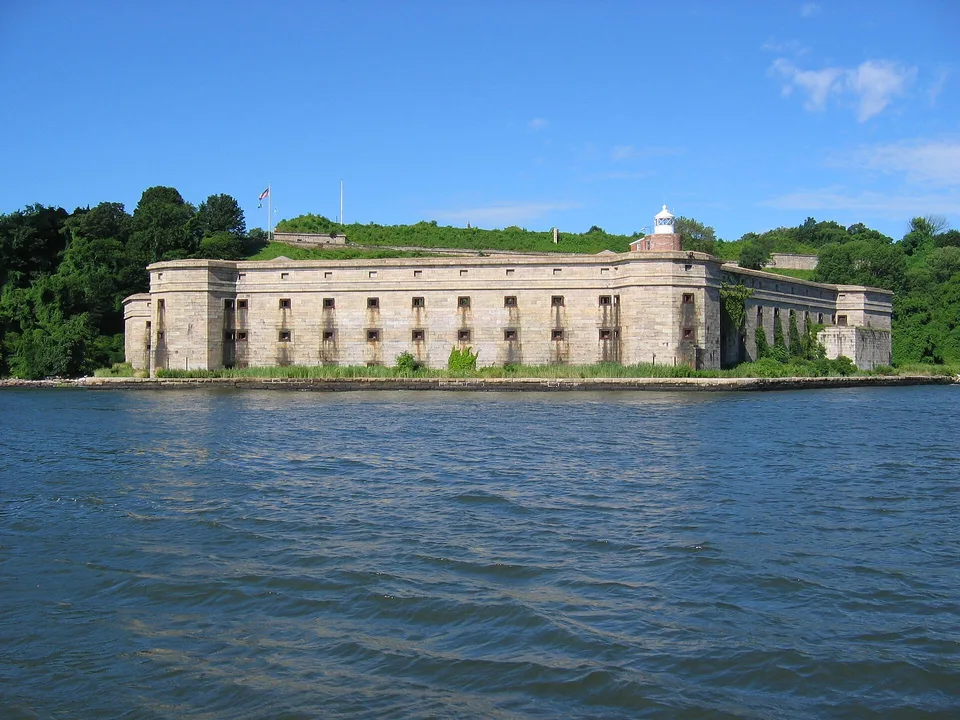
The harbour connects several strands of that history. Fort Wadsworth guarded the Narrows, while Snug Harbor developed as a home for retired sailors. Today, their buildings and landscapes serve cultural and visitor purposes, but access varies by institution and programme.
Sandy Ground, in Rossville, is another significant part of the borough's story. The city's account of the community's history recognises its free Black settlement and links to the oyster trade. Read that history before seeking a visit, then confirm any current museum or programme arrangements directly.
Choose a base by neighbourhood and journey
St George is the starting point for the free ferry and a useful orientation area for a first visit. If frequent trips to Lower Manhattan matter, compare the actual walk to the terminal, including gradients, crossings and luggage.
Tompkinsville offers a different reason to explore the North Shore: NYC Tourism identifies it as New York City's Little Sri Lanka. It can provide a food-focused addition to a visit around St George, with time to investigate current businesses rather than rushing directly back to Manhattan. Check the distance and route to a particular restaurant instead of assuming every neighbourhood destination is beside the landing.
For Snug Harbor, look specifically at transport along the North Shore. For historic Richmond Town or a southern address, evaluate the relevant bus or railway connection and the final stretch to your destination. The borough should not be treated as one compact walking district. Two properties with similar prices may have very different value once travel time enters the comparison.
Before choosing, map three ordinary journeys: your principal destination, groceries and an evening return. Prospective residents should add school or childcare needs. Test the routes at realistic times, including weekends.
The free Staten Island Ferry: know the correct service
The NYC Department of Transportation's Staten Island Ferry runs between St George and Whitehall in Lower Manhattan. It operates daily throughout the year, and the crossing takes approximately twenty-five minutes in either direction. The fare is free. Consult the actual timetable and service notices before travelling; holiday and weekday patterns differ.
The passenger information page identifies St George at 1 Bay Street and Whitehall at 4 South Street. This is passenger transport: the boats do not carry cars. The route is not a ticket to disembark at the Statue of Liberty. Choose a separate official attraction visit if landing on Liberty Island is part of your plans.
Treat the crossing as one component of a journey. Allow time to reach the terminal, board, leave the boat and make your onward connection. Avoid timing a flight or paid tour around an assumption that you will catch a boat immediately upon arrival.
DOT's bicycle rules require cyclists to board on the lower level, dismount while approaching and boarding, and use designated storage. Bikes travel without charge, but that does not make every onward bus suitable for them. Check the transport rules for the complete outing before using a bicycle as your connection between distant attractions.
NYC Ferry is a separate paid option
The NYC Ferry St George route belongs to a different system from the free DOT crossing. Consult its own landing locations and schedule when considering connections to other waterfront destinations. Tickets and transfers within that operator should not be confused with MTA fares or the free Staten Island Ferry.
There is an imminent price change at this guide's October 2026 review. NYCEDC's official notice states that the regular one-way NYC Ferry fare increases from $4.50 to $5 on October 19, 2026. The ten-trip product rises from $29 to $30, while the two-day unlimited ticket remains $15. Use the fare applicable to your travel date, not an older tourism leaflet.
A paid boat connection can still be worthwhile when its destination fits your plans. Compare where you land and the onward walk, rather than choosing solely because it travels by water.
Snug Harbor: free grounds, separately scheduled attractions
Snug Harbor Cultural Center and Botanical Garden combines historic architecture, gardens and cultural institutions. Its general outdoor grounds are free and open daily from dawn to dusk, with shorter daylight affecting autumn and winter access. Individual museums, exhibitions and enclosed gardens have their own admission and schedules.
Current visitor notices anticipate partial Chapel Road closures from 7am–3:30pm on weekdays, continuing through mid-2027. Check the latest access information, especially if your party needs a particular accessible entrance or has limited time between buses. Allow a comfortable margin for finding the institution you intend to visit within the campus.
The Chinese Scholar's Garden has specific autumn hours: Saturdays and Sundays, 11am–4pm, from October 4 through December 6, 2026, with last entry at 3:30pm. Its notice lists an early 2pm closure on October 17. Adult admission is $5; seniors aged 65 and above and students pay $4, while children five and under are free. Other closure exceptions can apply.
Plan a weekend if this garden is central to your visit. On another day, choose an institution whose current hours match your arrival rather than assuming access will be available because you can walk the grounds.

Staten Island Museum: art, natural science and history
The Staten Island Museum occupies Building A at 1000 Richmond Terrace on the Snug Harbor campus. Its range across art, natural science and history offers a useful introduction to the borough. Regular hours are Wednesday–Sunday, 11am–5pm; last entry is 4:45pm, and re-entry is not permitted. Listed holiday closures also apply.
The museum describes admission as suggested: $8 for adults, $5 for students and seniors, and $2 for children aged two to twelve. Preserve that distinction when comparing prices. A suggested contribution is not the same wording as a mandatory ticket charge. Check the current visitor page for other eligibility-based free admission arrangements.
A $20 Discovery Pass is advertised for several participating Snug Harbor institutions, including the Chinese Scholar's Garden. Compare each attraction's hours before purchasing: a combined product does not make every participant open on your chosen weekday. Consider how much time your party realistically wants to spend indoors, and whether separate admissions better suit a shorter visit.
Historic Richmond Town: choose the right site and programme
Historic Richmond Town brings together a living history village, historical museum and arboretum. The main visitor address is 441 Clarke Avenue. For September–December, its published regular hours are Wednesday–Sunday, 11am–4pm, with exceptions for holidays and special events. General admission includes a guided tour and museum access; December uses holiday house tours in place of the standard offerings.
Select a tour that fits the history you want to explore, then leave enough time to arrive before it starts. Do not expect every building interior to be open all day. The operator's visitor FAQ explains that interior access varies, and that accessibility differs among historic structures. Discuss specific mobility needs before choosing a programme.
Thursday free admission hours are advertised from 2–4pm during May–December, with tickets required and group reservations excluded. For a paid visit, consult the official booking options for your date; the general visitor page did not provide a clearly verifiable current price during research. Special events can replace normal programming and have different admission arrangements.
Decker Farm is a separate seasonal destination at 435 Richmond Hill Road, with October weekend hours of noon–5pm. It is not included in a general village ticket. Keep the addresses and products distinct when planning transport or a family outing.

Alice Austen House and Fort Wadsworth
The Alice Austen House at 2 Hylan Boulevard offers another focused cultural visit. Its current schedule is Wednesday–Friday, noon–5pm, and Saturday, 11am–5pm; Sunday–Tuesday is closed. Admission is a suggested $5. The operator lists Thanksgiving and winter breaks, so confirm dates rather than treating the weekly schedule as a guarantee across holidays.
Parking at the house is extremely limited. Its visitor page notes that the four on-site spaces are frequently reserved and recommends street parking. Build your arrival around a realistic transport plan rather than assuming a dedicated visitor space will be waiting.
At Fort Wadsworth, the National Park Service provides harbour views, walking opportunities and interpretation of New York's coastal defences. Grounds are open daily, 6am–9pm, while the visitor centre's schedule is Friday–Monday, 10am–4pm. Some buildings are available only for special programmes. Check the NPS calendar before promising children an interior tour.
The park identifies the S51 bus as a connection from the ferry terminal, while warning that routing varies among buses. Check the destination display and current journey information. Open grounds, an open visitor centre and access inside a fortification are three different things; choose the outing you can actually make.
Airports: compare the full arrival, including changes
JFK, LaGuardia and Newark can all be considered for a wider New York trip, but none should be treated as a terminal beside your Staten Island accommodation. Compare the full onward journey, luggage handling and arrival hour before choosing a cheaper flight. A late landing can change which connections are practical.
JFK AirTrain connects airport terminals with Jamaica and Howard Beach for onward transport. The current fare at those public transport connections is $8.75, separate from the onward subway or rail fare. The airport also lists overnight system disruptions for October 13–15, 2026, from 10pm–6am, with free replacement shuttle buses. Recheck its alerts close to departure.
LaGuardia's free Q70 service connects Terminals B and C to subway hubs in Queens. It is a first leg of a longer journey, not a direct Staten Island service. For Newark, use the airport's transport directory to compare rail, authorised road transport and pickup arrangements.
An active Newark AirTrain notice runs through November 13, 2026: on weekdays, 5am–3pm, the Airport Train Station connection uses replacement buses. The airport advises an extra ten to fifteen minutes. Confirm the direction-specific instructions, then add the remaining journey to your actual address.
Local buses, railway and payment
Use MTA's current maps to compare local buses, express buses and the Staten Island Railway. NYC311 confirms a $3 standard railway fare and OMNY availability. The railway is a borough transport option; do not plan around an assumed through-train into Manhattan. Check service changes and the exact stations relevant to your journey.
Current MTA fare guidance sets most subway and local bus rides at $3 and express buses at $7.25. These differences matter for repeated commuting. A more direct express journey may have a higher daily cost than a local connection and ferry, while saving time. Compare both against your actual workplace rather than applying a single borough-wide commute estimate.
Tap-and-ride rules cap subway and local bus spending at $35 in a rolling seven-day period, or $67 when express bus rides are included. Use the same card or device consistently; switching between a physical card and a phone can separate the accumulated spending. Each traveller should have a suitable payment method rather than expecting group taps to earn individual caps.
Check current payment instructions before travel. MetroCard sales and refills ended at the start of 2026, although remaining balances have transitional acceptance. New visitors should prepare a supported contactless method or OMNY card and confirm how to reload it.
Food, shopping and a grounded budget
Tompkinsville's Sri Lankan identity provides a useful direction for food exploration. Consult the tourism district information, then check a business's own menu, opening hours and reservation requirements. Choose based on dishes, dietary needs and the journey you can make.
For shopping, distinguish a leisure stop from household provision. Someone moving here should locate supermarkets, pharmacies and everyday supplies near the prospective home, then test how to carry purchases back.
Build the visitor budget from verifiable components. The DOT ferry costs nothing, while local bus travel and attraction admissions add separately. For example, two standard local bus rides plus a $5 adult Chinese Scholar's Garden ticket total $11 before meals or other expenses. That is a simple planning example, not a claim about everyone's daily cost.
Accommodation, taxis and performance tickets can vary substantially by date. Compare the final price including mandatory charges, and allocate your preferred dining and tipping amounts explicitly.
Weather and the calendar: allow an indoor alternative
Season and daylight affect a Staten Island visit directly. Snug Harbor's shorter autumn and winter gate hours and its garden's limited fall schedule are practical reasons to organise the day around opening times. Cooler shoulder-season days can suit walking, but a date on the calendar cannot guarantee comfortable weather.
Winter can bring cold, snow or disruptive coastal storms; summer plans need flexibility for heat and thunderstorms. Follow the National Weather Service's New York information for current conditions, and take coastal winter storm warnings seriously when planning ferry connections or exposed waterfront time. Historical storm records provide context rather than a forecast for your visit.
Keep an indoor museum or a shorter outing available as an alternative. Wear layers for the harbour and check the return connection before setting out. Prospective residents should assess heating, cooling and the property's flood exposure across a full year.
A realistic three-day plan
Day one: arrive at St George, orient yourself around the terminal and leave time for a meal in Tompkinsville. Add an attraction only when its current programme fits. Leave the return crossing flexible rather than tying it to a narrow dinner reservation in Manhattan.
Day two: make Snug Harbor the main destination. Choose the museum, gardens or both according to your interests and their actual hours. If visiting the Chinese Scholar's Garden in autumn 2026, plan for a weekend and check exceptions. Allow time between institutions; a combined pass is worthwhile only if you want to visit its participating attractions.
Day three: choose Historic Richmond Town for a history-focused day, or combine Alice Austen House with Fort Wadsworth when their schedules align. Avoid automatically adding all three. Prospective residents can use this day instead for a commute test, property visit and ordinary shopping. Keep airport departure time separate from sightseeing ambitions, particularly during the verified airport transport works.
Moving here: housing, flood exposure and daily travel
Compare housing offers for the particular household and address you need. Ask what is included in rent, which utilities you must arrange, how repairs are handled and what additional charges apply. A larger space can be attractive, but the benefit must be weighed against commuting, parking and daily transport costs.
Use the city's flood-map resources to investigate the actual property. Flood exposure is not uniform across the borough or a neighbourhood. Ask about the position of living space, previous water problems and relevant insurance questions before signing. For a purchase, obtain appropriate professional advice; a general destination article cannot determine a property's individual risk.
NYC Housing Connect provides official affordable rental and homeownership opportunities, with eligibility based on household income and size. Applications are free, selection is not guaranteed, and processing can take months. Treat it as an application route rather than immediate accommodation for arrival. The city housing portal also points to tenant and maintenance resources.
Test the commute door to door, including waits and transfers. Discuss shift patterns with your employer and check evening returns. Include healthcare access, laundry and childcare in the same assessment.
Accommodation rules and essential services
For a short stay, compare established accommodation with the full cost of reaching your destinations. Verify any shuttle directly and ask about late check-in. Residential rentals require particular care: New York City's official short-term rental rules prohibit renting an entire apartment or home to visitors for fewer than thirty days. Legal hosted arrangements have registration and occupancy requirements, including the host's presence and a limit on paying guests.
For a move, confirm utility responsibilities with the landlord. The city's provider information identifies Con Edison for electricity and National Grid for gas in Staten Island; verify service and account requirements at the address. Arrange internet, heating and necessary household supplies before relying on the property as a working home.
Families should use NYC Public Schools' enrolment help and the city's school district guidance to investigate the address and application process. Check records, support needs and start dates directly. School eligibility, a lease and utility accounts are separate matters, so leave time to resolve each rather than assuming one document completes the entire move.
Immigration and wider New York alternatives
Staten Island has no separate visa. The federal visitor visa guidance distinguishes temporary tourism from employment, study and permanent residence. A visitor visa does not authorise ordinary employment. Eligible travellers may use the Visa Waiver Program for qualifying visits of ninety days or less, subject to its full requirements. Check the route that applies to your circumstances before booking.
For employment, use the official work visa categories; for education, consult the study and exchange resources and the institution's admissions team. A lease, property purchase or promising job discussion does not itself establish immigration permission. Consider accompanying family members and the intended duration as part of the same decision.
VisaWand's USA country guide, USA destination page and consultant listings provide further planning starting points. Compare credentials and the written scope of advice. For other New York bases, consult the Manhattan guide and Brooklyn guide, weighing access to your actual destinations. The USA location directory helps locate additional pages; it should not be mistaken for a completed guide to every listed place.
Keep a compact bookmark list: DOT's ferry timetable, MTA payment and maps, each attraction's visitor page, airport advisories, and city housing and flood resources. Recheck the items relevant to your dates, especially NYC Ferry's October fare change, garden closures and airport replacement transport.
Official planning resources
Reviewed 13 October 2026. Use the official resources linked throughout this guide for admission, transport, housing and immigration decisions. Prices, services and rules can change; confirm the details relevant to your dates. Photography illustrates the locations and is not a live view.
View all official resources
- DOT free ferry timetable
- DOT ferry passenger rules
- Bicycle boarding rules
- MTA current local and express fares
- MTA rolling fare caps and contactless payment
- MTA current network maps
- NYC Ferry St George route
- NYC Ferry October 19, 2026 fare change
- Snug Harbor public grounds and access notices
- Chinese Scholar’s Garden autumn 2026 hours and admission
- Staten Island Museum suggested admission and hours
- Historic Richmond Town seasonal visitor information
- Historic Richmond Town access and site FAQ
- Alice Austen House visitor information
- NPS Fort Wadsworth visitor information
- NYC property flood-map resources
- Official affordable housing application portal
- NYC tenant and housing resources
- City residential short-stay rental rules
- City short-stay host FAQ
- JFK AirTrain fares and current disruptions
- Newark Airport transport choices
- Newark Airport active rail replacement notice
- LaGuardia Q70 and public transport
- Official electricity and gas provider information
- NYC311 gas service information
- School district lookup information
- Public school enrolment assistance
- NYC consolidation dates
- Sandy Ground community history
- Tompkinsville official visitor information
- NWS New York forecasts and weather warnings
- NWS coastal winter storm information
- NYC311 railway fare and contactless payment
- Official US visitor visa guidance
- Official employment visa categories
- Official study and exchange visa resources
Plan the next part of your journey
Explore the United States guide, browse other cities or compare consultants for your travel and relocation questions.