Visa
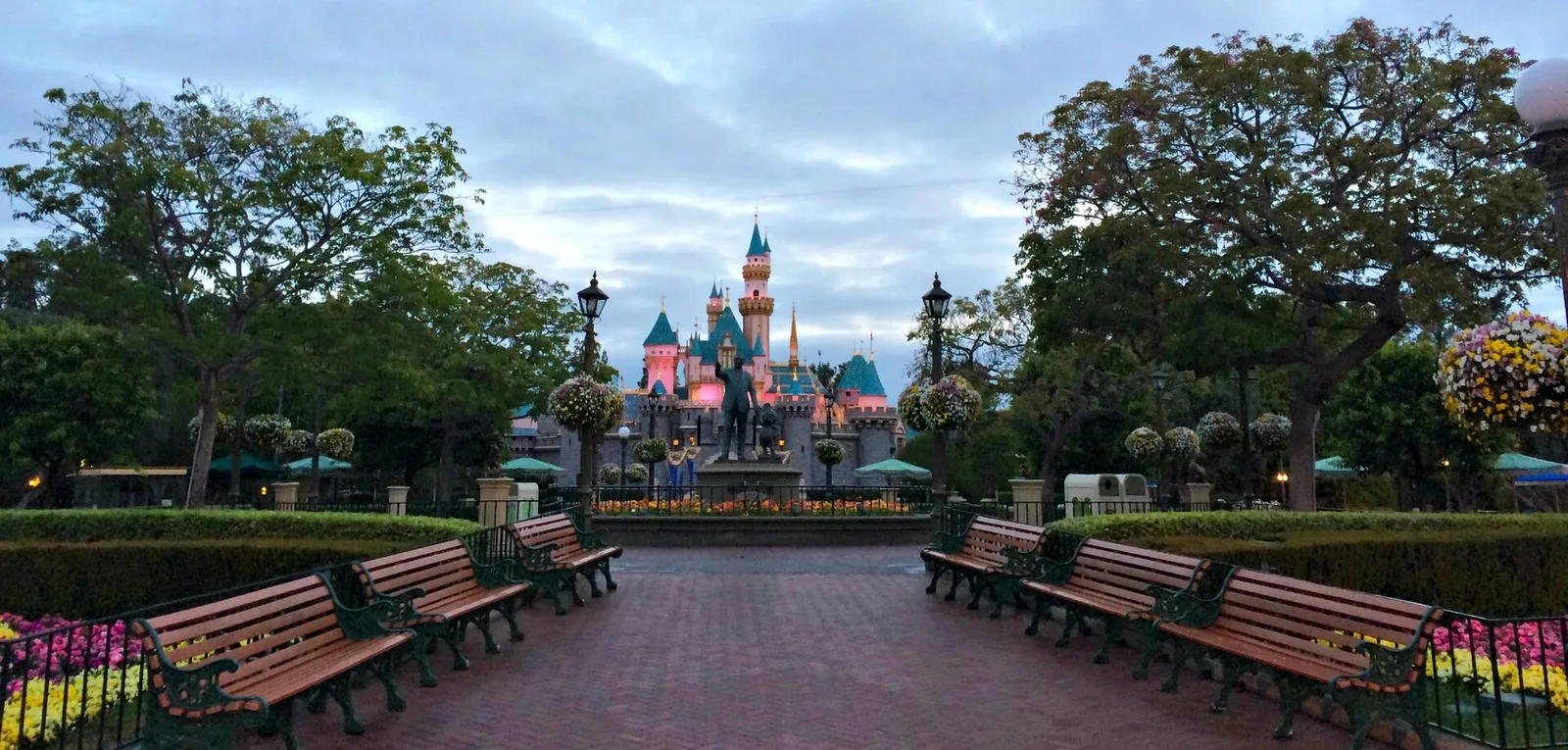
Anaheim begins with the reason for your stay
Anaheim is an inland Orange County city where a visit can revolve around theme parks, a conference, a sporting event or a much quieter exploration of local history. Those are different trips. A family planning two Disney days needs a different base and pace from someone attending meetings or considering a permanent move. Start with the official visitor planning information, then build the practical details around your own purpose.
The city's name also covers places beyond the resort district. Downtown, the event venues around the Platinum Triangle and the eastern hills should not be treated as one compact walking area. Nearby Garden Grove, Orange and Buena Park are separate cities, even when accommodation advertisements group them with Anaheim. Check the street address, entrance and return journey before choosing a place to stay. For relocation, replace the attraction map with a map of work, schools and essential errands.
Vineyard roots and a surviving historic district
The city's Anaheim Colony introduction traces the original colony to 1857 and identifies its boundaries as North, South, East and West Streets. The historic district was formally adopted in October 1997. That gives downtown a history that predates the theme-park landscape most visitors recognise. Its surviving buildings make sense when approached as evidence of a working agricultural settlement, rather than as decoration around a modern entertainment destination.
Founders' Park's historical account connects the vineyard era with the later citrus economy. The Mother Colony House dates from 1857; the Woelke-Stoffel House represents the citrus period. These places can add a useful historical counterpoint to a resort holiday. Allow time to read the interpretation, and remember that a residential historic district still contains people's homes. Look from public routes, respect private gardens and entrances, and distinguish a scheduled museum visit from an informal neighbourhood walk.
Choose between the resort, downtown and the eastern hills
The Anaheim Resort suits a stay centred on Disneyland or the convention centre, provided the accommodation's actual access matches your plans. A hotel described as nearby can still involve a substantial walk from its room, across its grounds and through the appropriate entrance. Compare routes after a full day on your feet, especially when children, mobility needs or late finishes are involved.
Downtown provides a different combination of the Packing District, heritage interests and Muzeo. The city's Platinum Triangle planning document identifies an area associated with major venues, housing and transport connections. A planning document describes both established places and ambitions: it should not be read as proof that every proposed improvement is complete. Farther east, Anaheim Hills includes Oak Canyon Nature Center and residential areas with their own commuting considerations. Inspect the specific address before deciding that any broad district label guarantees walkability, quiet or convenience.
Disneyland: tickets and reservations are separate checks
The operator's current reservation instructions require guests aged three and older to have valid admission and a reservation for the same park and date, for each day of entry. Check availability before committing to an itinerary built around a particular day. A hotel reservation alone does not establish that the required park reservation has been made. Keep the booking confirmation and the admission used to make it together.
Decide whether your priorities justify one park, separate park days or admission with Park Hopper benefits. The latter has its own conditions and does not promise unrestricted access regardless of capacity. Use the current calendar and booking process for prices, operating hours and the experiences available on your dates. Avoid budgeting from an expired seasonal promotion or a lowest advertised price that does not apply to your chosen ticket. Compare the complete purchase, including optional additions, before paying; a long list of upgrades is not automatically the best match for your group.
Plan the physical demands of a park day
A theme-park visit involves walking, standing and coordinating a group as much as choosing attractions. Build in meals, water, a meeting point and breaks that reflect the ages and capabilities of the people travelling. Check the current attraction information when a particular ride is essential to the trip. No itinerary can promise every attraction will operate or that a certain number of rides can be completed.
The Disneyland Resort rules prohibit wagons, including stroller wagons, and limit stroller dimensions. Measure your own equipment against the published requirements rather than discovering a problem at screening. For disability-related planning, read the operator's attraction-queue accessibility information and discuss individual needs with its accessibility team. Available arrangements depend on the circumstances; do not assume that a wheelchair automatically provides a particular queue accommodation. Plan how everyone will get back to the hotel at the end of the day, when an outward walk that felt easy may feel quite different.
Downtown food halls and streets worth exploring
The Packing District's visitor information explains that the Packing House occupies a former 1919 orange-packaging facility converted into a two-storey food hall. Its address is 440 South Anaheim Boulevard. The wider district includes MAKE, Farmers Park and the Packard Building. This is a practical place to compare different dining options without pretending that every merchant offers the same hours, prices or booking arrangements.
Check individual businesses before travelling for a specific dish or dietary requirement. The operator closes the district on Thanksgiving and Christmas Day, and provides a parking map with self-parking options and street restrictions. A food-hall visit can fit after a downtown museum outing or serve as an evening in its own right. Leave time to browse and choose, rather than fitting a meal into an unrealistic gap between timed attractions. Carry shopping you can comfortably manage, and ask before photographing staff or other diners.
Muzeo makes a manageable museum visit
The Muzeo visitor page lists opening Wednesday–Sunday, 11am–5pm, with the last ticket sold at 4pm. General admission for ages fourteen and over is $10; children aged four–thirteen pay $7, and children aged three and under enter free. Resident and senior rates have separate eligibility. Admission covers the Main and Historic Carnegie galleries, so check the current exhibitions before deciding how much time to allow.
The museum is at 241 South Anaheim Boulevard. Its rules exclude large items, including backpacks and strollers, from galleries, and it has no bag-check service. Arrange belongings before arriving. Parking validation is available for Car Parks 3 and 5; retain the original parking ticket and check the museum's directions for the appropriate structures. Families should consider gallery access and equipment together, while visitors needing a quieter viewing arrangement can contact the museum about its scheduled provision. Holiday closures can alter the usual weekly pattern.
Founders' Park needs its own opening check
Founders' Park at 400 North West Street brings the Mother Colony and Woelke-Stoffel houses into one heritage setting. The city's page normally lists open-house tours on the first Saturday of the month, 9am–noon, with exceptions. Confirm the next date directly before planning a visit around an interior tour. The published schedule is much narrower than a daily attraction opening, and an old seasonal-event announcement should not be mistaken for this year's calendar.
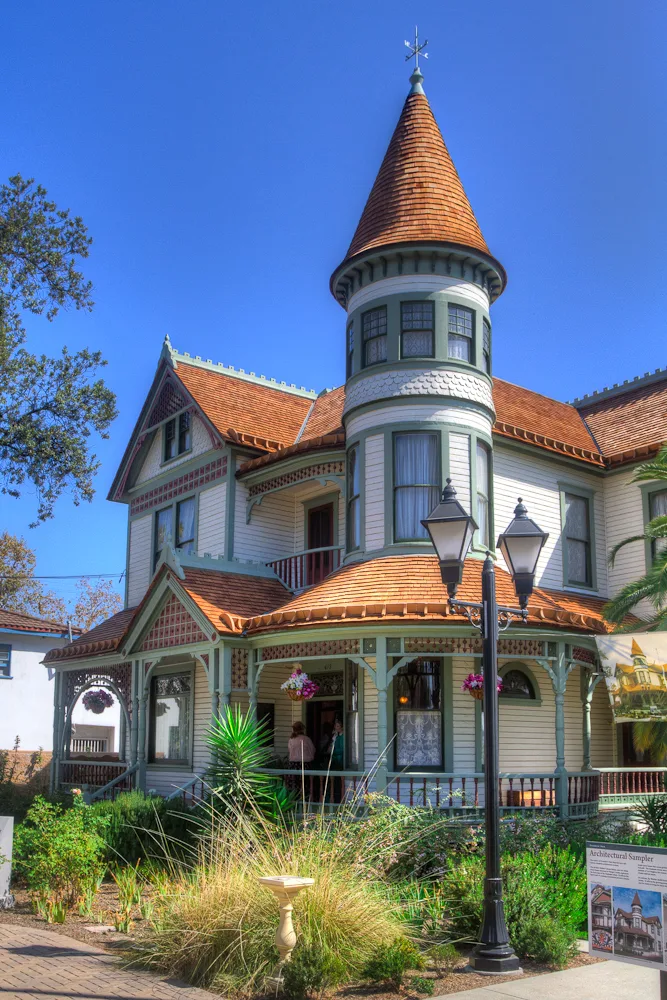
The site's landscape and interpretation help connect domestic life with agriculture. A visit can be worthwhile for someone interested in Anaheim before its resort development, but it is best given a distinct slot rather than appended to a crowded park day. If your dates do not match a tour, use the city's heritage information to decide what can reasonably be seen. The photograph here is dated September 2014 and illustrates the house's architecture, rather than certifying its present condition or public access.
Honda Center events require current arrival planning
Honda Center's current visitor instructions warn that OCVIBE development is changing parking and traffic arrangements. Douglass Road between Katella Avenue and Stanley Cup Way is permanently closed. General parking in the onsite lots and the Katella and Cerritos garages is included for ticket holders under the published arrangements, with no separate parking pass required. Confirm the instructions for your event rather than following an old map.
Bag rules differ between Ducks games and other events; clear material alone does not make a bag acceptable. Medical and diaper bags have separate screening provisions, and the venue has no bag check. Tickets are digital, and screenshots of mobile QR codes are not accepted. Prepare the actual ticket and a working phone before leaving. Angel Stadium's official guide covers admission, bags and parking. Check its event information separately. Give an evening event room in the itinerary, including the journey home, rather than assuming it can follow any daytime excursion without adjustment.
Oak Canyon offers a different kind of outing
The city's Oak Canyon facility introduction describes a 58-acre natural park in Anaheim Hills with a four-mile trail network. That is the network's total length, not a requirement to walk every route. Choose an outing suited to your group and the conditions. A short nature visit can balance an entertainment-heavy stay, provided you allow for the journey to eastern Anaheim.
The dedicated visitor information lists grounds and trails open from sunrise to sunset, while parking gates and restrooms lock at 5pm. Entry and parking have no required fee; a donation is optional. Stay on marked trails and out of the stream. Pets are prohibited apart from service animals, as are bicycles and flames. The city also publishes photography-permit requirements. Its pages differ on weekday interpretive-centre opening, so contact the centre if that indoor visit matters. Take water, check current notices and avoid treating a sunset closing time as permission to leave a vehicle behind a locked gate.
Airport choices depend on the complete journey
John Wayne Airport, Long Beach Airport, Los Angeles International Airport and Ontario International Airport are regional options identified by the visitor bureau. Compare available flights with the ground journey to your actual hotel, including luggage, arrival time and the number of people travelling. A cheaper flight can become a different proposition after transfers and extra waiting are included. Obtain a current quote for a taxi, shuttle or ride-app journey rather than relying on an undated fixed transfer estimate.
The John Wayne Airport bus information identifies OC Bus Route 76 at Terminal A Pillar 2 on the arrivals level, with weekday service. This is not a direct Anaheim resort shuttle. The nearest rail stations are away from the terminal, requiring another connection. Plan the whole route and its operating days before selecting public transport. For a late arrival or a group carrying bulky luggage, compare the practical alternatives as well as the headline fare.
ARTIC and regional rail: check the last connection
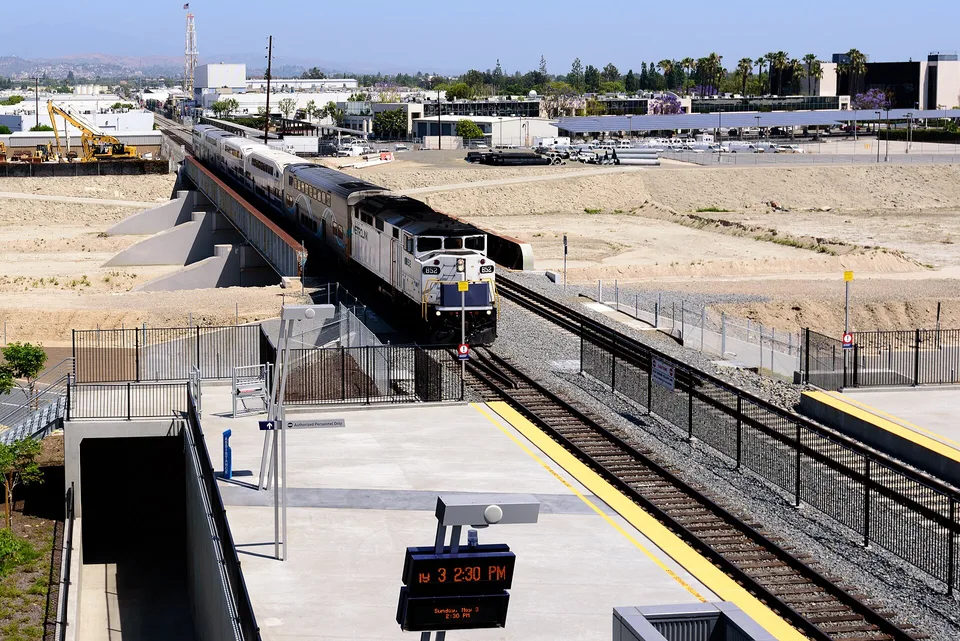
The Metrolink Anaheim–ARTIC station page identifies the station at 2626 East Katella Avenue on the Orange County Line. It lists complimentary station parking, with separate conditions for overnight use. ARTIC provides a useful regional arrival point, but reaching a particular hotel or downtown appointment still requires the final connection. Look up the outward and return services together, especially for an evening event.
From LAX, the official FlyAway Union Station information describes a bus connection to Los Angeles Union Station, where regional rail can form another leg toward Anaheim. This is a multi-stage journey with separate timing and fares, rather than a direct airport train to the resort. Check the train you can realistically reach after landing and baggage collection. Leave room for delays and consider a different transfer if the final service would be too tight. A regional rail ticket should be chosen for the actual operator and journey, not assumed to work on every connecting service.
Local buses after the ART closure
The former ART operator confirms that all its transit services ended on March 31, 2026. Do not build a current itinerary around an old ART route map. If a hotel advertises a shuttle, ask who operates it now, its stops, hours, capacity and any charge. A historic transport partnership is not evidence of a present service.
OCTA's resort-area transport information identifies OC Bus corridors including Route 43 on Harbor Boulevard and Route 50 on Katella Avenue. Use current timetables and stop locations for your exact journey. The current adult fare table lists $2 for a regular single trip. Wave provides two-hour transfers, a $4.50 daily cap and a $69 calendar-month cap. Contactless payment has a $5 daily cap and no monthly cap; cash has neither transfers nor capping. Follow the payment instructions consistently: a physical bank card and its phone-wallet version count as different payment methods. Youth free travel requires the appropriate registration.
Eating and shopping beyond the resort
The city's Little Arabia account places the district on Brookhurst Street in west Anaheim, roughly between Lincoln Avenue and Ball Road. It describes a concentration of Middle Eastern and North African businesses, with formal city recognition in 2022. This offers another area to explore for meals and shopping, alongside the downtown food hall and the options around your accommodation.
Choose businesses from current menus and operating information, rather than an invented shortlist of local favourites. Ask specific questions about ingredients when dietary needs matter. Decide whether you want a booked sit-down meal, a quicker stop or grocery shopping, then plan transport accordingly. For a household move, establish where you will buy regular staples and how you will carry them home. A souvenir-shopping budget and a weekly grocery budget serve different purposes. Compare total bills with drinks, taxes and gratuities included, and check whether cooking facilities actually make a longer stay more economical.
Accommodation and a budget you can test
Compare properties by the entrance you will use, room configuration, cancellation terms and complete price. Parking, mandatory charges and optional services can change the calculation. Ask about beds, laundry, cooking facilities and accessibility in the specific room category. A convention visit may make proximity to your meeting entrance more useful than a theme-park view. For a family, practical space and a manageable return journey may matter more than a promotional district label.
For a vacation rental, consult the city's short-term rental programme before booking. Anaheim permits certain existing rentals under regulation while prohibiting entirely new ones. A listing on a booking platform does not establish legal status. Muzeo's $10 general admission and OC Bus's $2 regular fare provide verified October 2026 budget anchors; theme parks, accommodation and meals need date-specific quotes. Calculate for your actual party and priorities, including airport transfers and a changed plan. Avoid a fictional daily average that conceals the large difference between a museum afternoon and a theme-park day.
Weather and a realistic four-day sequence
The visitor bureau's weather overview describes warmer summers and milder winters, with little summer rain. Treat that as seasonal context, not a forecast or a guarantee of short queues. Check the conditions for your dates, plan water and sun protection, and bring layers for changes across a long day. Attraction calendars, holidays and large events may influence availability as much as the season.
This editorial itinerary leaves arrival day for settling in and a nearby meal. On day two, give your chosen Disney park the main slot and preserve breaks. Day three can combine Muzeo with the Packing District, provided the museum is open. On day four, choose another reserved park day, an appropriately scheduled heritage visit or Oak Canyon. An evening event is an alternative commitment with its own transfer, not an automatic addition to all three. A longer stay can spread these interests out. Keep departure day light enough to reach the airport without depending on a perfectly timed final attraction.
Moving: inspect the home and the commute together
Compare current written rental offers for the size and area you need. Include utilities, internet, parking, laundry and compulsory building charges. Ask who pays each bill and how shared services are allocated. Inspect windows, cooling, appliances and signs of dampness, and obtain clear maintenance contact arrangements. Establish parking rights rather than assuming a space outside the building is included.
Request a written breakdown of move-in costs and recurring charges, then compare it with your income and other obligations. If you work from home, confirm internet availability at the unit and test the space you would use for calls. Visit at different times to assess the noise you can actually hear, rather than relying on a photograph. Ask whether deliveries, guest parking or moving vehicles need advance arrangements. Keep copies of the listing, agreed terms and condition record together so that the home you accept matches what was offered.
The California Attorney General's deposit guidance explains the usual one-month limit introduced in 2024, with a defined exception for qualifying small landlords and additional protections for service members. The courts' deposit guide describes return and itemisation requirements after move-out. Read the conditions and keep dated photographs and receipts. Test the actual commute at the hours you will travel, including the return leg. A resort holiday tells you little about a routine involving an eastern-hills home, a different workplace and school collection. Compare transit and driving using those addresses, rather than assuming one transport choice suits the whole city.

Set up services, schools and household routines
Anaheim's utility service instructions cover municipal water and power applications. Prepare proof of tenancy or ownership and the identification requested. The city explains that a deposit is required when a valid Social Security number is not provided; ask the utility about your circumstances instead of assuming a new arrival cannot open an account. Confirm timing and responsibilities with the landlord. The city's waste and recycling resources provide collection information for another part of the move-in checklist.
Use the city's education links to identify the relevant school district, then verify placement using the actual home address. Several districts serve Anaheim; the city name alone does not settle enrollment. Arrange health coverage using Covered California's eligibility and life-change information where applicable. For eastern Anaheim, the Know Your Way resources explain household evacuation planning and neighbourhood routes. Include pets, children and relatives needing help, and follow current official instructions during an emergency.
Immigration and places to consider nearby
VisaWand's USA country guide supplies broader context. Federal visitor-visa guidance distinguishes tourism and permitted temporary business visits from employment, degree study and permanent residence. Eligible Visa Waiver Program travellers must satisfy its ESTA and stay conditions. Study requires the appropriate student pathway, work an applicable employment category, and permanent settlement an immigrant route. Check each household member separately before a move becomes dependent on a job or lease. VisaWand's consultant listings can help locate assistance; verify credentials, scope and fees. Neither a consultation nor a visa guarantees admission.
For a broader trip, compare VisaWand's completed Los Angeles guide and Long Beach guide with Anaheim's particular strengths. Beaches and other regional attractions require their own transport and access research; they are not downtown Anaheim stops. Use the USA location directory and USA destination information for further comparisons, matching each additional place to the time or household needs you actually have.
Official planning resources
Reviewed 13 October 2026. Use the official resources linked throughout this guide for admission, transport, housing and immigration decisions. Prices, services and rules can change; confirm the details relevant to your dates. Photography illustrates the locations and is not a live view.
View all official resources
- ART service closure
- OC Bus fares
- Wave fare payment
- Anaheim resort bus connections
- Muzeo admission and access
- Packing District visitor information
- Oak Canyon hours and rules
- Anaheim–ARTIC station
- Anaheim utility service applications
- Anaheim heritage services
- Anaheim Colony history
- Disneyland tickets and reservations
- Anaheim short-term rentals
- California security-deposit limits
- California deposit returns
- Anaheim school-district resources
- John Wayne Airport public transport
- LAX FlyAway Union Station
- Honda Center arrival and ticket rules
- Little Arabia district
- Founders’ Park tours and history
- Oak Canyon Nature Center
- Platinum Triangle planning
- Anaheim arrival information
- Anaheim weather overview
- East Anaheim evacuation planning
- Covered California enrollment
- Anaheim waste and recycling
- Angel Stadium
- Disneyland Resort rules
- Disneyland queue accessibility
- US visitor visas
- Visa Waiver Program
- US student visas
- US employment visas
- US immigrant pathways
Plan the next part of your journey
Explore the United States guide, browse other cities or compare consultants for your travel and relocation questions.