Visa

A coastal city that rewards choosing a base
San Diego offers several holidays in one place: a harbour city with naval history, a concentration of museums and gardens in Balboa Park, and coastal neighbourhoods where the day can revolve around a shoreline walk. The practical challenge is deciding which version belongs outside your accommodation. A downtown hotel and a beach resort can both be good choices, but they produce different journeys, evening routines and transport bills.
Start by separating San Diego city from the wider county promoted by the regional tourism authority. La Jolla is within the city; Coronado is a separate municipality across the bay. A listing described as being in the San Diego area may put you considerably farther from your intended activities than its name suggests. Use the USA destination page for wider planning and this guide for the city itself.
For a first visit, allow several days rather than attempting the zoo, museums and coast in one sweep. For a potential move, use part of that visit to test ordinary life: a workday journey, grocery shopping and the surroundings of an actual available home.
History beyond the beach postcard
Old Town provides a useful beginning to San Diego’s history. The state historic park stands on Kumeyaay ancestral land, and its Iipay ~ Tipai Kumeyaay Mut Niihepok outdoor exhibit places that history alongside the later settlement story. A Spanish mission and fort were established in 1769; Mexican and American periods followed. The state park’s visitor information describes restored original buildings alongside reconstructed sites, a distinction worth remembering when looking around the plaza.
Balboa Park tells a different chapter through architecture. Many elaborate buildings along El Prado originated with the 1915–1916 Panama-California Exposition; the 1935–1936 exposition added another layer. The park’s gardens, cultural institutions and open spaces give those buildings a continuing purpose rather than leaving them as scenery.
The waterfront introduces naval history through an aircraft carrier that has become a museum. These places make a useful combination: Old Town for the changing settlement, Balboa Park for civic ambition and culture, and the bay for the city’s maritime identity. Choose the stories that interest you instead of treating every historic stop as compulsory.
Downtown, Little Italy and the neighbourhoods inland
Downtown is the most straightforward starting point for a trip built around the harbour and public transport. The tourism authority’s downtown overview distinguishes the Gaslamp Quarter, Little Italy, the Embarcadero and Marina District, and East Village. These are useful search terms when comparing accommodation; “downtown” alone does not tell you whether the entrance faces a busy evening street or a quieter waterfront block.
Little Italy combines dining with a regular produce market and makes an appealing place to spend an unhurried morning. The Gaslamp Quarter is an option when evening entertainment matters, though anyone sensitive to noise should ask about the room’s position and nearby venues before booking.
Away from the harbour, North Park and South Park offer coffee shops, independent shops, galleries and restaurants. University Avenue and 30th Street are a starting point in North Park; Fern Street is useful for exploring South Park’s shops. Consider an afternoon here if you want neighbourhood streets rather than another ticketed attraction. These suggestions concern the experience of visiting, not a claim that every block has the same character or housing conditions.
Beach areas and choosing where to sleep
Mission Bay and adjacent Mission Beach suit a stay centred on waterside recreation. The official Mission Bay visitor overview describes resort accommodation, boating activities and the Mission Beach boardwalk. Choose this area when time outside by the water is central to the holiday, then plan separate journeys for downtown and Balboa Park.
La Jolla offers a rocky shoreline and distinct areas including the Village, La Jolla Shores and Bird Rock. Its location within San Diego does not make it interchangeable with a downtown base. Compare the precise hotel address with your beach, restaurant or meeting destination, especially if you expect to travel without a car.
For any area, compare the full accommodation bill: taxes, parking, mandatory property charges and cancellation terms alongside the advertised nightly rate. Families may gain more from a kitchen and laundry access than from a more elaborate lobby. Longer stays benefit from a workable desk and clear arrangements for deliveries. Ask whether breakfast and parking are included, and check the final booking summary before paying. A cheaper room that requires repeated journeys may offer little saving overall.
Balboa Park: plan a cultural day with breathing room
Balboa Park works best as a sequence of choices rather than a museum marathon. Start around El Prado, spend time with the architecture and gardens, then select one institution that matches your interests. Art, anthropology, aviation and performance offer different kinds of day; check the chosen institution’s own exhibitions and admission arrangements before committing to a pass.
The city’s Balboa Park information describes the free green tram, including accessible ramps. It can help reduce walking across the park, although special events, city holidays and operational delays affect service. Give yourself time for the outdoor spaces between indoor visits, particularly if your group has different levels of energy.
Parking advice needs a date attached. The city’s current parking page says paid parking remains in effect through the end of 2026, with removal scheduled for January 1, 2027. Nonresident visitors can use the first three hours free at Lower Inspiration Point; other lots and meters have their own charges. Check the current map and signs for your visit. Do not build a full-day budget around older descriptions of universally free parking.

The zoo: a substantial visit rather than an add-on
The San Diego Zoo deserves its own substantial block of time. Before purchasing, decide whether you want a general admission day or additional experiences, and check what your particular product includes. It is easy to overcomplicate a family visit with upgrades when the basic day is already full.
At the time of review, the zoo’s official ticket page lists a one-day Any Day pass at $78 for visitors aged 12 and over and $68 for children aged three to eleven. It includes admission, the Guided Bus Tour and Skyfari Aerial Tram, with those services subject to availability. The cheaper Value Days product applies to selected dates and requires advance online purchase; it is not a universal weekday price.
Keep meals, sun protection and rest breaks in the plan, and decide which parts of the visit matter most to your group before entering. Treat the published ticket conditions as the authority if offers change. For a budget comparison, add the zoo to your chosen accommodation and transport costs before buying a multi-attraction product merely because it advertises a saving.
The harbour and USS Midway
The Embarcadero provides a natural setting for a walk combined with a maritime attraction. At the USS Midway Museum, the aircraft carrier is itself part of the experience, alongside aircraft and exhibitions on its flight deck, hangar deck and below-deck spaces. Read the museum’s visit information if access requirements affect your group, and choose the areas you want to see before setting off through the ship.
Current general admission for adults aged 13 and over is $39 online or $41 at the door; children aged four to twelve pay $29 online or $31 at the door. The museum opens daily from 10 a.m. to 5 p.m., with last admission at 4 p.m., and closes on Thanksgiving and Christmas. An afternoon visit therefore needs more planning than simply arriving near closing time.
Combine the museum with an easy waterfront walk rather than immediately transferring to a distant beach. If you are considering a bay cruise or ferry, distinguish a narrated sightseeing product from ordinary transport and check the actual departure pier. Different waterfront services do not necessarily leave from the same place.
La Jolla’s coast: enjoy the view and respect closures
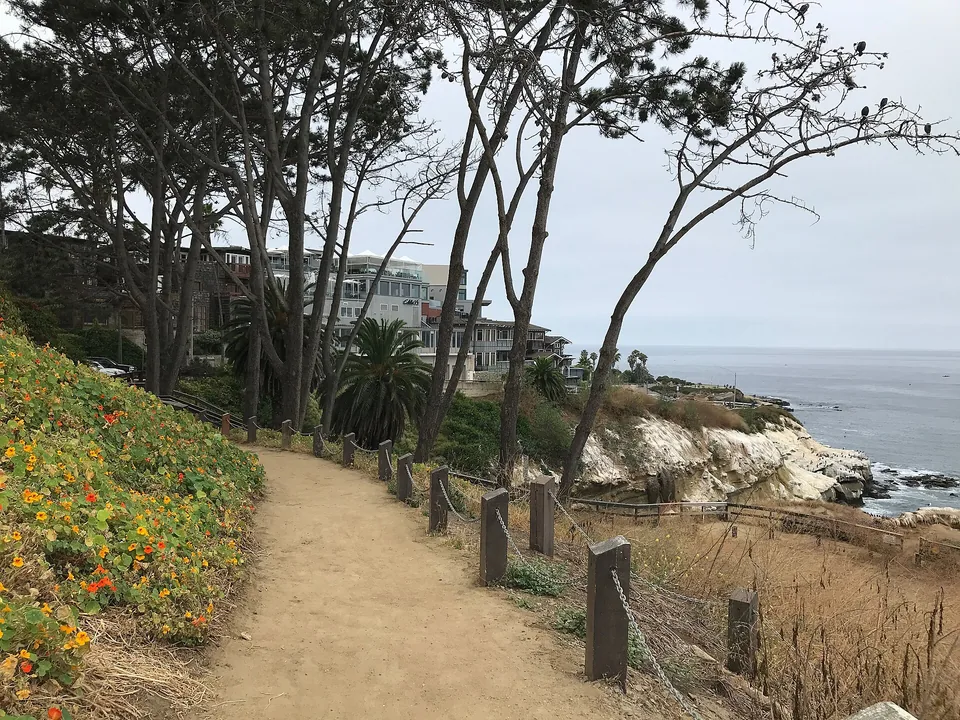
La Jolla can provide a coastal day built around walking and scenery rather than a long attraction list. The city’s community overview identifies its bluffs, canyons and neighbourhoods; choose a specific stretch of shoreline instead of assuming the entire district is one compact beachfront.
Wildlife viewing requires particular care. The city’s Point La Jolla guidance describes a year-round closure of Point La Jolla and Boomer Beach. That restriction concerns a specific rocky area between La Jolla Cove and Boomer Beach; it should not be paraphrased as either a summer-only closure or a closure of all La Jolla. Follow barriers and signs, and observe sea lions from permitted places without approaching or touching them.
For swimming, conditions on the day matter more than an attractive photograph. Use the city’s beach information, including its water-quality link, and ask lifeguards about the chosen location. Shoreline walks and time on the sand remain alternatives when entering the water is unsuitable. Families should choose an activity that matches everyone’s ability rather than treating a sheltered-looking view as proof of safe swimming.
Old Town and Cabrillo: history and a tide-led outing
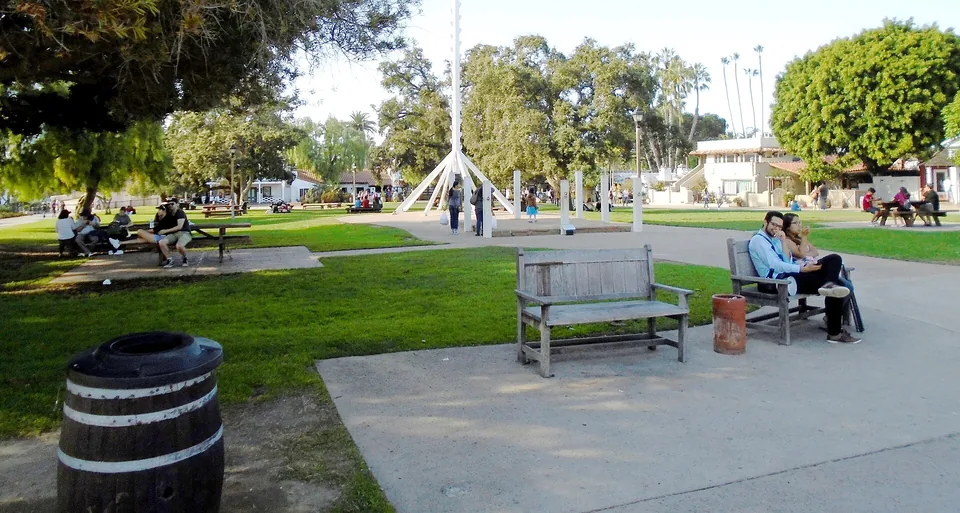
Old Town’s state park is a manageable historical visit, with a plaza, museums and demonstrations that can be combined with nearby food or shopping. Its visitor centre and selected museums operate from 10 a.m. to 5 p.m.; museums close on Thanksgiving and Christmas. The official guided walking programme lists a 45-minute tour at $10 for adults and $5 for children aged four to twelve, with day-of sign-up at the Robinson-Rose visitor centre and limited capacity.
Cabrillo National Monument requires different planning. Its standard entrance fee is $20 for a private noncommercial vehicle and its passengers, valid for seven days. Entry includes the lighthouse/statue areas and tidepools, but a ticket does not guarantee useful tidepool conditions.
The National Park Service’s tidepool advice favours fall and winter daylight low tides. The tidepool area closes at 4:30 p.m., and mobile service is unavailable there, so prearrange a hired driver’s pickup. Wear shoes with grip and leave shells, rocks and organisms where they are. Choose the outing around the tide and park hours rather than fitting it into any spare hour.
Arriving and making the airport connection
San Diego International Airport has public transport connections, but the Trolley does not stop directly at the terminals. The airport’s public transport page explains the choices: Route 992 connects the terminals with downtown, while the free San Diego Flyer connects the airport and Old Town Transit Center. Decide which transfer best matches your accommodation before collecting luggage.
The MTS airport guide describes Route 992’s connection near Santa Fe Depot, useful for onward rail services and a downtown stay. The Flyer is useful for an Old Town connection; the transit centre is not an overnight airport parking facility. Check the current operator timetable for an early departure or late arrival, and allow for waiting and transfers when comparing transit with a taxi.
Contactless payment is available on Route 992, with each passenger needing a separate payment method. PRONTO cards and the app offer another option. If arriving with several people, luggage or mobility requirements, compare the whole party’s journey rather than only the headline bus fare. A prearranged transfer may be worthwhile when the final connection is awkward.
Local transport and the real cost of using a car
MTS buses and the Trolley can support a visit or commute when the actual route fits. They should be assessed door to door: the walk to the stop, transfers, service frequency and the final walk all count. A hotel close to rail is useful only if the places you intend to visit also connect conveniently.
Current MTS fare information lists the regular adult bus and Trolley fare at $3. With PRONTO, eligible regular travel earns a $7 daily cap and an $85 calendar-month cap. Validate on every journey; the standard fare includes a two-hour transfer window. Cash bus payment has different conditions and does not provide the same transfers or capping. COASTER has separate fare products, so do not assume a regular regional pass covers every train.
A car can help with a dispersed itinerary, but add accommodation parking, destination parking, fuel and the rental contract’s charges. For residents, include insurance and regular parking in the monthly comparison. Try the proposed commute at the relevant time of day before choosing a home, especially when work hours extend beyond convenient public transport service.
Food, markets, shopping and a usable budget
Food need not revolve around a succession of formal reservations. Little Italy provides a dining district and a practical market visit; North Park and South Park offer restaurants, coffee shops and independent shopping. Leave room for a neighbourhood meal between larger activities rather than spending every evening backtracking to a single district.
The Little Italy Mercato runs Saturdays from 8 a.m. to 2 p.m. and Wednesdays from 9:30 a.m. to 1:30 p.m. Its produce, eggs, fish, bread and other food offerings are useful both for browsing and for anyone staying with cooking facilities. Check the current vendor information if a particular purchase matters; a market is not a guarantee that one stall will be present.
Build a budget from chosen activities rather than an unsupported citywide average. A $78 adult zoo ticket and $39 online Midway ticket already total $117 before food and transport. Add your actual room quote, required charges and planned journeys, then keep a reserve for changes. Compare any attraction pass with the admissions you will genuinely use. Free walks can balance the expense of major paid visits without requiring every day to feel like a compromise.
Weather and choosing a season
The Pacific moderates coastal San Diego’s weather, but “sunny California” is too simple a packing strategy. The National Weather Service’s local climate narrative describes spring and summer coastal morning cloud, winter-focused rainfall and temperature differences over short distances. A coast-based day can feel different from an inland outing; take a layer even when the afternoon forecast looks pleasant.
Choose dates around your priorities. If shoreline walks and museums are the main purpose, you have more flexibility than a traveller expecting uninterrupted beach weather. Cabrillo tidepool visitors should consider the daylight low tides that the park identifies in fall and winter. Neither choice removes the need to check the actual forecast and access conditions close to departure.
For a move, look at the building as well as the regional climate. Ask how heating, ventilation and cooling work, whether bedrooms receive direct sun and whether outdoor noise means windows must stay closed. Test these details during a viewing. A comfortable holiday afternoon tells you little about the conditions inside a particular home throughout the year.
A realistic four-day first visit
This is an editorial suggestion, designed to reduce repeated cross-city journeys. On day one, settle into a downtown base, walk the waterfront and visit Midway if arrival time leaves a comfortable margin. Have dinner in Little Italy or near your hotel. A late arrival can make the waterfront walk the entire day’s programme.
Use day two for Balboa Park. Choose a museum, explore the gardens and architecture, and allow time to pause. If the zoo is your priority, make it the main event instead of insisting on a full museum schedule afterward. The two versions work better as alternatives for a first visit.
On day three, spend time in La Jolla or Mission Bay according to the kind of coast you want to experience. Follow current wildlife closures and water-quality advice. On day four, explore Old Town, or choose Cabrillo when its daylight low tide and your transport arrangements line up. With a fifth day, separate the zoo from the cultural park visit. Prospective residents should replace one sightseeing day with appointments and a trial commute, keeping enough time to inspect homes without rushing.
Moving here: housing, commuting and household setup
Begin a housing search with the work or study address and the household’s everyday requirements. The district that felt ideal for a beach holiday may be inconvenient for daily travel. Compare actual available properties, checking laundry, storage, parking, internet arrangements, pet terms and the full monthly cost. For a shared home, discuss bathroom access, visitors and responsibility for bills before signing.
Read the San Diego Housing Commission’s tenant resources alongside the lease. The city has residential tenant protections, but coverage and exemptions depend on the property and circumstances; nearby municipalities and unincorporated county areas are not governed by this city ordinance. Do not assume every advertised home has identical protections.
Household services also depend on the building. The city’s water account guidance accepts a foreign passport among identification options and says account processing can take up to ten business days. Where one meter serves multiple units, the account must be in the owner’s name; confirm how the lease allocates the cost. Use SDG&E’s residential service page to arrange relevant service changes rather than relying on a landlord’s informal explanation of when your responsibility begins.
Schools, daily services and immigration planning
Families should verify the district and attendance area for the exact proposed address. Not every address within the city is in San Diego Unified; its current School Finder is useful where that district applies. Confirm enrolment directly before choosing a home. The city library card page explains online registration followed by branch pickup with identification and address proof. Include healthcare in household planning: ask about insurance arrangements, providers accepting new patients and how existing prescriptions will be managed before arrival.
Immigration permission is separate from choosing San Diego. The official visitor visa guidance distinguishes tourism and limited business visits from employment, academic study and permanent residence. Eligible Visa Waiver Program travellers generally require ESTA and may visit for up to 90 days; a short Mexico trip normally uses the remaining original period rather than resetting it.
For employment, consult the official work visa categories; for study, use the student visa requirements and the institution’s international office. Permanent relocation requires an applicable immigrant route. A lease or job offer alone does not settle permission to enter or work. VisaWand’s USA country guide and consultant listings provide further planning starting points.
Across the bay and other places to consider
Coronado is a useful nearby option for seeing the bay from another perspective. The Flagship ferry timetable lists services from Broadway Pier and the Convention Center/Fifth Avenue Landing to Coronado Ferry Landing. The standard listed fare is $9 one way for ages four and over; budget for both directions and check which route your ticket covers. The landing is your arrival point, not a promise that every Coronado destination is beside it.
Use VisaWand’s Coronado location page as a directory starting point. For a wider California comparison, the Los Angeles guide offers another city to assess. Compare the reasons for the trip, available homes and exact journeys when deciding between them.
Official planning resources
Reviewed 13 October 2026. Use the official resources linked throughout this guide for admission, transport, housing and immigration decisions. Prices, services and rules can change; confirm the details relevant to your dates. Photography illustrates the locations and is not a live view.
View all official resources
- Old Town San Diego State Historic Park
- Downtown San Diego neighbourhoods
- North Park and South Park visitor information
- Mission Bay visitor information
- City of San Diego: Balboa Park
- Current Balboa Park parking information
- San Diego Zoo official tickets
- USS Midway Museum official admission
- City of San Diego: La Jolla communities
- Point La Jolla closure and wildlife guidance
- City beaches and water-quality resource
- Old Town state park tours and programmes
- Cabrillo National Monument entrance fees
- Cabrillo tidepool planning and rules
- San Diego International Airport public transport
- MTS airport connections and payments
- MTS current fare chart
- PRONTO fares and fare capping
- Little Italy Mercato times and information
- National Weather Service: San Diego climate narrative
- San Diego Housing Commission tenant protections
- City water and wastewater account setup
- SDG&E residential start, stop and transfer service
- San Diego Unified School Finder
- San Diego Public Library card applications
- US Department of State visitor visas
- US Visa Waiver Program eligibility and conditions
- US Department of State employment visa categories
- US Department of State student visa requirements
- US Department of State immigrant routes
- Flagship Coronado ferry routes, fares and schedules
Plan the next part of your journey
Explore the United States guide, browse other cities or compare consultants for your travel and relocation questions.