Visa
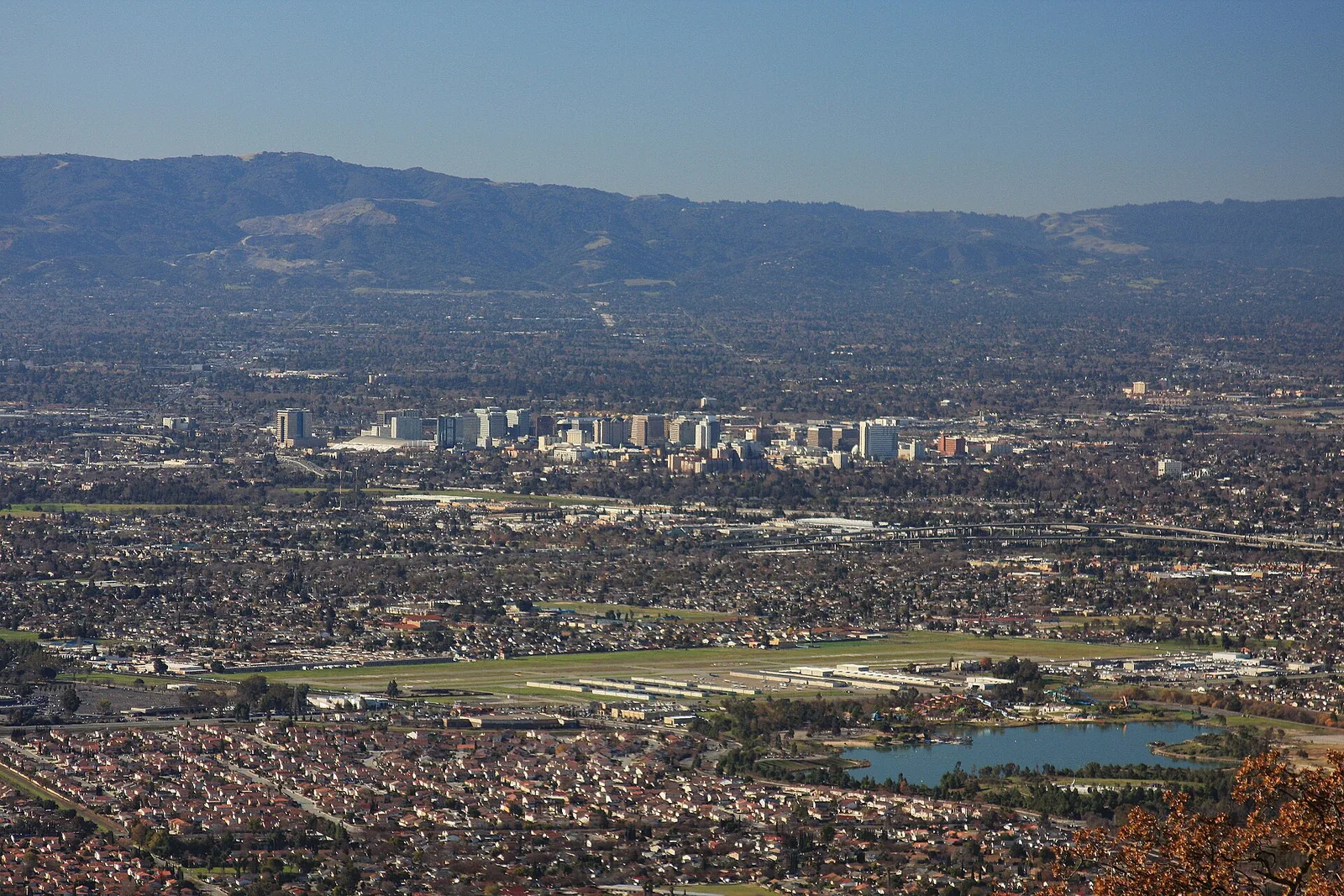
A South Bay city with its own reasons to visit
San Jose puts hands-on science, Japanese American history, contemporary art and neighbourhood dining within reach of a short city break. Its setting in California’s Santa Clara Valley also makes it a useful base for South Bay business and family visits. The surrounding technology economy is part of its identity, but an enjoyable weekend does not require a tour of company campuses.
This is San Jose, California, on the southern side of the San Francisco Bay region. Santa Clara, Sunnyvale, Mountain View and San Francisco are separate cities. Regional labels such as Silicon Valley can conceal substantial differences between an attraction’s address, your hotel and a workplace. Establish the actual destination before choosing where to stay.
For a first visit, concentrate on downtown, Japantown and one western district rather than crossing the valley repeatedly. For a move, start with the commute and the full household budget. VisaWand’s USA country guide supplies broader context; its US location directory helps distinguish the places you are comparing. The practical information below was reviewed on 13 October 2026.
The valley before the technology industry
The National Park Service’s historical account places Ohlone communities in the Santa Clara Valley long before Spanish colonisation. The Spanish pueblo of San Jose de Guadalupe was founded in 1777. San Jose subsequently became California’s first state capital, with the first legislature convening here in December 1849. These histories deserve attention alongside the modern Silicon Valley story.
Orchards, farms, food processing and railway connections helped shape the valley’s earlier economy. The later urban and technological transformation left a city where different districts reveal different layers of that past. A historic building, a neighbourhood museum and a contemporary science centre each provide a useful perspective; none explains the whole city on its own.
Allow time for interpretation rather than using history only as a backdrop for photographs. In particular, visiting Japantown’s museum can deepen an understanding of immigration, agriculture and wartime incarceration. That makes an afternoon of shops and food more meaningful and gives the city a human scale beyond its reputation for innovation.
Downtown, Japantown and the western districts
Downtown San Jose is a practical starting point for the Tech Interactive, the San José Museum of Art, central hotels and evening activities. San Pedro Square provides a dining focus, while the SoFA district adds arts and nightlife. Check the distance between your hotel entrance and each destination: downtown is a collection of places, rather than a single attraction.
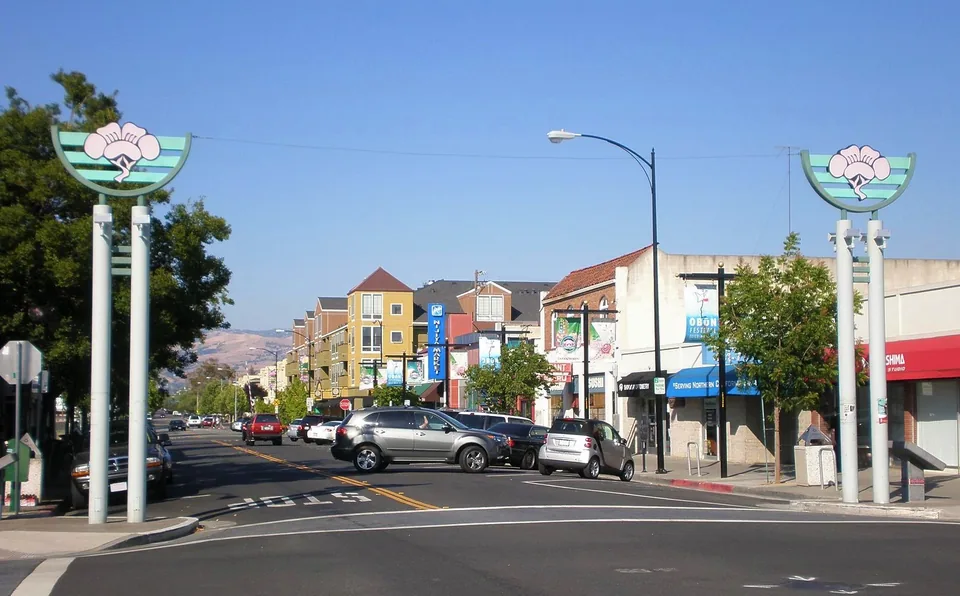
Japantown, north of the central downtown area, suits a slower outing built around its museum, shops and a meal. The visitor board’s neighbourhood overview also introduces Willow Glen, the Alameda and the Rose Garden area. Willow Glen offers a shopping and dining street experience; the Rose Garden district makes sense when the municipal garden is a priority.
Santana Row and the Winchester Mystery House form another useful western outing. Keep that excursion separate from an ambitious downtown museum day. North San Jose may suit a particular office visit, but an employer’s regional brand does not establish where you will work. For accommodation or housing, put the actual address into your journey comparison before deciding a district is convenient.
Hands-on science at the Tech Interactive
The Tech Interactive gives a San Jose visit a participatory science and technology focus. General admission currently costs $38 for adults and $28 for children aged 3–17, students and seniors aged 65 and over. It includes one educational IMAX film. Hollywood films and laser shows are separate experiences, so read the ticket inclusions before adding them to your budget.
Choose enough time to investigate exhibits rather than trying to complete every activity. A family can pick a few experiences, take a break and use the included film as part of the day. Someone visiting alone can concentrate on the subjects that interest them without treating the building as an obligatory checklist.
The museum follows a seasonal calendar. Its daily schedule lists 12 and 13 October 2026 as closed; verify your chosen date instead of relying on a generic opening time. The visitor FAQ recommends advance booking and explains supervision requirements, lockers and accessibility support. Request assistance beforehand if it will determine whether you can participate comfortably.
Contemporary art and an evening opening
The San José Museum of Art offers another downtown anchor, at 110 South Market Street. Adult admission is $20 and senior admission for people aged 65 and over is $15. Individual admission is free for visitors aged 17 and under, college students and teachers; qualifying adults should bring the required identification. These categories can make the same outing cost quite differently for different groups.
Its current schedule runs Tuesday–Thursday and Saturday–Sunday from 11 a.m. to 6 p.m., with Friday opening until 9 p.m. That later closing can fit a museum visit around work or an earlier excursion. Check exhibition and event details before choosing the evening, especially if you want a particular programme rather than general gallery time.
The museum’s current admission offers include free entry after 6 p.m. on the first Friday of the month. The shop and café do not require a gallery ticket. Use the distinction to plan a short stop or a longer paid visit, and avoid assuming that every Friday is free.
Japantown’s museum and neighbourhood streets
The Japanese American Museum of San Jose is at 535 North Fifth Street in Japantown. It opens Thursday–Sunday, noon–4 p.m., subject to holiday closures. Adult admission is $12; the published senior and student/educator rates are $8. Check eligibility directly if using a reduced ticket, since a category label should not be turned into an assumed age threshold.
The museum’s introduction explains its coverage of early immigration, the agricultural community, World War II incarceration and Japanese American life on the West Coast. Make it the starting point for understanding the neighbourhood, then allow time outside to browse and eat. The historical context is worth more than a hurried circuit of storefronts.
There is limited museum parking, alongside metered and unmetered spaces in the surrounding area. Read the signs at the space you use. If travelling by public transport, plan the final walk to North Fifth Street as well as the main journey. Confirm opening before setting out on a weekday when the museum may be closed.
History Park: buildings, grounds and access
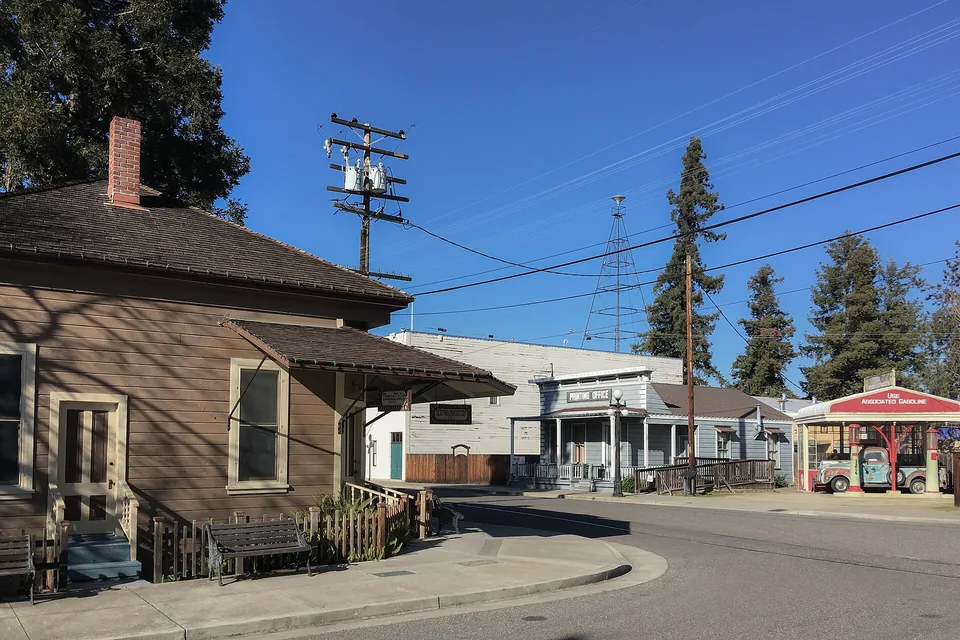
At the southern end of Kelley Park, History Park brings original and reproduction buildings together to interpret Santa Clara Valley’s past. Its visitor entrance is at 635 Phelan Avenue. Understanding that mix of preserved and recreated structures helps you read the site accurately, rather than assuming every building has always stood in its present position.
Weekend afternoons are the useful starting point for an interior-focused visit: the operator lists historic houses and museums for Saturday and Sunday, noon–3:45 p.m., subject to changes. A visit to the grounds does not automatically provide access to every building. Check individual programmes and any event admission before making the journey.
There is an unresolved detail in the official information: the main page lists daily grounds hours, while its expanded header lists Thursday as closed. Confirm directly if considering Thursday. Build a plan around verified access, and give yourself an alternative downtown activity if a programme is unavailable. A historical outing should not depend on an ambiguous timetable being interpreted optimistically.
Roses and an outdoor break
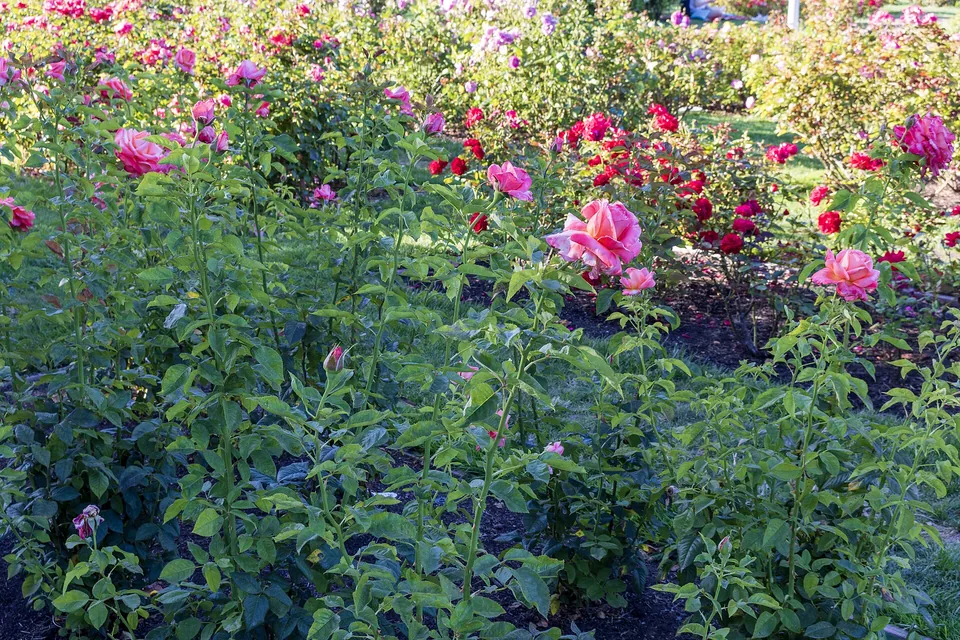
The Municipal Rose Garden, at Naglee and Dana avenues, offers a free outdoor stop with no ordinary admission ticket or reservation required. The city identifies April–November as its bloom season and highlights early May. That is seasonal guidance, rather than a guarantee that every bed will look like a photograph on your particular date.
Give the garden a relaxed place in the itinerary, perhaps alongside time in the surrounding western districts. Stay on designated paths and follow posted rules. Visit in daylight, especially since the city’s page and linked rules differ in their wording about closing after sunset. For professional photography or an organised shoot, check the city’s permit requirements separately.
For walking or cycling elsewhere, consult the municipal trail network information, which identifies the Guadalupe River, Coyote Creek and Los Gatos Creek routes. Select an accessible section with a clear return route, and check current conditions before setting out. A short outdoor break can be more satisfying than extending a walk until it interferes with the next booking, particularly in heat or after rain.
Winchester’s mansion and Santana Row
The Winchester Mystery House visitor FAQ presents the daytime mansion experience around history, architecture and the stories associated with Sarah Winchester’s home. Its unusual rooms and circulation make it a distinctive option for visitors interested in historic houses. Treat supernatural stories as lore, rather than evidence of paranormal events.
Reserve the particular tour and time you want, and compare its current total price before paying. The standard mansion route involves stairs and extensive walking and is not wheelchair accessible. An onsite video-tour alternative and access to the gardens are available for visitors who cannot use that route. Strollers can be used on the grounds but cannot accompany the mansion tour. These restrictions matter more than a promotional description when deciding whether the outing suits your group.
Nearby Santana Row can provide a meal or shopping afterwards. Its operator’s dining directory lists current businesses, giving you a way to compare menus without relying on an invented personal recommendation. Leave enough time between the house booking and any restaurant reservation.
Accommodation that fits your actual trip
A downtown hotel suits a stay centred on museums, dining and events in the core. Look closely at the walking route and at transport links for days outside it. A property around Santana Row may suit a western sightseeing focus, while an airport-area hotel can serve an early flight or a nearby office appointment. Those advantages depend on the rest of your plans.
Compare final room prices for the same dates, occupancy and cancellation terms. Parking, breakfast and mandatory charges can change the apparent saving. Confirm whether a hotel shuttle runs at the hours you need, serves your terminal and requires a reservation; the word “airport” in a property name does not answer those questions.
For a longer stay or relocation visit, kitchen facilities and laundry can reduce friction in daily life. Check what the room actually contains, how you will reach groceries and whether evening transport works. Consider accessibility in the room and the journey to it. Book a base for the activities you intend to do, then leave room in the schedule for rest.
Arriving at SJC or SFO
San José Mineta International Airport, SJC, provides the city’s own airport option. Its public-transport information explains VTA Route 60 connections. Boarding at SJC is free in either direction, while a connecting light-rail journey requires its own fare. Route 60 reaches Metro/Airport light rail, Santa Clara Transit Center and Milpitas BART along its route; choose the direction for your destination.
Terminal A currently has an important exception: the VTA stop-relocation notice places its temporary stop approximately 1,000 feet north of the regular location, near the Delta ticket counters. Follow current signs and the alert rather than relying on an old stop number. Consult the Route 60 timetable before planning a late arrival or an early departure.
If flying into San Francisco International Airport, SFO, compare the extra ground journey with the airfare saving. SFO’s transport pages and the BART–Caltrain transfer information explain the connections through Millbrae. Include terminal movement, waiting and the final trip to your accommodation in the calculation.
VTA, Caltrain and BART are different journeys
VTA handles local bus and light-rail travel. The current adult local fare, for ages 19–64, is $2.50, with two-hour transfers when paid using Clipper. The local Clipper day-pass accumulator is $7.50. The $5 eight-hour pass is specifically a light-rail product, so it should not be described as an unlimited bus-and-rail day ticket. Choose according to the trips you will make.
Caltrain connects San Jose with Peninsula destinations and San Francisco, using its own zone-based fares. Its current fare table also displays changes effective January 2027; use the applicable column for your date. When paying through station validators, tap on and tap off with the same card or device. A VTA local pass does not automatically cover a Caltrain trip.
Berryessa/North San Jose is an operating BART station with VTA connections towards downtown. The extension through downtown and Diridon is a future project. Assess existing services when choosing a hotel or home, and verify the last usable connection if you will return after an evening event.
Eating, shopping and budgeting without guesswork
San Pedro Square Market gives downtown visitors a way to choose between independently operated food businesses in one area. The operator’s FAQ identifies three entrances and makes clear that individual vendors keep their own hours. Check the business you want, rather than assuming the market’s overall closing time guarantees dinner service everywhere.
Japantown, Willow Glen and Santana Row offer different contexts for a meal or some browsing. Choose a district that fits the day’s route, compare menus and ask about dietary needs directly. Shopping can range from neighbourhood stores to a planned Santana Row outing; decide whether it is a main activity or simply something to do between bookings.
A concrete attraction budget helps: two adult Tech admissions total $76, while two adult Japanese American museum tickets total $24. Each example excludes transport, meals and other purchases. Put accommodation, food and local travel beside those figures before choosing how many paid outings to include. Check the final bill and any service charge rather than assuming the displayed menu price is your total spend.
Seasons, weather and a three-day plan
The National Weather Service’s San Jose climate account describes a Mediterranean pattern, with a wetter cool season and a markedly drier warm season. Use that broad distinction for packing and itinerary design, then consult the forecast for the actual visit. Spring suits garden interests; autumn can work well for city sightseeing, while winter calls for rain-ready alternatives.
Pack layers for changing temperatures and place longer outdoor activity early when heat is forecast. Leave room to exchange a garden visit for a museum rather than treating an itinerary as fixed. The weather at your destination matters more than a broad Bay Area forecast if your trip includes the coast or different valley districts.
Day one: settle in downtown, choose the art museum or an open Tech date, then eat around San Pedro Square. Day two: visit Japantown on a museum opening day, with time for lunch and shops. Day three: choose the rose garden and Winchester outing, or a confirmed History Park weekend programme. Adjust the order around opening days and keep your airport departure buffer intact.
Moving here: rent, commute and services
Begin a housing search with the workplace or study address. Test the morning and return journeys at the times you expect to travel, including transfers and the walk from the stop. Regional proximity to a technology employer is not a substitute for knowing which office you will attend. Compare each home’s rent and transport costs together.
Ask for the full recurring charge, deposit, lease terms, parking arrangement and utility responsibilities in writing. The city’s rent-stabilisation page describes coverage for qualifying older apartment properties and the usual limit of one 5% increase within 12 months, with exceptions. Coverage is property-specific; obtain confirmation rather than assuming every rental has that protection. Seek appropriate advice before responding to a dispute.
Inspect ventilation, heating or cooling, plumbing and the condition of the space you will occupy. San Jose has three water retailers with different service areas. Use the address-based utility lookup and city water guidance to identify the correct provider. Confirm electricity, internet, waste service and account activation requirements before your move-in date.
If public transport will be part of daily life, compare the relevant pass with your expected journeys. VTA’s $90 adult monthly local pass covers the calendar month, rather than 31 days from purchase. Check whether an employer or institution offers a transit benefit before buying a pass that overlaps another arrangement.
Schools, daily support and immigration routes
Families need to identify the school district serving the proposed address and confirm enrolment with it. The California School Directory provides school and district contacts; it does not guarantee a place or establish your child’s assigned campus. Check the practical journey, childcare arrangements and required documentation before committing to a home.
The San José Public Library membership information introduces useful resources for settling in, with card requirements for California residents. Identify healthcare providers, pharmacies and insurance arrangements too. These household decisions should sit alongside the lease and commute, rather than waiting until you arrive.
Tourism, employment, academic study and permanent relocation use different US rules. Review the visitor visa or eligible Visa Waiver Program route for a visit; neither authorises ordinary employment or permanent residence. Consult temporary worker requirements with an employer, student visa requirements with an accepting institution, or the relevant immigrant pathway for a permanent move. VisaWand’s consultant listings can help you identify support; verify its suitability for your circumstances.
Eligible Visa Waiver Program travellers need prior ESTA approval and must meet all requirements for visits of 90 days or less. A visa or travel authorisation does not guarantee admission. For academic study, obtain acceptance at an appropriate SEVP-approved institution and the required Form I-20 before proceeding through the student route. Most temporary worker categories require an approved employer petition. A job offer, apartment booking or university admission should therefore be assessed alongside the immigration process, rather than treated as permission to begin living or working here.
Other places to consider
Santa Clara and Mountain View are separate nearby cities that may be useful for a particular office, family visit or Peninsula rail journey. Use VisaWand’s Santa Clara location page and Mountain View location page for directory context. They should not be mistaken for completed travel guides. Compare addresses and services on their own terms.
San Francisco provides another regional base if most of your planned activities are there. Its VisaWand location directory page helps establish the destination, while Caltrain’s current schedules support a realistic rail comparison. An occasional outing and a daily commute impose different demands on the same route, especially when evening plans are involved.
For a wider California trip, the completed San Diego guide offers a different coastal-city option that requires a separate travel plan. Keep nearby outings selective so the San Jose stay retains time for its own neighbourhoods. VisaWand’s USA destination page supports broader browsing and consultation planning once you have clarified the trip’s purpose and geography.
Official planning resources
Reviewed 13 October 2026. Use the official resources linked throughout this guide for admission, transport, housing and immigration decisions. Prices, services and rules can change; confirm the details relevant to your dates. Photography illustrates the locations and is not a live view.
View all official resources
- National Park Service Santa Clara Valley and San Jose early history
- Visit San Jose downtown visitor information
- Visit San Jose neighbourhood overview
- Tech Interactive ticket inclusions and admission
- Tech Interactive date-specific daily schedule
- Tech Interactive visitor requirements and accessibility
- San José Museum of Art current admission and opening hours
- San José Museum of Art free admission conditions
- Japanese American Museum of San Jose visitor information
- Japanese American Museum of San Jose historical coverage
- History Park grounds, buildings and event access
- City of San José Municipal Rose Garden admission and visitor guidance
- City of San José trail network and maps
- Winchester Mystery House tour restrictions and visitor FAQ
- Santana Row operator dining directory
- SJC airport VTA connections and boarding-fare information
- VTA Route 60 Terminal A temporary stop relocation
- Current VTA Route 60 airport timetable
- SFO airport ground-transport information
- BART and Caltrain transfer coordination at Millbrae
- VTA local and express fare products
- Caltrain current fares and dated future changes
- BART Berryessa/North San Jose station and bus connections
- VTA future BART Silicon Valley Phase II extension
- San Pedro Square Market entrances and independent vendor hours
- National Weather Service San Jose climate narrative
- City of San José rent-stabilisation coverage and exceptions
- City of San José address-based utility service lookup
- City of San José water retailers and account contacts
- California Department of Education school and district contact directory
- San José Public Library membership resources
- San José Public Library card eligibility and documentation
- Department of State visitor visa information
- Department of State Visa Waiver Program requirements
- Department of State temporary worker visa categories
- Department of State student visa requirements
- Department of State immigrant visa pathways
Plan the next part of your journey
Explore the United States guide, browse other cities or compare consultants for your travel and relocation questions.