Visa

Long Beach: a waterfront city with several different rhythms
Long Beach offers a combination that suits more than a beach holiday: marine exhibits, an ocean liner you can explore, historic sites, neighbourhood shopping and a working urban waterfront. For a first visit, choose one substantial attraction each day and leave time for the streets and shoreline around it. The city becomes easier to understand when you spend time beyond the best-known harbour landmarks.
This guide covers Long Beach, California, on the Pacific coast south of Los Angeles. It is a separate city, and sharing the wider Southern California region does not make every hotel or attraction an easy journey from the same base. Use full addresses when comparing Long Beach with Los Angeles, or when planning an airport arrival followed by a cruise departure.
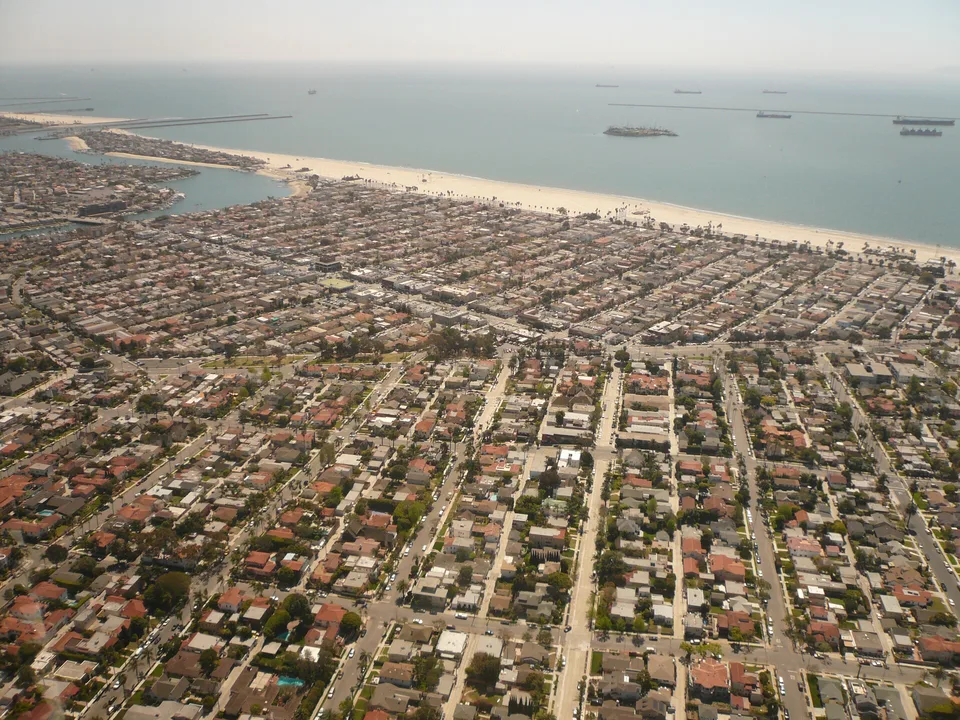
The city's historical account (source unavailable) describes development in the 1880s and the oil discovery of 1921 that accelerated growth in Long Beach and Signal Hill. Its seaside resort and port identities developed alongside each other. That history helps explain why a waterfront view, a neighbourhood high street and an inland historic site can offer very different impressions of the same city. A relocation assessment should include the daily journeys between those places, rather than relying only on an attractive afternoon by the water.
Downtown, Belmont Shore and Retro Row
Start with the official neighbourhood directory to locate the areas that match your interests. Downtown can be a practical starting point for the aquarium and waterfront activities. Belmont Shore has a different focus: the visitor bureau's neighbourhood information identifies Second Street as a stretch of independent shops, dining and everyday businesses. Combine browsing with a meal, checking the particular venues you want before making the journey.
Retro Row on Fourth Street centres on vintage and independent retail, including clothing, furniture, books and records, alongside restaurants and entertainment. It can suit a slower afternoon in which the street itself is the outing. A listed shop or cinema programme needs its own opening check; the district's character is not a promise that every business operates at the same hours.
For a short stay, choose two neighbourhood experiences rather than trying to visit every district. For a longer stay or a possible move, return to the area around a prospective home at your normal commuting and evening hours. Check the route to shopping, transport and the final entrance to the property. A useful visitor district is not automatically the most convenient base for your household.
Aquarium of the Pacific: use the current admission page
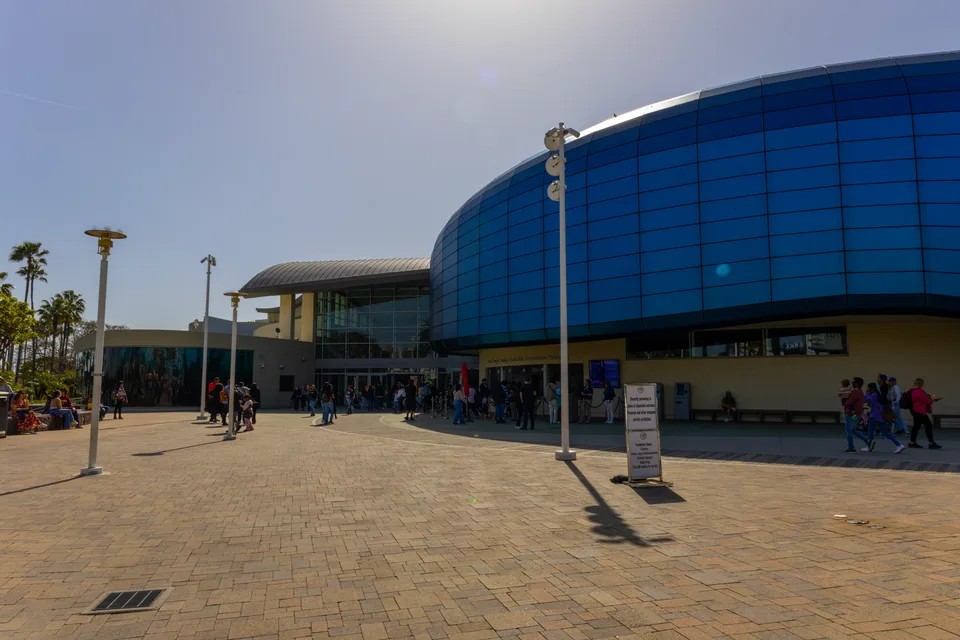
The Aquarium of the Pacific's current prices and hours list general admission, including Pacific Visions, at $49.95 for adults, $34.95 for children aged three to eleven and $46.95 for seniors aged 62 and over. Older fact sheets show different prices; use the current ticket options and final checkout total when budgeting. Reservations are required on weekends and holidays, and special packages have their own conditions.
Regular opening is daily, 9am to 6pm, except Christmas Day, with extended hours on selected dates. Its Tropical, Northern and Southern California galleries offer different marine environments, with animals including sea otters, sharks and sea jellies. Give the visit enough time to follow your interests instead of treating every exhibit as a compulsory stop.
Boat trips, the HoloTheater and other packages are separate choices. Compare their inclusions before buying, particularly if a sailing or show constrains the rest of the day. With children, a manageable visit and a break can be more rewarding than purchasing every extra. Check the day's presentation schedule and choose a few priorities after arrival rather than promising a particular animal activity will happen at any hour.
Queen Mary: admission windows, tours and overnight stays
The Queen Mary's pricing table, dated 7 September 2026, lists general admission from 10am to 6pm at $45 for adults and $40 for children. It includes an introductory Embarkation tour of thirty to forty-five minutes while availability lasts. The page does not define the child age band, so confirm the appropriate category before purchasing. Legacy tours cost $55 and provide a choice of the specified expanded experiences.
The $15 off-hours admission is a different product, valid during the stated early-morning and evening windows with access to selected areas. It should not be used as the price of a full daytime tour. Choose according to what you want to see and the time you have, then read the ticket conditions and current programme.
The ship's visitor FAQ explains that boarding requires the relevant admission, room key or qualifying reservation arrangements. Most historic exhibits are listed as opening from 10am to 8pm, but this differs from the published general-admission window. Day parking has a $25 maximum, overnight guest parking is $39 per night, and special-event rates can change. Restaurant access carries separate arrangements, including an admission payment applied to the restaurant bill; simply intending to buy a drink does not establish unrestricted boarding.
Staying aboard adds a historic setting to an overnight visit. Check the particular room, access arrangements and complete booking cost rather than assuming an older ship has the same layout as a modern hotel. The official city visitor FAQ notes that the liner has been docked in Long Beach since 1967 and no longer functions as a passenger ship. A stay here is separate from taking a cruise elsewhere.

Rancho Los Cerritos: a quieter historical visit
At Rancho Los Cerritos, the operator's history identifies the site as ancestral and current Gabrielino/Tongva homeland and explains the construction of the present adobe by Indigenous labourers in 1843–1844. The story includes ranching, working households and later uses of the property. It provides a valuable change of perspective from the waterfront, particularly if you want to understand the land and people behind the modern city.
The current visitor information lists free admission and parking during public hours. Wednesday, Thursday, Friday and Sunday hours are 1pm to 5pm; Saturday opens from 10am to 5pm. Monday and Tuesday are closed, with holiday and special-event exceptions. Groups of eight or more need advance arrangements, while ordinary visits require checking in at the Visitor Center.
The site is at 4600 Virginia Road in Bixby Knolls, so plan it as a separate journey rather than an incidental waterfront stop. If you bring food, use the designated picnic areas; eating is not permitted throughout the historic buildings or gardens. Check the day's tour opportunities when you arrive, and allow time for the setting as well as the house.
Beach time and the water-quality decision
A shoreline outing can be as simple as walking, sitting or choosing a manageable section of the coastal path. It does not have to involve swimming. Visit Long Beach's beach guide describes several distinct beach settings, including Bayshore and Granada Beach in the Belmont Shore area. Choose by the activity you want and the actual access point, then assess the conditions on arrival.
Before entering the water, consult the city's recreational-water monitoring information and posted signs. The city recommends avoiding ocean-water contact for at least 72 hours after rainfall, especially near storm-drain outlets, river mouths and lagoons. An advisory means water contact should be avoided, while a closure applies until further notice. Calm-looking water does not establish that bacterial levels are acceptable.
The monitoring page's status table carries its own update date, which may precede your visit. Do not treat an old sample result or a historic photograph as today's clearance. Use the current notice or city information line when the status is unclear. A dry-land outing remains an alternative when entering the water would be inappropriate.
El Dorado Nature Center: walking rules and parking costs
El Dorado Nature Center's official information lists trails open Tuesday through Sunday, 8am to 5pm, with no entry after 4:30pm. The Visitor Center runs from 8:30am to 4pm. Monday and specified holidays are closed. Choose a morning or an unhurried afternoon; arriving at the final-entry time leaves little room to enjoy the visit.
Vehicle entry costs $6 on ordinary weekdays, $7 on Friday, $8 at weekends and $9 on designated holidays, with different charges for larger vehicle types. Pedestrians and cyclists do not pay the vehicle fee. Entry booths are cashless; the page explains the separate office arrangements for cash purchases. Route 104 is identified as a public-transport option on weekdays and weekends.
The Nature Center asks visitors to stay on trails, leave wildlife undisturbed, avoid feeding or collecting, and walk rather than jog. Pets and bikes stay outside the nature-centre grounds. This is a habitat-focused walk with specific rules, so choose another outing if your main purpose is cycling or exercising with a dog. Check access and any programme booking requirements separately from ordinary trail hours.
Arrival at LGB and choosing the correct terminal journey
Long Beach Airport's ground-transport information locates rental offices across the street from the terminal, taxis beside Parking Structure A and ride-app pickups on the outer curb. Follow current signs and confirm the pickup location in your booking. Accessible taxi and shuttle requests require advance arrangements; ask the provider about the vehicle and timing that meet your needs.
The airport lists LBT connections and identifies Wardlow as the nearest Metro A Line station. That is a connection to arrange, not an airport rail platform. Use the bus operator's current route planner for the actual terminal-to-address journey and compare the complete trip with a transfer if your arrival time, luggage or mobility needs make changes inconvenient.
If arriving at LAX or another regional airport, plan that airport's connection independently. A Long Beach hotel does not establish an included transfer from every Southern California airport. Likewise, confirm the exact cruise terminal with the cruise operator before booking onward transport. Keep airport arrival, hotel check-in and embarkation as separate steps with enough time between them.
LBT fares, Passport and Metro are different services
Long Beach Transit's fare page lists a $1.25 regular single ride, $4 day pass, $18 five-day pass and $65 thirty-day pass. Children aged zero to four ride free. Payment options include exact cash, TAP and the TAP app, plus supported contactless bank cards and mobile wallets. LBT lists Visa, Mastercard, American Express, Discover, UnionPay and JCB among accepted cards.
LBT does not offer transfers within its service area: each ordinary ride costs $1.25 unless covered by the appropriate pass. Interagency transfers have separate conditions and rates, and the page identifies TAP stored value as the means of calculating those transfers. Do not assume an onboard bank-card payment provides every TAP-specific interagency benefit. Water taxis also have separate fares; ordinary bus passes do not cover them.
The Passport route page links the current timetable, effective August 2026, which lists Friday, Saturday and Sunday service connecting downtown, Shoreline Village and the Queen Mary or cruise terminal stop. Check the timetable for your day rather than relying on older descriptions of frequent daily service. It is a useful free service when its route and operating day match your plan.
Metro's fare rules are separate: the regular fare is $1.75, with a $5 daily cap and $18 seven-day cap when tapping to ride, and qualifying transfers within two hours. Cash on buses does not receive fare caps. The Metro's current rail-network information identifies the A Line between Long Beach and Pomona. Confirm the stations and total journey time you need; an extensive rail connection does not turn every regional appointment into a short commute.
Choosing accommodation by address and purpose
For an aquarium and waterfront weekend, compare downtown properties by the walk to your chosen entrances. For a Belmont Shore-focused stay, map the accommodation against Second Street and the particular beach access you intend to use. An airport overnight or pre-cruise visit may require a different base. Ask the property directly about shuttle routes, operating hours and any advance booking.
Compare complete costs, including parking, recurring property charges and transport. For a longer stay, confirm laundry, cooking facilities and guest capacity. Read cancellation and deposit terms before booking around a departure or appointment that may change. Where accessibility matters, ask about the entrance, lifts and bathroom arrangements for the actual room. A waterfront label tells you less about daily convenience than a checked address and a workable journey.
Neighbourhood meals and practical shopping
Cambodia Town's official visitor information places the district along Anaheim Street between Atlantic and Junipero avenues. Cambodian-owned restaurants, markets and shops provide an opportunity to explore Khmer cuisine and the city's Cambodian American community. Use the neighbourhood resources to find options, then check individual menus and hours. Visiting respectfully includes treating businesses as everyday places serving residents, not simply backdrops for photographs.
The visitor bureau's restaurant directory helps identify meals near your day's activities. It is a discovery resource, rather than an independent review of every kitchen. Check ingredients and preparation directly if dietary requirements matter. Choose a meal for its menu and location instead of making an unverified claim about the city's best restaurant.
For purchases, combine Belmont Shore or Retro Row browsing with the outing already planned. A longer-stay household should also locate an ordinary grocery option near its accommodation. Budget meals separately from attraction admissions and airport transport, and use current menus and booking quotes instead of a speculative daily spending average.
Weather, seasons and useful flexibility
The official visitor weather page emphasises Long Beach's coastal climate and ocean breezes. Treat its broad promotional averages as context rather than a promise for your dates. Check a current forecast close to departure, bring a layer for time by the water and keep sun protection and drinking water available for outdoor sections.
Spring or autumn can suit a trip combining neighbourhood walks with the main attractions, provided their calendars work for you. Summer plans need breaks and a comfortable pace; winter visits can still include outdoor time when conditions allow. Rain changes more than a walking itinerary because of the water-contact guidance above. Keep a museum or historic-site option available, checking its closure day before relying on it as the fallback. Choose timing by the experiences you want rather than expecting identical conditions throughout the year.
A three-day itinerary at a manageable pace
This suggested sequence is flexible around reservations, opening days and weather. On day one, make the aquarium the main visit, then choose a manageable waterfront walk and dinner nearby. Leave enough time to explore the galleries without racing toward a second major attraction. Keep swimming optional and dependent on the current water-quality advice.
On day two, visit the Queen Mary with the admission or tour that matches your interests. Allow time for the boarding process and a break, and confirm the return transport. A neighbourhood meal later in the day can provide a change of scene without another timed attraction.
On day three, choose Rancho Los Cerritos or El Dorado Nature Center, then a Belmont Shore or Retro Row outing if time and energy permit. These are separate journeys, so calculate the transfers before combining them. Someone evaluating a move can replace the afternoon with a housing viewing and trial commute. Keep the departure day spacious enough for luggage, station or terminal access and the actual onward connection.
Moving: a home must work beyond the weekend
Evaluate a prospective home against the precise workplace or campus entrance and your likely hours. Test the walk, bus changes or driving route, including the return after a late shift. Check parking arrangements and the ordinary shopping journey. A shorter map distance can still produce an inconvenient routine if the connection you need runs poorly at your hours.
Before paying application charges, clarify screening documents, refundable amounts and the full move-in cost. Obtain the proposed lease and recurring fees in writing, and verify the person authorised to rent the property. Inspect locks, cooling and heating, damp, laundry and repair arrangements. Record the agreed move-in condition and retain payment records.
The city Housing Authority's current notice says its waiting list is closed and no openings are scheduled. A separate county opening advertised on that page ran from August to September 2026 and has ended. Neither notice supplies immediate accommodation for a new arrival. Check the applicable programme's current status and eligibility, and maintain a viable housing plan independently of an anticipated assistance allocation.
Utilities, schools and household needs
The city's MyUtility Portal FAQ provides arrangements to start, stop or transfer service online or through customer service. Confirm which accounts the landlord handles and which you must establish before move-in. Ask about the applicable timing and charges for your own service address instead of applying a fee mentioned for another situation.
For children, use LBUSD's address-based school finder and confirm enrollment with the district. School-choice programmes have their own procedures and availability; a nearby building or property advertisement is not confirmation of placement. Ask what records and residency evidence your household needs before committing to an address.
Clarify health-insurance coverage, routine-care availability and prescription continuity before moving. Keep essential documents and contacts accessible during the transition. Spend the first week checking everyday routines such as grocery shopping, waste arrangements, laundry and transport home. These practical details are better tests of a home than its holiday appeal.
Immigration: visiting and relocation require different planning
The State Department's visitor-visa guidance distinguishes tourism and certain business activities from employment, study and permanent residence, which require appropriate separate arrangements. A B1/B2 visitor visa does not permit accepting employment or working in the United States. Follow the official process for your purpose and circumstances before making commitments that depend on permission to relocate.
A visa does not guarantee admission; border officials make that decision. VisaWand's USA country guide, USA destination page and consultant listings provide further context and options for individual advice. Check a consultant's credentials and scope of service while using official authorities for application instructions and decisions.
Catalina Island and other city choices
Catalina Express lists daily service to the island from its mainland terminals and recommends reservations. Its Long Beach terminal information identifies 320 Golden Shore and an approximate one-hour Avalon crossing. Plan the island as a substantial outing with a booked return and allowance for weather-related changes, rather than an extra stop between city attractions.
For a wider city comparison, read VisaWand's completed Los Angeles guide or San Diego guide, each requiring its own transport and accommodation assessment. The USA location directory lists further destinations; an entry there identifies a place and related listings rather than necessarily providing a completed guide.
Official planning resources
Reviewed 13 October 2026. Use the official resources linked throughout this guide for admission, transport, housing and immigration decisions. Prices, services and rules can change; confirm the details relevant to your dates. Photography illustrates the locations and is not a live view.
View all official resources
- Official Long Beach city history (source unavailable)
- Official city neighbourhood directory
- Belmont Shore visitor information
- Retro Row shopping and visitor information
- Aquarium current admission prices, reservations and opening hours
- Queen Mary September 2026 ticket prices and inclusions
- Queen Mary boarding, tours, parking and hotel FAQ
- Official Long Beach geography and liner visitor FAQ
- Rancho Los Cerritos Indigenous and adobe history
- Rancho public hours, free admission and visitor rules
- Official Long Beach beach visitor guide
- City recreational-water monitoring and rain advice
- El Dorado Nature Center hours, vehicle fees and rules
- LGB airport ground transport and access information
- Long Beach Transit current fare and payment rules
- Passport route and current timetable
- LA Metro current fares and payment rules
- Metro current rail-network information
- Cambodia Town visitor and dining information
- Official Long Beach restaurant discovery directory
- Official coastal visitor weather information
- City Housing Authority waiting-list notice
- City utility service account instructions
- LBUSD address-based school finder
- US visitor visa official instructions
- Catalina Express current schedules and reservations
- Catalina Express Long Beach terminal details
Plan the next part of your journey
Explore the United States guide, browse other cities or compare consultants for your travel and relocation questions.