Visa
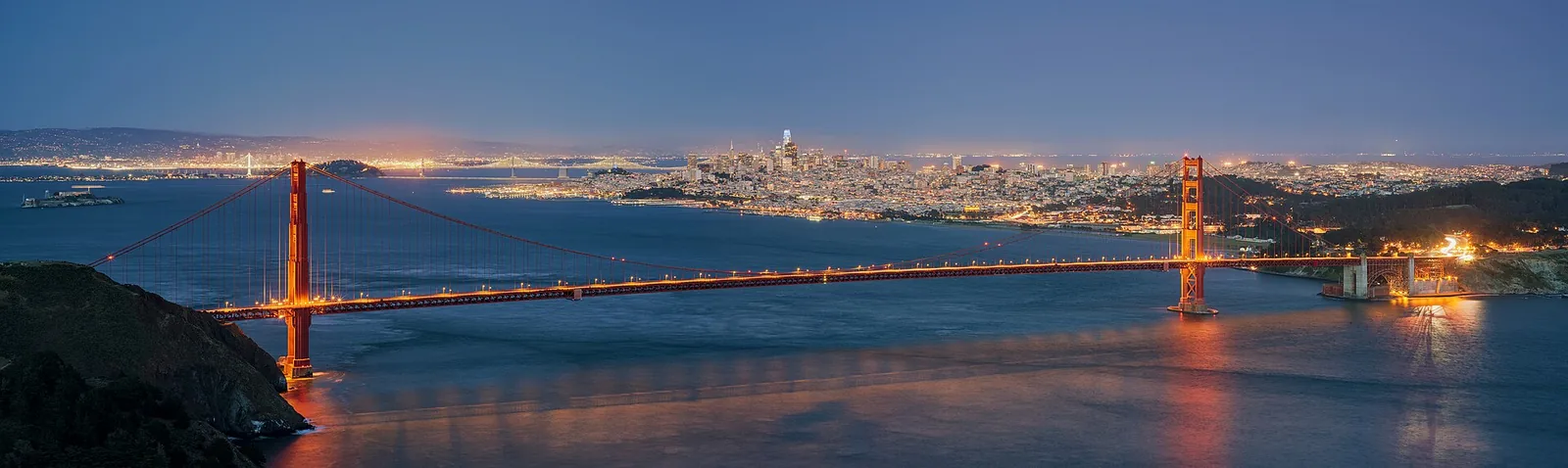
A city best understood at street level
San Francisco rewards people who look beyond its skyline. A morning among Chinatown’s shops, an afternoon beside the bay and an evening in the Mission reveal different parts of the city without leaving its neighbourhood streets. The famous bridge and island matter, but so do the hills between your hotel and dinner, the wind at a waterfront stop and the transport connection that makes a particular address workable.
This guide concerns San Francisco, California, at the northern end of the peninsula between the Pacific Ocean and San Francisco Bay. The wider Bay Area contains separate cities: a hotel described as being near San Francisco may require a substantial journey into it. For a first visit, a few days allow a useful introduction. For a move, treat the visit as reconnaissance: test ordinary journeys, inspect housing and separate the appeal of a neighbourhood from the practical cost of living there.
History behind the familiar views
The peninsula’s history begins long before European settlement. The National Park Service describes Ohlone communities and their continuing cultural presence, alongside the disruption brought by Spanish colonisation in 1776. Seeing the Presidio solely as a picturesque former military post misses that earlier history and its consequences. Interpretation and historical sites can give a waterfront walk more substance than another photograph of the bridge.
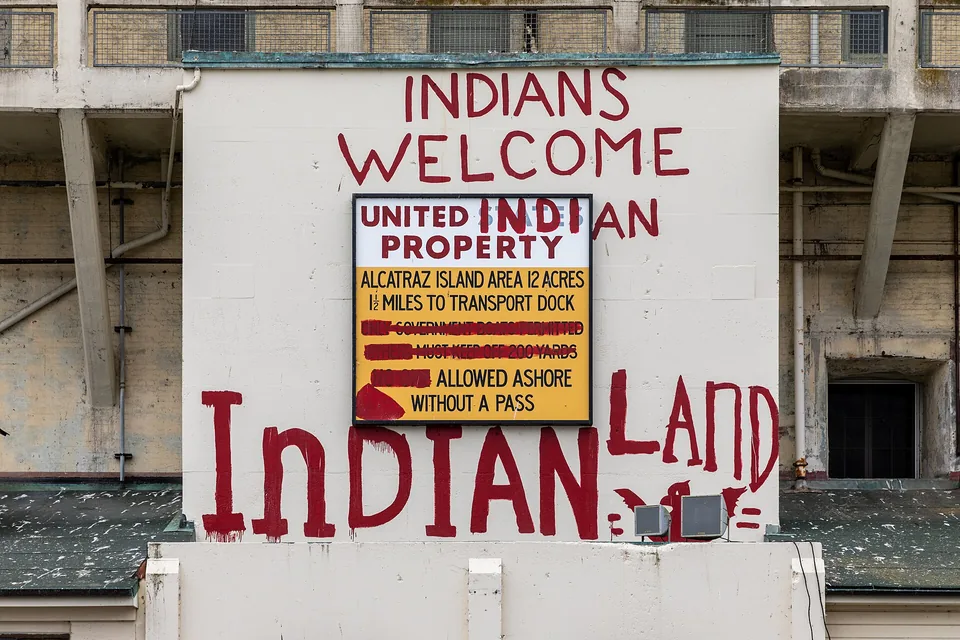
The 1906 earthquake and subsequent fires reshaped San Francisco. Its surviving and rebuilt streets should be read as layers of change, rather than a single preserved historic town. Later community histories are visible in Chinatown, the Mission and the Castro, where migration, commerce and activism have shaped public space. On Alcatraz, prison history shares the island with the story of the Indians of All Tribes occupation from 1969 to 1971. Allow time for both; treating the island only as a prison attraction leaves out an important part of its meaning.
Choosing neighbourhoods for your first visit
Union Square is a useful starting point for people who want a downtown hotel district, shopping and theatres. Choose an actual address rather than assuming every property with “Union Square” in its description sits beside the square. Check the route from the station, the final uphill stretch and the surroundings at the times you expect to return. A central map position alone does not settle whether a hotel suits you.
Fisherman’s Wharf suits a waterfront-focused stay, especially if your plans revolve around Pier 39 and nearby sightseeing departures. It is a different base from the downtown business district. SoMa, or South of Market, includes the Moscone convention area, Yerba Buena Gardens and major museums. Conference visitors may value proximity to their venue more than a bay view. These are practical starting choices, not a ranking: compare the places on your itinerary with the hotel entrance and transport stops before paying.
Chinatown and North Beach beyond a quick photograph
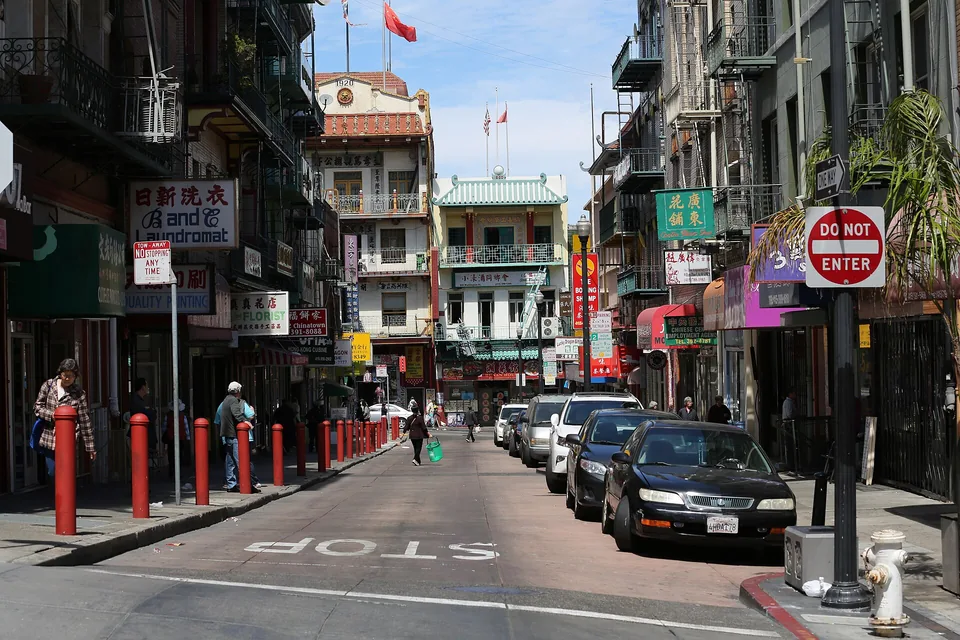
The Dragon Gate at Grant Avenue and Bush Street provides a recognisable approach to Chinatown, but the neighbourhood is more than that entrance. Grant Avenue and Stockton Street are commercial corridors with different shops and everyday activity. Leave time to browse, read menus and notice the buildings. Shop opening times vary; there is no single admission ticket or timetable for the neighbourhood. Photograph respectfully and avoid blocking doorways while arranging a street view.
Nearby North Beach has Italian American associations, cafés and literary connections. Its name does not mean you will find a beach here. Combining the two neighbourhoods makes an appealing half-day, provided your walking route accounts for hills. A café stop can be a useful break rather than another item to rush through. If mobility is limited, plan shorter street segments and transport between them instead of assuming adjacent neighbourhoods make an effortless continuous walk.
The Mission, Castro and western districts
The Mission District brings Mexican heritage, food businesses and murals into the same outing. Balmy Alley and the Women’s Building offer specific places to look for public art; leave space around residents and businesses rather than treating whole streets as an exhibition set. Dolores Park can provide a pause between stops. Choose a smaller area to explore thoroughly instead of trying to traverse every commercial street in one afternoon.
The Castro connects a visit with San Francisco’s LGBTQ+ culture and activism; the Rainbow Honor Walk offers a starting point for understanding that history. Farther west, the Richmond District has commercial stretches along Clement Street, Geary Boulevard and Balboa Street. This is a San Francisco neighbourhood, distinct from the East Bay city of Richmond. The Sunset District lies south of Golden Gate Park and extends toward Ocean Beach. For a move, include these western streets in your housing search, then test the journey to your actual workplace.
Seeing the Golden Gate Bridge sensibly
The bridge is both a landmark and working transport infrastructure. Consult the Golden Gate Bridge pedestrian and cycling rules before setting out. Pedestrians use the east sidewalk, facing the city, during posted hours. Current standard pedestrian access is 5am–6:30pm in Pacific Standard Time and 5am–9pm in daylight time; works can impose earlier closures. Cyclists have separate access arrangements. A statement that bicycles can cross around the clock does not establish overnight pedestrian access.
Choose whether you want a viewpoint, a partial walk or a full crossing, then plan the return. Wind and fog can make a long exposed walk less comfortable than the map suggests. Bring a layer and do not rely on a distant skyline remaining visible. Scooters, skateboards and non-service pets are restricted on the bridge sidewalks, and the operator does not provide bridge-side bicycle rentals. If renting elsewhere, check the return location and the appropriate sidewalk rules before riding.
Alcatraz: book the island visit you intend
Use the authorised Alcatraz City Cruises ticket page to distinguish an island tour from a bay cruise. The operator’s Bay Discovery Cruise does not dock at Alcatraz. Island tours depart from Pier 33 and include the return ferry and cellhouse audio tour. Confirm the departure, ticket category and return arrangements rather than buying a similarly named sightseeing product and expecting to enter the prison buildings.
The National Park Service fee page currently lists the adult day-tour ferry ticket at $47.95; check the operator’s final price for your date. Alcatraz has no separate NPS entrance charge, but the required ferry is paid. A national park annual pass or free entrance day does not remove that transport cost. Set aside several hours and take a weather layer. The accessibility information describes an uphill quarter-mile route from dock to cellhouse and the mobility tram; arrange access around your needs rather than expecting a flat island stroll.
Golden Gate Park and the Presidio
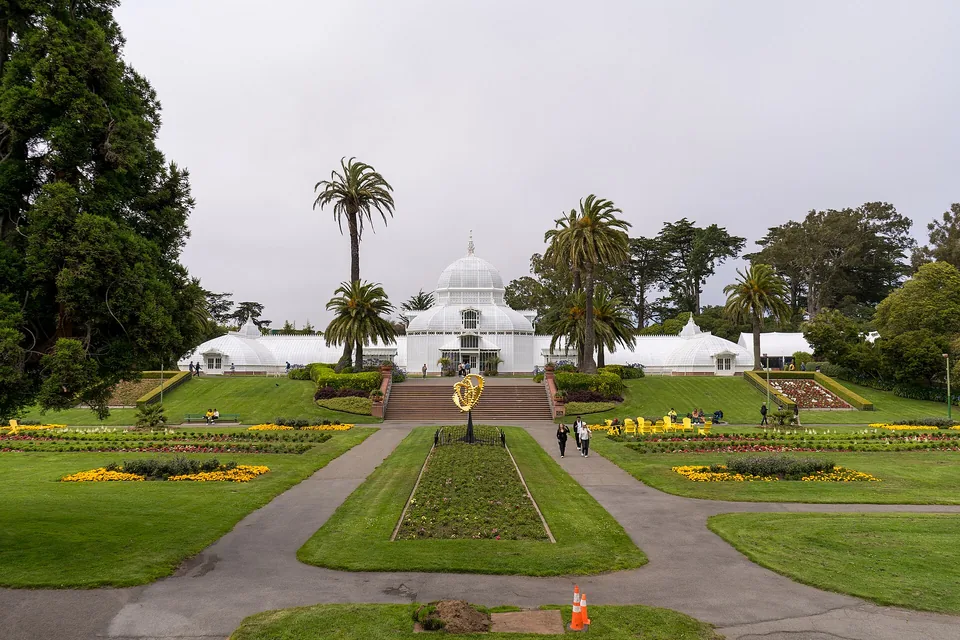
Golden Gate Park gives you room to slow the itinerary down. Its gardens are separate attractions with their own entry conditions. According to Gardens of Golden Gate Park’s current hours, the Conservatory of Flowers opens 10am–4:30pm, with last entry at 4pm, and closes Wednesdays. The Japanese Tea Garden and San Francisco Botanical Garden have different seasonal last-entry times. Check the garden you want, rather than assuming a park’s open space hours cover every indoor building.
Free-entry opportunities also differ: the Conservatory lists the first Tuesday monthly; the Tea Garden lists Monday, Wednesday and Friday from 9–10am; the Botanical Garden lists daily entry from 7:30–9am and the second Tuesday monthly. Confirm current conditions before planning around them. Elsewhere, Presidio Tunnel Tops offers free public lawns, views and the Outpost playground, with a connection toward Crissy Field. Food, parking and reserved facilities can add costs even where general access is free.
Accommodation: compare the whole stay
Start with the neighbourhood that reduces your most frequent journeys. A Union Square hotel may fit a shopping-and-theatre trip; the Wharf may fit a waterfront itinerary; a SoMa address may simplify a convention visit. Within each area, hotels, smaller properties and room types vary considerably. Ask about lifts, the entrance route, room noise, luggage storage and the specific accessible facilities you require. A description such as “accessible” should be followed by details relevant to you.
Compare the final booking total, including stated taxes, mandatory charges and parking, and read cancellation terms before selecting a cheaper restrictive rate. For a residential short-term rental, check the listing’s application or registration information against the city’s hosting requirements. Permission to advertise while an application is pending is not the same as a guarantee of approval. For relocation, temporary accommodation can buy time to inspect homes; do not turn a holiday booking into an assumption that a long-term tenancy is available on similar terms.
Arriving and reaching your accommodation
San Francisco International Airport, SFO, offers a direct rail option into the city. The airport’s BART connection information places the station at the International Terminal, with AirTrain access via the International Garage G/BART stop. The Yellow Line serves SFO. Match your downtown destination with the station and onward connection, then check the operating timetable for your arrival. Immigration, baggage collection and the walk to transport all take time before that first train journey begins.
BART fares are separate from ordinary Muni fares, and a Muni Visitor Passport does not cover the airport rail trip. Check the current journey price and payment arrangements instead of assuming a city transport pass covers everything. Compare a rail trip with the official ground-transport alternatives for your group and luggage. An airport hotel can be useful for a flight, but confirm the onward city journey before using it as your sightseeing base. For a late arrival, settle the transport plan before departure.
Muni fares, cable cars and everyday journeys
Muni serves local bus, light-rail and historic streetcar journeys. The current official fare overview lists an adult single fare of $2.85 using Clipper or a credit/debit card, versus $3 with cash or a Metro ticket machine. Standard single fares provide 120 minutes on eligible services. The same overview says MuniMobile single-ride tickets were discontinued on 1 September 2026; avoid relying on older app instructions when planning payment.
The $5.70 Muni-only day pass lasts until 11:59pm and excludes cable cars. The $15 one-day Visitor Passport includes cable cars and other Muni services, but excludes BART. A single cable-car journey costs $9, without transfers between cable-car lines. These are useful choices to compare against your actual rides, not reasons to buy every product. Ordinary Muni is free for people aged 18 and under, but cable-car youth conditions differ. Check each traveller’s eligibility and use the current operator instructions for boarding and payment.
For an adult, two separate $2.85 fares equal the Muni day-pass price; rides within an existing transfer period change that calculation. Two $9 cable-car journeys exceed a $15 Visitor Passport. At the Powell/Market, Bay/Taylor and Hyde/Beach cable-car terminals, tickets must be bought before boarding between 8am and 5pm. Check the instructions for your boarding point rather than joining a queue without the required fare.
Food and shopping with a workable budget
Food can anchor your neighbourhood exploration: look through Chinatown’s commercial streets, the Mission’s food businesses, North Beach’s cafés or the Richmond’s shopping corridors. Compare current menus and opening hours before choosing where to eat. Read portion sizes, dietary information and the final bill terms. For allergies or other essential requirements, ask the business directly instead of interpreting a district’s culinary identity as a promise about a particular meal.
The Ferry Building Marketplace is a useful waterfront stop for food shops and restaurants. Individual merchants have their own hours, so checking a particular business matters more than the building’s broad visitor identity. Union Square is another shopping base; compare goods and prices before making it a whole afternoon. Budget separately for accommodation, transport, food and paid attractions. Keeping a garden or neighbourhood walk free leaves room for an island ticket or a meal you particularly want, while keeping the total within your own spending limit.
Weather and timing your visit
San Francisco’s maritime setting creates weather differences over short distances. The National Weather Service’s climate explanation describes cool coastal summers, fog and varied microclimates, with generally wetter winters and drier summers. Its historical numerical tables are not a forecast for your trip. Check a current forecast close to departure and again before an exposed bridge walk or ferry outing. A warm inland Bay Area forecast should not determine what you wear beside the ocean.
Pack layers that you can add or remove, and allow an indoor alternative when visibility or wind undermines an outdoor plan. Summer does not guarantee hot beach weather. Spring and autumn can make a pleasant visit, but neither guarantees clear skies on your chosen day. Compare accommodation prices for your dates and check the actual calendar for exhibitions, conferences or performances that affect your plans. Keep the most weather-sensitive outing flexible where tickets allow, rather than attaching the entire visit to a promised sunset view.
A realistic three-day introduction
This is an editorial itinerary suggestion, to adapt to opening days, mobility and available tickets. On day one, explore Chinatown and North Beach in manageable walking segments, then spend time on the northern waterfront. Choose a meal in the area you are exploring instead of crossing the city for every stop. If staying near Union Square, reserve a little time to understand your own evening route and local transport connections.
On day two, make the authorised Alcatraz island visit your main reservation. Add the Ferry Building or an Embarcadero walk only if your ferry timing and energy allow. On day three, choose the bridge and Presidio, or a longer Golden Gate Park outing with one garden. Trying to fit both into a tight afternoon can reduce each to a hurried transfer. With another day, explore the Mission and Castro, or replace an outdoor block with a museum whose current programme interests you.
Moving: choose the commute before the lease
For relocation, define your destination precisely: a San Francisco office, a peninsula workplace and an East Bay campus imply different journeys. Test the route from a prospective front door at the hours you will use it. Include the walk to transit, transfers, the return trip and any hill at the end. A car-free arrangement may suit one address well while another requires a costly combination of parking and longer travel.
Build a household budget from actual listings and written quotes. Separate rent from included utilities, internet, laundry, transport, insurance and move-in expenses. Inspect heating, ventilation, moisture, storage and the stairs or lift, particularly in older buildings. Shared housing needs clear agreements about occupants, bathrooms and bills. Ask an employer or institution which campus and attendance pattern apply before using its name to choose a neighbourhood. A trial stay is most useful when it includes groceries, commuting and appointments alongside sightseeing.
Housing protections and essential services
The San Francisco Rent Board’s rental-law guidance explains that many units built on or before 13 June 1979 have local rent-control and eviction protections, with exemptions and different treatment for other properties. Do not assume every apartment is covered, or use an old example of an allowable increase as today’s rate. Check the specific property and speak to the Rent Board about its circumstances before relying on a protection in your financial plan.
Confirm who holds each utility account and what the lease includes. SFPUC’s water and sewer service setup describes the required information and an online review period of up to five business days, followed by representative contact; that is not a guaranteed activation deadline. A newcomer should ask about acceptable identification before applying. Electricity, internet and waste arrangements need their own checks. Identify nearby grocery shops, laundry facilities and healthcare providers during inspections, and verify insurance-network access before counting on a particular clinic.
Schools, libraries and settling into daily life
Families should start with SFUSD’s enrolment requirements, which cover proof of birth, residence, guardian identification and health documentation. A current lease can help establish address; the district specifies which other recent documents count and does not accept cellphone bills as address evidence. Ask about missing-document procedures and the school assignment process rather than assuming the closest school is automatically available. Keep original records accessible during a move and obtain translations if the receiving institution requests them.
San Francisco Public Library membership is free for California residents, with an application followed by an in-person identification check. Its books, digital resources and learning opportunities can be useful while building a routine. Confirm your own eligibility and documents, rather than promising every newcomer immediate access to every service. Before committing to housing, assess ordinary needs together: an acceptable commute is less helpful if shopping, school arrangements or essential appointments remain impractical for the household.
Visiting, working, studying and permanent relocation
Entry rules are federal, not a San Francisco permission. Start with the State Department’s visitor visa information for tourism or permitted short business activities. Visitor status does not authorise ordinary employment, degree study or permanent residence. Eligible travellers using the Visa Waiver Program must meet its requirements, including advance ESTA approval, for visits of 90 days or less. Eligibility depends on more than simply holding a participating-country passport; check the current conditions and your travel history.
For a job, consult the temporary worker visa categories and discuss the correct process with the employer; most categories require an approved petition. For academic or vocational study, use the student visa guidance and the institution’s international office. Permanent relocation requires an appropriate immigration route. A lease, admission offer or attractive job market does not itself create status. VisaWand’s USA country guide and consultant listings can help organise further questions, while the official resources remain the basis for applications.
Nearby alternatives and planning the wider region
Sausalito offers another perspective across the bay. The Golden Gate Ferry Sausalito–San Francisco timetable lets you plan both directions; check the last return and service changes before extending dinner ashore. Treat it as a separate outing rather than an automatic continuation of a bridge walk. Time on the water can be part of the experience, but a ferry connection still needs the same practical planning as any other transport service.
If your reason for moving lies farther south, compare San Francisco with the San Jose guide and the actual workplace journey. These locations should not be treated as interchangeable bases merely because both belong to the Bay Area. VisaWand’s USA location directory provides other destination pages to investigate; it is a directory, not a promise that every place has a completed travel guide. Use the USA destination page when considering consultation options, bringing specific questions about purpose, timing and household needs.
Official planning resources
Reviewed 13 October 2026. Use the official resources linked throughout this guide for admission, transport, housing and immigration decisions. Prices, services and rules can change; confirm the details relevant to your dates. Photography illustrates the locations and is not a live view.
View all official resources
- Ohlone history at the Presidio
- USGS 1906 earthquake history
- NPS Alcatraz Indigenous occupation history
- Union Square visitor information
- Fisherman’s Wharf visitor information
- SoMa and Yerba Buena visitor information
- Chinatown visitor information
- North Beach visitor information
- Mission District visitor information
- Castro culture and visitor information
- San Francisco Richmond District visitor information
- Sunset District visitor information
- Golden Gate Bridge pedestrian hours and cycling restrictions
- Authorised Alcatraz island tickets and cruise distinctions
- NPS Alcatraz ferry prices and pass exclusions
- Alcatraz slopes, mobility tram and accessibility
- Garden hours, last entry and free-entry programmes
- Presidio Tunnel Tops visitor information
- San Francisco residential short-term hosting rules
- SFO International Terminal BART and AirTrain connection
- Current Muni fares and payment changes
- Muni-only day pass and cable-car exclusion
- One-day Visitor Passport coverage and exclusions
- Cable-car single fares and terminal boarding rules
- Ferry Building Marketplace shops and visitor information
- NWS historical climate explanation and microclimates
- Rent Board property-specific rental protections
- SFPUC water and sewer account setup
- SFUSD enrolment documents and requirements
- San Francisco Public Library membership and services
- Official visitor visa purposes and exclusions
- Official Visa Waiver Program and ESTA requirements
- Official temporary worker visa categories
- Official student visa and school requirements
- Official permanent immigration routes
- Golden Gate Ferry Sausalito and San Francisco timetable
Plan the next part of your journey
Explore the United States guide, browse other cities or compare consultants for your travel and relocation questions.