Visa

About Aomori Chuo Junior College
A junior college in Aomori
Aomori Chuo Junior College is a junior college in Aomori, Japan. It opened in 1970 as Aomori Chuo Women’s Junior College and adopted its present name in 1974. It belongs to Aomori Tanaka Gakuen, alongside the separate Aomori Chuo Gakuin University.
Sources: Institutional history ↗
Professional learning with a broad foundation
The college's educational philosophy brings together care for others, knowledge and truth. Its institutional policy combines general education with specialist academic knowledge and practical skills. It identifies ethical judgement, respect for diversity, constructive relationships and independent improvement as important learning outcomes. Both departments organise their curricula around common basic subjects, liberal arts and specialist study. The basic subjects include areas such as foreign languages, information processing and career planning. Liberal arts extend students' understanding of people, society and nature, alongside regional knowledge and a wider international perspective. The policy also describes portfolios and progress records as ways of reviewing learning. The curriculum also incorporates opportunities to learn about Aomori, connecting regional understanding with broader social and international perspectives.
In Infant Education, the curriculum includes an annual musical production bringing music, visual expression and movement together for public performance. Experiences at related childcare facilities and simulated childcare sessions precede main placements, with working educators contributing to preparation. The campus biotope also provides a setting for observing nature and considering its place in children’s play and learning.
Sources: Education policy ↗
Food, nutrition and investigation
Food and Nutrition aims to prepare students to combine scientific judgement with attention to the people receiving nutritional guidance or meals. Its educational goals connect nutrition with human biology, food materials and the conditions of contemporary society. The department also emphasises general education and encounters with different values. Its class introductions show how this approach is taught. Food hygiene experiments examine food quality and freshness, additives, microorganisms and cleanliness, building practical familiarity with testing methods. Cooking Practice II develops techniques introduced in the first practical course. Demonstrations support work with Japanese, Western and Chinese cooking, seasonal ingredients and Aomori's regional dishes. Special research brings together the programme's learning through investigation, experiments or practical projects addressing food, health or local issues. Students consider findings, prepare a written paper and present their work.
Sources: Food and Nutrition educational goals ↗ · Food and Nutrition class introduction ↗
Preparing for work with young children
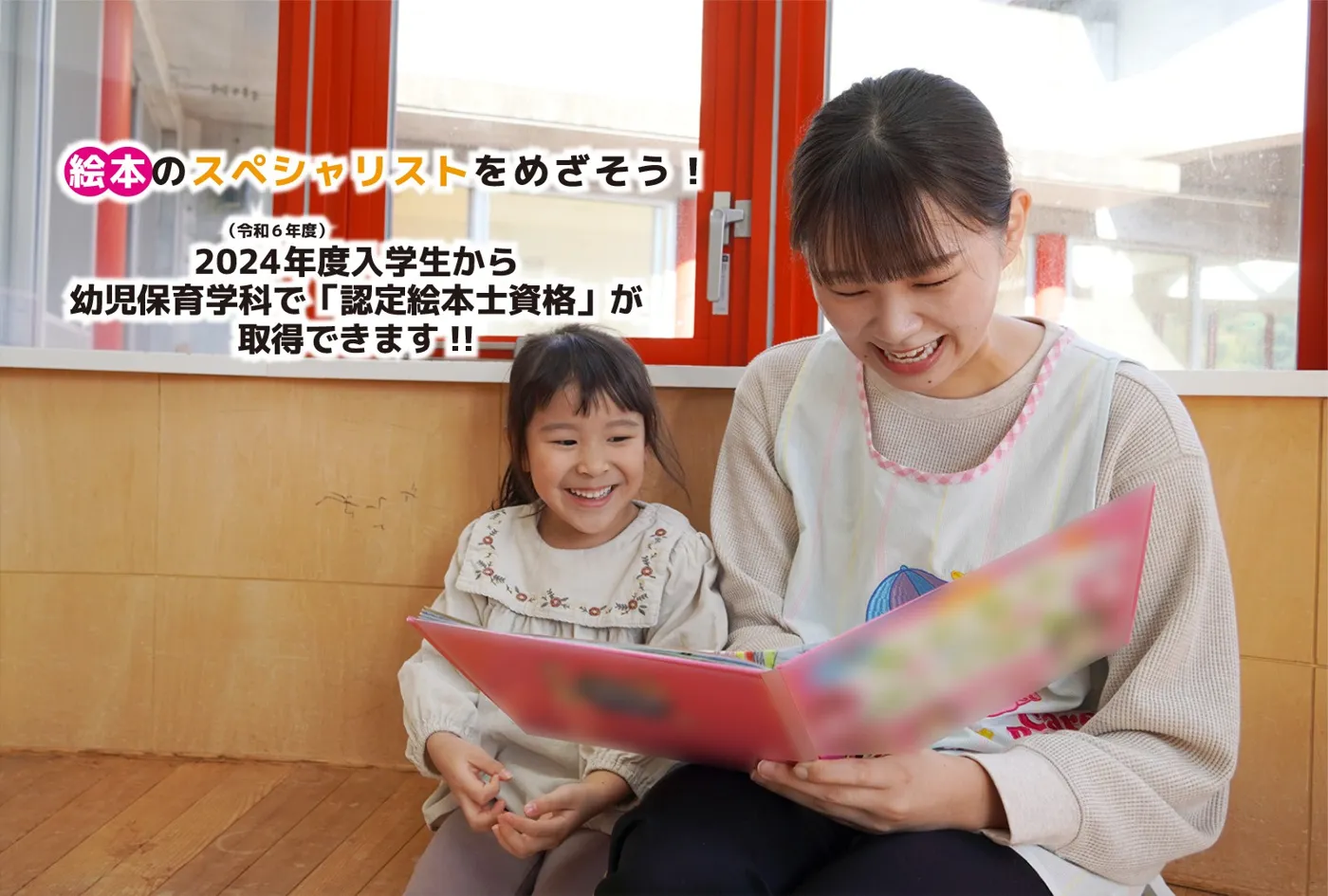
The Infant Education department places children's growth and wellbeing at the centre of its educational goals. It describes care for children, professional knowledge, practical skills and reflection on one's own actions as connected parts of preparation for early childhood work. Its course examples make this emphasis concrete. A music course uses children's songs and both individual and group instruction to develop skills for musical play appropriate to children's developmental stages. An art and play course considers making, looking and experimenting with different materials and tools. Students develop their own sensitivity and judgement while exploring forms of expression. A parenting support class uses group work and role play to examine childcare situations and relationships with parents. These examples combine expressive activity with the ethical and interpersonal dimensions of early childhood education.
Sources: Infant Education educational goals ↗ · Infant Education class introduction ↗
An extended route through the same curriculum
Alongside the established two-year route, the college advertises a three-year extended-study option using the same curriculum. Its purpose is to spread learning over more time, allowing additional space for assignments, preparation for practical work and activities outside class. The description includes opportunities to participate in clubs, volunteering and other experiences while building a foundation before placements. It also describes the possibility of taking subjects at the four-year university on the campus to gain credits in other fields. Applicants indicate interest during the application process, followed by further information and consultation about the extended-study route before a final selection. This is a different pace through junior college study, rather than a separate bachelor's programme or an additional academic department.
Sources: Three-year extended-study course ↗
Support for learning and student initiatives
The Study Support Center assists with specialist subjects, revisiting difficult school subjects and questions about student life. Its published services include preparation for examinations, overseas study and progression to further education. Support for clubs covers establishing a group, recruiting members and managing activities. A student project scheme supports independently planned activities, with selected projects able to receive funding and advice from staff. Academic provision includes preparation before entry, remedial classes and individual guidance outside normal class time. Online exercises allow practice in Japanese, mathematics, science, social studies and English. Face-to-face remedial teaching covers academic writing, mathematics, chemistry and biology. Students considering transfer after junior college can also obtain support through preparatory classes and group study. The centre thus connects academic assistance with participation in campus and community activities.
Sources: Study Support Center ↗
Campus spaces for practical and collaborative study
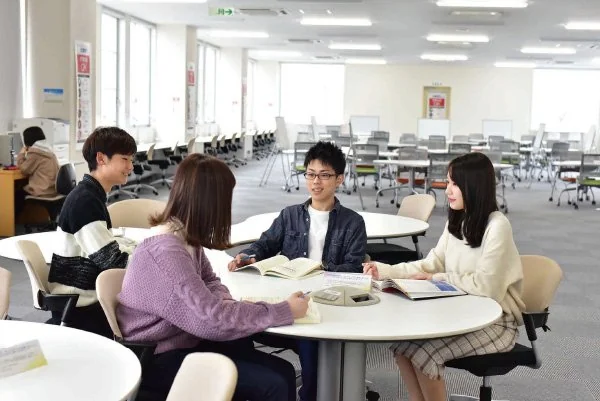
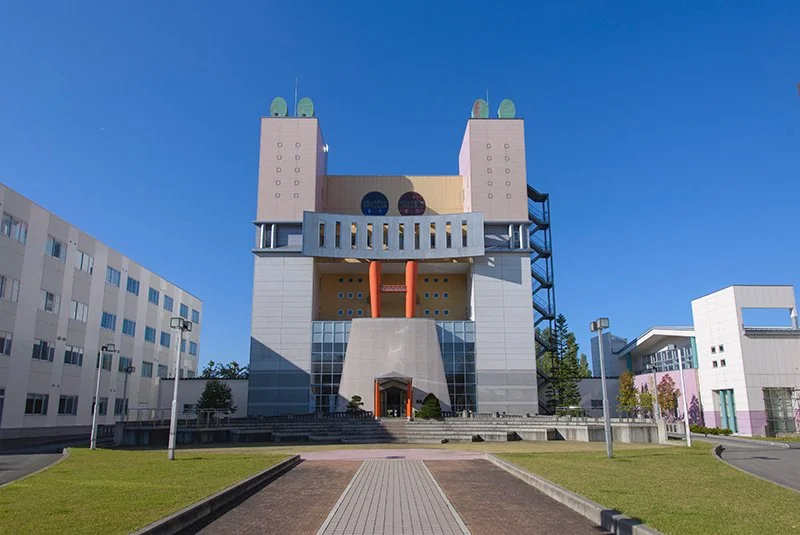
The campus is in the Yokouchi area of Aomori. Its main building contains a student hall, lecture hall and administrative offices. Building 1 houses Food and Nutrition practical rooms and art facilities used by Infant Education. Building 2 includes music practice spaces, a student lounge and an active learning room with flexible tables for group work. Building 7 brings together the library, learning support and career support services. The library combines a learning commons for discussion with a quieter study area, accommodating collaborative work and individual reading. The campus introduction also presents a small biotope as a setting for encounters with local living things.
Sources: Campus introduction ↗