Visa
About Aichi Bunkyo University
University identity and recruitment decision
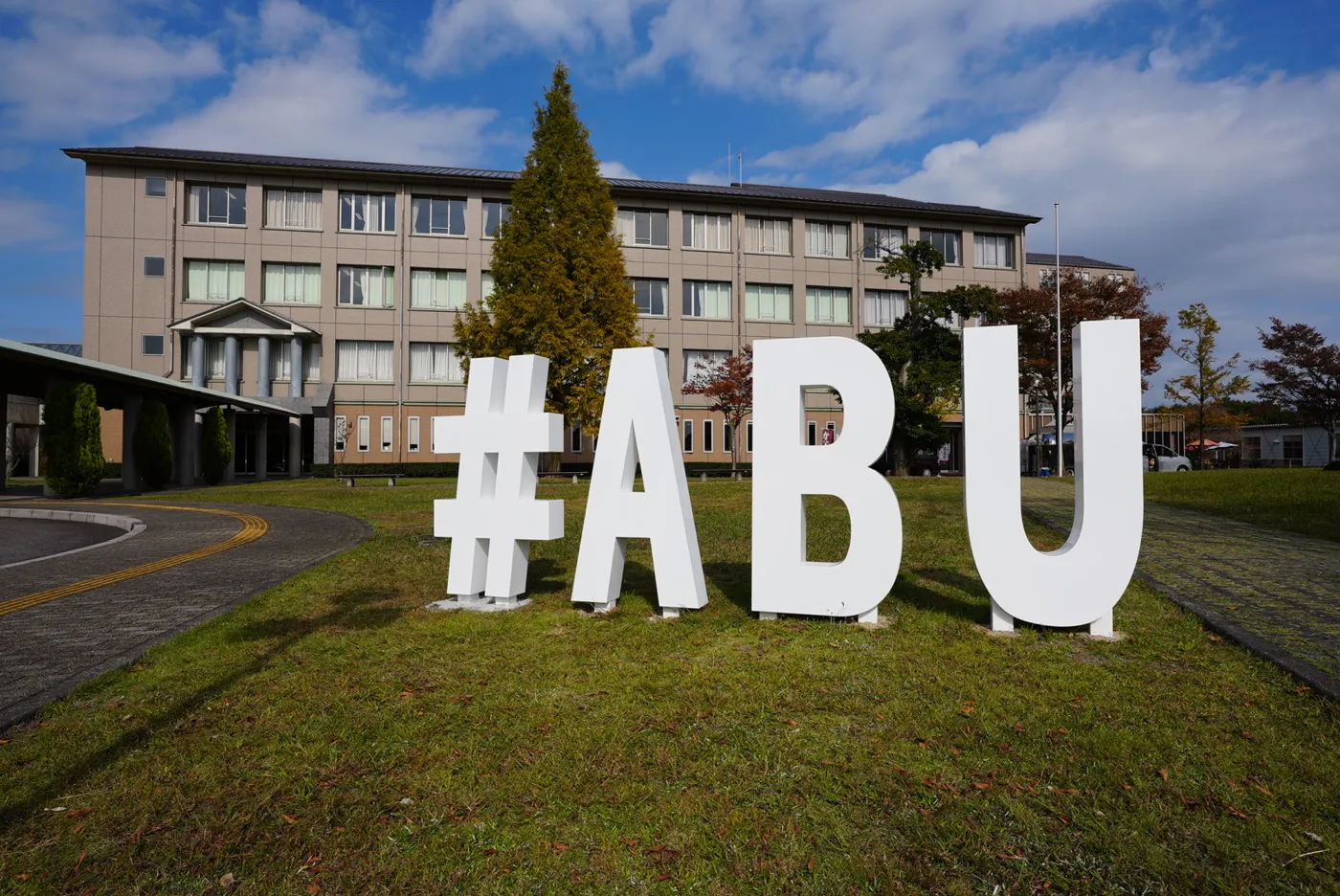
Aichi Bunkyo University is a humanities university in Komaki, Aichi Prefecture, Japan. It opened in 1998, followed by its graduate school in 2002. Its current institutional position requires particular attention: on 1 April 2026, the university announced that recruitment to both the university and graduate school would stop from the 2027 academic year. This followed a decision by the governing board on 30 March 2026. The announcement describes declining numbers of eighteen-year-olds and continuing enrolment difficulties, alongside consideration of changes such as new academic units and campus relocation.
The decision concerns future recruitment rather than an immediate end to teaching. The university states that it will maintain the educational and research environment and provide support until its enrolled students graduate. That commitment includes assistance with student life and career decisions. The programmes and facilities described below therefore explain the university's educational provision in the context of this announced transition.
Humanities and educational philosophy
The university belongs to Adachi Gakuen, whose educational history reaches back to the establishment of Inazawa Girls' High School in 1927. That earlier foundation is part of the school corporation's history, distinct from the university's own opening in 1998. Its founding philosophy links practical capability and upright conduct with a religious sensibility rooted in Buddhist educational thought. The contemporary educational discussion emphasises independence, resilience and the capacity to participate in a changing society.
Its undergraduate organisation centres on the Faculty of Humanities and Department of Humanities. The published course framework includes Global English, Chinese Language and Chinese Culture, Teacher Training, General Humanities and International Japanese for international students. Across this structure, understanding one's own culture accompanies engagement with other cultures and practical communication. At graduate level, International Culture brings together East Asian culture, Japanese culture and representation culture. Comparative perspectives and the interpretation of cultural expression connect the different areas of study.
Sources: 理念と教育 | 学校案内 | 愛知文教大学 ↗ · 学部・大学院 | 愛知文教大学 ↗
Literature, culture and independent inquiry
The General Humanities course approaches learning as a sequence of finding an interest, investigating it and communicating what has been discovered. Reading and cultural interpretation are linked with the ability to identify questions and explain an argument. Students can engage with classical literature, modern literature and forms of contemporary expression including animation, manga, cinema and other popular culture. The range allows cultural questions to be explored through both older texts and familiar modern media.
Work with historical writing includes learning kuzushiji, the cursive script needed to read many original Japanese documents. Regional inquiry draws on Komaki and Inuyama, combining documentary evidence with perspectives from archaeology, folklore and visual materials. Seminar work develops discussion, presentation and the use of evidence in an explanation. The course also introduces cultural history through subjects such as Oda Nobunaga and through experiences involving traditional court dress and kimono, bringing written study into contact with material culture.
Sources: 人文総合コース | カリキュラム | 学部・大学院 | 愛知文教大学 ↗
English through communication and cultural study
Global English combines progressive language learning with the study of society and culture through English. Its curriculum begins with foundational English and conversation before moving towards more advanced work across listening, speaking, reading and writing. Conversation classes use pair work with different partners, giving students repeated opportunities to produce language and respond to another speaker. Placement and staged study help organise learning according to developing proficiency.
At more advanced levels, English becomes a means of exploring subjects rather than only the subject being studied. Published examples include American popular culture, world literature in English, world religions, public speaking, discussion and debate. Specialist partner teaching also introduces practical communication contexts. Business communication and tour-guide exercises ask students to use English to explain Japanese everyday life and customs. These activities connect vocabulary and grammar with an identifiable audience, a purpose for speaking and the challenge of expressing cultural knowledge clearly.
Chinese language and reciprocal learning
Chinese Language and Chinese Culture provides different levels of study for beginners and students with previous experience. Small-group work includes pronunciation and conversation with native speakers, alongside vocabulary and grammar teaching by Chinese and Japanese instructors. The curriculum moves from introductory and intermediate conversation towards specialised applications such as current-affairs Chinese, interpreting, hospitality communication and audiovisual Chinese. This progression links language accuracy with comprehension in different situations.
Current-affairs activities ask learners to discuss events and express opinions. Interpreting study uses materials such as recorded interviews, broadcasts and conferences, while audiovisual work combines listening, reading, dictation and narration. Cultural understanding accompanies these language exercises. The published e-Tandem Learning initiative pairs participants with students at Beijing Foreign Studies University for reciprocal learning. Each side can practise a language and explain aspects of its own culture, making exchange a two-way educational activity rather than simply exposure to another language.
Spaces for study and campus life
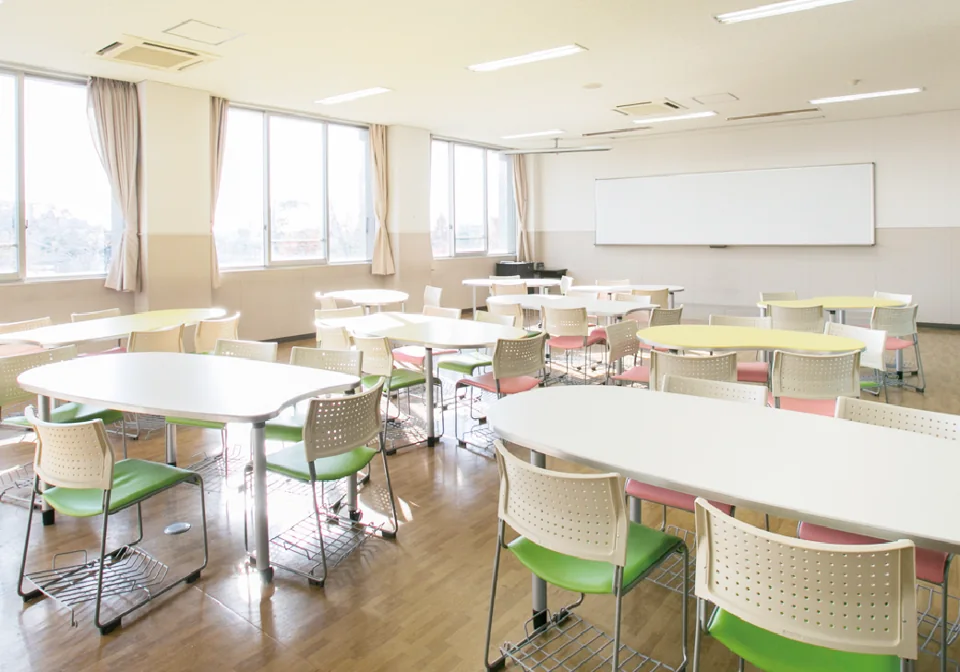
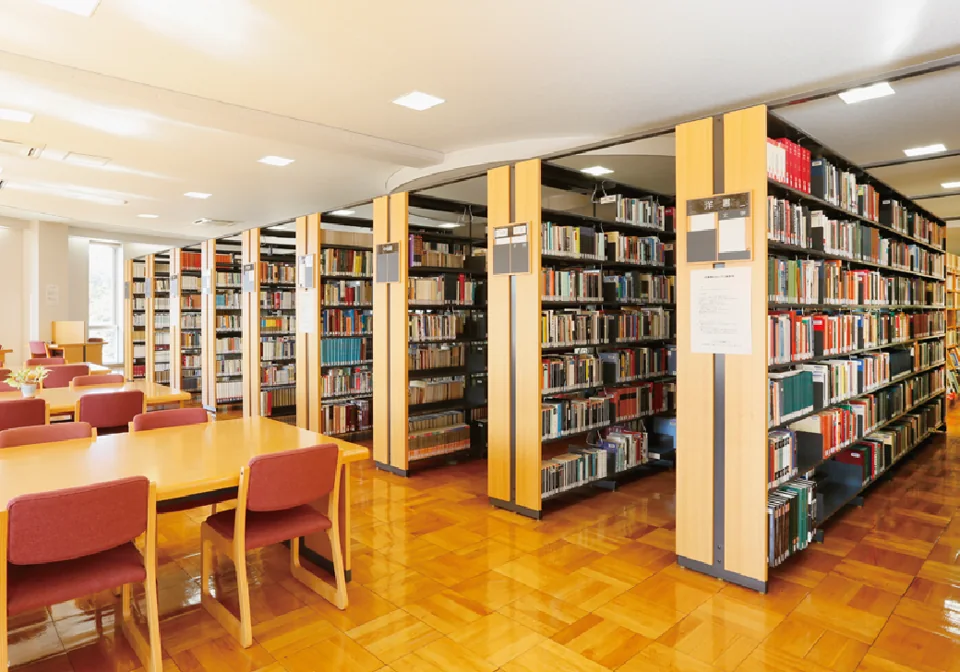
The campus facilities guide describes a library holding specialist books, general reading and magazines, with space for independent study. Teaching accommodation includes lecture rooms, computer and audiovisual facilities, smaller seminar rooms and an active-learning room arranged for discussion and group activity. A language lounge supports conversation in English and Chinese with native speakers and provides opportunities for Japanese students to help international students practise Japanese.
The International Exchange Hall accommodates teaching and university gatherings. Other shared spaces include the Cross Road Cafe, where meals, conversation and study overlap, and an outdoor terrace used for relaxation and events. A Japanese-style room offers a setting for encounters with traditional culture. Physical activity is supported by a gymnasium, grounds and tennis courts; club storage is provided separately. The facilities guide also identifies a career centre offering individual consultation and a furnished men's residence on campus.
Sources: 施設紹介 | キャンパスライフ | 愛知文教大学 ↗