Visa

About Aichi University of Education
A national university centred on education
Aichi University of Education is a national university in Kariya, Aichi Prefecture, Japan. Its institutional heritage begins with an Aichi teacher-training school opened in 1873, at the beginning of Japan's modern school system. The present university emerged in May 1949 through the integration of Aichi First Normal School, Aichi Second Normal School and Aichi Youth Normal School. It was initially established as Aichi Gakugei University with a single faculty.
The institution adopted the Aichi University of Education name, and its faculty became the Faculty of Education, in 1966. National university incorporation followed in 2004. Its current academic structure combines the Faculty of Education with graduate education in educational studies. The undergraduate faculty includes both school-teacher preparation and the preparation of educational-support professionals, reflecting an approach that considers the different people and forms of expertise involved in education.
Sources: 大学の沿革|愛知教育大学 ↗ · 教育組織(令和3年度以降)|愛知教育大学 ↗
The university charter
The university's charter places specialist scholarship alongside broad education, judgement and human development. Adopted in 2003, it describes education and research as contributions to peace, welfare, culture and academic development. Teacher education is a major part of that mission, including both initial preparation and opportunities for teachers to continue their professional learning.
Its research scope extends across educational sciences, humanities, social and natural sciences, arts, physical education, home economics and technology, as well as educational practice. The charter calls for relationships between knowledge about human development and methods of teaching. International exchange and cooperation with society form other strands of its mission. It also addresses students' participation in educational improvement, respect for human rights and the maintenance of a supportive environment for learning and research.
Sources: 愛知教育大学憲章|愛知教育大学 ↗
Two undergraduate routes
The Faculty of Education's organisation for entrants from 2021 distinguishes a School Teacher Training Programme from an Educational Support Professionals Training Programme. Teacher preparation includes early-childhood education, compulsory education, upper-secondary education, special-needs education and school-health education. The compulsory-education route considers children's development across the nine years of primary and lower-secondary schooling.
Subject specialisms range across Japanese, social studies, mathematics, science, music, art, physical education, technology, home economics and English. Other areas include school education, integrated learning, ICT support and Japanese-language support. Upper-secondary preparation emphasises specialist subject foundations, inquiry and dialogue in learning. The educational-support route has Psychology, Welfare and Educational Governance courses. Its focus is on professionals who cooperate with teachers as part of a school team, bringing different forms of expertise to children's education.
Sources: 教育組織(令和3年度以降)|愛知教育大学 ↗
Shared foundations and specialist study
The curriculum combines common education with specialist subjects for each route. First-year seminars develop independent university study, including communication, logical thinking and information searching. Career-design subjects invite students to examine educational professions and their social significance. Inquiry subjects draw on civic, multicultural, scientific and making-related literacies.
Other common subjects address contemporary educational issues such as support for children with overseas backgrounds, gender and sexuality in education, school health and safety, and the use and management of information. Teacher-training specialisation connects educational theory, subject content and teaching methods, followed by more advanced study and educational-practice development. Educational-support study examines human development, the foundations of education and cooperation within school teams. Both routes culminate in graduation research, giving students opportunities to investigate a question, analyse information and express their findings in a substantial final project.
Sources: カリキュラム(令和3年度以降)|愛知教育大学 ↗
Progressive experience in schools
The university's published teaching-practice framework places school experience in the first and second years before more extensive placements in the third and fourth years. This progression connects earlier observation and participation with later responsibility in educational settings. Required placements differ according to the student's specialism rather than following a single pattern for every student.
Third-year examples include kindergarten practice for early-childhood students, primary-school practice for compulsory-education students, and lower- or upper-secondary placements for the upper-secondary specialism. Special-needs and school-health students also undertake specified school practice. Fourth-year opportunities can add experience in another school type, while special-needs preparation includes a required placement in a special-needs school. The framework presents experience across settings as a way to understand differences between school types and their educational characteristics.
Sources: 教育実習等(令和3年度以降)|愛知教育大学 ↗
Support for university life
Students can use a range of consultation points for academic and everyday matters. Academic offices handle questions about classes, assessment, enrolment changes, teaching practice and experiential activities. Student-support services address financial assistance, accommodation, extracurricular activity and volunteering. International-exchange staff provide advice about study abroad and exchange activities.
Career staff and counsellors offer individual consultation about future plans and employment questions. A health-support centre provides consultation, while designated services address harassment and support students with disabilities. A general consultation corner helps students who are unsure where to direct a concern and can connect them with the appropriate department. This network gives students several routes to ask questions and seek assistance during their university studies.
Sources: 学生サポート体制(相談窓口)|愛知教育大学 ↗
Facilities at the Kariya campus
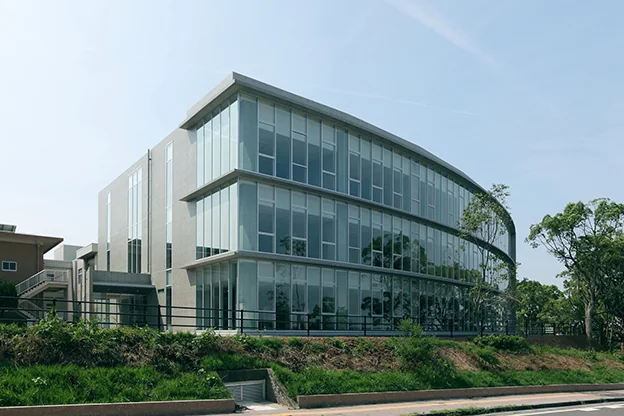
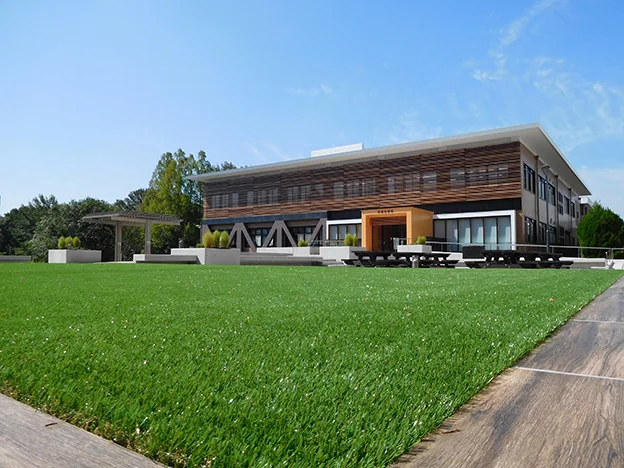
The campus guide describes an education-focused environment with specialist teaching and practice spaces. The library, fully renovated in 2017, separates areas for collaborative learning from quieter areas for books and study. Outdoor seating, exhibitions and events also make it a place for university and community interaction. The Education Future Building opened in 2014 and provides flexible graduate-school space alongside career support.
Other buildings accommodate sciences, music, art, technology, home economics, early-childhood and special-needs education. Music facilities include practice rooms and performance space, while the art and technology practice building incorporates open areas for creative exchange. Shared facilities include lecture rooms, sports buildings, dining and shops, and student residences. International education and exchange spaces provide further settings for learning and interaction on campus.
Sources: キャンパスマップ|愛知教育大学 ↗