Visa

About Aichi University Junior College
A two-year college in Toyohashi
Aichi University Junior College is located on Aichi University’s Toyohashi campus in Aichi Prefecture, Japan. Its two-year education combines general learning with practical subjects and opportunities to consider future work or further university study. The college identifies 1959 as its establishment year. Its institutional timeline also records earlier evening junior-college provision in 1950, followed by the replacement of the Toyohashi evening literature course with a women’s literature course in 1959.
The college’s academic structure changed over subsequent decades. A life studies course was added in 1961. The literature and life studies departments became Language and Culture and Contemporary Life in 2000, before being reorganized into the comprehensive Life Design department in 2005. This development brought previously separate areas together within a flexible programme connected to the wider university.
Sources: Junior college history ↗ · Current junior-college overview ↗
Designing an individual course of study
Students in the Life Design programme select subjects each semester across the two years. The college describes four registration stages: spring and autumn in the first year, followed by spring and autumn in the second. Some classes bring students from both years together. Required work includes foundational seminars and graduation research, while other parts of the curriculum allow students to choose subjects according to interests and developing goals.
The learning guide gives examples ranging from language and cultural study to office work, information technology and preparation for further university education. Graduation research seminars begin in the second year, allowing students to choose a theme and investigate it more closely. The curriculum therefore combines an initial broad exploration with a later opportunity to pursue a question through sustained seminar work.
Sources: Features of learning ↗
Foundations, areas and units
The curriculum is divided into a Basic Field of common subjects and a Select Field of specialist units. The Basic Field includes foundational academic skills, foreign languages and general education. The language provision encompasses English, Chinese, French and German. The college’s current curriculum description says that common education and foreign-language provision expanded from 2025, with many classes taught jointly with four-year university faculties.
The Select Field organizes learning into Japanese culture, English, office-related study, information, and psychology and society. These areas contain units such as Japanese literature, reading and writing, speaking and listening, business skills, career design, information design, librarianship, sociology and psychology. Students can concentrate on a particular interest or combine related areas. Published sample timetables illustrate how subjects can be arranged around employment preparation or an intended university transfer.
Sources: Curriculum areas and units ↗
Career learning through professional experience
Career development forms part of the college’s two-year educational programme. The main university overview describes support beginning in the first year and connecting formal classes with activities outside the curriculum. The aim is to help students consider their own direction while developing knowledge, practical abilities and habits relevant to working life.
The Career Planning subject is taken in the autumn semester of the first year. It brings working professionals into the classroom to discuss their careers, views of work and experience of life. Examples listed for 2024 include the actual work of administrative staff, women and work, career motivation and perspectives on working women. These examples provide a concrete account of career education through encounters with people who explain their experience directly.
Sources: Career Planning subject ↗ · Current junior-college overview ↗
Routes into further university study
The junior college describes both designated-school recommendation and general selection routes for transfer into the third year of a four-year university. Recommendation involves internal selection based on academic performance and other criteria, followed by selection by the receiving faculty through documents and interviews. General transfer selection can involve prior results, English and an essay. Requirements differ by destination.
For Aichi University, recommendation places are offered across its faculties and departments. Second-year junior-college students can also take faculty subjects as special auditing students, with earned credits recognized toward junior-college graduation under the scheme. The college provides individual guidance and information about arranging credits for further study. These opportunities connect the two-year programme with a longer academic route while retaining selection and course requirements.
Sources: Further study and transfer ↗
Shared facilities and dedicated student space
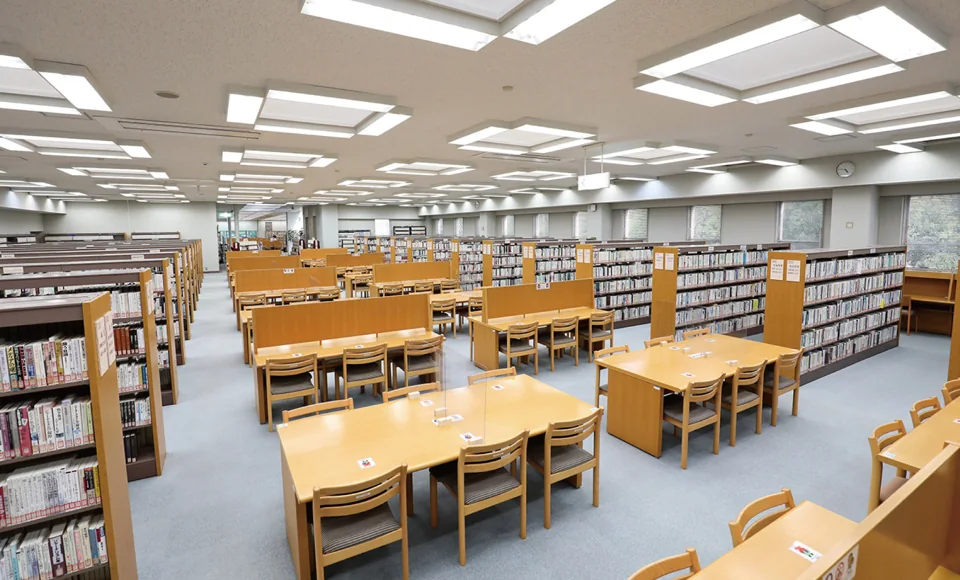
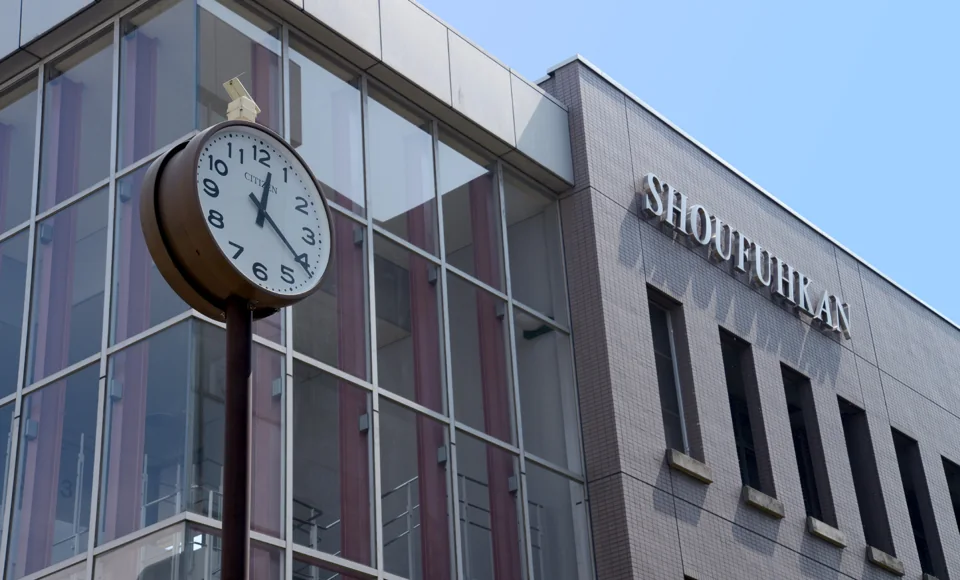
The junior college shares the Toyohashi campus environment with the four-year university. Its facilities page highlights the campus library and the Center Building, which opened in 2025 at Soyokaze Square. Alongside shared resources, Shofukan provides dedicated facilities for women students in the junior college, including a lounge, student association and club rooms, and a tea room used for tea ceremony activities.
Health and counselling services also support campus life. The health office encourages students to take an informed role in managing their wellbeing. The student counselling service offers help with difficulties or concerns arising during student life. Consultations can take place in person, by telephone or online, and students may attend with friends or family. These services sit alongside academic and extracurricular provision.
Sources: Campus and facilities ↗
A connection with poet Kaoru Maruyama
The college preserves a literary connection with Kaoru Maruyama, a poet associated with Toyohashi. Its official account records his appointment as a visiting lecturer at Aichi University in 1949 and as a professor serving the literature faculty and junior college in 1959. He wrote the words of the junior college’s student song, Kozue no Uta. A commemorative monument stands on the site of the former junior-college main building, and the college’s website presents the song and readings as part of this history.
Sources: Kaoru Maruyama and the junior college ↗