Visa
About Aichi Prefectural Okazaki School for the Deaf
A school and regional educational resource
Aichi Prefectural Okazaki School for the Deaf is based in Nishi-Achiwa, Okazaki, Japan. It opened in 1903 and serves as a centre for education relating to hearing disabilities in western Mikawa. Its educational provision includes kindergarten, primary, lower-secondary and upper-secondary departments. Alongside teaching enrolled children and young people, the school provides consultation and forms of support that connect it with families and other schools in the region.
The principal's 2026 introduction places academic foundations, communication and learning through experience at the centre of school development. Its motto brings together rich language, a bright spirit and a strong body. The school also works with neighbouring educational institutions and Tsukuba University of Technology. The principal describes an online collaborative project connecting primary pupils with other deaf schools and university educators, giving learning relationships a reach beyond the local campus.
Sources: 2026 principal introduction and school history ↗
Kindergarten and early learning
The kindergarten department's educational priorities begin with everyday habits, attitudes and a healthy basis for participation. Play is used to support children's initiative and growing independence. Interest in nature and familiar surroundings is encouraged alongside curiosity about language and the foundations of communication.
Families are part of this approach. Participation in activities and parent study meetings provide ways for the school and home to work together. Exchange and joint learning offer opportunities for children to take part in activities with friends. The emphasis is on development through play, relationships and experiences in familiar settings.
Primary education and communication
The primary department teaches the subjects and textbooks used in local primary schools, with individual support organised within small classes. It also provides independent-activity lessons addressing difficulties that can arise in learning and everyday life when hearing is difficult. These lessons include understanding one's own needs and communicating them to others.
The school's examples make this work concrete. Pupils may collect and connect seasonal vocabulary, consider what to do when a request is not understood, or learn how to explain the sounds they can and cannot readily hear. Other activities involve writing and presentations, discussing public-transport experiences, and comparing expression in Japanese and sign language. Joint lessons across year groups and experiential work with visiting instructors complement individual teaching. Exchange with local primary schools gives pupils further opportunities to learn and participate together.
Sources: Primary department ↗
Lower-secondary learning and participation
The lower-secondary department emphasises knowing when to concentrate on the task at hand and making thoughtful choices about school life. Its academic approach strengthens foundational learning through lessons designed to promote understanding and thinking. Japanese-language development and the ability to adapt communication methods are identified as continuing priorities.
Experiential education, shared learning and attention to everyday habits accompany subject teaching. The department describes exchange with Iwazu Junior High School through lessons, cultural activities and a marathon event, as well as opportunities to attend a pupil's local school. International activities invite guests to introduce their languages, cultures and school experiences. Clubs shared with the upper-secondary department include athletics, table tennis, volleyball, art and Japanese drumming. These provide settings for collaboration and participation across ages while extending interests beyond ordinary lessons.
Sources: Lower-secondary department ↗
Upper-secondary subjects and future planning
The upper-secondary department offers a general course with education corresponding to high-school study, together with independent-activity learning related to hearing and communication. Its published introduction describes teaching connected with each student's future plans. Examples include media and society, information skills and industrial practical learning.
Media work combines consideration of information ethics with video production. Information-skills classes develop word processing, spreadsheets and presentation software, while practical industrial activities include making things and maintaining environments. Teachers from Tsukuba University of Technology have contributed lessons covering information, design and topics related to disability and communication. Future-planning activities include visits to universities and workplaces, discussion with graduates and company representatives, interview practice and work placements. Students are encouraged to examine experiences and consider what they mean for their own plans. The programme thus connects general learning with practical exploration and the ability to explain personal needs.
Support across western Mikawa
The school's resource-room instruction serves eligible pupils in ordinary primary and lower-secondary classes across western Mikawa. Teaching can take place at the pupil's own school or at the school for the deaf. A specialist teacher normally works individually with a pupil, and parents or teachers from the ordinary school can observe the instruction. Arrangements are discussed with families and the schools involved.
Published teaching examples vary with educational stage. They include diary writing, pronunciation and accent, ways of communicating, subject learning, future planning and understanding how to explain one's hearing needs and reasonable accommodations. The service also provides information and responds to parents' questions. Exchange Plaza and Training Plaza activities during the summer connect pupils and families with educational staff who support children with hearing difficulties. This extends the institution's work beyond its own enrolled classes.
Consultation before school age
Ahiru Group provides early-childhood educational consultation for children aged zero to two and their parents. Its official information includes children who are deaf, have difficulty hearing or whose families have concerns about hearing. Families can contact the school with questions about hearing, language and interaction during early development.
The published service offers consultation by telephone, fax and email and states that consultation and assessment charges are free. It is an educational support point for families seeking information and guidance about their young child's communication and development.
Achiwa Dormitory
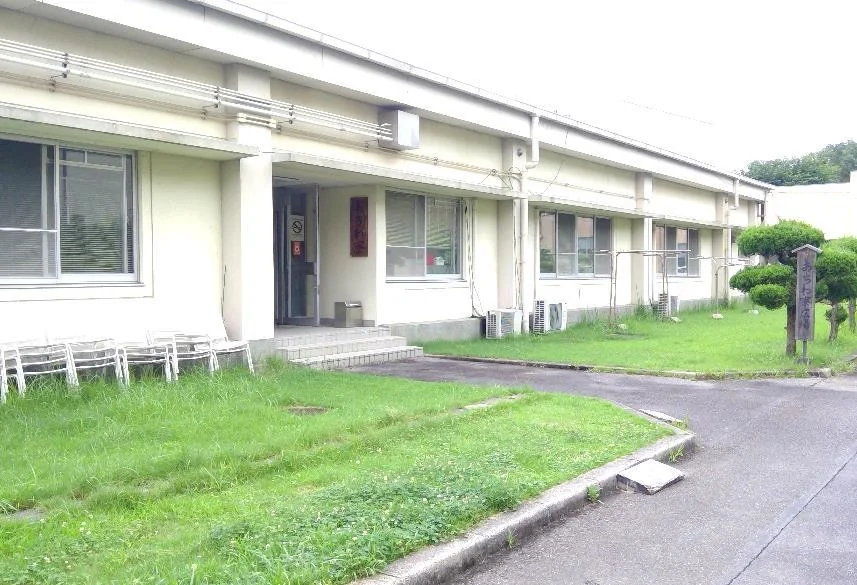
The school also has Achiwa Dormitory. Its name was chosen by residents in the 1998 academic year and refers to the Achiwa locality where the school and residence stand. The dormitory's stated aims combine following a daily routine independently with consideration for others and cooperation in shared living.
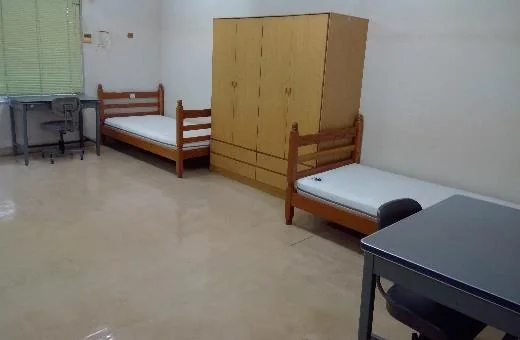
An official facilities guide, created in 2023 and retained on the current dormitory page, shows the residence north of the school grounds. Its photographs document bedrooms with beds, study desks and storage, alongside dining, washing and relaxation spaces. The guide describes shared use of facilities and a common area that can also be used for residents' meetings. These spaces place everyday routines and relationships alongside the academic learning of the school day.
Sources: About Achiwa Dormitory ↗ · Achiwa Dormitory facilities guide ↗