Visa
About Aichi Prefectural Mitsu High School
From Mito High School to Mito Aoba
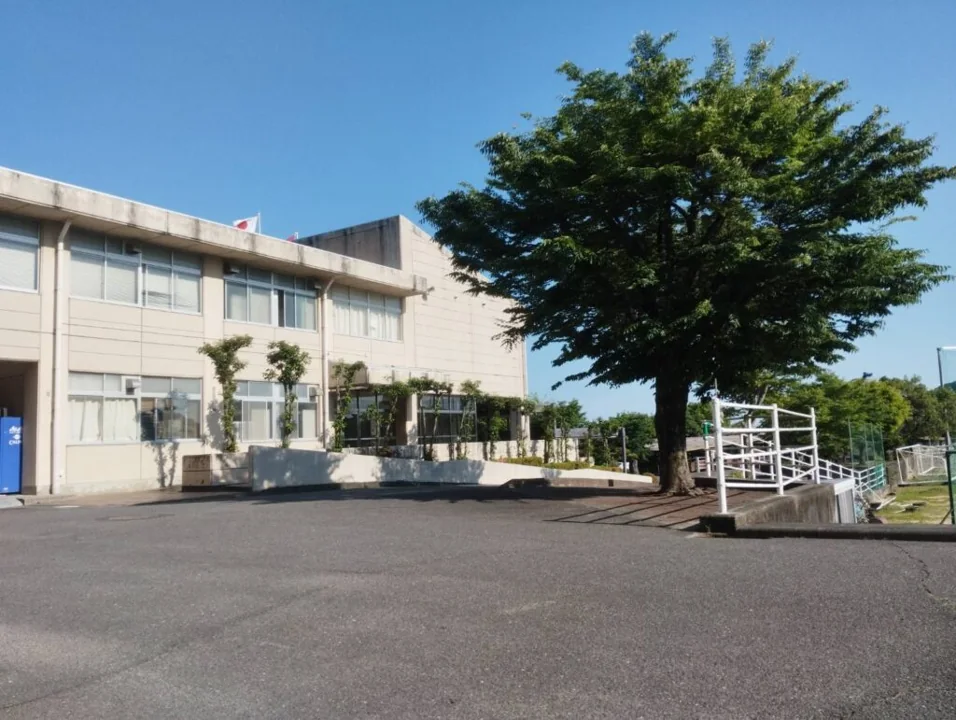
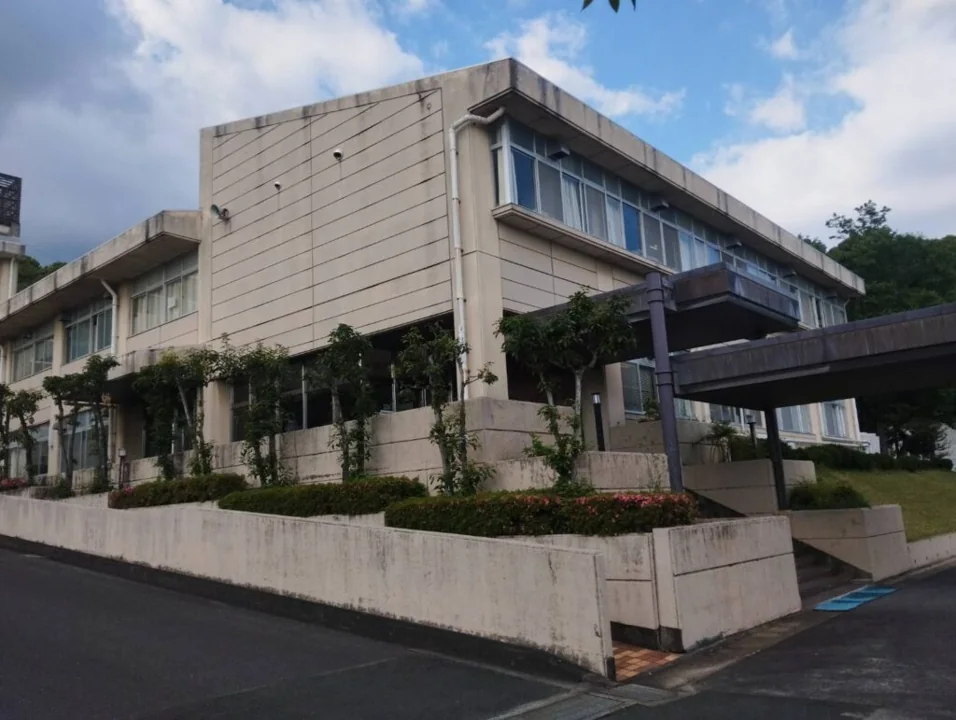
Aichi Prefectural Mito Aoba High School, formerly Mito High School, is a prefectural secondary school in Toyokawa, Aichi Prefecture, Japan. Its name is written 御津あおば高等学校, with the earlier school appearing in this directory under the English name Aichi Prefectural Mitsu High School. The campus is in Mito-cho Toyozawa within Toyokawa.
The school's first entrance ceremony took place in April 1986. An English department followed in 1989, and language education and international understanding became important parts of its identity. Its history records an international liberal-arts department in 2013 and a sister-school agreement with Wyndham Central College in Australia in 2019. In April 2023, the institution changed its name from Mito to Mito Aoba and introduced a credit-based general-education structure with daytime part-time provision. Correspondence education was added in 2025, creating the school's current flexible model.
Sources: School introduction and history ↗
Three connected ways to study
Mito Aoba combines full-time, daytime part-time and correspondence education within one school. Its official description calls this a flexible high school, with arrangements allowing students to take classes across formats or move between them when the relevant conditions are met. Its credit-based organisation also allows opportunities to repeat subjects that have not yet been completed.
Full-time study involves attendance across five weekdays, while daytime part-time study uses a shorter daily class schedule. The school describes the possibility of part-time students taking additional full-time classes to work towards a shorter completion route, subject to its requirements. Correspondence provision adds another form of learning within this connected structure. The model is intended to respond to different student circumstances and educational needs. The school places language learning and international understanding alongside this flexibility, while students' course choices and study plans remain linked to the requirements of their particular pathway.
A policy centred on cooperation and diversity
The school's published policy emphasises knowledge, independent judgement and the ability to work with others. It describes students who accept different values, recognise diversity and contribute to both the local community and a multicultural society. Persistence and a willingness to engage seriously with learning are also among its educational aims.
The policy connects these aims with small-group teaching and support attentive to different educational needs. Inquiry and discussion using information and communication technologies form part of its approach, alongside career guidance linked to students' interests. It also identifies cooperation with overseas schools and external organisations, international-understanding education, moral and human-rights education, and special activities. This gives the school's flexible study structure a shared educational direction: different pathways operate within an institution concerned with participation, mutual respect and opportunities for students to develop their strengths.
Sources: Official school policy ↗
Full-time subject routes and language learning
The 2026 school brochure presents four full-time routes: English, science and mathematics, general study, and a multi-pathway option. Students select a route from their second year, following a common first-year foundation. The routes provide different balances of subjects, allowing more emphasis on languages or mathematics and science, or a broader set of choices.
The brochure also highlights language learning beyond ordinary classroom study. It identifies English Day activities, an English camp and opportunities for English-route students to deliver English lessons at elementary schools. French and Chinese appear among its language subjects, while Japanese-language learning is available within provision for students who need that support. The school lists overseas partner schools in Australia and the Czech Republic. These examples connect language study with communication and cultural exchange, reflecting a tradition that developed under the earlier Mito High School name.
Sources: 2026 school information brochure ↗
Planning for life after school
A report published on 2 November 2026 describes a life-planning lecture for students in their third and fourth years. The school welcomed a speaker from the nonprofit Frontier Toyohashi for the session. Topics included the money and public systems associated with life events such as education, housing, family formation and pensions.
The activity brought practical questions about adulthood into the school setting. Students considered how different stages of life can involve financial decisions and how relevant systems fit into those situations. The report presents the session as part of helping students understand their future lives. It provides a dated example of educational activity extending beyond individual academic subjects and immediate examination preparation.
A first-year career discussion
In October 2026, the school reported a career lecture for first-year students by the head of Toyama Kogyo, an industrial company. The speaker drew on professional experience to discuss differences between school and working life, what businesses look for in people and abilities students could begin developing during high school.
The report describes pupils listening and taking notes, with trust emerging as a theme of the discussion. The account connects the talk with reflection on future direction and on making use of everyday school experiences. This is an example of the school bringing a representative from the working community into contact with students early in their high-school education, alongside the later-year life-planning programme.
Sport, culture and voluntary activity
The club directory includes sporting activities such as volleyball, basketball, soft tennis, athletics, Japanese archery, kendo, football, badminton, table tennis, baseball and swimming. Cultural activities include English-related participation through ESS, visual art, Japanese culture, wind ensemble and baton activities. A volunteering project, MVP, is also listed.
The school describes club participation as an opportunity to develop independence through sport and cultural or artistic work. Its school-life page also presents campus photographs credited to the Visual Art Club. This gives a concrete example of students contributing to how the school community is represented, alongside their involvement in clubs and wider school activities.
Sources: Club activities ↗ · School life: campus photographs credited to Visual Art Club ↗