Visa
About Aichi Prefectural Kasugai Higashi High School
A high school rooted in its local community
Aichi Prefectural Kasugai Higashi High School is a general-course secondary school in Kasugai, Aichi Prefecture, Japan. Its official address is 703-73 Kamiyabora, Hazama-cho. The school opened in 1978 and describes its setting as a green, elevated area in eastern Kasugai. Its educational aims are expressed through three kinds of personal development: thinking, warmth towards others and resilience.
The principal’s message presents the school as closely connected with its surrounding community. It emphasises attention to individual students, respect for their different qualities and cooperation between students and staff in pursuing goals. Academic work, clubs and school events are all part of this account. Volunteering provides another connection, including cleanup activities, visits to facilities for older people and exchanges with a special-needs school. These activities place social participation alongside classroom education in the school’s description of its purpose.
Sources: Principal’s message ↗
Learning, responsibility and respect for others
The school’s educational policies identify lifelong learning as a central aim. They also emphasise the foundations needed to respond to problems: gathering and using information, thinking, judgement, expression and communication. Respect for different people and values is connected with perseverance in addressing shared questions and contributing to the local community.
The curriculum policy includes individual learning support, help with school life and the establishment of independent study habits. Managing study at home is part of this emphasis on responsibility. Information and communication technology is treated both as a tool for learning and as something students should learn to use appropriately.
Collaborative and dialogic learning, inquiry linked with sustainable development, career education and human-rights education are also identified. Students are expected to participate actively in events, council activities and clubs. Volunteering is described as an opportunity to deepen understanding of oneself while engaging with the community. Together, these policies connect academic skills with the habits and relationships through which students take part in school and society.
Sources: Educational policies ↗
Practical experiences followed by reflection
The school’s distinctive-education page describes learning through contact with the community, followed by dialogue and reflection. The intention is for an experience outside school to inform subsequent decisions and action rather than end when the visit or activity finishes. Thinking, communicating and acting are presented as related capacities.
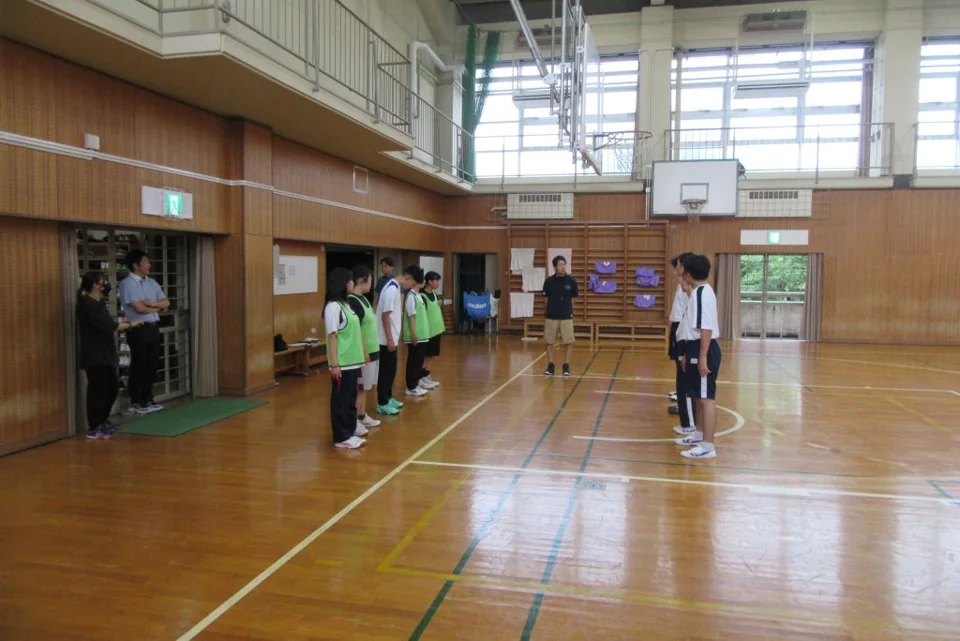
Examples include sports-exchange volunteering with Kasugadai Special Needs School, neighbourhood cleanup, participation in the Sakashita Shitakaido festival and interaction with older people at Shunryokuen. Students also assist at local festival events. These activities bring them into contact with different ages, organisations and community settings.
The same page describes small-group and proficiency-based support and dialogue concerning learning, everyday school life and future plans. It also refers to off-campus experiences involving childcare and nursing. Its approach therefore combines individual attention with opportunities to encounter situations beyond the school. The school identifies further strengthening of community links as a continuing direction for its development.
Sources: Distinctive education and regional learning ↗
Career education across the three school years
Kasugai Higashi’s career education considers students’ ways of living and future development as well as the immediate choice of destination after graduation. Its framework builds self-understanding and understanding of society progressively across the three years. Inquiry, practical experience and reflection are used to help students ask their own questions and consider possible answers.
First-year activities include lectures delivered by teachers from universities and vocational institutions. These introduce connections between academic subjects, interests and further study. Talks by people working in society provide another perspective on the meaning of work. Graduates also return to describe successes, difficulties and learning during their own high-school years, giving younger students experiences against which to consider their own choices.
The school uses Classi and portfolios to record learning and experience. Keeping and reviewing these records is intended to connect past activity with subsequent development. University visits are also identified as a possible form of career learning, with arrangements varying by year. This makes the programme a continuing process of exploration and reflection rather than a single guidance event.
Sources: Career education ↗
Community volunteering in practice
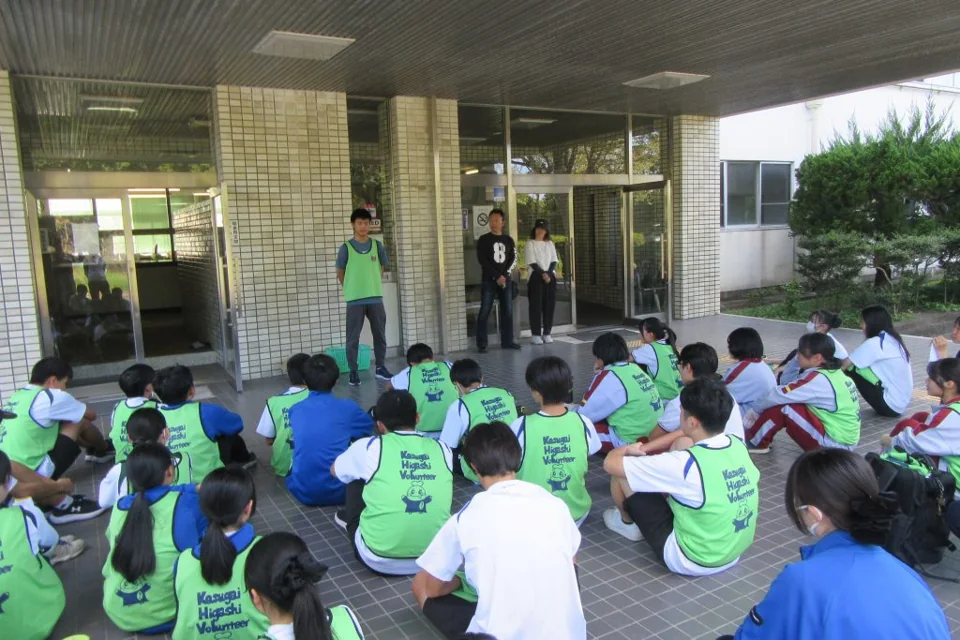
A report published on 13 October 2026 describes the school’s second cleanup-volunteering activity of the year. Students and staff worked with members of the Neopolis neighbourhood association after the final day of an examination period. The activity included collecting rubbish and fallen leaves around roads and parks.
The report highlights cooperation with residents and opportunities for exchange with people in the neighbourhood. It provides a specific example of the wider regional-learning approach described in the school’s educational materials: students undertake a practical task alongside local people and encounter the community through shared activity.
Sources: Community cleanup volunteering, October 2026 ↗
Student council and the organisation of school life
The school’s October 2026 report records the certification of student council officers for the second half of the school year. Their responsibilities include preparing and operating the sports festival, helping run an arts-appreciation event and awareness activities during Human Rights Week.
The officers also consider arrangements for events in the following year. These duties give students responsibilities within the organisation of school life, linking event planning with communication and participation. They complement the policy emphasis on students taking an active role in school activities and learning to work with others.