Visa

About Aichi Mizuho Junior College
Identity and historical development
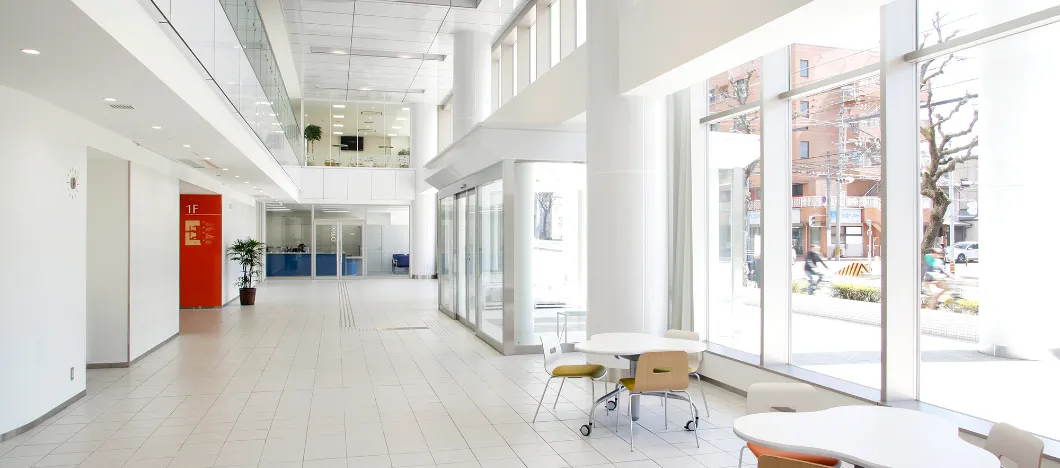
Aichi Mizuho Junior College is a women's junior college in Mizuho Ward, Nagoya, Aichi Prefecture, Japan. It is part of Segi Gakuen and is distinct from the school corporation's four-year Aichi Mizuho University. The junior college opened in 1950 as Mizuho Junior College, following the introduction of Japan's junior-college system. Its educational background combines women's higher education with an interest in health, nutrition and scientific ways of thinking.
The school corporation's origins precede the junior college: the Segi Foundation was established in 1939, and a girls' school opened the following year. The junior college was renamed Aichi Mizuho University's junior-college division in 1994 and adopted its present Japanese name in 2018. That year also brought the reorganisation of the child-life specialisation into the Department of Contemporary Early Childhood Education. These developments belong to the junior college's history, alongside the separately established four-year university.
Sources: 短大の歴史 愛知みずほ短期大学 - 学校法人瀬木学園 愛知みずほ大学 ↗
A two-year educational approach
The college's founding ideal centres on women developing scientific judgement through the study of health and hygiene. Its president's message connects that ideal with understanding food, health and growth, and with participation in both society and family life. The two-year programme is presented as an opportunity to develop flexible capacities for life as well as subject knowledge.
Small-group learning is an important part of the published educational approach. Discussion and group assignments give students opportunities to express an opinion, listen to others and work towards a shared result. Tutors provide an identifiable point of contact for academic questions, student-life concerns and future plans. The college also offers supplementary study through programmes in health and information, food and nutrition, and child education. These allow students to connect their main field with related interests while developing computer, communication and presentation skills.
Sources: 建学の精神・学長挨拶 愛知みずほ短期大学 - 学校法人瀬木学園 愛知みずほ大学 ↗ · 短期大学の特色 愛知みずほ短期大学 - 学校法人瀬木学園 愛知みずほ大学 ↗
Food and nutrition studies
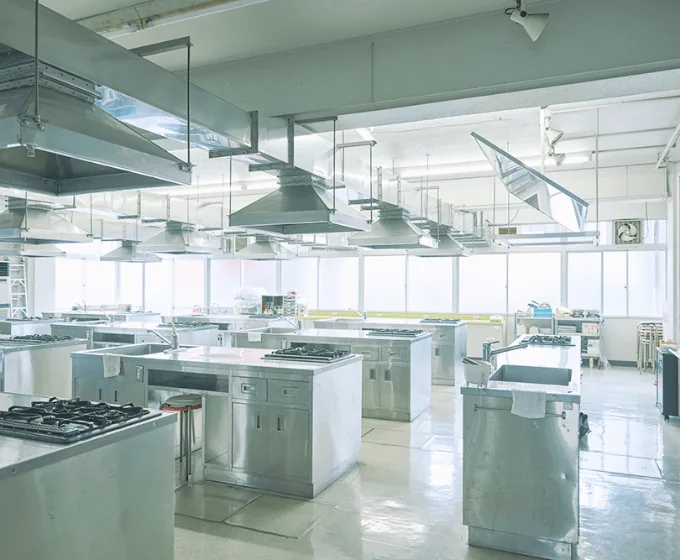
The Food and Nutrition specialisation combines knowledge of food with practical cooking, laboratory work and collaborative projects. Foundational study includes nutrients, calculations, chemistry and the human body. Later work considers subjects such as food education, allergies, meals for older people and the relationship between nutrition and health. The curriculum links these topics with practical assignments rather than relying only on classroom explanation.
Published examples include recipe development with food manufacturers and work on products addressing food-related problems. Group activities examine food loss, including the amount discarded during menu preparation and possible uses for ingredients that might otherwise be wasted. Cooking and laboratory classes cover meal-service management, food processing and food hygiene. Graduation research brings together the selection of a problem, planning, trial production and presentation. Opportunities to hear from graduates and visit meal-service facilities help students understand how their studies connect with different working environments.
Sources: 食物栄養専攻 愛知みずほ短期大学 - 学校法人瀬木学園 愛知みずほ大学 ↗
School health and educational practice
The school-health teacher course is located within the Life and Culture specialisation of the Department of Life Studies. Its subjects address school health management, health education and the operation of a school health room. Teaching includes role play, simulated lessons and small-group exercises, with contributions from instructors who have worked in educational settings. Communication with graduates offers another perspective on school-based work.
Early seminar activities develop library research, report writing and computer-based presentations. Students prepare materials on school environmental hygiene and practise explaining them to others. Later work includes the development of teaching resources, mock lessons and a graduation research report, refined through individual supervision and feedback at intermediate presentations. Published subject examples include educational psychology, health consultation and school emergency nursing. The course therefore combines knowledge about children's development with the preparation and discussion of educational activities.
Office studies and social experience
The Office General course introduces information technology, business communication and problem solving alongside opportunities to explore different kinds of work. Its seminar structure includes researching industries and employers, preparing reports and presentations, and reflecting on personal interests. Students can encounter workplace perspectives through external speakers, visits and work-experience opportunities in settings such as businesses, hospitals, pharmacies and welfare organisations.
Social-practice activities include volunteering at Nagoya welfare facilities, with preparation and subsequent consideration of issues encountered during the activity. Students organise their findings into presentations. Individual subjects extend beyond office software: media practice involves making and discussing still images and video, while facilitation examines dialogue, consensus and support for group activity. Business-practice exercises use role play to examine professional interaction. Other published subjects consider constitutional issues in everyday life and hygiene and public health, giving the course a broader social context.
Sources: 生活学科 生活文化専攻 オフィス総合コース 愛知みずほ短期大学 - 学校法人瀬木学園 愛知みずほ大学 ↗
Early childhood education
The Department of Contemporary Early Childhood Education combines theoretical study with opportunities to plan and carry out activities for children. Students investigate child development, prepare teaching materials and organise events in groups. Published examples include student-led Mizuho Genkids activities and participation in parent-and-child events organised with the Mizuho Ward office. These activities connect learning about children with observation, preparation and subsequent reflection.
The curriculum includes music, creative expression, play and health, children's food and nutrition, and natural science for children. Piano teaching includes individual lessons as well as opportunities to practise singing while playing. Students can choose a research theme such as musical drama, movement play, teaching materials or child welfare, collect literature and field information, and prepare a report. Intermediate and final presentations provide occasions to explain results and consider feedback from teachers and fellow students.
Sources: 現代幼児教育学科 愛知みずほ短期大学 - 学校法人瀬木学園 愛知みずほ大学 ↗
Teaching and shared campus spaces
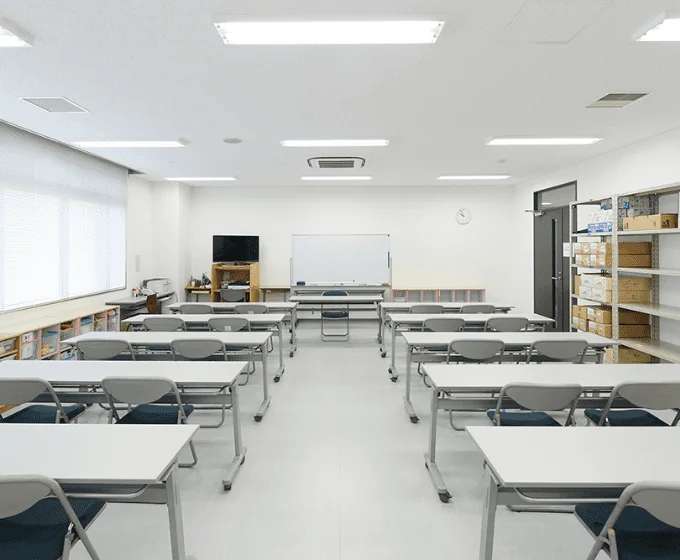
The official campus guide identifies specialist rooms that reflect the junior college's practical subjects, including cooking classrooms, a cooking laboratory, a meal-service management room, childcare practice and creative-work rooms, and a music room. It also lists chemical laboratories and information-processing facilities. These spaces form part of the shared campus presented by Segi Gakuen's university and junior college.
Alongside teaching rooms, the guide shows a library and library annex, learning commons, lounges and a student salon. A cooking lobby provides another common space near the food-related facilities. The range of rooms gives practical teaching, independent study and informal interaction identifiable settings within the campus.
Sources: キャンパス紹介 - 学校法人瀬木学園 愛知みずほ大学 ↗