Visa


About Aichi Medical University Hospital
A teaching hospital in Nagakute
Aichi Medical University Hospital is the university hospital in Nagakute, Aichi Prefecture, Japan, operated by the Aichi Medical University educational corporation. Its published address is 1-1 Yazakokarimata, Nagakute. The hospital combines patient care with clinical education and research, providing a professional setting in which students and doctors in training learn alongside experienced staff.
The Postgraduate Clinical Training Center’s introduction dates the hospital’s opening to 1974 and the creation of the centre to 2003. The hospital’s present overview describes a reform plan covering the 2024–2029 financial years. Its stated purpose is to maintain education, research and clinical functions while responding to changes in doctors’ working arrangements and building a sustainable operational foundation. This identifies the hospital’s educational role as part of its continuing institutional responsibilities, alongside its role in regional healthcare.
Sources: Hospital overview and reform plan ↗ · Postgraduate Clinical Training Center ↗
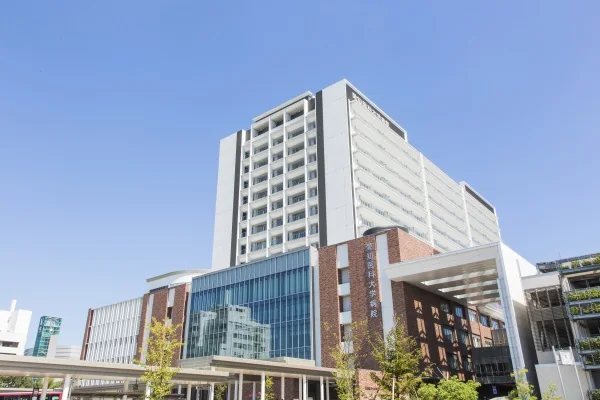
Education grounded in professional responsibility
The hospital’s philosophy connects clinical care, education and research with social contribution. It describes an educational role in developing healthcare professionals with both technical ability and a strong sense of humanity. Its basic policies include respect for the whole person, relationships of trust, attention to safety, development of medical knowledge and cooperation with regional providers.
The patient-rights statement includes understandable explanations, respect for personal decisions, access to information and protection of privacy. It also addresses voluntary participation in clinical research and the ability to withdraw. The hospital explicitly identifies itself as a setting for clinical education involving medical, nursing and other healthcare students. Its ethical framework therefore forms part of the environment in which future professionals learn, connecting technical education with communication, dignity and responsibility towards patients.
Clinical placements for medical students
The hospital’s explanation of student placements distinguishes knowledge acquired from books and skills practised with models from the attitudes and understanding developed through direct clinical experience. It presents placements as essential to educating medical, nursing and other healthcare professionals who can earn trust and work responsibly.
Medical students undertake a common assessment of the knowledge and skills required before entering clinical placements. The hospital states that students who pass are permitted to participate in clinical training, with their activities carried out under the guidance and supervision of doctors. Its public information also explains that patients’ wishes about cooperation with student education are respected. These arrangements frame the placement as supervised professional learning within the hospital, rather than independent practice by students.
Postgraduate training and progressive supervision
The Postgraduate Clinical Training Center coordinates initial medical training with dedicated teaching and administrative support. Its published options include a general programme based within the university, a general route incorporating experience at cooperating community hospitals, and special programmes focused on obstetrics and gynaecology or paediatrics. The training description includes rotations through the Primary Care Center and experience across emergency and other clinical settings.
Supervision is organised progressively: second-year residents support first-year residents, while more senior doctors guide second-year residents. The centre also describes introductory seminars, practical training through hospital teams and opportunities to select departments in line with professional interests. The hospital’s separate training overview emphasises the development of basic clinical attitudes, skills and knowledge, together with understanding medicine’s social role. It identifies supervision, relevant departments, facilities, information management and safety systems as elements of the training environment.
Sources: Postgraduate Clinical Training Center ↗ · Clinical training hospital ↗
Research review and institutional oversight
The hospital’s Clinical Research Review Board provides a formal route for reviewing clinical research. Its published process includes submission of study documents, an administrative check, committee consideration and notification of the outcome. The documentation includes research plans, explanatory and consent materials, information about participating researchers and conflict-of-interest arrangements.
The board’s information also addresses changes during research, periodic reporting and the conclusion or discontinuation of studies. Committee schedules and summaries of meetings are made available through its official page. This provides a visible institutional structure for oversight, connecting research activity with review, documentation and continuing reporting. It complements the hospital’s statement that ethical consideration forms part of decisions about clinical research.
Sources: Clinical Research Review Board ↗
Regional cooperation and continuity of care
The Medical Collaboration Center brings together functions concerned with referrals, discharge support and connections with other organisations. The hospital established a regional medical liaison office in 2003 and integrated several services into the centre in 2006. Admission and discharge support was added with the new hospital in 2014.
The centre’s description includes medical welfare consultation, continuing nursing consultation, psychological consultation and nutritional consultation. Its regional liaison function provides a point of contact between referring professionals and hospital doctors. The hospital-to-hospital network supports cooperation according to the roles and facilities of participating institutions. Published activities include professional study meetings, information about partner facilities and work on shared information used when patients move between organisations. These are concrete organisational links between the university hospital and its surrounding region.
Sources: Medical Collaboration Center ↗
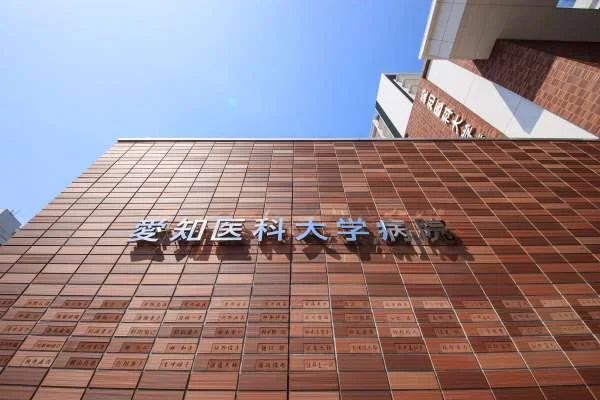
Information resources supporting the hospital community
The hospital’s related-facilities guide identifies the university’s Comprehensive Academic Information Center as a resource supporting education, research and clinical departments. Located in the main university building, it handles medical, healthcare and nursing information. Its collections include specialist books and academic journals.
The guide also describes shelves open to local residents and hospital patients, together with material that helps people locate information. This extends the information centre’s role beyond academic users while maintaining its connection with professional education and research. It provides another link between the university’s knowledge resources, the hospital community and the public.
Sources: Related facilities and academic information resources ↗