Visa

About Aichi Medical University
A medical university in Nagakute
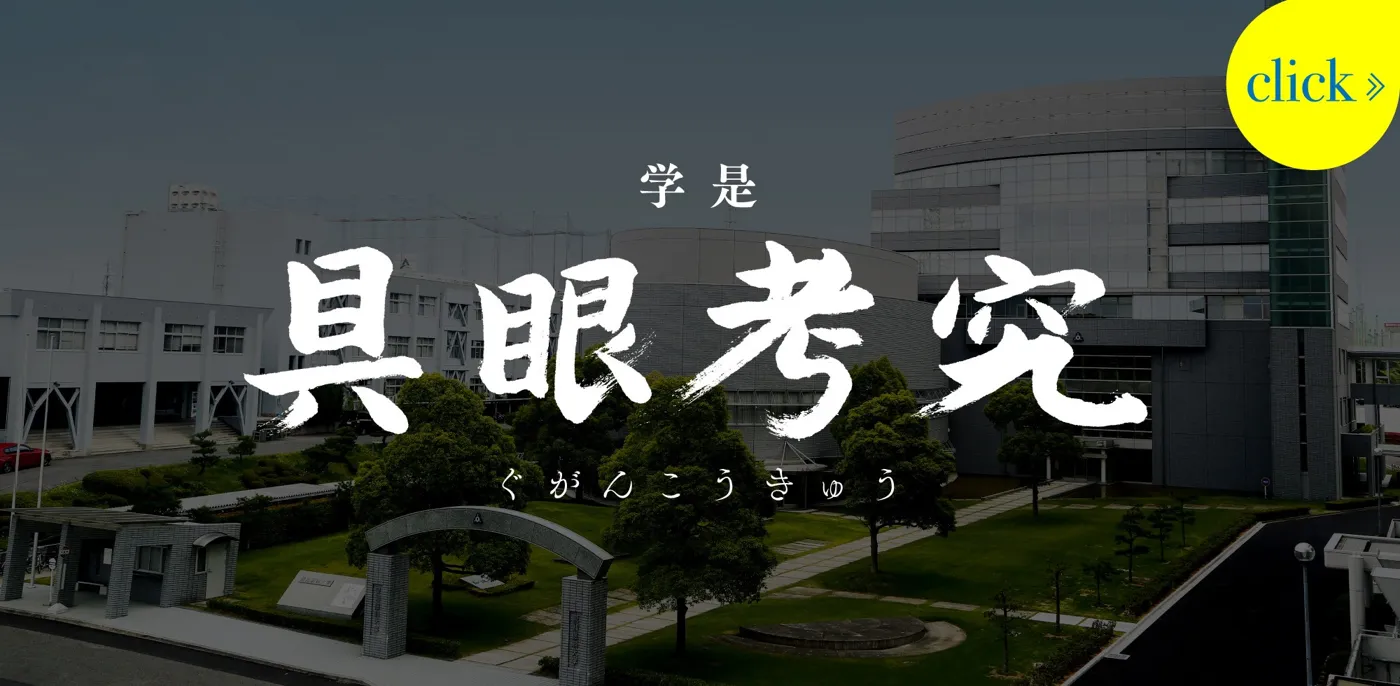
Aichi Medical University is based in Nagakute, Aichi Prefecture, east of Nagoya. Its academic organisation comprises a Faculty of Medicine, a Faculty of Nursing and graduate schools in medicine and nursing. Education and research form the university's core work, alongside the clinical institutions operated by its school corporation. The university and its associated hospital are connected parts of this organisation, while the university's role extends to undergraduate education, postgraduate study and research support.
Approval for the university and its medical faculty was granted in December 1971, and medical teaching began in 1972. The institution marked its fiftieth anniversary in 2022. Its subsequent development included approval of the Graduate School of Medicine in 1980, the Faculty of Nursing in 1999 and the Graduate School of Nursing in 2003. This expansion established medicine and nursing as the institution's two principal academic fields.
Sources: 理事長メッセージ | 愛知医科大学 ↗ · 沿革 | 愛知医科大学 ↗
Founding purpose and approach to inquiry
The university's founding purpose brings together medical knowledge, practical expertise and a broad education. It emphasises service to regional society and the preparation of people able to contribute to the development of medicine. Its educational statement also identifies respect for human life, humanism and students' independent motivation as important foundations. Basic sciences, basic medicine and clinical medicine are organised as connected areas rather than isolated stages of learning.
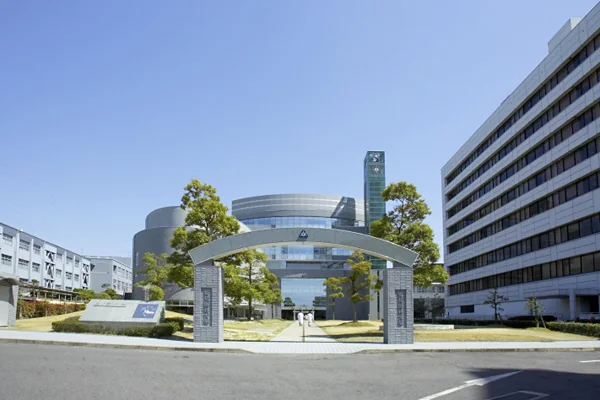
The institutional motto, Gugan Kokyu, combines careful perception with sustained investigation. The university explains perception broadly: understanding a person requires attention to biological, psychological, economic and social circumstances. Inquiry then means considering what has been observed deeply and pursuing an appropriate understanding. This interpretation places intellectual judgement alongside specialist knowledge and provides a stated foundation for the university's educational and research activities.
Sources: 建学の精神と学是 | 愛知医科大学 ↗
The medical curriculum
Medical education begins basic medical study in the first year while strengthening the scientific foundations needed for later subjects. The published curriculum integrates basic, social and clinical medicine and includes early experiences outside the university. Community medicine and social medicine activities are intended to help students understand the relationship between healthcare and society. Professionalism, behavioural sciences, ethics and interprofessional education run alongside specialist subjects.
The curriculum describes active learning in clinical lectures and continuing group-based academic support during the earlier years. Elective teaching provides opportunities to address individual interests. Its published clinical education framework comprises eighty weeks, including preparatory clinical work and clinical clerkships. Assessment during placements and periodic comprehensive examinations are used to connect practical learning with the consolidation of knowledge. These arrangements describe the structure of university training and the ways in which students' learning is followed over time.
Sources: カリキュラム | 愛知医科大学 ↗
Nursing education and community perspectives
The nursing curriculum progresses from liberal education and specialist foundations towards nursing subjects and clinical placements. Liberal studies include humanities, social sciences, natural sciences and information sciences. Foundational study considers people, health and the environment, while specialist teaching covers fundamental nursing, health promotion, different health conditions, community and home nursing, and integrated nursing. The curriculum gives explicit attention to learning from the people who receive care.
Placements are arranged in stages across the four undergraduate years. Early experiences introduce humanity, health promotion and basic nursing, followed by more specialised study and integrated practice. Community and home care are threaded through teaching from earlier to later years. Interprofessional activities include participation with students in health, medicine and welfare fields inside and outside the university. The programme also addresses cultural diversity and the habits needed for continuing professional learning.
Sources: カリキュラム | 愛知医科大学 ↗
Simulation as an educational setting
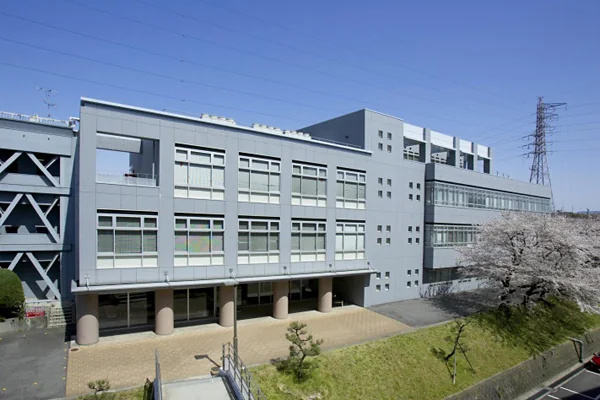
The Simulation Center supports teaching for medical and nursing students as well as education for university hospital staff and other healthcare professionals. It was established in 2015, and additional teaching space was introduced in 2019. Its purpose is to connect foundational education, clinical learning and community perspectives through educational programme development and practical teaching environments.
Published activities include communication exercises, professionalism teaching, interprofessional exercises and preparation for clinical placements. Students can discuss situations encountered during early clinical observation and practise skills in a simulated setting. The centre also supports reflection during clerkships and integrated nursing education. Its description makes clear that simulation is shared across academic groups and professional stages. Small-group discussion, equipment-based learning and facilitated exercises provide different ways to revisit knowledge and examine how it is applied in an educational context.
Sources: シミュレーションセンター | 愛知医科大学 ↗
Academic information and learning infrastructure
The Academic Media Center was created in April 2017 by combining the medical library and information-processing functions. Its organisation has three components: the library, ICT support and information infrastructure. Books and journals remain part of its role, while digital systems extend the ways in which students and staff can use academic information. The centre's founding explanation links these functions with independent learning and the development of effective teaching methods.
Its responsibilities include support for learning-management systems and electronic portfolios, which record learning activity and achievements. It also describes the storage of educational images and video with attention to copyright, and the accumulation of records of academic activity. Information infrastructure includes network management and security. This combination connects access to scholarly materials with the systems needed to organise, record and support education and research.
Sources: 総合学術情報センター | 愛知医科大学 ↗
Support for students and research
The university's student-support policy provides for academic advisers, consultation services and assistance with student life. It identifies support for students with disabilities according to individual circumstances, health management through the university's health centre, and opportunities to consult student counsellors. Academic support also includes reviewing learning difficulties and using educational evaluation to improve curricula.
Its research-environment policy addresses facilities, scholarly information, research funding and support for competitive funding applications. The Research Creation Support Center forms part of that support structure. The same policy links research activity with ethical responsibilities, training and institutional rules on research conduct and the use of funds. These provisions sit alongside the university's teaching programmes, supplying an organisational framework for study, research and the everyday participation of students and staff.
Sources: 教育理念等 | 愛知医科大学 ↗