Visa
About Academy of Fine Arts of Bari
An academy serving Bari and its region
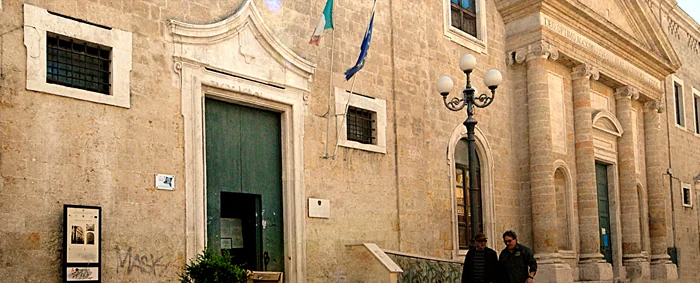
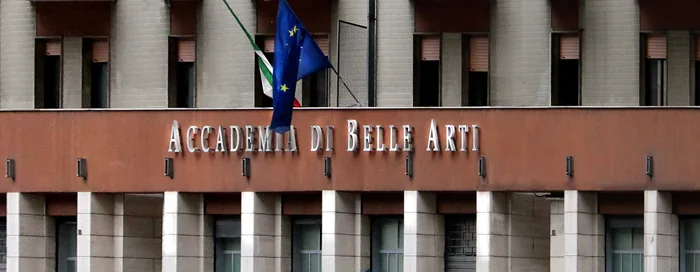
The Academy of Fine Arts of Bari, or Accademia di Belle Arti di Bari, is an Italian institution for higher artistic education in Puglia. It began activity on 1 October 1970 and was formally established by a presidential decree dated 15 March 1973. Its institutional history describes work in visual art, multimedia, graphics and performance, with theoretical learning linked to practical activity.
The academy has operated in both Bari and Mola di Bari. Its account of institutional development records collaboration with local government, museums, theatres and the University of Bari. Exhibitions have provided opportunities to present teaching and student work, while relationships with cultural organisations have connected the academy with the surrounding artistic environment. Its historical account records the national student academy exhibition held at the Fiera del Levante within Expo Arte between 1979 and 1989. It also describes collaboration with Teatro Petruzzelli on stage settings and costumes, connecting classroom learning with the practical requirements of theatrical production. The institution’s current contact information lists teaching and administration on Via Re David in Bari and a teaching location on Via Cesare Battisti in Mola di Bari.
Sources: Academy history ↗
First-level artistic education
The educational offer for 2026–2027 organises programmes within visual arts, design and applied arts, and art communication and education. First-level academic diplomas normally take three years and require 180 academic credits, known in the Italian system as CFA. These programmes provide several distinct ways to approach artistic creation, communication and the interpretation of cultural heritage.
The visual arts group includes painting, sculpture, decoration and graphic art. Design and applied arts includes scenography, fashion design, graphic design and visual communication, new technologies of art, and cinema, photography and audiovisual studies. The communication and education group includes communication and enhancement of contemporary artistic heritage and art education. This range places established studio disciplines alongside work concerned with digital media, audiences, education and the communication of art.
Sources: Educational offer 2026–2027 ↗
Second-level study and specialist development
Second-level academic diplomas normally extend over two years and require 120 CFA beyond the credits recognised for entry. The academy’s 2026–2027 list includes painting with an emphasis on new tendencies, sculpture and new technologies, decoration for interior spaces and environmental art, and graphic art connected with artistic publishing.
Other specialist entries include theatre scenography, scenography for cinema and television, fashion design, cinema and audiovisual work, photography and art education. The two levels therefore allow students to move from a broader first qualification towards more focused artistic study. The academy publishes programme information and study plans through its educational offer, giving each pathway a formal place within the institution’s teaching structure.
Sources: Educational offer 2026–2027 ↗
Library collections and institutional memory
The academy library was established in 1970. Its historical description traces the development of a collection concerning modern and contemporary art, theatre, cinema, photography, design, architecture, urban studies and sculpture. A computerised database was introduced in 1990 to support searching by author, subject and other information about publications and cultural events.
The historical account also identifies the Conte donation of 1974 and material received in 1994 from a historical performing arts archive project. The present library page provides subject lists ranging from anatomy and architecture to aesthetics, fashion, photography, graphic art, engraving, restoration, sculpture and theatre. It states that book loans are for use within the academy. Together, these resources support artistic practice through reference material, historical documentation and writing across the subjects taught at the institution.
Sources: Library ↗ · Historical library and archives ↗
Erasmus and international learning
The academy’s Erasmus policy connects international cooperation with sharing ideas and practices in visual, digital and scenic arts. It describes mobility as a way to exchange knowledge at both local and international levels. The published partnership criteria include teaching quality, access to the location, safety, nearby artistic institutions and differences in teaching methods and subjects that can enrich the exchange.
Incoming exchange students are nominated by their home institution and prepare an application, learning agreement, motivation letter and artistic portfolio. The learning agreement can be adjusted after arrival according to course availability and student interests. The academy’s guidance allows choices from first- and second-level classes and explains that credit arrangements for partially completed annual courses must be agreed with the teacher. The mobility guidance links examinations with the award of credits and the final transcript of records. It also explains that students consult the academic calendar and semester class schedules to organise their study period and assessment. Teaching is in Italian, and the Erasmus guidance identifies Italian-language preparation as relevant to participation.
Sources: Erasmus ↗
Guidance, inclusion and cultural activity
The Orientation Office provides information about the educational offer, study pathways and its related services. It distinguishes this advisory role from the administrative work of enrolment, fees and student records, which belongs to the relevant offices. This helps prospective students identify the appropriate source of academic guidance while leaving formal procedures with specialist administrators.
The academy also publishes inclusion resources for students with disabilities, special educational needs and socioeconomic disadvantage, alongside rules for an alias academic identity. Its inclusion page identifies teaching support, psychological support and tutoring contacts. Cultural events provide another dimension of academy life. The fiftieth-anniversary archive records lectures, exhibitions, book presentations and a national conference on art, science, technology and communication. These documented activities show how the institution has combined teaching, discussion and public presentation within its regional artistic community.
Sources: Orientation office ↗ · Inclusion team ↗ · Fiftieth-anniversary events ↗