Visa
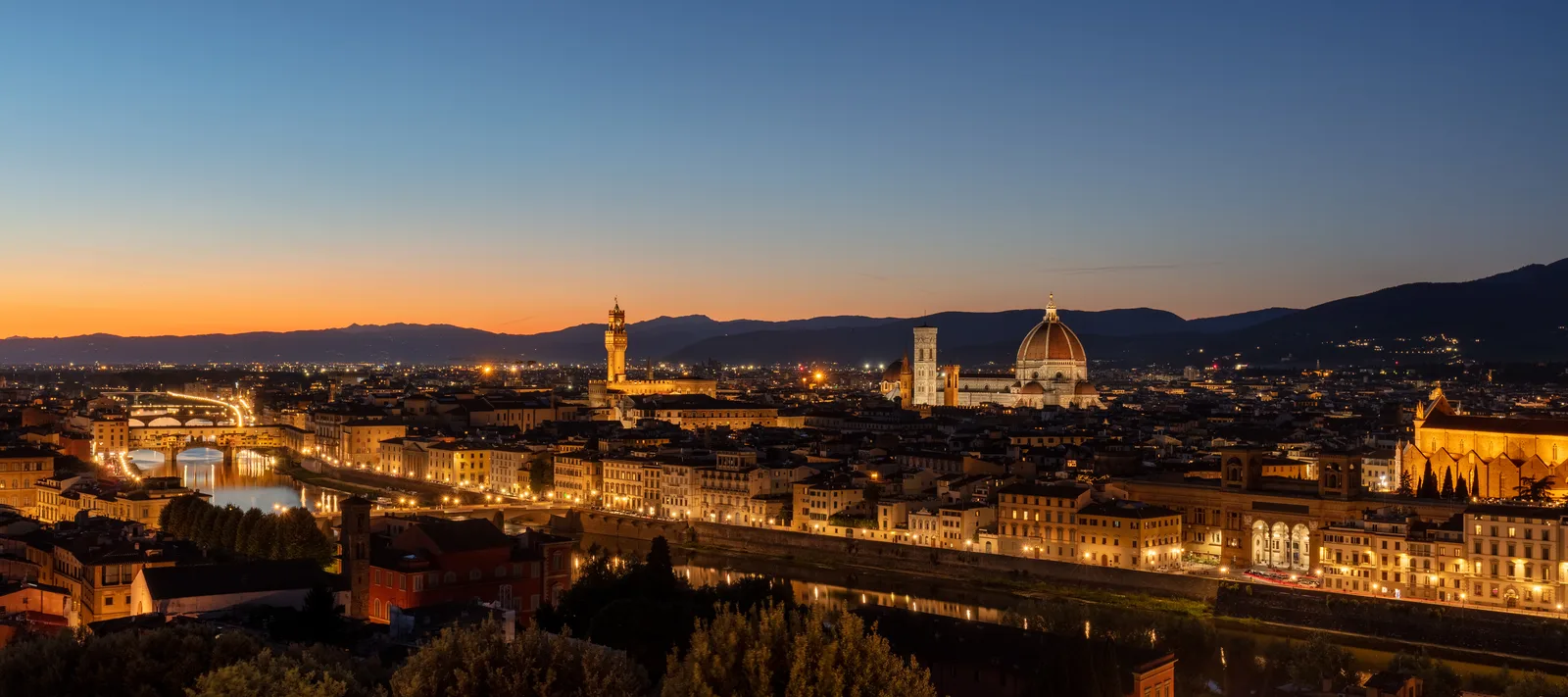
Start with the visits that need a place in the diary
Florence’s cathedral dome, Renaissance collections and streets beside the Arno offer very different ways to spend a day. Seeing them well means making choices. A booked ascent, a long gallery visit and a walk uphill to a viewpoint should not be treated as interchangeable stops on a checklist. Decide which experiences matter most, reserve what requires a time slot, and give the streets and meals between them some room.
The two banks of the Arno open up different routes. Accommodation near an arrival point can simplify a short stay; a home chosen for work or study needs comparison with the actual daily destination. Keep those two decisions distinct. A convenient museum weekend does not establish whether an address will work for a household throughout the year.
Florence’s major institutions sell separate tickets and bundles with different calendars. Check current admission conditions before assuming that one city ticket covers everything.
The Renaissance city has a longer history
UNESCO’s account places Florence on the site of an Etruscan settlement and the Roman colony of Florentia, founded in 59 BC. Its later economic and cultural prominence under the Medici in the fifteenth and sixteenth centuries helps explain the concentration of buildings and collections associated with the Renaissance. The historic centre entered the World Heritage List in 1982.
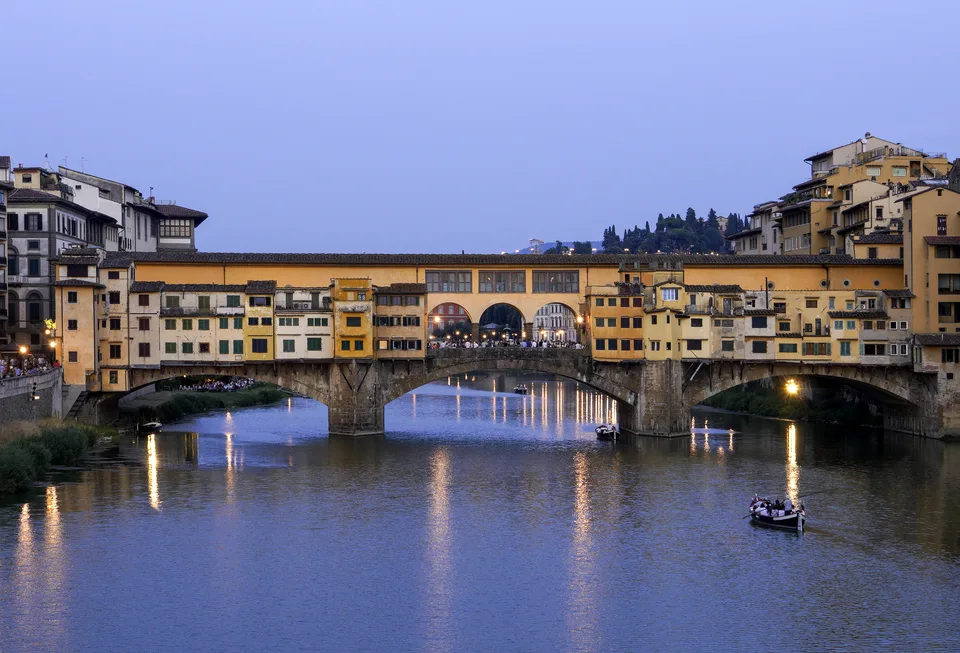
Look at the setting as well as the individual works. The Arno runs through the city, with bridges including Ponte Vecchio and Ponte Santa Trinita linking the banks. The cathedral, Palazzo Vecchio, Uffizi and Palazzo Pitti represent different religious, civic and courtly settings. Choose an interior according to the subject that interests you rather than expecting each visit to tell the same story.
A walk also offers a way to connect Florence’s merchant history with its later artistic reputation. UNESCO identifies the shops of Ponte Vecchio, medieval streets and surviving palaces among the evidence of that development. Give the route time for looking, without assuming that every historic building is accessible inside or that a modern shop’s stock was made locally.
Accommodation: compare the arrival route and the room’s services
A hotel near the station can be worth investigating for a short visit with luggage, while accommodation nearer the cathedral or on the other side of the river can fit a different sightseeing programme. Compare the actual walk, not just the district name. Check reception hours, luggage storage and the arrangements for a late arrival before choosing a room on the strength of a view.
For an apartment, establish the entrance procedure, included appliances and cleaning arrangements. A kitchen or washing machine may make a longer stay easier, but only if the booking includes the facilities you expect. Ask about stairs, lifts and accessibility directly. Photographs are a starting point for those questions, not a substitute for clear answers about the property.
Use the full quote for the precise dates and occupants, including taxes and cancellation conditions. Compare accommodation and transport together: a lower room rate may be less useful if it requires journeys that do not fit your museum bookings. For a relocation assessment, temporary accommodation can provide time to view homes and test the commute. A holiday booking and a residential lease offer different terms and should be read accordingly.
Neighbourhoods: choose a route rather than a label
Start around the cathedral when the monumental complex is the trip’s main focus. For the Uffizi and the civic centre, build a route around the gallery and the Arno, leaving room to cross the river if you want to visit Pitti or explore the Oltrarno. Compare the hotel entrance with the museum entrance you will actually use, including the walk on arrival day.
The municipal San Niccolò itinerary describes an area of the Oltrarno between Ponte Vecchio, the riverfront towards Piazza Ferrucci and the slopes below Piazzale Michelangelo and Forte Belvedere. It connects historic buildings, craft workshops and routes uphill. This makes it useful for a stay that combines neighbourhood walks with viewpoints; it does not make every address equally suitable for someone who needs a level approach.
The official Oltrarno route through Pitti, Santo Spirito and Porta Romana offers another comparison south of the river. Investigate these areas against your evening plans and everyday needs, checking the property’s noise, access and services. A neighbourhood description cannot guarantee a particular room’s conditions. For study or work, widen the search to the exact campus or workplace rather than treating the historic centre as the default for every routine.
Peretola Airport: the tram journey includes luggage rules
GEST’s official airport page identifies Line T2 as the link between Peretola Airport and central Florence. It gives an approximately twenty-minute journey and places the airport stop a short walk from arrivals and departures. Add the onward walk or connection to the property when comparing this with a transfer, particularly for a late arrival.
The operator’s luggage conditions are worth reading before choosing the tram. One bag up to 10 kilograms and 55 × 40 × 20 centimetres is carried free. Larger bags require an additional ticket per bag within the specified limits; luggage exceeding 80 × 45 × 25 centimetres or 20 kilograms is prohibited. Trams have no dedicated luggage-storage area, so keep the aisle and other passengers’ access clear.
The airport page lists the first departure towards the centre at 05:00. Its published last service is 23:58 from Sunday to Thursday and 01:15 on Friday and Saturday. Confirm the current timetable and any service notice for your date. An operator’s journey estimate is not the time to allow for airport check-in, security and the final walk from a hotel to the stop.
Local transport: match the ticket to the day’s journeys
GEST’s ticket page lists the urban ninety-minute ticket at €2, the SMS version at €2.40 and a ten-trip product at €18.20. It describes ticket machines at stops, app purchases and contactless payment at the onboard validator. Follow the instructions for the product you choose; for SMS purchase, the operator says to wait for the reply before boarding.
Walking can connect parts of a sightseeing day, but test the distance and conditions against the itinerary and your needs. A journey that feels manageable without luggage can be different at the end of a long gallery visit. Use the operator’s route and timetable information when an onward connection matters, and check whether any bus journey needs a different product or coverage.
For repeated commuting, the listed ordinary monthly urban pass is €42.20, with registration required to buy passes. Reduced products have their own eligibility conditions. Compare the journeys you expect to make before choosing a subscription, and check the applicable fare with Autolinee Toscane. A visitor’s transport budget should not be used as an automatic estimate of monthly household travel costs.
Piazza del Duomo: choose the pass and assess the climb
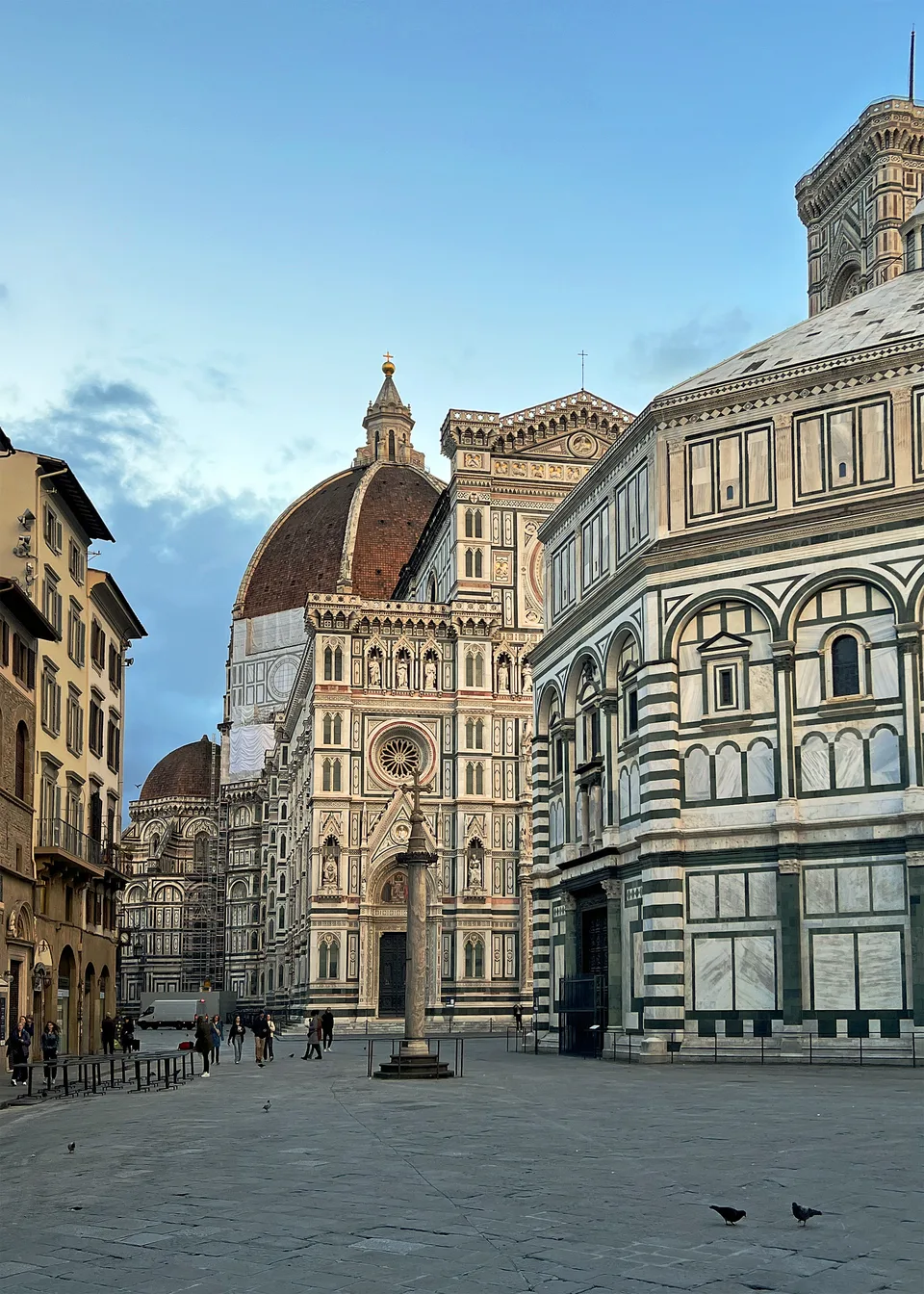
The Opera di Santa Maria del Fiore’s visitor guidance distinguishes the free cathedral visit from paid access to the other monuments. Its adult passes are Brunelleschi at €30, Giotto at €20 and Ghiberti at €15. Brunelleschi includes the dome, bell tower, Baptistery, museum and Santa Reparata; Giotto excludes the dome; Ghiberti excludes both climbs.
The passes run for three calendar days from the selected date, with one entry per included monument. The booked dome slot is mandatory, non-changeable and non-cancellable. The dome has 463 steps and the bell tower 414, with no lift for either ascent. Read the operator’s suitability advice before booking a climb. Bring the required identification for the dome and follow the bag-storage instructions.
The Baptistery’s vault mosaics are under restoration and the visitor page says they cannot be seen from ground level. The museum closes on the first Tuesday of the month. Cover shoulders and knees for the places of worship. Those conditions may change which parts of the complex suit your visit; check current notices before purchasing. A museum visit can be an intentional alternative to a climb, not merely something to fill the remaining pass validity.
Uffizi: compare the single admission with the wider bundle
The Uffizi’s current ticket page lists a named single ticket at €25 when bought on the day of entry and €29 when bought beforehand. Its five-day PassePartout for the Uffizi, Pitti Palace and Boboli Gardens is €40, with the Uffizi reserved as the first museum to visit. Compare that bundle with the places you actually intend to enter, not just the number of names included.
The Vasari Corridor is a different booked product. The official page describes named, non-transferable tickets, mandatory reservation and Uffizi entry two hours before the corridor visit. Do not assume an ordinary gallery ticket adds that experience. Check the conditions and any absence or closure notices before arranging a day around a specific collection or route.
Leave a break after the gallery, especially if another booked interior follows. The advance and same-day prices do not establish that admission will be available at the hour you want.
Accademia: book the visit and arrange luggage separately
The Accademia’s collections include Michelangelo’s David and early Italian paintings. Choose time for the wider collection as well as the sculpture. Its official visitor information lists full admission at €20 and a €4 booking charge. It also offers a forty-eight-hour Accademia-and-Bargello ticket at €26 and a seventy-two-hour ticket for the six museums in its wider system at €38. Read the specific bundle conditions before comparing them with separate admissions.
The published opening is 08:15–18:50, with the principal last-entry statement at 18:10. Check the current notice for your chosen time; some wording on the English page differs about the final admission interval. The normal closure days include Mondays, 1 January and 25 December. On specified free-admission days, the reservation service is inactive, so a free day does not mean a reserved arrival time.
The museum has no cloakroom and excludes large bags and backpacks. Arrange storage before an arrival-day visit. The official page identifies accessible entry at Via Ricasoli 60 and a lift to the upper floor. Ask about the arrangements you need, and leave time for the visit beyond the queue. Eligibility for reduced or free admission must be checked against the museum’s own rules.
Across the Arno: workshops and a view from San Niccolò
The official Oltrarno itinerary crosses Ponte Vecchio towards Borgo San Jacopo, Piazza della Passera and Via Maggio before reaching Piazza Santo Spirito. Choose this walk when you want the day to include streets and craft traditions as well as a major interior. Look at opening arrangements individually if you plan to enter a workshop, chapel or church along the way.
Florence’s municipal artisan information describes work in gold, leather, glass, ceramics, textiles and other crafts across the Oltrarno and elsewhere in the city. Ask the maker about materials, production and delivery if you intend to buy or commission something. A workshop visit is most useful when it includes that conversation; a district name on a souvenir does not verify how the object was made.
For the hilltop view, the municipal San Niccolò route identifies approaches to Piazzale Michelangelo through the monumental ramps behind the tower or Via del Monte alle Croci. Choose the route around mobility, daylight and weather rather than assuming every approach is an easy level stroll. Add the return journey to the plan, and give the viewpoint its own interval instead of placing it immediately before a timed museum entrance.
Food: understand the dish before comparing the price
FeelFlorence’s food information introduces bistecca alla fiorentina, thick soups including ribollita and pappa al pomodoro, and lampredotto, made from the fourth stomach of cattle. These are different meal choices, so read the menu for the actual portion and preparation. Ask about ingredients if you have dietary requirements; a traditional name does not settle what a particular kitchen uses.
A street-food stop can fit between walks, while a restaurant meal may be part of the visit in its own right. Compare the complete order, including drinks and any stated service or cover charges. For steak sold by weight, establish the quantity and total before ordering rather than treating a displayed unit price as the price of a meal.
Keep food shopping and restaurant spending distinct in the budget. For a longer stay, investigate the shops close to the actual home and the kitchen facilities available. A neighbourhood that suits a short cultural trip may need a different assessment when you are cooking regularly. Use current menus and opening hours rather than relying on an old offer or an invented typical daily allowance.
Weather and seasons: balance outdoor walks with interiors
Choose the time of year according to the amount of walking and time outside you want. In warmer conditions, keep drinking water and breaks in the programme, particularly for an uphill route or a climb. During cooler or wetter weather, leave space to move a walk around a museum visit. The conditions on the actual day matter more than a promise of ideal weather in a particular month.
LaMMA’s regional forecast service provides the current outlook and alert information for Tuscany. Consult it before a day involving the hills or substantial outdoor time, checking that a downloaded bulletin is current. A forecast saved from another date cannot settle the weather for your trip. Attraction notices remain necessary even when the forecast looks suitable.
For a possible move, inspect heating, cooling and ventilation, asking which running costs fall to the tenant. Assess the home across seasons rather than relying on the conditions during one holiday.
Moving to Florence: inspect the home and verify the support available
Read a proposed lease in a language you understand, establishing the rent, deposit, duration and termination conditions before paying. Clarify which utilities, building charges and furnishings are included, and record the condition of the home at handover. Test the commute to the actual workplace or campus; the name of an institution alone may not identify where your daily activities will take place.
The University of Florence’s accommodation page directs students to DSU Toscana for residence places awarded through an annual public selection process. Eligibility involves the requirements of the call, including financial standing and merit. This is a route to investigate, not a guarantee that every international student receives a room. The university also points readers towards other accommodation resources.
Florence’s municipal immigration desk is another official place to check the services relevant to settling in the city. Use its current instructions for appointments and documentation. Keep address registration, immigration permission and a rental contract distinct. Before committing to the move, establish how each applies to you and which essential arrangements must be made after arrival.
Healthcare and household routines need their own preparation
The European Commission’s Italy EHIC guidance describes access through National Health Service providers and those contracted with it. Private practitioners are not required to accept the card, and patient contributions can apply. Eligible visitors should confirm coverage with the provider; a household move requires ongoing healthcare arrangements rather than an assumption that temporary visitor cover settles everything.
FeelFlorence’s hospital directory identifies facilities including Santa Maria Nuova, Careggi and Meyer Children’s Hospital. Use it to locate official services, then check the appropriate route for an appointment or urgent assistance. Save your insurance details and prescriptions where they can be found easily. A directory listing does not establish that a particular service is free or covered by your policy.
The city’s waste guidance describes five sorting categories and collection arrangements that vary by area. Ask the accommodation or landlord about the correct bins, key or app access and any collection schedule. Street litter bins are for small waste, not bags of household rubbish. Include internet, laundry and utility-account arrangements in the handover too, so the home supports daily life from the beginning of the stay.
Visitor entry, study and employment are different routes
Italy’s Foreign Ministry directs travellers to its visa finder using nationality, country of residence, purpose and duration. Short Schengen travel is subject to the ninety-days-in-180 framework; include time in other Schengen countries when calculating the trip. Check the issued visa’s validity, permitted duration and entries rather than assuming that a booking establishes the right to stay.
For study, employment or another longer-term purpose, establish the applicable category before committing to a lease or travel dates. The ministry explains that a national visa authorises entry and is followed by the relevant residence-permit procedure. Work may require an employer’s authorisation and involve quota rules or a specific exception. Check the official requirements for the route that matches your circumstances.
EU citizens follow a different residence framework; consult the relevant municipal and national instructions for a longer stay. Neither a student admission letter nor a Florence address grants permanent residence by itself. Use the competent authority and the institution’s international services for the documents you need, keeping a holiday itinerary separate from plans to live and work here.
A three-day plan with room for the city
Give day one to the cathedral complex, using the pass and reserved slot that match your interests. Keep the afternoon flexible for the historic centre rather than automatically adding a second climb. Leave time for a meal and check the museum’s monthly closure before deciding which part of the complex to visit when.
Make the Uffizi day two’s main interior, then use a walk beside or across the Arno as a change of pace. If the Vasari Corridor is booked, follow its specific arrival requirements. Reserve day three for the Accademia or an Oltrarno-focused day, according to priorities and opening calendars. Swap the order when a Monday or another closure affects the plan.
For someone assessing a move, replace part of a sightseeing day with a viewing, a commute test and an official-service enquiry. Record the actual home and route rather than judging everyday life only through the monuments. Keep an onward train or flight’s travel margin separate from the final visit; finishing a museum does not put you at the departure terminal.
Fiesole and other places to consider
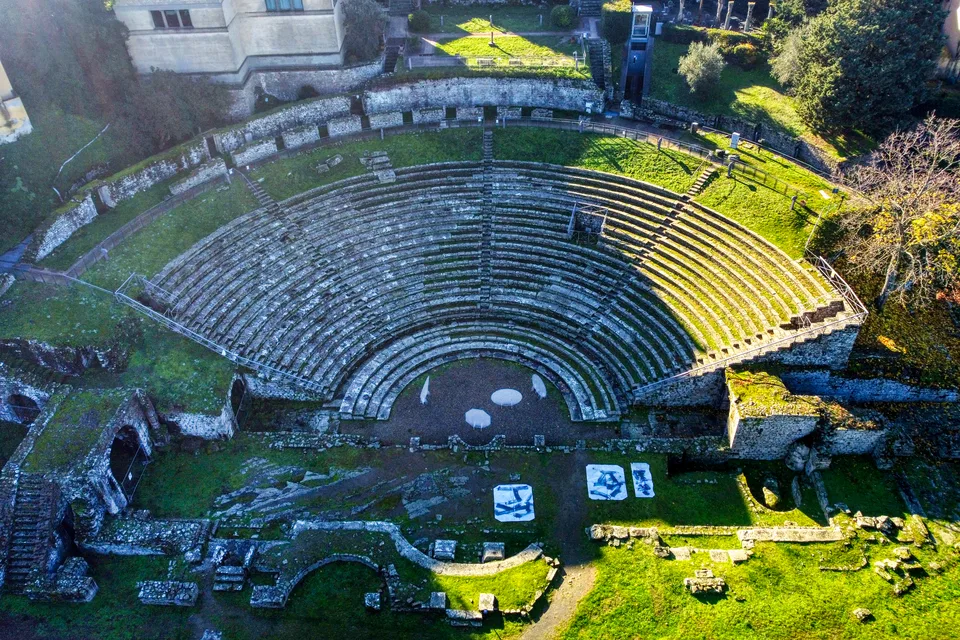
Fiesole adds a different historical setting to a Florence stay. The municipal visitor information describes an archaeological area with a theatre, baths and an Etruscan-Roman temple, alongside a museum tracing the town’s ancient history. It lists €7 for the area and €10 for the area and archaeological museum. Confirm the date’s hours and concession conditions before travelling.
The published winter schedule is shorter than the summer one and includes a Tuesday closure from November through February. Arrange outward and return transport using a current operator timetable, giving the visit room rather than squeezing it around several Florence reservations. A further day or a deliberate replacement for another activity can make the excursion more useful.
For wider planning, use VisaWand’s Italy country guide, Italy location directory and destination information. Compare the completed Rome, Milan and Venice city guides with your available time, or browse consultant listings for professional guidance on visa questions. Treat each additional place as a decision about travel time and interests, not simply another name to add to the itinerary.
Official planning resources
Reviewed 14 October 2026. Use the official resources linked throughout this guide for admission, transport, housing and immigration decisions. Prices, services and rules can change; confirm the details relevant to your dates. Photography illustrates the locations and is not a live view.
View all official resources
- UNESCO Historic Centre of Florence
- Official San Niccolò neighbourhood and viewpoint routes
- Official Pitti, Santo Spirito and Porta Romana itinerary
- GEST airport tram and luggage conditions
- GEST current urban tickets and subscriptions
- Official cathedral complex passes, access and restrictions
- Official Uffizi, Pitti and Boboli tickets
- Official Accademia collection overview
- Official Accademia tickets, hours and access
- Official Florence artisan visitor information
- Official Florentine food and wine information
- Regional Tuscany forecasts and alerts
- University accommodation and DSU Toscana eligibility
- Florence municipal immigration service information
- European Commission Italy healthcare and EHIC guidance
- Official Florence hospital directory
- Official Florence household waste arrangements
- Italian Foreign Ministry visa and entry guidance
- Official Visa for Italy requirements finder
- Official EU residence rights guidance
- Official Fiesole archaeological visitor information
Plan the next part of your journey
Explore the Italy guide, browse other cities or compare consultants for your travel and relocation questions.