Visa
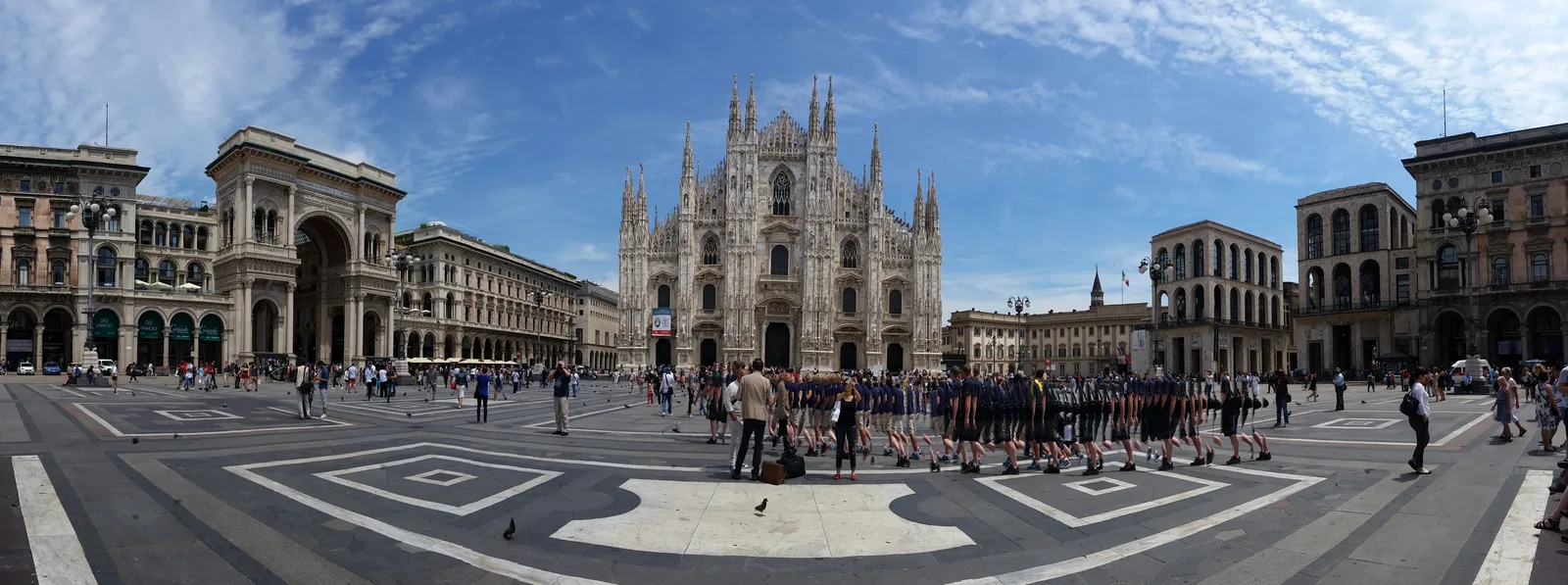
Milan is a city of art, neighbourhoods and working life
Milan offers a city break built around paintings, architecture, design and evenings in distinctive neighbourhoods. The Duomo and Leonardo's Last Supper are obvious priorities, but they need different kinds of planning. A cathedral exterior walk can be flexible; a visit to Leonardo's mural depends on a tightly controlled reservation. Choosing those commitments first gives the rest of the trip room to develop.
This guide concerns the major city in Lombardy, northern Italy. Three full days allow a first-time visitor to combine the centre, Brera, the castle and a canal-side evening. People considering a move should also investigate the routes and services of an ordinary working week. The city's cultural appeal and the suitability of a particular home, job or course are separate questions.
Use VisaWand's Italy country guide, Italy destination page, location directory and consultant listings for broader planning. Its completed Rome city guide provides another Italian city to compare.
The centre: cathedral, ducal history and smaller streets
Milan's centre contains several historical layers within a manageable sightseeing area. The Duomo's own history places the beginning of construction around 1386. Its long development makes it a useful starting point for understanding a city whose familiar monuments were created, altered and conserved across generations. Look at the exterior before deciding how much of the complex you want to enter.
The official central-area walk connects the ducal castle with Sempione Park and the smaller streets of Cinque Vie. The latter offers artisan shops, boutiques and traces of an older city alongside the monumental sights. An exterior route through these areas gives an arrival day substance without requiring several admissions. Choose a few places to explore properly instead of treating every square as a brief stop between ticket offices.
Duomo tickets: decide between stairs and the lift
The current official Duomo catalogue lists the cathedral and terraces by stairs at €22, or with lift ascent at €26. The product descriptions matter more than the general category heading: do not infer that these basic combinations include every museum or archaeological area. Other passes have different inclusions, so compare the precise ticket before paying.
The lift option is not a route that avoids stairs throughout. The operator states that the lift reaches the first terrace level; reaching the upper level and descending require stairs. This can change whether the visit is suitable for your group. If you want to spend time among the spires, account for that physical requirement as well as the admission time. Visitors mainly interested in the cathedral interior should compare the relevant interior products rather than automatically buying a rooftop combination.
Cathedral access: leave airport luggage elsewhere
Read the cathedral access regulations before the visit. The operator prohibits suitcases and certain other objects, and discourages bulky bags. Security checks require visitors to cooperate with inspections. A convenient gap between checkout and a flight therefore does not automatically make a cathedral visit practical: organise appropriate baggage storage first.
The cathedral also has a religious role, so visiting arrangements and celebrations deserve attention alongside ticket availability. Check current access notices for your date and the requirements attached to your chosen route. People needing assistance should use the operator's accessibility information to establish what can actually be visited. Exterior photographs cannot answer that question. Leave enough time to find the correct entrance and pass the checks, particularly when another reservation follows later in the day.
Brera: make time for the district around the gallery
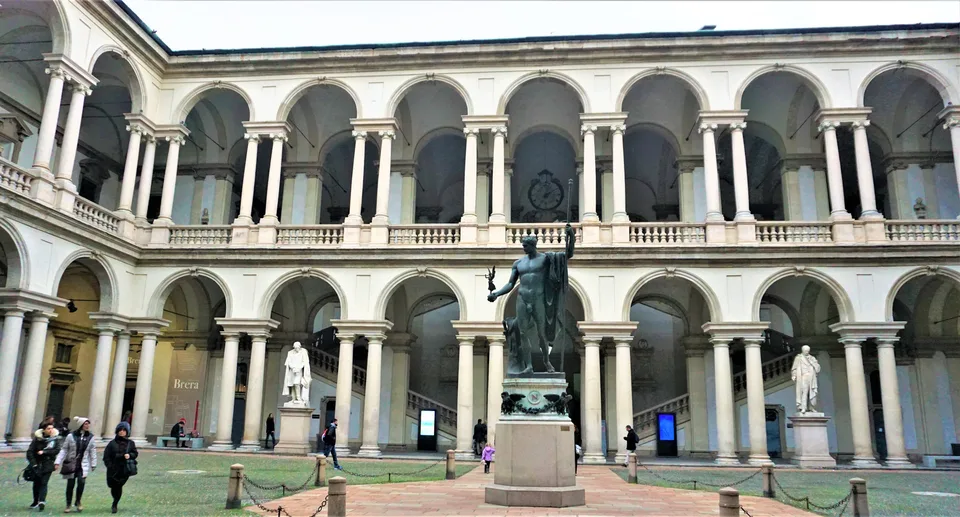
Brera's official neighbourhood guide describes an art quarter of cobbled lanes, small squares and cafés. Piazza San Marco gives a walk an identifiable stopping point. The district works well as the flexible part of a gallery day, with time for a meal or browsing before returning to the wider city. It has a cultural identity beyond the entrance to a major museum.
Pinacoteca di Brera: paintings with a distinctive collection history
The Pinacoteca's history explains its official establishment in 1809, following an earlier teaching collection associated with the academy. Works acquired from churches and convents helped shape it. This gives the gallery a different background from a museum assembled mainly through one aristocratic family's private collecting.
The museum's artwork introduction highlights Mantegna, Raphael, Caravaggio and Hayez. Use a few artists or works as a focus, then leave room for discoveries rather than attempting to absorb the collection in one uninterrupted circuit. The Grande Brera admission is €20. Book the Pinacoteca's date and time; Palazzo Citterio access is valid on that day and the following six days. Some included activities require their own reservation. Check current displays and conditions instead of assuming that one ticket removes every booking requirement.
The Last Supper: reserve first and protect the arrival time
Leonardo's mural belongs to the UNESCO-listed Santa Maria delle Grazie complex, where the refectory is part of the work's historical setting. UNESCO dates the painting to 1495–1497. Understanding that context makes this a different visit from seeing a portable painting in a gallery.
The museum's official information lists standard full admission at €15 and requires reservations for everyone, including visitors entitled to free admission. The viewing lasts 15 minutes, and you must arrive at least 30 minutes before the reserved time. Named tickets and the rules on changes and refunds mean this booking should anchor the day. Choose carefully, and distinguish a standard admission from an offer with a guided activity. Bulky luggage is not admitted. Check the operator's current sales links and availability, then build the surrounding route around the reservation you actually obtain.
Sforza Castle: free courtyards and paid museums
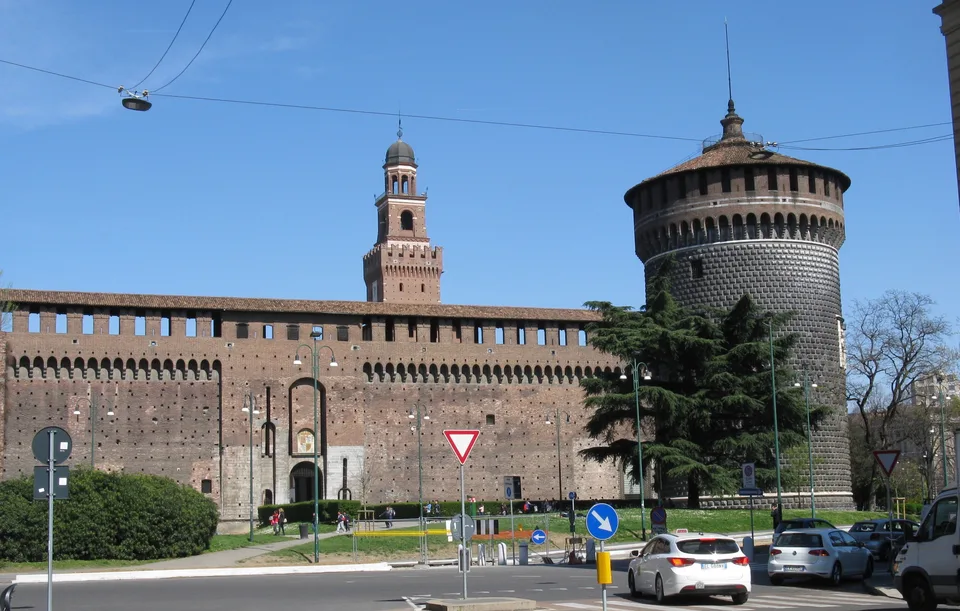
Sforza Castle's courtyards can be visited free of charge, giving an exterior walk a substantial historical setting. The regular courtyard hours are 7am–7.30pm. The museums follow a separate schedule: Tuesday to Sunday, 10am–5.30pm, with final access at 4.30pm and Monday closed. An open courtyard late in the day does not mean its museum rooms are open too.
The current full museum ticket is €10 and covers the castle museums, with one entry to each sector during the day of issue. Check the programme for separately arranged visits. There is a current limitation worth knowing before following a Leonardo-themed itinerary: the Sala delle Asse is closed for restoration. For a less structured outing, combine the courtyards with Sempione Park and give the museum visit its own time on another day.
Isola and Porta Nuova: a different architectural Milan
The official Isola guide places older working-class streets and artisan activity beside a modern skyline. It offers a useful alternative to another historical interior, especially for visitors interested in the way a city changes. Walk through the area to compare its streets and public spaces, rather than approaching it only as a collection of tall buildings.
Bosco Verticale is the familiar landmark: residential towers whose planted balconies give their façades a distinctive appearance. They are not a public interior attraction. The neighbourhood guide explicitly advises looking from outside, which is important when choosing the outing from photographs. Keep the visit proportionate to your interests and the weather. For a relocation assessment, use the same walk to investigate transport and daily amenities; striking architecture alone cannot establish whether a prospective home meets your needs.
Shopping: connect purchases with the neighbourhood walk
The central sights and Brera provide opportunities to browse between cultural visits. Cinque Vie's artisan shops and boutiques offer one focus, while the Galleria and the city's fashion district give a different kind of shopping context. Select an area according to what you want to buy, or simply enjoy looking at the streets and shopfronts without planning a major purchase.
Check provenance, size and delivery arrangements when buying design objects or anything fragile. A larger item may need shipping rather than being carried between hotels or onto a flight. Keep receipts and establish the returns policy before paying. Set a separate shopping allowance so that an attractive purchase does not unexpectedly consume the money intended for meals, transport or a priority museum visit.
Where to stay: the actual route matters
A central address can suit a first sightseeing trip, while Brera, Navigli or Isola offers a neighbourhood emphasis. Compare each property against your booked visits and airport connection. The walk from the station, luggage, stairs and any changes all affect convenience. A lower room rate can be a poor saving if the address adds a complicated journey every day.
The official hotel directory offers category filters, although it returned no listings during this review. Compare current options through properties' own booking pages. Check the total for your dates, cancellation conditions, reception or check-in arrangements and luggage storage. For an apartment, clarify the kitchen, appliances and support contact. Someone arriving late should establish how access works before travel. If quiet matters, ask about the particular room and its orientation instead of relying on a neighbourhood's general reputation.
Three airport names mean three different arrival plans
For Linate, Metro line M4 provides the airport connection, with interchange at San Babila for M1. The regular €2.20 ticket covers this journey within its time and zone conditions. Use current operator information for the complete route to your accommodation, including any late-night alternative and the final walk.
Malpensa uses a different airport journey. The Malpensa Express operator lists the second-class fare between Terminal 1 and Milano Porta Garibaldi as €15. Confirm your terminal, destination station and timetable before choosing a train. Bergamo Airport's official bus page identifies links to Milan's central railway station and other destinations; fares and timetables depend on the service. Do not treat all three airports as interchangeable or assume a local Milan ticket pays for every airport transfer. Compare the full journey when choosing flights, especially when an early departure requires transport before your normal morning routine.
Local tickets: 24 hours differs from three service days
ATM's current local fares include €2.20 for 90 minutes and €7.60 for a day ticket valid for 24 hours from first validation. The three-day ticket is €15.50, but follows three consecutive service days, ending with service on the third day at 3.45am the following morning. It is not simply a rolling 72-hour ticket.
The basic Milan-and-surroundings product covers zones Mi1–Mi3, with specific outer limits on M2 and conditions for the relevant services. Choose a different product if your journey extends beyond that coverage. A museum-heavy day spent largely walking may need fewer rides than an outing across several districts. Compare the pass with the actual journeys rather than automatically buying it for the number of nights in your hotel. Keep airport and regional rail products distinct from local transport.
Contactless travel: keep the same card or device
ATM contactless payment can make local journeys straightforward, but the validation rules still matter. On the Metro, touch in and out with the same card or device, even when an exit barrier is open. Each traveller needs their own payment method. Switching between a physical card and a phone linked to it can prevent the system from recognising the journeys as one traveller's travel.
Surface-transport instructions vary: some routes require touching out, while others do not. Read the operator's guidance for the route instead of applying a blanket rule to every bus or tram. ATM contactless payment should also not be assumed to work on Trenord services. Where accessibility is important, check lift status and the specific interchange route. A station equipped with a lift still needs a current operational check for the journey you intend to make.
Budget from the experiences you actually choose
A useful current example is the Duomo-and-terraces stairs ticket at €22, Grande Brera at €20 and Sforza Castle museums at €10. Together those selected admissions cost €52. Add the €15.50 three-day local ticket and the total becomes €67.50 before accommodation, meals, airport transfers or optional extras. Changing the cathedral route or adding a guided visit changes the calculation.
Your room's dates and conditions remain major variables. Get a total quote rather than comparing only an advertised base rate, and leave money for meals and contingencies. Free courtyard and neighbourhood walks can balance paid visits. Concentrate spending on the art, architecture or activities that motivated your visit.
Weather and seasons: plan for the actual week
The official climate overview describes hot, humid summers and generally cold winters. Spring and autumn can suit a visit involving substantial walking, but rain and changes in temperature still affect the day. Use a current forecast before packing and arranging outdoor time.
In summer, consider earlier or later walks and indoor visits during hotter periods, leaving time for water and breaks. In winter, plan clothing for the return after an afternoon outing as well as the daytime forecast. Rain can make a terrace visit less appealing even when the indoor cathedral remains a priority. Check current access notices and your ticket terms before changing a plan; a weather-based preference does not automatically create a right to reschedule.
A realistic first three days
Begin day one with the Duomo area, using your chosen cathedral or terrace reservation as the main commitment. Add an exterior central walk and time for a meal. If arrival consumes much of the day, keep it to orientation and move the substantial visit to a full day instead.
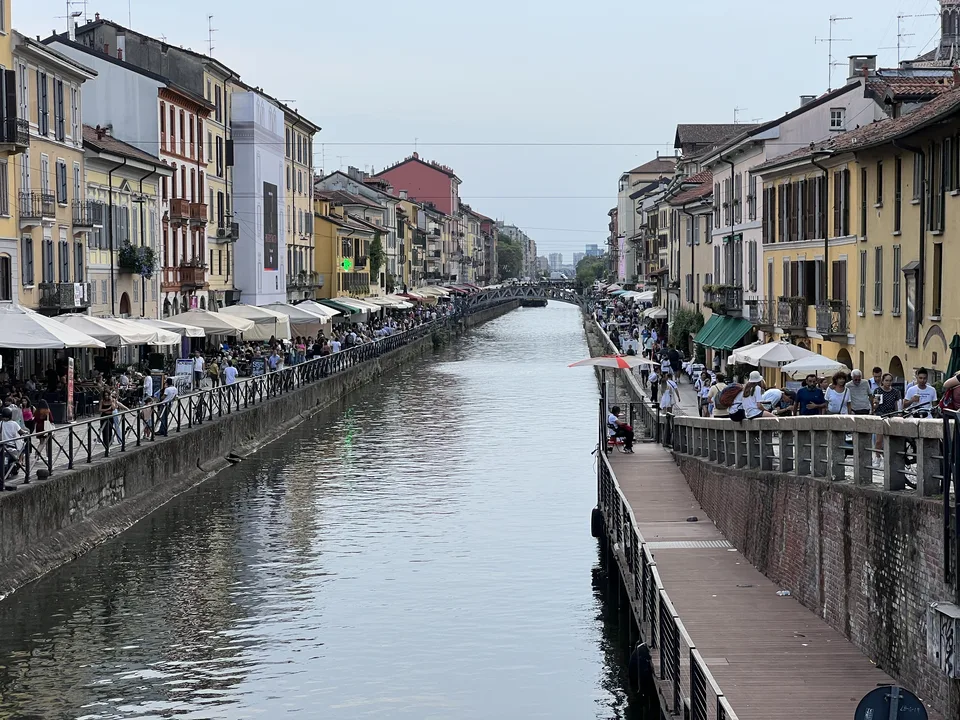
On day two, visit Brera, then choose a shorter neighbourhood walk or the castle according to your energy and museum hours. A later outing to Navigli can provide the evening's focus. On day three, give the Last Supper reservation priority if you have secured one, adding flexible time around it; otherwise explore Isola or another cultural interest. Swap the order around availability and closing days. Leave a genuine departure buffer, including baggage retrieval and the airport journey, rather than filling the final hours with another timed admission.
Moving to Milan: test an ordinary working day
Start with the workplace or institution you need to reach, then assess possible homes against that route. Include the walk, changes and the return at the hours you expect to travel. A central sightseeing address can be less useful than a home with a dependable connection to the place you attend every day.
Visit a prospective property when you would normally be at home. Consider noise, daylight, ventilation, cooling, heating and lift access as well as floor area. Identify groceries, healthcare contacts and other essential services nearby. Temporary accommodation may give you time for viewings, but its cost and duration need planning too.
Housing: get the contract and full costs clear
The official residential-contract guidance distinguishes ordinary, agreed, transitional and student arrangements from contracts intended for other purposes. Choose the type appropriate to your circumstances and get qualified help if its duration or conditions are unclear. A furnished listing alone does not tell you which legal arrangement you are being offered.
Ask for a written breakdown of rent, deposit, any agency or platform charges and recurring services. Clarify utilities, internet, furniture, appliances, repairs and the documents that establish occupancy. Inspect the home and confirm who is authorised to let it before making a commitment. Record the inventory and meter readings at handover. Compare actual listings and complete household costs; an unsupported citywide average would be a weak basis for deciding whether the specific property you want is affordable.
Registration, healthcare and household services
For administrative planning, consult the municipal guidance for foreigners arriving from abroad. Address registration and the relevant housing declaration for TARI are separate from immigration permission. Establish the documents and procedure for your circumstances before assuming a tenancy automatically completes these obligations.
ATS Milan's foreign-citizen healthcare resource directs users according to their profile and municipality. Confirm your eligibility, insurance position and the appropriate local service; renting an address does not itself settle healthcare coverage. Students, workers and accompanying household members may need different arrangements. For waste, AMSA's Milan information provides collection guidance, while TARI questions go to the municipality. Ask how the building handles sorting and collection, and check who deals with household accounts. These practical responsibilities should form part of the moving budget and handover discussion, rather than being left until the first bill or repair problem.
Tourism, work, study and residence need distinct checks
Use the foreign ministry's entry guidance and Visa for Italy database to check requirements by nationality, legal residence, purpose and duration. The usual Schengen short-stay allowance is up to 90 days in any 180-day period, subject to applicable conditions and any shorter permission on the visa. Time elsewhere in Schengen matters too.
For work, longer study or residence, establish the correct route with the competent Italian consular post and the authorities responsible for residence permission. A national visa and the subsequent residence permit are different steps; the official database sets out the relevant post-arrival obligations. EU, EEA and Swiss nationals fall under a different framework from third-country applicants. A job offer, course admission or municipal registration is not interchangeable with immigration authorisation. Resolve the route before making commitments that depend on being able to work or remain in Milan.
Como and Rome: choose another location deliberately
Como offers a different setting for an excursion, with a lakeside walk and its city attractions. Treat the town and a wider lake outing as different plans. Adding boat travel or another settlement involves its own timetable, tickets and return arrangements; an arrival at one railway station does not place the entire lake within a quick walk.
For a broader Italian trip, use VisaWand's Rome guide to compare a second city stay. The transfer, luggage and change of accommodation need enough time to justify the move. A first Milan visit can also benefit from another day devoted to art or a neighbourhood you have not explored. Choose the extra location when it adds an experience you want, rather than solely increasing the number of places on the itinerary.
Official planning resources
Reviewed 14 October 2026. Use the official resources linked throughout this guide for admission, transport, housing and immigration decisions. Prices, services and rules can change; confirm the details relevant to your dates. Photography illustrates the locations and is not a live view.
View all official resources
- Duomo operator cathedral history
- Official central Milan and Cinque Vie walk
- Duomo official current ticket products and terrace access
- Duomo access regulations
- Official Brera neighbourhood walk
- Pinacoteca di Brera collection history
- Brera official artwork introduction
- Pinacoteca di Brera official admission and reservation
- UNESCO Santa Maria delle Grazie and Last Supper
- Last Supper Museum current bookings and restrictions
- Sforza Castle official visiting information
- Sforza Castle official museum tickets
- Official Navigli and Darsena visitor information
- Official Isola and Bosco Verticale walk
- Official Milan hotel directory
- ATM M4 airport connection
- Malpensa Express official airport rail route and fare
- Bergamo airport official bus connections
- ATM local ticket prices and zones
- ATM contactless validation and fare rules
- Official Milanese dishes and food overview
- Official Milan seasonal climate overview
- Official Milan residential rental-contract guidance
- Milan municipal registration for foreigners arriving from abroad
- ATS Milan healthcare access for foreign residents
- AMSA Milan household waste collection
- Italian foreign ministry entry and visa guidance
- Official Visa for Italy requirements database
- Official Italian tourism Como excursion overview
Plan the next part of your journey
Explore the Italy guide, browse other cities or compare consultants for your travel and relocation questions.