Visa
Stay for the city beyond the photograph
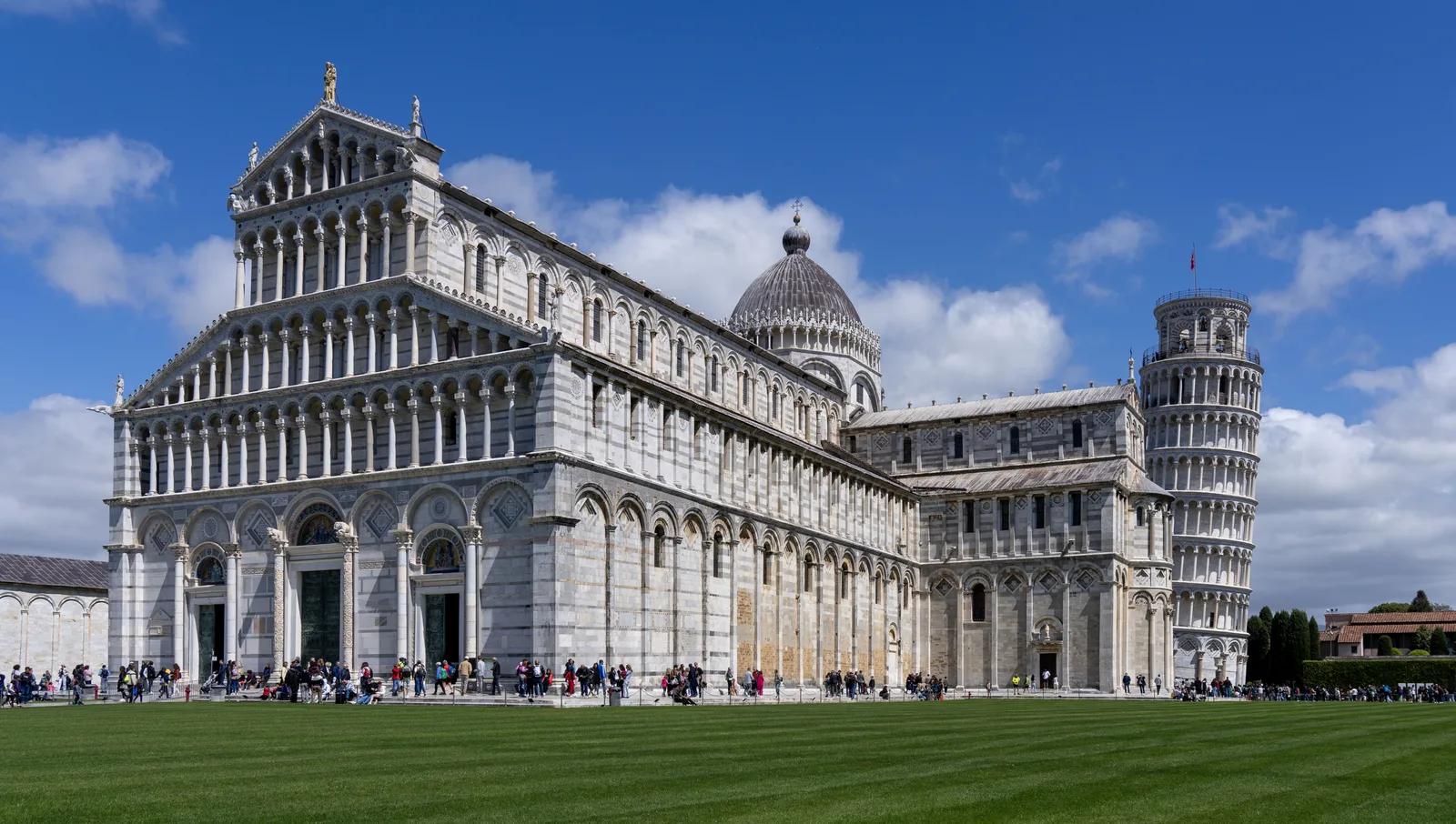
Pisa is easy to approach with one image in mind: a leaning bell tower beside a white cathedral. The more useful question is how much time to give the city around it. A longer visit brings the Arno riverfront, maritime archaeology, university streets and gardens into the picture.
The city can suit a short cultural break, a base for part of a Tuscan journey or a move connected with study and work. Each requires a different plan. A visitor can organise the day around a timed monument ticket; a new resident needs to establish the actual campus, workplace, housing contract and ordinary commute. Keep those decisions separate while using the same careful attention to location.
History is visible in more than the cathedral square
Pisa's maritime past helps connect its monuments with the river and museums. At the Ancient Ships Museum, the story follows navigation, trade, floods, boatbuilding and life aboard vessels recovered through archaeology. The exhibition occupies the Medici Arsenals, themselves part of the city's later naval ambitions. It is an effective way to understand why water belongs in a Pisa itinerary.
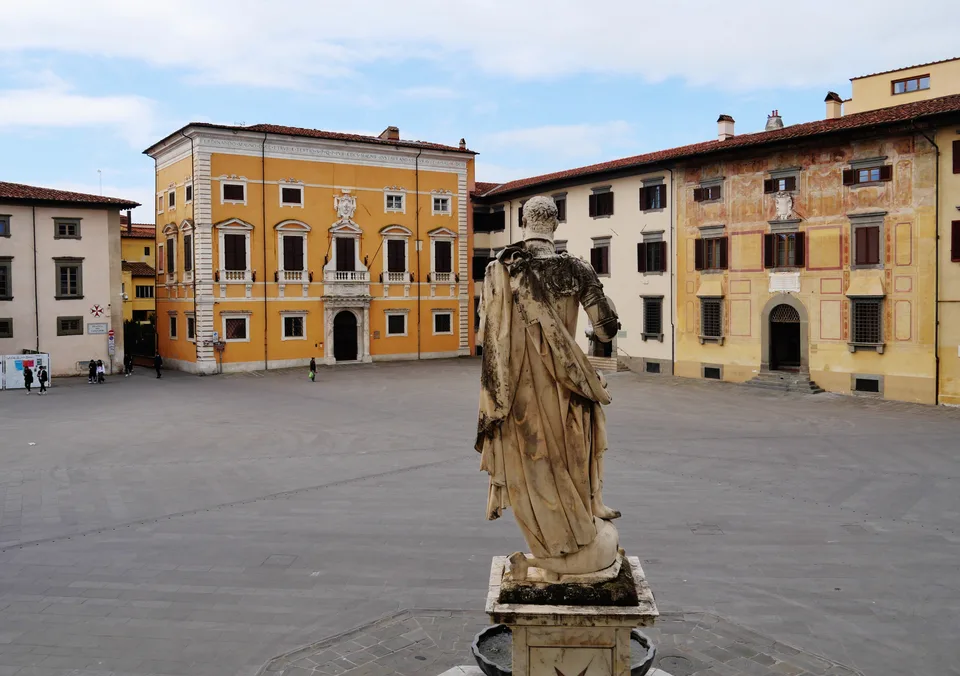
A different chapter appears in Piazza dei Cavalieri. The Scuola Normale's account describes the medieval political centre and Cosimo I's decision in 1562 to make it the seat of the Order of Santo Stefano, with designs by Giorgio Vasari. Reading these places together gives the city more depth than a list of isolated landmarks.
Choose a base by the journeys you will make
The municipal itinerary directory distinguishes the Lungarni, Piazza dei Miracoli, San Francesco, San Martino, Sant'Antonio and Santa Maria areas. Use those names to orient a search, then inspect the particular street. An address near the cathedral square serves a different daily pattern from one chosen for frequent departures from Pisa Centrale.
For an overnight cultural visit, compare walking routes between the accommodation, the monuments and the river. For an early flight, assess the first available airport connection and the remaining journey to its station. A central room can be convenient without being quiet: ask about the actual bedroom position, glazing and access. Apartments, hotels, guesthouses and hostels meet different needs, so compare facilities rather than assuming a category guarantees a kitchen, lift or staffed reception. Request a complete price for your dates, including any applicable local charges.
Give Piazza dei Miracoli a complete morning
The cathedral square deserves more than a quick stop beside the tower. Before booking, decide whether you want the climb, the other monuments and museums, or a shorter visit to the setting. The operator's complete-visit conditions explain that the combined product covers open monuments and museums, including the tower, with distinct arrangements for each.
The tower entry is tied to the selected day and time. Other included sites can be visited from the chosen date for one year, during their opening hours and subject to access. That flexibility does not mean the tower itself has an open-ended admission period. Read the current product description and price before paying, especially if comparing an operator ticket with an intermediary's package. Restoration can restrict parts of the Baptistery, and religious holidays can affect its opening. Leave enough time between visits to enjoy the square itself.
The tower's child rule follows the calendar year
The tower operator uses a specific age test: children must turn eight by the end of the year of the visit. In 2026, that means children born in 2018 or earlier meet the age threshold; children born in 2019 or later cannot enter. This is different from a rule requiring the eighth birthday to have already passed. Under-eighteens must be accompanied by an adult, and proof of age may be requested.
The same official conditions state that reduced-price tower tickets are unavailable and advise arriving 15 minutes before the printed entry time. Late arrival can mean no admission and no refund. Families should decide in advance how to divide the visit when one child cannot climb. Anyone concerned about the physical demands should review the operator's accessibility and visitor guidance before booking rather than treating the tower as an activity that every member of a group must complete.
Piazza dei Cavalieri rewards a slower look
Between the busiest monument visits, make time for the scale and detail of Piazza dei Cavalieri. The Scuola Normale's historical account places it in Santa Maria and explains how a medieval civic space was transformed under the Medici. That change is worth looking for in the relationship between the buildings, their decoration and the open square.
Treat it as a place to observe rather than a promise of unrestricted entry to every surrounding interior. Academic and religious buildings can have their own functions and visiting arrangements. Pause here as part of a walk linking the cathedral area with the river, allowing room for smaller streets along the way. A short route with time to look closely is often more satisfying than a succession of named stops reached under pressure. The photograph shows the square in April 2023, not a live record of current events or access.
Use the Arno as another thread through the visit
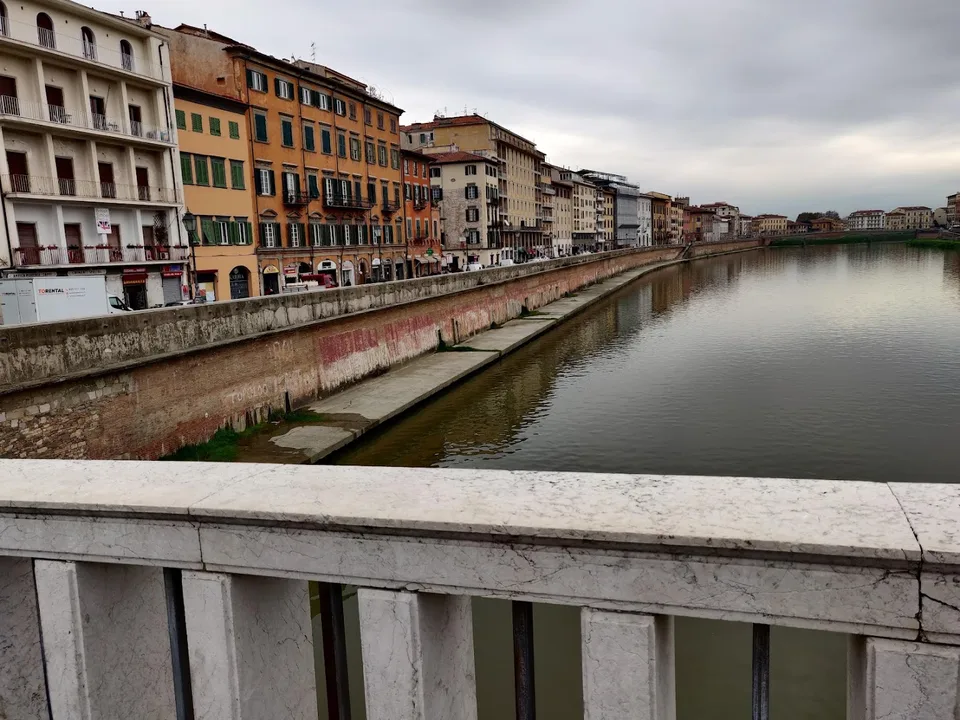
A riverfront walk offers a change of pace after the cathedral square. Pick a manageable stretch, cross a bridge when it suits the route and use a museum or meal as a destination rather than walking simply to cover distance. The relationship between the water and the buildings gives the city a different rhythm from the monument lawns.
Palazzo Blu and the Ancient Ships Museum provide two possible anchors for a cultural day around the river. They need not both be included: choose according to your interest, the opening day and how much time you want indoors. For a longer stay, repeat part of the route at an ordinary commuting time. A pleasant holiday walk can also help you assess crossings, pavements, traffic and the practical journey between a prospective home and the places you will use regularly.
Ancient ships: check which half of the day is open
The Ancient Ships Museum's visitor page lists Tuesday to Friday opening from 08:30 to 14:00, and Saturday, Sunday and holiday opening from 14:00 to 19:30. Ticket sales end an hour before closing. Non-holiday Mondays are closed, as are 1 January, 15 August and 25 December. These unusually different weekday and weekend sessions matter when placing the museum in an itinerary.
Standard admission is listed at €8. Guided visits are an additional product, so do not mistake a guiding supplement for the total admission price. The museum suggests about 90 minutes for an independent visit. Its galleries explore recovered boats, cargoes, conservation and the people who travelled on them. The visitor information describes accessible facilities and a cloakroom for bulky bags; contact the museum about any specific requirements. Allow time to arrive before the ticket office closes rather than aiming only for the final public opening time.
Palazzo Blu: permanent collections and exhibitions differ
Palazzo Blu's visitor information lists €5 full admission for its museum, including the thematic displays within the permanent collection. A major temporary exhibition can have a separate ticket and timetable. Check the named exhibition's page before assuming the museum price covers everything advertised on the building.
The published general hours are Tuesday to Friday 10:00–19:00 and weekends and holidays 10:00–20:00, with last admission an hour before closing. Its Lungarno Gambacorti address makes it a useful stop during a riverfront day. Decide whether the collection or a particular exhibition is the reason for going, then buy the appropriate product. This also helps with budgeting: choosing one exhibition you want to see is more useful than buying several tickets because they happen to be nearby. Leave room for a meal or walk afterwards instead of filling every remaining hour with another interior.
The botanical garden and museum have different access
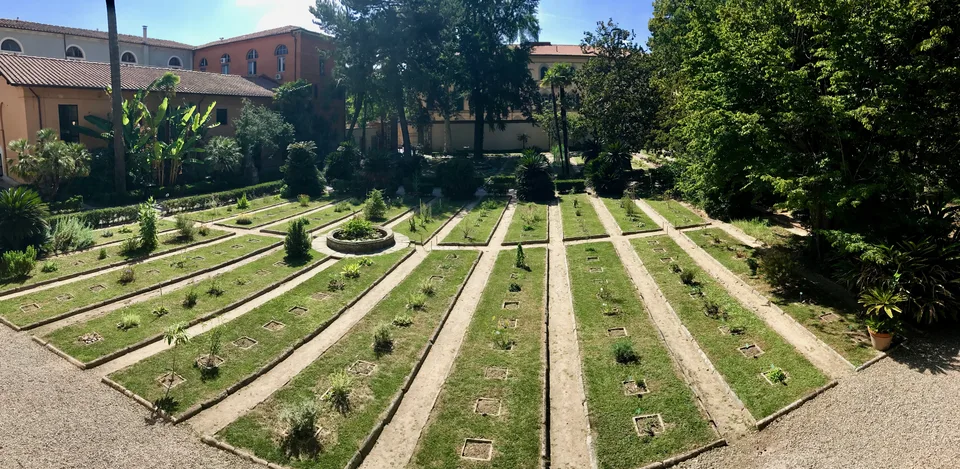
The university's current opening page distinguishes the Botanic Garden from the Botanic Museum. At review, the museum is listed as temporarily closed following the earthquake of 4 August 2026. Its ordinary hours printed elsewhere on the page should not be read as evidence that it has reopened.
The garden has a separate seasonal schedule: in October it opens 08:30–18:00, with last entry an hour before closing. The ticket page lists garden-only adult admission at €4 and says tickets are currently sold on site because online sales are unavailable. Check access again before visiting, including weather-related or treatment closures. The photograph records the garden in June 2017. It illustrates the layout without establishing the present condition of every area. Choose the garden for time among the planting, while keeping the museum closure separate from that decision.
Walk the walls when the weather allows
Pisa's Walls visitor information lists full admission at €5, with a €1.50 presale charge for advance booking. In October, opening is 10:00–18:00 with last admission at 17:30; November to February closes an hour earlier. The elevated route offers a different perspective on the city and is better treated as a substantial walk than a quick extra before a train.
Strong wind or rain can close the route for safety. Accessibility is partial, with designated entrances and accessible sections, so review the map against your requirements before setting out. Choose an entry and exit that fit the rest of the day, bring water and allow for exposed stretches. The Giardino Scotto section has separate arrangements; do not apply one timetable to every part of the walls. If conditions change, move the walk to another day rather than assuming an advance booking guarantees the route will remain open.
Airport arrival: five minutes is the shuttle journey
Pisamover connects Pisa Airport with the railway-station side of the city through an intermediate stop. The operator gives an average vehicle journey of about five minutes, including that stop. This is not the total time from aircraft arrival to a hotel or a connecting train; baggage collection, walking and waiting still belong in the plan.
The current fare graphic lists €6.50 one way and €13 return. Ordinary operating hours are 06:00–24:00, extended until 01:00 from 1 June to 30 September. An October late arrival therefore needs the midnight limit in mind. Tickets are available at machines at the stations, with combined rail products also available through authorised Trenitalia channels. Check the conditions of the product you buy. Resident concessions require eligibility and should not be used as the assumed tourist fare when calculating the journey.
Local buses: use the current fare and correct segment
Autolinee Toscane's urban capoluogo ticket costs €2 and is valid for 70 minutes from validation or activation in Pisa. Older €1.70 quotations no longer describe the current standard fare. Buy and activate or validate the appropriate ticket before relying on it for travel, following the instructions for the medium you use.
The operator's Pisa network page warns that some routes have mixed tariffs, so the correct ticket depends on the segment. Marina, Tirrenia and Calambrone also have a specific coastal product. Do not assume a city ticket covers every journey simply because it starts in Pisa. Use the current route planner for stops, direction and service notices. A separate airport shuttle and a city bus ticket are different purchases; compare the complete journey rather than expecting one product to cover both automatically.
Food and shopping: make room for the local sweet
One distinctive item to look for is torta co' bischeri, associated with the Pisa area and Pontasserchio. Visit Tuscany's recipe describes a pastry pie with rice, chocolate, pine nuts, candied fruit, raisins and spices. Recipes can include liqueur, eggs, butter and wheat, so ask about the actual product if alcohol avoidance or allergies matter.
Use a bakery stop as part of the day rather than building the whole food budget around a single attraction-side purchase. Read menus and compare the complete price before sitting down, including any stated service or cover charges. For an apartment stay, establish where you will buy ordinary groceries and whether the kitchen supports the meals you intend to prepare. When buying edible gifts, consider ingredients, shelf life and the onward journey. A regional label is useful information, but it does not replace checking what is inside the package.
A budget with transparent building blocks
A garden-only adult ticket at €4, walls admission at €5 and one €2 urban bus ticket total €11 before food, accommodation and other transport. Adding the airport shuttle or a major monument changes that basket. This is a limited illustration, not an estimate of a complete daily budget.
Start your own calculation with dated room quotations and the admissions you will actually use. Include local charges where applicable, cancellation conditions, breakfast, luggage storage and parking if required. A cheaper property may still work well, but compare its additional journeys and the time they consume. Families should use each attraction's own age and concession rules instead of applying one child's discount across the city. Leave a contingency for a transport change or wet-weather alternative.
Weather and seasons: plan a movable outdoor day
Spring and autumn can suit a programme of walking and museums. In summer, consider shade, drinking water and cooling at the accommodation; put exposed walks at a comfortable time for your party. Winter can also support a cultural stay, provided you account for shorter attraction hours and retain flexibility for rain.
The walls and botanical garden both publish weather-related closure conditions. Use current forecasts and the operators' notices before committing to an outdoor route. Keep at least one indoor choice available, checking its actual opening session: the ships museum's weekend afternoon is particularly easy to overlook. A visit built around two or three priorities is easier to adapt than one that depends on uninterrupted outdoor access. Avoid using a seasonal average as a promise about a particular day or as a reason to disregard a local closure notice.
A practical two-day itinerary
Day one: make the cathedral square the main morning visit, arranging any tower slot first. Leave time for the other monuments your ticket covers, then walk towards Piazza dei Cavalieri and the river. Keep the afternoon flexible for the garden, a shorter city walk or a museum that fits the day's opening hours.
Day two: choose the Ancient Ships Museum or Palazzo Blu as the main cultural stop, then add the walls if conditions and energy allow. Reverse the order when the opening sessions require it. This is an editorial framework rather than a promise of connections or access. With only a few hours, retain the cathedral square and one route into the city instead of trying to compress both days. With a third day, consider the coast or another Tuscan destination, allowing enough time for the journey itself.
Moving for study: locate the actual department first
University life is part of Pisa's everyday character, but an accommodation search needs a precise destination. The University of Pisa's housing guidance explains that there is no single university campus. Establish where your department, laboratory or teaching rooms are before treating a listing as conveniently near the university.
The university points students towards DSU's CercoAlloggio service and other housing channels. Begin early, compare the full charges and read the proposed contract. A room quotation should make clear whether utilities and condominium costs are included. For a shared flat, discuss cleaning, guests, quiet hours and the use of common space before signing. If considering a neighbouring town, trial the complete commute at the times your timetable requires. A railway connection alone does not establish that the final journey to a department is convenient throughout the week.
Housing for a household requires a broader inspection
For a move unrelated to study, start with the workplace or other address that will organise daily life. Compare homes using the commute, groceries, schools where relevant and the practical route home after an evening out. The character of a street on a holiday afternoon may differ from the conditions that matter to a resident.
Inspect damp, heating, cooling, ventilation, window position, stairs and lift access. Ask about internet at that particular property and where deliveries can stop. Establish the tenancy term, registration arrangements, deposit, notice conditions and every recurring charge in writing. Photograph the agreed inventory and record meter readings at handover. A furnished holiday apartment may be useful for an initial trial stay, but its availability does not establish that the tenancy suits a longer residence or the paperwork your household needs.
Set up services before the first working week
Ask the landlord which electricity, water and internet arrangements apply, whether accounts need transferring and which costs are managed through the building. Obtain the relevant account identifiers and readings, and keep a written record of what was included at handover. Check waste arrangements for the address rather than assuming the same collection method applies everywhere.
For healthcare, USL Toscana Nord Ovest's registration guidance distinguishes entitlement to enrol in the national service from the choice of a family doctor or paediatrician. EU and non-EU applicants may need to demonstrate eligibility through the appropriate offices. Confirm your own coverage and continuing prescriptions before the move. A nearby clinic does not answer the administrative question of how your care is covered. For families, also establish school admission, the daily journey and any separate meal or transport application before selecting a home solely from its appearance.
Residence registration is separate from immigration
The municipality's residence-change service sets out the local process and required documents. It asks for identification for the people moving, signatures from adults and different supporting documents for EU and non-EU citizens. It also addresses the basis for occupying the property. The current instructions direct visitors to book appointments for the main office, alongside the listed alternative submission routes.
An initial record is followed by checks; the stated two-working-day recording stage should not be confused with completion of the whole verification process. Read the instructions that fit your circumstances, particularly for a first registration from abroad or a move involving children. Keep the tenancy and household documents together so that the declared address matches the place where you actually live. Local registration does not itself supply permission to enter Italy, work or remain for a long stay.
Visas, longer stays and other bases
Use the Italian Foreign Ministry's entry guidance and Visa for Italy tool for your nationality, residence, purpose and intended duration. Eligible visa-free tourism is generally limited to 90 days in any 180 across Schengen. It does not authorise employment or permanent settlement. Study and employment routes have their own requirements; a national visa is followed by the relevant residence-permit procedure after arrival.
For wider planning, use VisaWand's Italy country guide, Italy location directory and Italy consultant listings. Compare the completed Florence guide when considering another Tuscan base, checking the journeys your own itinerary requires. A directory record should not be mistaken for a completed editorial guide. Choose Pisa when its mix of monuments, riverfront life, study opportunities and transport connections fits your purpose, and give the city enough time to be more than the photograph you arrived expecting.
Official planning resources
Reviewed 16 October 2026. Use the official resources linked throughout this guide for admission, transport, housing and immigration decisions. Prices, services and rules can change; confirm the details relevant to your dates. Photography illustrates the locations and is not a live view.
View all official resources
- Autolinee Toscane: urban ticket
- Autolinee Toscane: Pisa routes and mixed fares
- Pisamover: airport shuttle hours and journey
- Pisa Walls: opening, tickets and access
- Opera Primaziale: complete ticket and Tower restrictions
- Municipality: district itineraries
- University Botanic Garden and Museum: opening and closure
- University Botanic Garden: tickets and on-site sales
- University: housing searches and leases
- Municipality: residence changes and October appointment process
- Ancient Ships Museum: admission and visitor information
- Ancient Ships Museum: archaeology and maritime history
- Palazzo Blu: museum admission and hours
- Scuola Normale: Piazza dei Cavalieri history
- Visit Tuscany: torta co' bischeri
- USL Toscana Nord Ovest: healthcare registration and doctor choice
- Italian Foreign Ministry: entry and long-stay routes
Plan the next part of your journey
Explore the Italy guide, browse other cities or compare consultants for your travel and relocation questions.