Visa
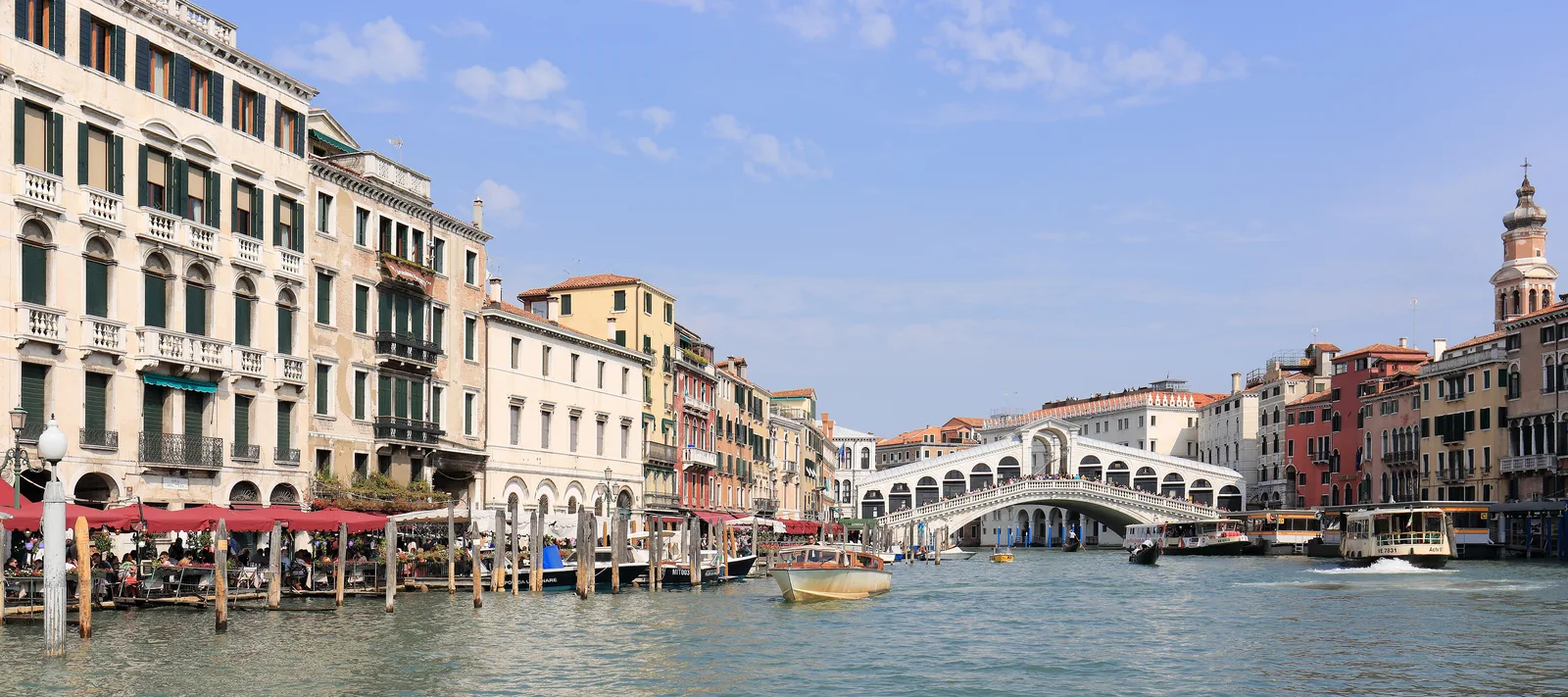
A city where the route is part of the decision
In Venice, a promising address needs more investigation than a pin on a map. A room can be close to a landmark yet require several bridges between the boat stop and the entrance. A mainland hotel can offer a straightforward airport arrival while adding a journey to every day spent in the historic centre. For a first visit, choose the things you most want to see, then work backwards through the transport and accommodation decisions.
The city’s official tourism portal divides historic Venice into six sestieri: San Marco, Castello, Cannaregio, Dorsoduro, San Polo and Santa Croce. The lagoon islands and mainland add further choices. This is useful geography for planning, but a district name alone cannot establish the convenience of a particular home or hotel. Ask for the exact address and arrival instructions, including the closest useful stop and any steps along the approach.
A visit centred on the basilica and Doge’s Palace will look different from a stay devoted to art collections, the lagoon or an initial assessment of life here. Leave room between reservations to walk, eat and follow a route without rushing. For a possible move, include ordinary errands and the commute in that spare time. The journey with luggage, a shopping bag or limited mobility can reveal things a sightseeing map leaves out.
Separate accommodation, airport transfers, urban travel, admissions, meals and purchases in the budget. The €35 Doge’s Palace bundle and €17 Guggenheim adult admission total €52 before transport or food. Check concessions separately and compare the bookings required by your own programme.
Choose accommodation around the final stretch of the journey
Staying in historic Venice makes it possible to build a trip around walks and boat journeys within the city. Compare reception hours, luggage storage and the complete arrival route alongside the room’s photographs. Before booking a late arrival, establish how you will enter the property and whether someone will be available if a transport connection changes. An attractive waterfront image does not mean a private boat can deliver you directly to the door.
Cannaregio is a useful district to investigate when arriving at Venezia Santa Lucia railway station. The official neighbourhood guide describes Strada Nuova’s route towards Rialto, with smaller squares such as Sant’Alvise and Campo dei Mori away from that main approach. Compare an address near the station with one farther into the district using the actual walk. Convenience depends on where you will spend the day, rather than simply being inside the same sestiere.
Mestre is a separate mainland arrival and accommodation option. Marco Polo Airport’s transport page lists both ACTV and ATVO services to Venezia Mestre station, distinct from those serving Piazzale Roma. Compare a mainland property’s complete quote with the journeys your itinerary will require. For a longer household stay, the workplace or university campus may matter more than the distance to San Marco. Test the route at the hours you expect to use it before signing a lease.
Marco Polo Airport: decide between road and water connections
The airport’s official connection page identifies ACTV Line 5 and ATVO express buses between Marco Polo and Piazzale Roma. For Venezia Mestre station, it lists ACTV Line 15 and ATVO express services. Venezia Santa Lucia is reached on foot from Piazzale Roma across the bridge; allow for the walk and luggage rather than treating the bus destination as the railway platform.
Water options include Alilaguna and private water taxis. Check the service’s current stops against the accommodation’s own arrival instructions, then compare the full journey with a bus and onward connection. Different operators sell different products. A ticket for ordinary ACTV urban travel should not be assumed to cover an airport water service simply because both involve a boat.
AVM’s fare information lists an ACTV airport bus single at €10 and return at €18. Its Aerobus-plus-boat product is €18 and valid for ninety minutes. Choose the product for the route you will actually take, checking its conditions at purchase. A transfer quoted for a group also needs clear terms on passengers, luggage and destination. Do not use an estimated arrival time as a guarantee when connecting to a flight or train.
Vaporetto tickets: compare journeys with hours of validity
AVM lists the ordinary seventy-five-minute waterbus ticket at €9.50. Its timed products are €25 for twenty-four hours, €35 for forty-eight hours, €45 for seventy-two hours and €65 for seven days. Three separate €9.50 tickets total €28.50, so a €25 twenty-four-hour pass deserves consideration when three covered journeys fit inside its validity. That arithmetic is a comparison of tickets, not a promise that every visitor needs a pass.
Timed validity starts with the first validation. Follow the operator’s instructions at boarding and validate again when changing vehicles, even while a pass remains valid. Keep the ticket available for inspection. The operator explicitly excludes Marco Polo Airport connections from the ordinary single and timed products; work out airport travel separately before comparing the overall cost.
For an island outing, check the current navigation timetable and the return journey before choosing a departure. A ticket’s duration cannot tell you whether a particular sailing will run, or whether the last connection will fit a dinner reservation. Frequent travellers should investigate the applicable Venezia Unica card and subscription conditions rather than extending tourist-ticket calculations into a monthly commuting budget.
The access fee: distinguish the completed trial from future rules
The municipality’s current access-fee FAQ says the 2026 experimental period ended on 26 July. Outside applicable days, and until new provisions take effect, it says no access-fee payment, registration or proof of exemption is required. Check the official platform for your travel dates, especially when planning a visit in a later year. The published 2026 calendar should not be presented as a standing rule for every day in Venice.
During the scheduled 2026 days, the system applied from 08:30 to 16:00. The charge was €5 when paid by the fourth day before access, inclusive, and €10 within the final three days. Overnight guests in accommodation within the municipality had a different procedure: exemption from the access fee, with documentation required on applicable days, alongside the accommodation tourist tax.
These are separate charges and procedures. Ask the property about tourist tax and any exemption instructions relevant to the booking. Do not assume that a transport pass supplies an exemption, or that an accommodation booking outside the municipal boundary has the same treatment. The official FAQ says decisions for years after 2026 rest with the municipal authorities; future dates and fees require a fresh check.
Doge’s Palace: compare the museum bundle with the special tours
The Doge’s Palace rewards a visit focused on the government and ceremonial life of the Venetian Republic. Its official museum ticket is sold as part of the Museums of Piazza San Marco bundle, including the Museo Correr, National Archaeological Museum and monumental rooms of the Biblioteca Nazionale Marciana. Check each institution’s opening arrangements when deciding how much of the bundle you will use. The included audio-guide app is another option to consider when planning the visit.
MUVE lists the standard full-price bundle at €35, or €30 online when bought more than thirty days before the visit. The reduced ticket is €15, subject to eligibility. Secret Itineraries and the Hidden Treasures of the Doge are separate booked experiences; they should not be assumed to form part of an ordinary admission route. Read the chosen product before paying for an additional tour.
The palace publishes 09:00–19:00 opening from April through October, with last entry at 18:00, and 09:00–18:00 from November through March, with last entry at 17:00. Its notice says holders of museum-bundle tickets without a specified entry slot can enter the palace from noon. Large luggage is prohibited, so arrange storage before putting the visit immediately after arrival or before departure.
A household move needs a home, a commute and an administrative plan
Before committing to a residential lease, inspect the property and clarify the rent, deposit, duration, included furnishings and responsibility for bills. Ask about heating, cooling, ventilation and any previous water-related problems, especially when comparing ground-floor accommodation. A holiday apartment’s nightly availability does not establish that it can be leased on the terms needed for a household move.
For students and other eligible university users, Ca’ Foscari’s Housing Office offers support with finding properties, viewings and lease arrangements. Its current page also describes assistance with checking contracts for rentals not directly managed by the office. The service has its own eligibility and charges: it is not a universal free housing agency for everyone moving to Venice. Contact the appropriate university service before relying on an offer or transferring money.
Compare the home with the exact place you will study or work. Ca’ Foscari’s residences include locations in historic Venice and at Via Torino in Mestre, illustrating why a university’s name alone cannot identify the daily destination. Establish which campus you need, and try the walk and any transport connection. Include groceries, laundry, deliveries and access for family members in the assessment, rather than judging the address only on a sightseeing day.
The municipality’s residence-registration page says a change of habitual residence must be declared within twenty days of the event. The service is free, with the application route and supporting documents depending on circumstances. Check the instructions that match your nationality and previous residence. Municipal registration and immigration permission are separate matters; neither a signed lease nor an address declaration supplies a right to work or permanent residence.
History is written across the lagoon
UNESCO’s account places Venice’s origins in the fifth century and its emergence as a major maritime power in the tenth. Its World Heritage property includes the lagoon as well as the city. That wider frame helps explain why a visit to another island can add more than a change of scenery: settlements, navigation, trade and skilled production belong to the same history.
In Cannaregio, the official city guide dates the establishment of the Ghetto to 1516 and identifies its synagogues and Jewish Museum with the history of Venice’s Jewish community. The district also includes Madonna dell’Orto, associated with Tintoretto, and the fifteenth-century Ca’ d’Oro on the Grand Canal. Choose an interior visit according to the subject that interests you and check its own current opening arrangements. A walk through the district can connect these places without implying that every building is open to visitors.
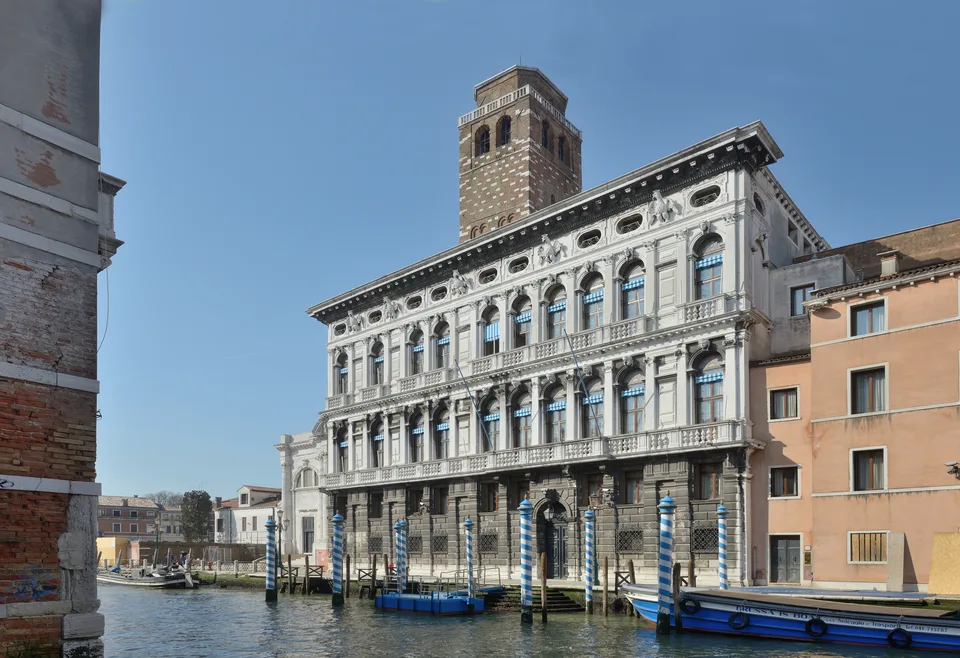
St Mark’s Basilica: select the spaces you want to enter
The basilica’s official booking page distinguishes admission to the church from products including the Pala d’Oro and Museum with the Loggia dei Cavalli. Its complete product excludes the bell tower, which has a separate ticket. Read those inclusions carefully when comparing offers: similar names do not necessarily describe the same visit.
The official tariff document lists private admission at €10 for the basilica alone and €30 for the complete basilica, Pala d’Oro and museum product. Confirm the current product and applicable concessions at booking. Tickets are named and admission to the basilica is tied to the booked slot. The live booking page says purchased tickets cannot be changed and refunds apply only in the circumstances set out in its terms.
Keep shoulders and knees covered, as requested by the official visitor instructions. Worship remains the building’s primary function and religious services can temporarily suspend tourist access. Leave a margin around another reservation and read any notice attached to the date. The museum bundle sold by Doge’s Palace and the basilica’s own products are separate purchases.
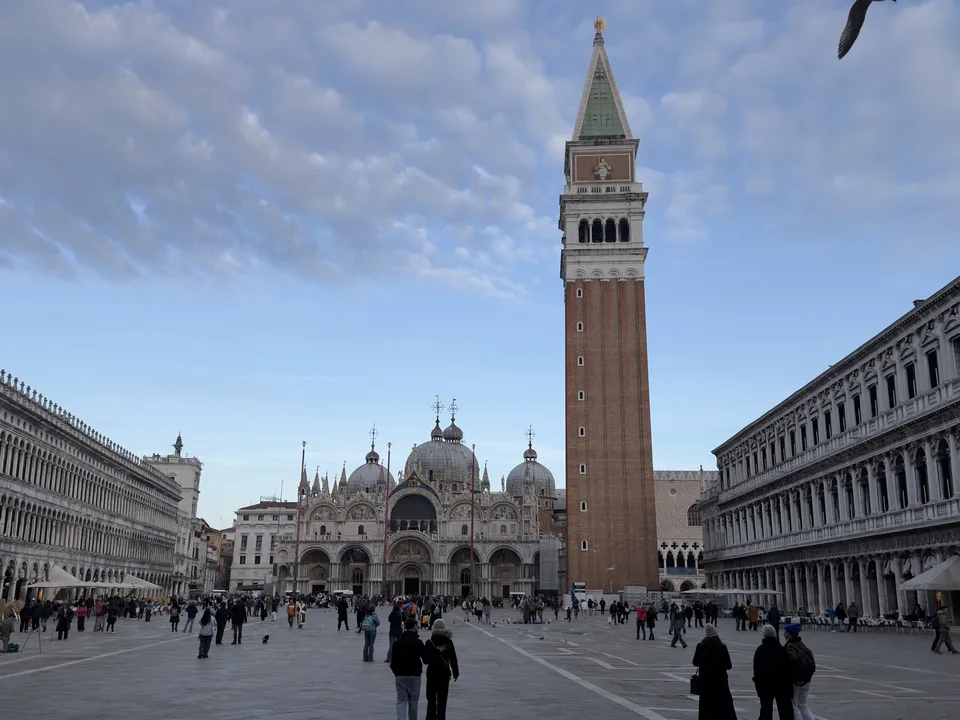
Dorsoduro: combine the waterfront with an art collection
The official Dorsoduro itinerary links Campo Santa Margherita, San Trovaso, the Zattere waterfront and Punta della Dogana with the area around the Accademia bridge. Use it as a route to adapt rather than a requirement to enter every building. The Zattere faces the Giudecca Canal; reaching the waterfront supplies a different view of the lagoon from a walk through the smaller streets.
The Peggy Guggenheim Collection occupies Palazzo Venier dei Leoni on the Grand Canal, between the Accademia bridge and Santa Maria della Salute. Its current visitor page lists adult admission at €17 and opening from 10:00 to 18:00, closed Tuesdays and 25 December, with last entry at 17:00. Choose a slot around the walk, and check the exhibition programme before deciding how much time to set aside.
The museum recommends advance timed booking and requires evidence for discounted admission. Its lockers are free, but large luggage and objects that threaten the artworks cannot enter. Arrange suitable storage if visiting during an arrival or departure day; a museum locker should not be assumed to take a suitcase. An afternoon here can be a deliberate art visit rather than an extra stop between distant sights.
Food and shopping: leave time to understand the purchase
Cannaregio’s official description introduces bàcari and cichéti alongside its churches and streets. Small dishes can make a useful stop during a walk, but ask what each portion costs and which ingredients it contains. A counter snack and a seated restaurant meal offer different experiences; read the menu and any cover or service charges before ordering. Dietary requirements need a direct conversation with the establishment.
The municipality forbids eating or drinking while sitting on the ground, and using bridges, monument steps and similar structures as resting places. Choose a suitable venue or permitted rest area rather than treating a canal edge as a picnic spot. Keep routes clear for people making ordinary journeys through the neighbourhood.
For shopping, compare the object itself, its stated maker and origin, and any delivery terms. Murano’s Glass Museum provides historical context for glassmaking; it does not certify every item sold elsewhere under a Venetian label. Ask for written product details when provenance matters, and check packaging and shipping arrangements for fragile purchases. Keep shopping separate from transport and admission when building the trip budget.
Seasons and high water: consult the forecast for the actual day
Plan warmer-weather walks with drinking water and breaks, and leave room indoors when the forecast calls for rain or uncomfortable conditions. A shorter winter day changes the balance between neighbourhood walks and interiors, while museum closing days still matter in every season. Check the dates of any festival or exhibition you want to attend rather than assuming a familiar event has the same programme each year.
High water needs its own check. Venice’s municipal tide centre publishes forecasts, observed levels and alert information. Consult that service before a day’s route, especially if an accessible approach or ground-floor property is essential. A general weather forecast cannot establish the tide level at the time you expect to cross a particular area.
Allow flexibility if the route or service changes, and ask the accommodation how guests should arrive during an alert. For a prospective home, discuss the building’s actual exposure and response arrangements with the owner. Do not turn a photograph of a dry street, or a description of flood defences, into a guarantee about a future visit or the condition of an individual property.
Tourist entry and a longer stay require different permissions
Italy’s Foreign Ministry directs travellers to its visa finder using nationality, country of residence, purpose and duration. Its guidance describes short Schengen stays within the ninety-days-in-180 limit. Count time across the Schengen area, then check any issued visa’s permitted duration, validity dates and entries. An access-fee voucher for Venice is a municipal visitor document, not an immigration permission.
For a longer stay, establish the applicable study, employment or other residence route before committing to the move. The ministry explains that a national visa authorises entry and must be followed by the relevant residence-permit procedure. Employment may involve an employer’s work authorisation and quota rules or a specific exception. A holiday booking cannot settle those requirements.
Ca’ Foscari provides document guidance and UNI-QUEST support for its international community. Its student guidance distinguishes non-EU residence-permit applications from EU students’ registration requirements for stays beyond three months. Contact the institution and competent authority for your circumstances. Admission to a course, a lease and the right to remain permanently are separate questions; none should be inferred from a successful tourist visit.
Healthcare and household services: establish the arrangements early
The European Commission’s Italy EHIC information directs eligible visitors to National Health Service providers or those contracted with it. Private practitioners are not obliged to accept the card, and patient contributions can apply. Ask about coverage when arranging a routine visit and retain relevant receipts. For a relocation, establish ongoing healthcare entitlement separately from temporary visitor cover.
Keep prescriptions and insurance contact details available, including the insurer’s procedure for accessing care. The Commission lists 118 as Italy’s free emergency number. Household needs also include a workable internet connection, utility accounts and the building’s waste arrangements; clarify which are included in the rent and who is responsible for setting up anything additional.
Veritas’ English collection guide says bags must not be left in the street. It describes taking the appropriate waste to designated collection points or handing it to the collector. Ask the property for the current address-specific schedule and sorting instructions, especially before checkout. The procedure can matter to both a holiday apartment and a permanent home, so include it in the handover rather than leaving it until departure morning.
Three days, with an optional lagoon day
Give the first day to San Marco, with the basilica and Doge’s Palace scheduled according to the tickets actually booked. Leave a meal break and enough time for the selected interiors. Use the afternoon for a walk rather than filling every gap with another timed purchase.
On day two, explore Cannaregio and the route towards Rialto. Choose a historical interior if its subject and opening arrangements fit your interests. Use part of the day to compare ordinary services or a potential commute if the trip is also an assessment of living here.
Make Dorsoduro the third day’s focus, combining a walk along the Zattere with the Peggy Guggenheim Collection or another chosen art venue. Swap days if a museum closure requires it. A three-day plan should not depend on all attractions sharing the same opening calendar.
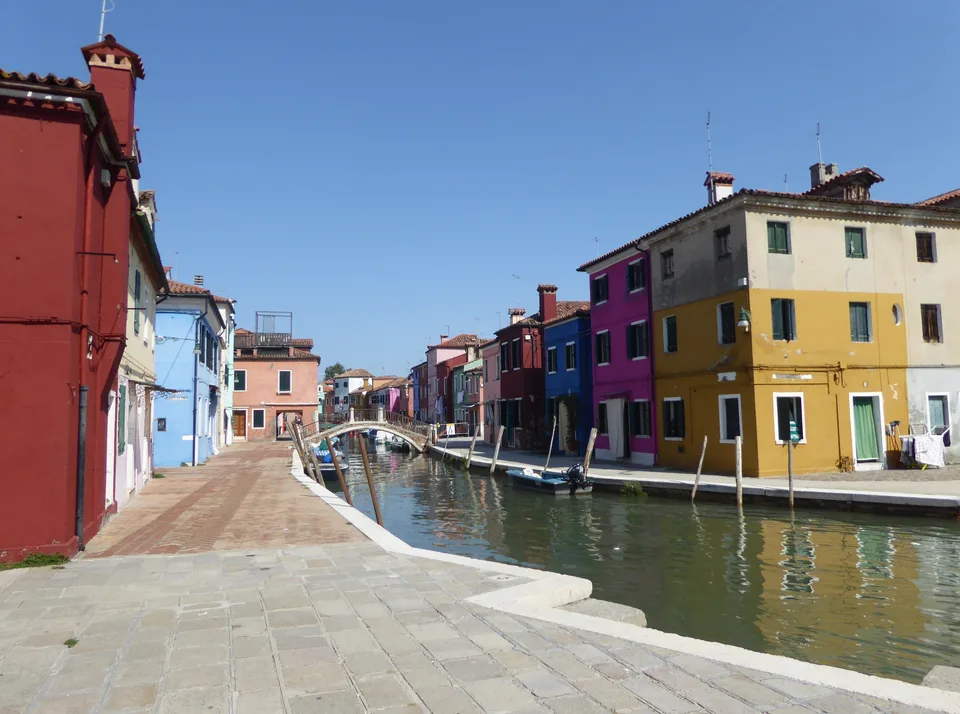
Add another day for the lagoon if it is a priority. Murano’s Glass Museum traces glassmaking through its collections; Burano’s official visitor page highlights its coloured houses and Lace Museum. Choose the visit you want, then confirm the current outward and return services. Trying to cover several islands around two city museums can leave little room to enjoy either. For further planning, use VisaWand’s Italy country guide, location directory and consultant listings, and compare its Rome and Milan city guides with the time available.
Official planning resources
Reviewed 14 October 2026. Use the official resources linked throughout this guide for admission, transport, housing and immigration decisions. Prices, services and rules can change; confirm the details relevant to your dates. Photography illustrates the locations and is not a live view.
View all official resources
- Official Venice areas overview
- Official Cannaregio neighbourhood information
- Marco Polo Airport transport connections
- AVM visitor waterbus and airport fares
- ACTV ticket coverage and validation conditions
- Official Venice access-fee FAQ and application dates
- Doge’s Palace admission, hours and visitor notices
- University housing and lease support
- Venice municipal residence registration
- UNESCO Venice and its Lagoon
- Official St Mark’s Basilica ticket products and conditions
- St Mark’s Basilica official tariff and ticket inclusions
- Official Dorsoduro art and waterfront itinerary
- Peggy Guggenheim Collection tickets and visitor information
- Venice municipal visitor rules
- Venice tide forecasts, observations and alerts
- Italian Foreign Ministry visa and entry guidance
- Official Visa for Italy application requirements finder
- Ca’ Foscari international student document guidance
- European Commission Italy healthcare and EHIC information
- Veritas English waste collection instructions
- Murano Glass Museum collections
- Official Burano visitor information
Plan the next part of your journey
Explore the Italy guide, browse other cities or compare consultants for your travel and relocation questions.