Visa
About Artha Wacana Christian University
A Christian university in Kupang
Artha Wacana Christian University, known in Indonesian as Universitas Kristen Artha Wacana or UKAW, is based in Kupang, East Nusa Tenggara. Its history is closely connected with the educational work of the Gereja Masehi Injili di Timor and Gereja Kristen Sumba churches. The university dates its formal establishment to September 4, 1985, distinguishing that milestone from the earlier theological institutions through which its founders developed higher education. The two churches brought their resources together in the Kupang Theological Academy in 1971. That academy became a theological higher school in 1980, before a wider university was developed to respond to educational needs beyond theology. A feasibility committee was formed in 1984, followed by preparations and an operating permit in 1985. UKAW's account presents this development as part of a longer commitment to preparing educated people for service, leadership and the changing needs of their communities. The history also traces earlier church educational work to a training school opened in Baa, Rote, in 1902 and a theological school opened in Karuni, Sumba, in 1924.
Sources: Institutional history ↗
Education, character and regional engagement
The university's vision links knowledge, technology and the arts with moral and ethical development. It places particular emphasis on eastern Indonesia and East Nusa Tenggara, while grounding its educational identity in Christian faith and the idea of people reflecting the image of God. Its mission brings together teaching, research and community service, the three activities described in Indonesia's Tri Dharma framework for higher education. UKAW also seeks to develop an academic community attentive to its Indonesian setting and local social and cultural circumstances. Institutional governance is another part of the mission: the university describes good management as supporting its independence and continuing development. These statements set out its aspirations for academic life and public service, rather than a measure of outcomes for every graduate.
Sources: Vision and mission ↗
Plans linking teacher education with school practice
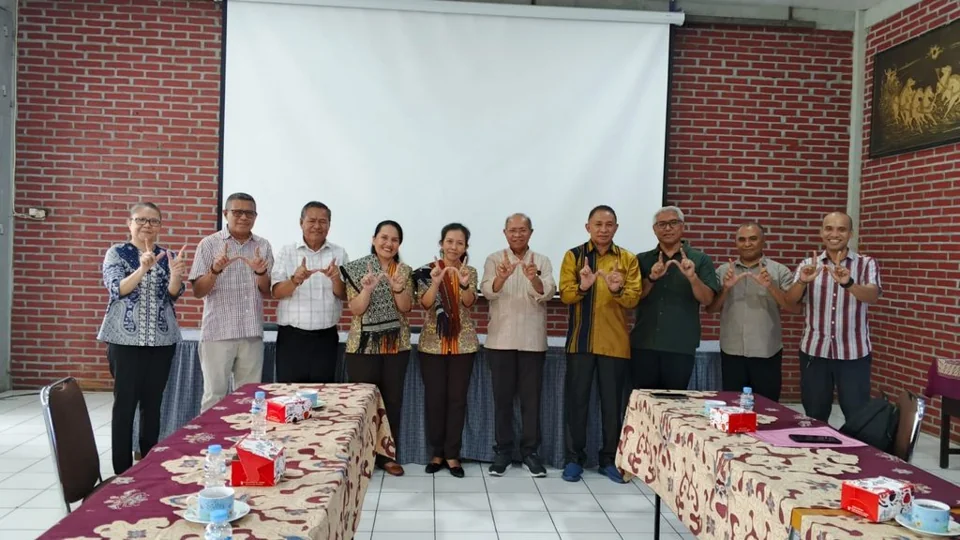
A report published in October 2026 describes discussions about developing a teaching laboratory for UKAW's Faculty of Teacher Training and Education. University and foundation representatives visited Universitas Kristen Satya Wacana in Salatiga as part of that planning process. The report explains that the proposed model would involve UKAW, its founding churches and partners, connecting higher education with primary and secondary education. Participants discussed the importance of clear governance, organizational arrangements and management. The visiting group also observed learning at Satya Wacana's laboratory school. UKAW's stated purpose was to connect the knowledge acquired by prospective teachers with practical skills and opportunities for lecturers and students to apply their expertise. The account describes preparation for a development initiative, with the visit informing its design and implementation plans.
Sources: Teaching-laboratory development discussions, October 2026 ↗
Language learning and engagement with schools
UKAW's English programme organized the fourth Linguaters English Festival on September 29–30, 2026. A university report describes school students from Kupang city and the surrounding regency participating in English debate and storytelling competitions. The activities provided an opportunity to speak before audiences and judges, develop arguments and use expression to communicate a story. Local themes were included in storytelling, connecting language practice with the cultural experiences participants brought to the event. The report also describes preparation supported by teachers, senior students and peer tutors. Through that format, school-based preparation met a wider setting for exchange and competition. The festival illustrates one way the university's academic community engages with secondary education, using English as a means of communication, creative expression and interaction beyond the ordinary classroom.
Building relationships with other institutions
Another October 2026 report records a meeting in Solo between leaders of UKAW and Universitas Pignatelli Triputra. The discussion concerned strengthening institutional relationships and exploring more strategic forms of cooperation. Possible partnerships with higher-education institutions in Indonesia and abroad were among the subjects raised. The report refers to an initial consortium idea involving links with institutions in Taiwan, China and America, with attention to resources and educational infrastructure. These were opportunities being explored, rather than completed projects or confirmed student exchanges. The account places sharing experience, ideas and resources at the centre of the proposed collaboration. It also connects relationship-building with the longer-term development of academic services and the infrastructure needed to support them.
Sources: Inter-university cooperation discussions, October 2026 ↗
Biology Education and contact with alumni
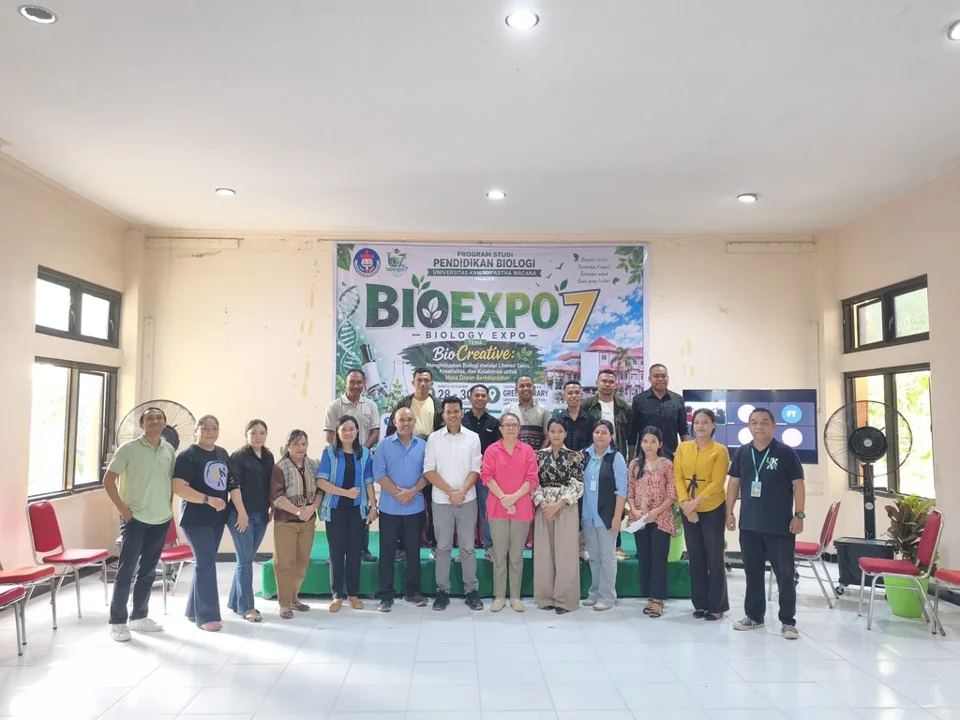
The Biology Education programme held an alumni discussion on October 30, 2026, as part of its seventh BioExpo programme. The university's account locates the event in the lobby of its Green Library building. Students, lecturers and educational staff joined graduates from different cohorts for a talk-show-style discussion. Alumni shared experiences of study, organizational involvement, professional life and the challenges of working in communities. Topics included communication, language skills, continuing learning and adapting to changing circumstances. The discussion also considered connections between academic knowledge and practical community needs, including examples relating to agriculture. Alongside giving students contact with graduates, the event strengthened links between the programme and its alumni. It illustrates a form of academic community-building in which experiences after graduation become material for discussion and reflection among current students. BioExpo's wider purpose was described as combining academic development, creativity, collaboration and the exchange of knowledge.
Sources: Biology Education alumni discussion, October 2026 ↗