Visa
About Antwerp Maritime Academy
Maritime education in Antwerp
Antwerp Maritime Academy, also known as Hogere Zeevaartschool or HZS, is based at Noordkasteel Oost 6 in Antwerp, Belgium. The academy specialises in maritime education and describes its setting as connecting the city with the port and the wider shipping sector. Its institutional organisation brings together education, research, training and consultancy, and central support services.
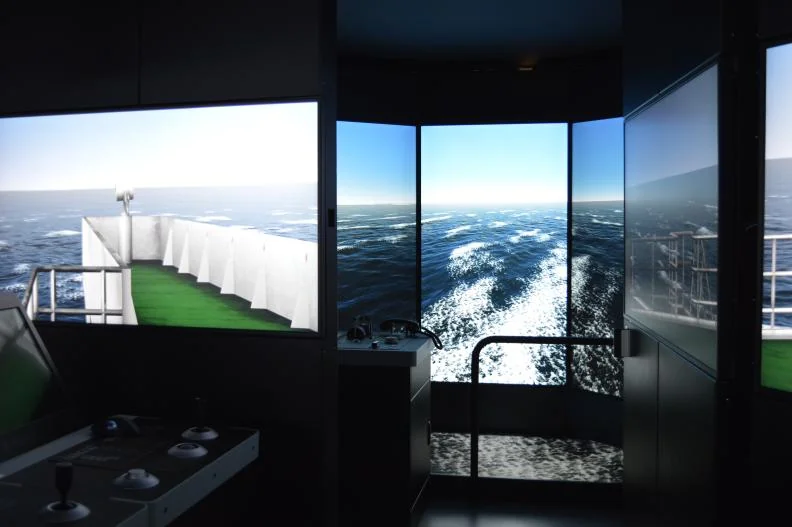
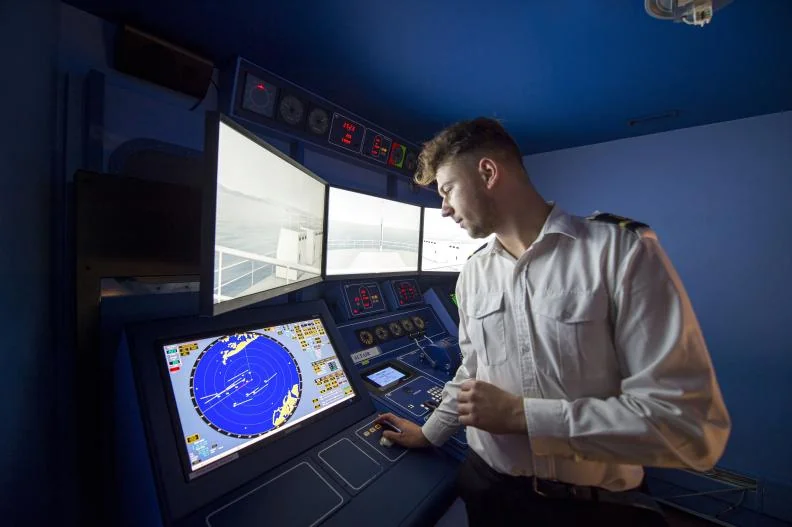
The Noordkasteel campus overlooks the Scheldt. The academy’s introduction describes a combination of classroom teaching, practical learning and simulation, with maritime specialists contributing their professional knowledge to education. Students encounter tools for practising ship manoeuvres and communication at sea, alongside library resources that support their studies. The academy presents these experiences as preparation for understanding work both aboard ships and in shore-based maritime settings. This focus connects theoretical knowledge with the operational situations, technologies and decisions found in the maritime world.
Sources: About the academy and Noordkasteel campus ↗
A history of maritime teaching
The academy traces its history to a navigation school established in Antwerp in 1800 during the French period. Its account identifies 1834 as a re-establishment under Belgian administration, marking a further stage in the development of maritime higher education. The Noordkasteel school building entered use in 1932; wartime occupation led teaching to move elsewhere, and the institution returned to Noordkasteel in 1948.
Other milestones concern teaching and student experience. The training ship Mercator was withdrawn from service in 1961. Nautical Sciences was organised at academic level in 1985, while placements aboard large sailing ships were reintroduced in 2008. The history also describes the tradition of naming student cohorts after notable maritime figures. In 2022, Hogere Zeevaartschool adopted the Antwerp Maritime Academy name. The institution explains this choice through its Antwerp location, maritime expertise and academic character, while retaining its connection with the older school name.
Finding information through the library
The academy’s library serves students, staff and visitors with books, dissertations, journals, computers and internet access. Its information page identifies the library as being in room 405 on the basement level. A catalogue allows readers to check which books and periodicals are held locally, with separate routes to dissertations and journal collections.
The published digital resources include ScienceDirect, EBSCOhost, Springer electronic books and Regs4Ships. The library directs readers to staff for guidance on accessing databases and electronic magazines remotely. User guides accompany several resources, helping connect the catalogue and research tools with their practical use. The page also points readers towards the European Atlas of the Seas and scholarly searching. Online Van Dale dictionaries are available through computers at the academy. These resources bring specialist maritime information together with wider academic literature, reference material and support for locating sources.
Student support alongside academic study
STUVO is the academy’s student-support service for matters that affect study and everyday university life. Its published remit includes financial questions, student rights, study guidance, accommodation, employment and practical arrangements. Staff help students understand available support and navigate relevant forms and procedures.
Study guidance can address planning, difficulties with learning and anxiety around examinations. The service also considers individual needs through arrangements for students with a special status, including students with disabilities, working students, student entrepreneurs and high-level athletes. Housing information connects students with Antwerp’s shared accommodation platform, while staff can offer guidance about student work. Psychosocial support includes referral to external services where appropriate, alongside information about group activities offered through the Antwerp association of higher education institutions. STUVO’s account therefore places practical help and personal support alongside the academic work, with individual conversations used to identify suitable assistance.
Sources: STUVO student support ↗
Research shaped by maritime questions
The academy describes research as interdisciplinary and closely connected to maritime education and professional practice. Its approach combines applying scientific knowledge to real situations with investigation prompted by practical questions. Experimental design, statistical analysis, engineering design and clearly formulated research questions are identified as elements of its methodology.
Its research organisation includes corrosion and fouling, maritime safety, sustainable transport, and maritime health and wellbeing. Corrosion work examines damage to materials and biological growth on maritime surfaces. Safety research considers physical and digital resilience in shipping and port logistics. Sustainable transport includes emissions, alternative energy, air quality, maintenance and energy management, while health and wellbeing research focuses on seafarers. The academy presents these areas as being shaped by questions arising in the sector and connected to its education. Research therefore provides another route for examining the technologies, environments and human factors involved in maritime operations.
From measurement platforms to ship simulation
The academy’s facilities combine measurement in working port conditions with laboratory equipment and a simulator centre. Platforms at Ostend support investigation of materials and coatings exposed to seawater, including environmental changes over time. Mobile units allow measurements at quay walls and other maritime structures. Laboratory resources include equipment for electrochemical corrosion measurements, microsensors and accelerated exposure testing.
The MISSIMLab simulator centre provides settings for learning, research and testing. Its description includes bridge and engine-room simulation, virtual reality, cloud-based tools and cybersecurity simulation. Users can examine navigation, manoeuvring, machinery operation and cargo handling through recreated maritime scenarios. Weather, emergencies and other demanding conditions can be incorporated into these exercises. The facilities page also describes access for companies and public bodies undertaking research or services. This brings educational activity, investigation and professional collaboration into a shared environment for exploring how maritime operations and technologies work.
Sources: Research and simulator facilities ↗