Visa

About Académie des Beaux-Arts de Tournai
An art academy in Tournai
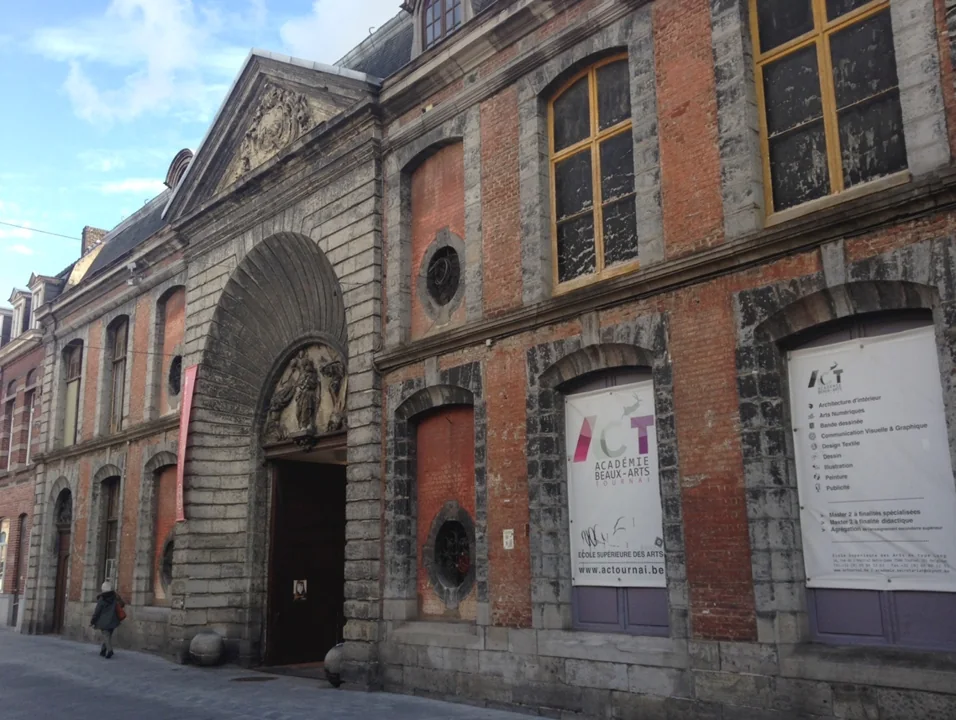
The Académie des Beaux-Arts de Tournai, also known as AC’T or ACTournai, is a higher school of arts in Tournai, Belgium. It is a municipal institution subsidised by the Fédération Wallonie-Bruxelles and provides long-cycle education in plastic, visual and spatial arts. Its address is 14 rue de l’Hôpital Notre-Dame. The school brings together studio-based disciplines, theoretical teaching and technical learning within a multidisciplinary artistic environment.
Its nine study options are interior architecture, digital arts, comics, visual and graphic communication, textile design, drawing, illustration, painting and advertising. This range links image-making and storytelling with designed objects, textiles, communication and spatial practice. The institution participates in the European higher education framework through ECTS credits, which also support periods of study with partner schools abroad.
Sources: Institutional profile and campus photographs ↗ · Artistic and educational project ↗
Historical purpose and artistic outlook
The academy’s educational project traces its foundation to 1756, when Tournai was part of the Austrian Netherlands. It was established to meet a need for decorators at the city’s Royal and Imperial Porcelain Manufacture. Teaching soon extended to designers of tapestry cartoons in response to requests from weavers. Its origins therefore connect artistic education with the materials, skilled production and visual culture of the surrounding city.
Today, the academy describes its development as that of a multidisciplinary centre for research and creation. Its artistic project values a personal visual language and independent judgement. Teachers seek to encourage dialogue, listening and experimentation while asking students to consider their relationship with contemporary society. The school’s stated approach gives importance to artistic autonomy and social responsibility, with research and practical experience contributing to the development of an individual creative direction.
Sources: Artistic and educational project ↗
Study cycles and growing independence
Study is organised through bachelor’s and master’s cycles. The first cycle comprises 180 credits across three years. The bachelor’s stage introduces practical, cultural, theoretical, technical and technological knowledge relevant to a student’s chosen field. Research and experimentation help students begin to define their work and understand the possibilities of different approaches. French is the academy’s principal language of teaching, assessment and administration.
The educational project describes a 120-credit master’s route, with the second cycle placing stronger emphasis on autonomous artistic practice. Students develop a more personal and coherent project of creation and consider how it can engage with professional realities. Published course descriptions set out learning content, objectives, teaching methods and assessment arrangements. The progression from introductory exploration to independent project work is central to the academy’s explanation of its two study cycles.
Sources: Artistic and educational project ↗ · Organisation of studies ↗
Workshops, theory and technical practice
The academy develops courses through dialogue between teachers of artistic, theoretical and technical subjects. Artistic classes form the central studio component, with workshops serving as places for creation and experimentation. The main artistic class is linked to the chosen programme, while other teaching contributes different references and skills. This structure allows practical work to be considered alongside the ideas and methods that inform it.
Theoretical classes extend beyond the immediate field of the visual arts. They encourage curiosity, analysis and the ability to organise information critically. Technical and technological teaching addresses the realisation of artistic projects, including the relationship between ideas, materials and feasible methods of production. Visiting specialists, including artists, craftspeople and art historians, contribute conferences and workshops alongside the permanent teaching staff.
Sources: Pedagogical activities ↗
Placements and encounters beyond the studio
During the first two bachelor’s years, the pedagogical activities page describes two-week internal placements intended to encourage interdisciplinary experience. From the third bachelor’s year and during master’s study, students undertake external placements with creators, exhibitions or industry. These experiences bring students into contact with different working contexts and extend their learning beyond their regular studio classes. Exchanges with overseas schools add another form of encounter with unfamiliar cultural and artistic settings.
Sources: Pedagogical activities ↗
International study
The academy’s international office coordinates Erasmus study arrangements. Incoming students first work with their home institution to establish whether an agreement exists, then prepare an application that includes a portfolio and academic records. Accepted students develop a learning agreement with their coordinator, selecting courses within a chosen programme. The academy also offers French-language classes to incoming students who wish to take them. Its international approach treats mobility as an opportunity to encounter other cultures and broaden artistic experience through study and exchange.
Inclusive learning and library support
The academy provides a Reception and Assistance Service for students facing barriers associated with disability, specific learning difficulties or disabling illness. Its inclusive education arrangements aim to reduce material, educational, cultural, social and psychological obstacles. Support is developed through consultation with the student, management and the assistance service, rather than through a single standard arrangement applied to everyone.
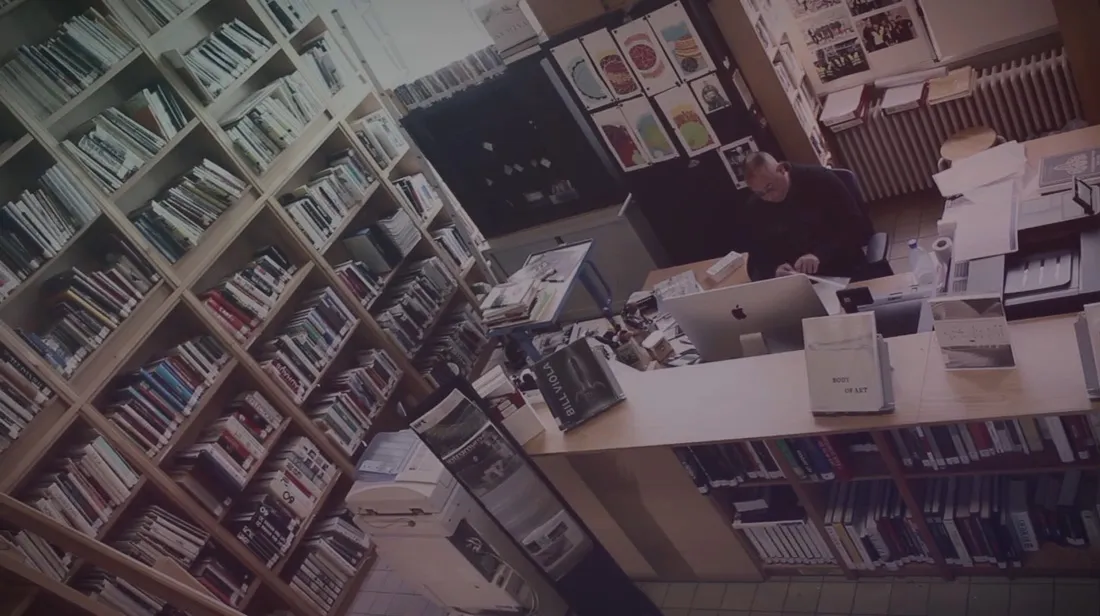
An individual assistance plan can identify the study programme, reasonable accommodations and the people involved in providing support. The plan can be evaluated and adjusted as circumstances require. It can also identify student assistants and specify support in material, educational, cultural or social terms for the relevant academic year. The academy also maintains a library with a designated manager, published weekday opening hours and library regulations. These services form part of the institutional setting around artistic study, complementing workshops, teaching and the development of independent projects.
Sources: Inclusive education ↗ · Library ↗