Visa
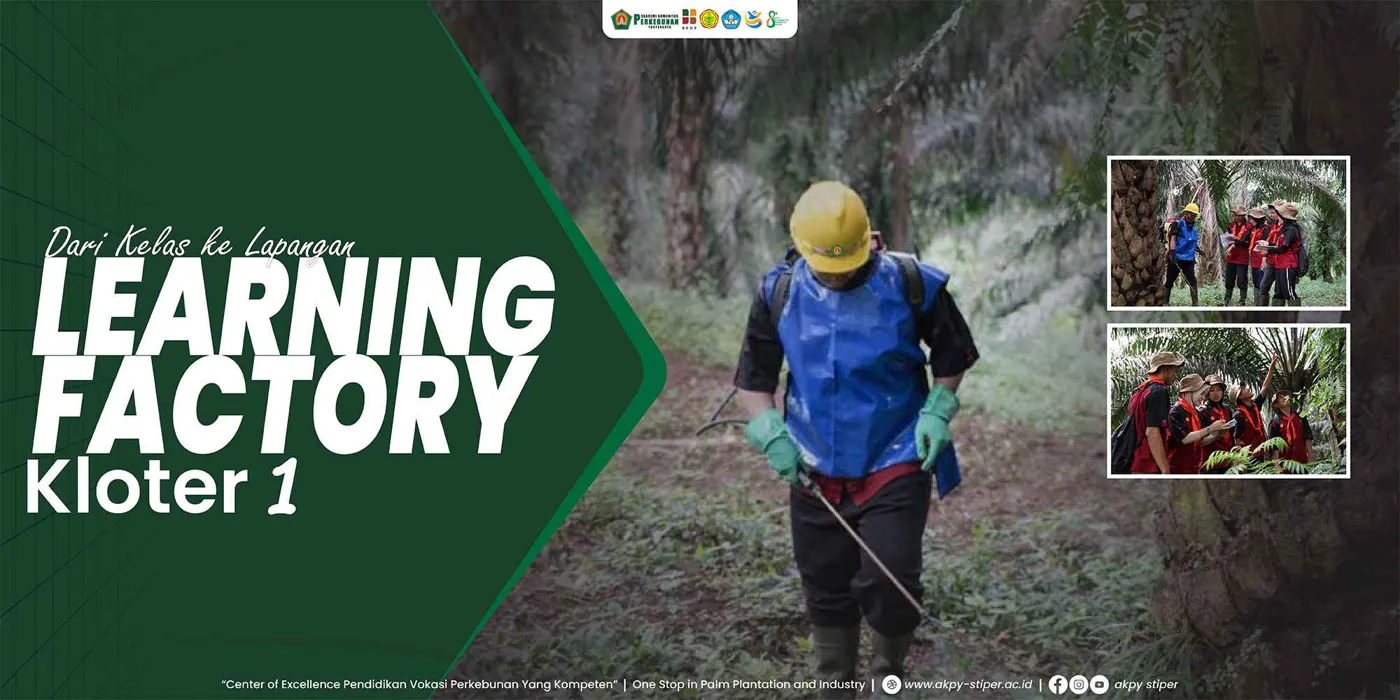
About Akademi Komunitas Perkebunan Yogyakarta
A plantation-focused vocational academy
Akademi Komunitas Perkebunan Yogyakarta, commonly known as AKPY STIPER, is a vocational higher-education institution in Sleman, in the Special Region of Yogyakarta, Indonesia. Its official history dates its establishment to 21 August 2017 by Yayasan Pendidikan Kader Perkebunan Yogyakarta. The academy's educational focus is plantation development, particularly the oil-palm sector.
Its stated mission combines vocational teaching with entrepreneurship, scientific research and community service. Research is intended to address plantation knowledge relevant to communities and industry, while service activities apply practical skills and technology. Cooperation with other organisations is another part of its institutional direction. This gives AKPY a specialised identity centred on short-cycle plantation education, with technical learning connected to the wider responsibilities of research, service and economic cooperation.
Sources: Institutional history and mission ↗
Diploma I nursery education
The Diploma I programme in Pembibitan Kelapa Sawit focuses on oil-palm nursery education. Established alongside the academy in 2017, it is described as a one-year, two-semester programme carrying 38 credits. Its teaching brings together classroom study, laboratory activities, field practice and an industrial internship.
The published course sequence begins with subjects such as climate and water management, soil and fertility, cultivation fundamentals, crop protection, technology and mechanisation. Nursery techniques address both the pre-nursery and main-nursery stages. Workplace safety and human-resource management also appear in the curriculum. The second semester includes applied Indonesian, Pancasila and citizenship, administration and digital literacy, entrepreneurship and cooperatives. Field practice, an internship and a final project connect those subjects with practical experience and the documentation of learning.
Diploma II cultivation studies
The academy dates its Diploma II programme in Budi Daya Kelapa Sawit to 8 May 2024. The two-year, four-semester programme develops a broader view of oil-palm cultivation and plantation operations. Its published curriculum includes land preparation and plantation design, soil and fertility, nursery establishment and planting, climate, water management, mapping and geographic information systems.
Later subjects cover the maintenance of immature and mature palms, plant physiology, fertilisation, irrigation and drainage. Harvesting, transport and post-harvest management are considered alongside pests, diseases and weeds. Administrative reporting, digital literacy and entrepreneurship add organisational subjects to the technical curriculum. The final semester lists plantation English, field practice, an internship and a final project. Together these subjects show an educational sequence extending from establishing a plantation through maintenance, harvesting and operational reporting.
Diploma II processing studies
Teknik Pengolahan Kelapa Sawit is the academy's Diploma II programme concerned with oil-palm processing. Like the cultivation programme, its official page records establishment in May 2024 and a two-year study structure. Its curriculum follows the movement of harvested material through reception, processing and subsequent handling in a palm-oil mill.
Published subjects include reception and loading, sterilisation and threshing, digestion and pressing, clarification, storage, and nut and kernel processing. Quality study covers crude palm oil and palm-kernel oil. Supporting subjects include plant design, materials, industrial mathematics, post-harvest management and transport. Later courses address water treatment, boilers and engine-room utilities, wastewater treatment, packaging, storage and downstream products. Workplace safety and human-resource management are included alongside workshop technology and agricultural chemistry. The programme also incorporates field practice, an internship and a final project.
Library and information support
Central Library AKPY supports learning, research and community service in plantation and agricultural subjects. Its published services include an online catalogue for locating books, journals and academic references. It also provides user education intended to help students and staff use library facilities, services and information sources effectively and independently.
The library invites feedback through a service-evaluation channel and accepts book donations through a separate form. Its policy information addresses operations, services and the rights and responsibilities of users. The library's stated direction includes relevant and current information, development of library staff, effective information management and cooperation with institutional partners. These services add an information and study-support component to the academy's field- and industry-oriented teaching.
Sources: Central Library AKPY ↗
A documented industrial internship
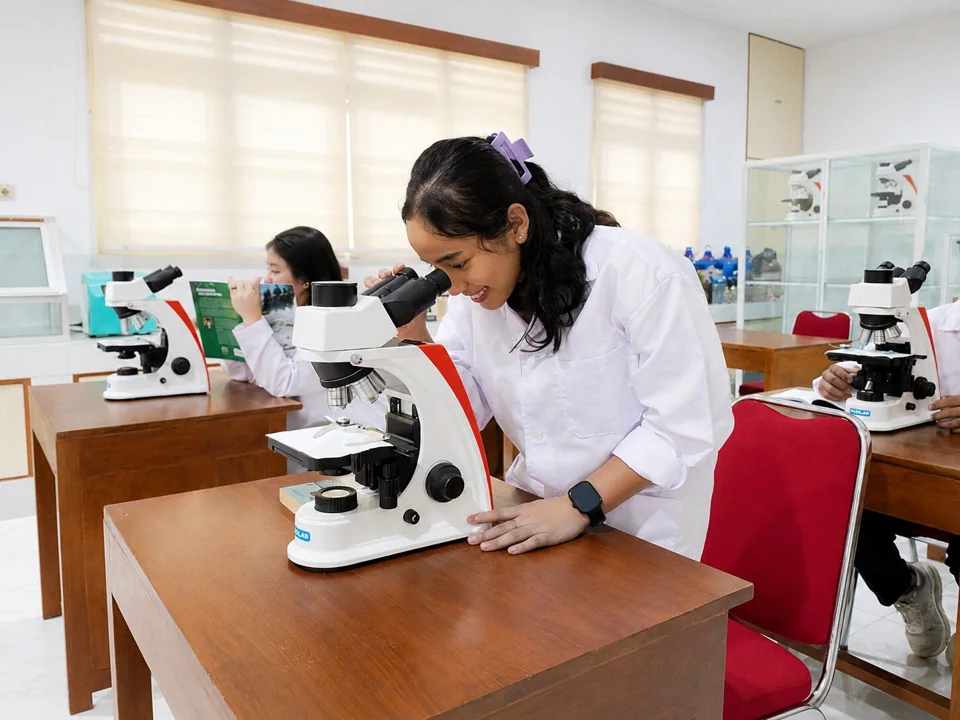
A May 2026 report describes the departure and handover of an AKPY student group to Karyamas Plantation. An academic supervisor accompanied the group, with company human-resources staff also involved. The students were welcomed at the company's training centre in Seriang Estate, in the Badau region, before the formal transfer from campus to company supervision.
The report describes a three-month placement arranged as one month of field-worker experience and two months in supervisory learning. The welcome and orientation emphasised active questioning, communication and teamwork in plantation operations. This is a specific example of the academy's connection between classroom preparation and industrial experience. It also shows how academic accompaniment, company reception and practical learning were brought together for a particular student group.
Sources: Karyamas Plantation internship report,May2026 ↗
Campus spaces and community service
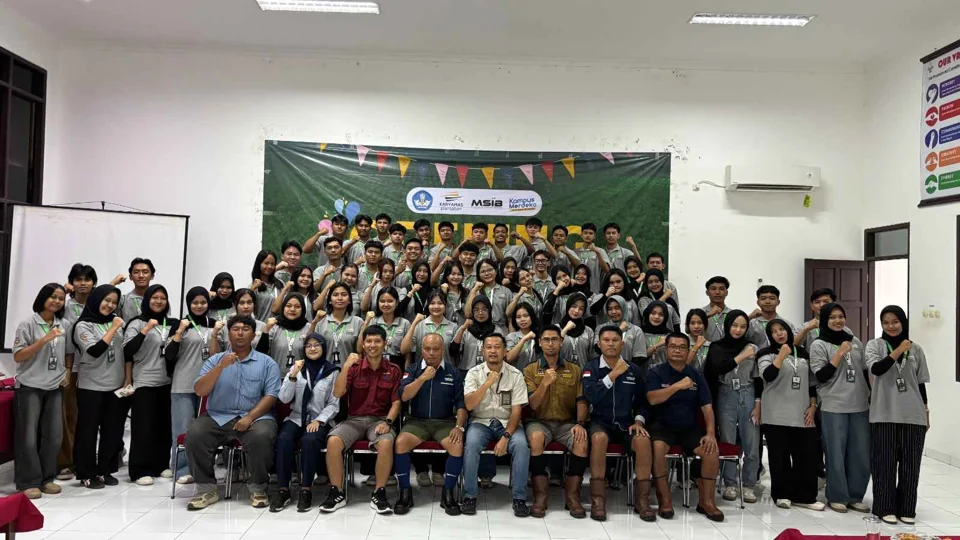
The official facilities gallery identifies a main campus building, a hybrid classroom, meeting and conference spaces, a laboratory, a health clinic and transport vehicles. Its central campus address is Jalan Petung No.2, Papringan, Caturtunggal, Depok, Sleman. The gallery presents these spaces as resources supporting academic activity and campus services.
Community activity provides another setting for applied learning. A 2023 report describes an AKPY research and community-service unit workshop in Pelemsari, Kotagede, on making candles from used cooking oil. AKPY lecturers worked with Instiper students, demonstrating the process before local participants tried it themselves. The workshop addressed the reuse of household waste as a material for a useful product. It illustrates cooperation with a related educational community through a practical service activity.
Sources: Official campus facilities gallery ↗ · Community workshop on candles from used cooking oil,2023 ↗