Visa
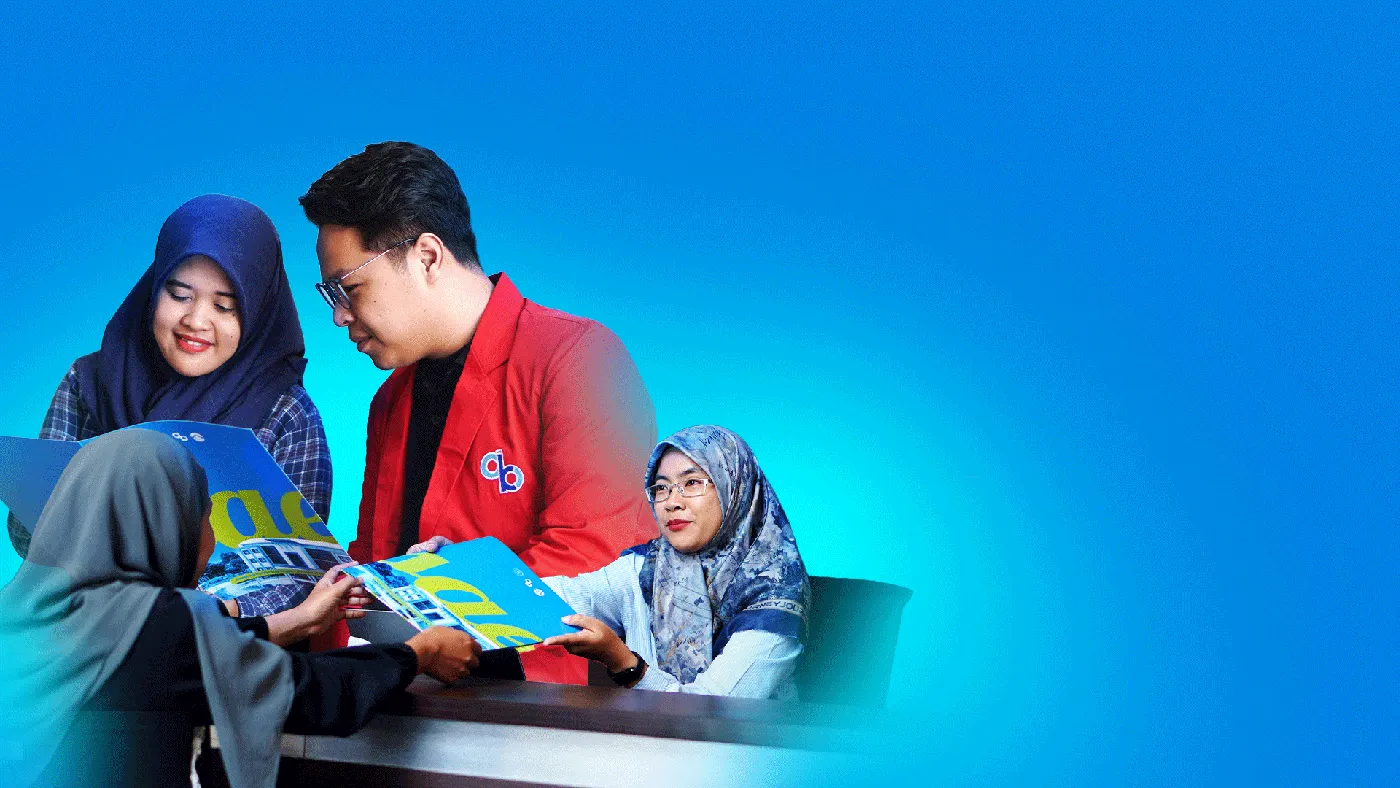

About Akademi Komunitas Negeri Putra Sang Fajar Blitar
A state community academy in Blitar
Akademi Komunitas Negeri Putra Sang Fajar Blitar is a public vocational higher education institution in Blitar, East Java. Its origins lie in an off-campus programme established in 2012 through cooperation between Politeknik Negeri Malang and the Blitar city government. The initial teaching covered informatics management and business administration.
The academy became an independent state institution on 17 October 2014 under ministry regulation number 156 of 2014. Three Diploma II programmes were authorised in 2017: Audio and Video Editing, Server and Computer Network Administration, and Poultry Product Processing. Digital Office Operations was added in 2022. These four subjects define the academy's current programme range. Its leadership history records Halid Hasan as director from 2022 to 2025 and Anang Widigdyo as director from 2025.
Sources: History and directors of AKN Blitar ↗
Local knowledge, applied research and enterprise
The academy's mission brings livestock-related activity and creative industries together within a vocational education setting. Local knowledge is a recurring theme: the institution seeks to connect its teaching with the characteristics of its region and the needs of industry and communities. Professional competence and an entrepreneurial outlook are expressed as educational aims.
Applied research is another part of that mission. The academy identifies appropriate technology, livestock productivity and creative industry development as areas in which locally relevant research can contribute. Community service is organised around assistance, training and the transfer of applied knowledge, including work with livestock producers and creative businesses. Cooperation with government, industry and communities supports these activities. The institution also identifies character development, competencies, scholarly outputs and intellectual property among its educational and research objectives.
Sources: Institutional vision and mission ↗

A four-semester computing curriculum
The Diploma II programme in Server and Computer Network Administration publishes a four-semester curriculum based on an outcomes-oriented approach. It begins with foundations in programming, information systems and databases, then develops more specialised technical subjects before moving into field practice, project application and a final assignment.
Early subjects include computer organisation and troubleshooting, algorithms, web design, technical English and discrete mathematics. Later study introduces advanced programming, web programming, software engineering, computer networks and operating systems. The third-semester list includes object-oriented programming, embedded systems, information systems project management, network administration, cloud applications and digital literacy.
The final semester combines practical fieldwork and project activities with professional ethics, occupational health and safety, office applications and technopreneurship. This sequence places computing knowledge beside the organisational and professional subjects relevant to carrying out technical work. The published structure makes practical application an explicit stage of the diploma rather than leaving it outside the course plan.
Sources: Server and Computer Network Administration curriculum ↗
Developing teaching through problems and projects
The academy's work on teaching methods is illustrated by an August 2026 workshop within the state vocational higher education revitalisation programme, PRPTNV. The event took place on 11 August in the multipurpose room of the Integrated Lecture Building. Mila Fauziyah from Politeknik Negeri Malang contributed as the invited speaker.
The workshop addressed two related approaches: problem-based learning and project-based learning. The first asks learners to identify a relevant problem, analyse information, consider possible responses and make decisions. The second organises learning around planning and completing a project, collaborating with others and evaluating what has been produced. The academy presented the session as professional development for educators designing active vocational teaching. Its focus connected theoretical understanding with practical skills, group work and the process of applying knowledge to a defined task.
Sources: Problem and project based learning workshop, August 2026 ↗
Creative media knowledge shared with teachers
The Audio and Video Editing programme also takes part in activities outside the academy's regular classes. On 8 August 2026 it worked with the Blitar association of Raudhatul Athfal teachers on the use of augmented reality as an interactive learning medium for early childhood education.
The session introduced ways that digital objects and information can be combined with a real environment through devices such as smartphone cameras. Its educational focus was on visual exploration and interaction with learning materials. The programme connected this activity with its expertise in visual content and digital media. The report placed teachers at the centre of choosing suitable materials and directing classroom activities. This partnership therefore linked a creative media subject with the practical questions educators face when selecting and using new teaching resources.
Sources: Augmented reality activity with early childhood educators, August 2026 ↗
Poultry processing and a local food partnership
A further example of community engagement comes from the Poultry Product Processing programme. Its team worked with Kampung KB Sentosa in Tanjungsari, Blitar, on 21 July 2026, as recorded in an October institutional report. The activity concerned local food resources, vegetable cultivation and the development of processed food products.
The community's DASHAT garden, managed through a Dasawisma group, grew pakcoy. Academy staff introduced kasgot as an alternative cultivation input and demonstrated food diversification by combining pakcoy with chicken in nugget and roulade preparations. The workshop brought the programme's processing knowledge into a local community setting. Led by Nur Agustin Mardiana, the team described the activity as sharing practical skills and exploring ways to add value to local produce. The report connects this work with the academy's wider community service responsibilities.
Sources: Poultry product processing community partnership, July 2026 ↗
Library support for academic activity
The academy library supports education, research and community service, the three functions described in Indonesian higher education as tridarma. Its responsibilities include acquiring, processing and caring for library materials, together with organising their use. The library also contributes to policy and routine services for the institution's academic community. Its stated role extends to making resources useful to the wider public as well as to academy members. This service complements the practical programmes and applied activities documented across the institution.
Sources: Academy library ↗