Visa
About Akademi Kesejahteraan Sosial AKK Yogyakarta
A vocational academy in Yogyakarta
Akademi Kesejahteraan Sosial “AKK” Yogyakarta, commonly called AKS AKK, is a private vocational higher-education institution in Yogyakarta, Indonesia. Its official history dates its establishment to 1 March 1973. The campus is on Jalan Nitikan Baru No.69 in Umbulharjo. Its three Diploma III programmes are Seni Kuliner, Desain Busana and Tata Rias: culinary arts, fashion design and beauty styling.
The academy's published history describes cooperation with companies as a way of connecting education with business activity. Its programme identities bring together practical skills, creativity and professional development in fields concerned with food, clothing and personal styling. This vocational emphasis is central to the way AKS AKK describes its education.
Sources: Institutional history ↗
Local culture and institutional direction
The academy's institutional vision looks towards 2040 and emphasises creativity, adaptability and vocational education rooted in culture and local wisdom. Its missions address teaching, research and community service, with attention to technology and relationships with business, industry and communities. The stated direction also gives weight to professional ethics, independence and the character associated with Yogyakarta.
An official report records approval of the institution's 2026 vision, mission, goals and targets on 19 October 2026. The director presented the document for discussion with the academic senate and institutional officers. The director, senate chair and internal quality-assurance head signed the documents. The report identifies this framework as a basis for strategic and operational planning, including the design, monitoring and evaluation of academic and non-academic activities.
Sources: Vision and mission ↗ · Ratification of institutional vision and mission,19October2026 ↗
Culinary arts and learning through competition
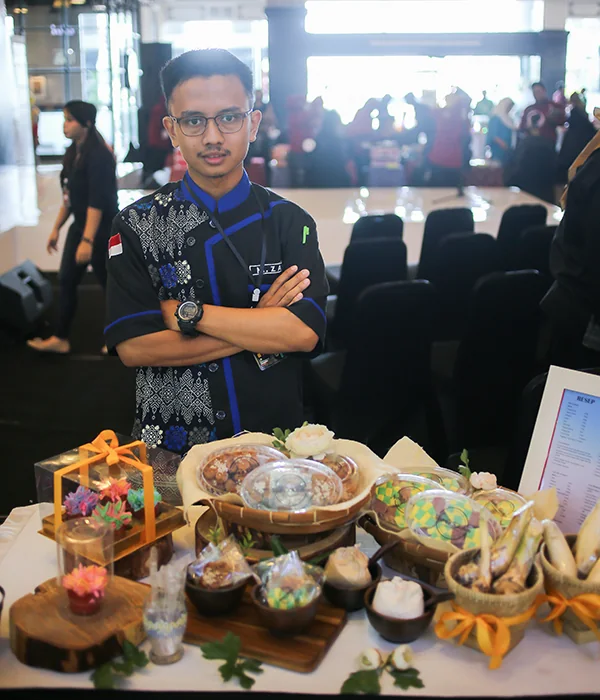
Seni Kuliner combines culinary knowledge and practical skills with entrepreneurship and a concern for local culture. Its programme mission includes education, research producing relevant culinary products, and service responding to community needs. Scientific thinking and the development of an entrepreneurial attitude appear among the programme's stated objectives.
A report published in October 2026 gives a concrete example of practical learning through the Warisan Rasa Nusantara cooking competition organised by MyPertamina Bright Gas. AKS AKK served as an audition venue on 3 September 2026, and culinary students participated. The academy connected the event with recipe development, ingredient selection, cooking techniques, sanitation, hygiene, quality control and time management. Traditional Indonesian dishes provided the context for balancing authenticity, innovation and presentation, extending learning beyond routine practical classes.
Sources: Diploma III culinary arts ↗ · Culinary competition participation,reported16October2026 ↗
Fashion design
The Diploma III fashion-design programme links technical knowledge with professional responsibility and entrepreneurship. Its published objectives include developing a scientific approach to clothing, working independently and responding to changes in science and technology. The programme also describes partnerships with related organisations as part of its educational development.
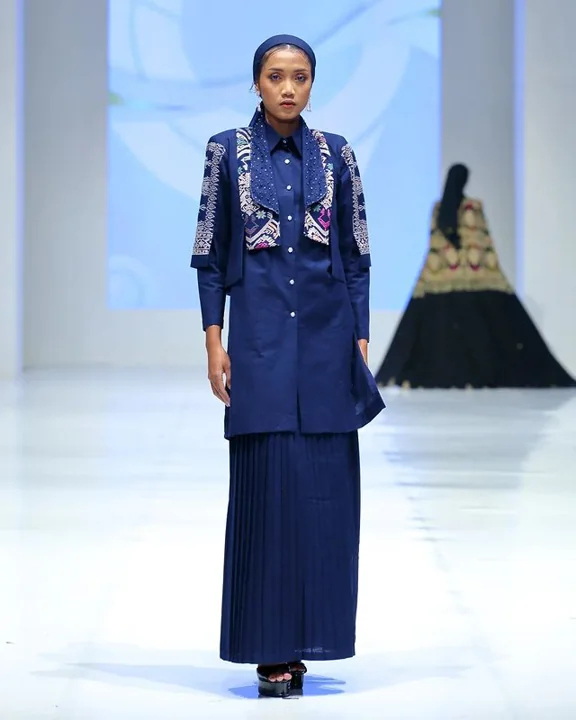
Student work is presented beyond the classroom. An October 2026 report describes participation in Jogja Fashion Week through a collection called Arsip yang Bergerak, or archives in motion. The work treated historical archives as a source of contemporary design ideas, connecting memories of the past with new clothing narratives. The academy's account highlights fashion as a medium for storytelling and cultural interpretation. This example shows how the programme's cultural emphasis can appear in the development and public presentation of creative work.
Sources: Diploma III fashion design ↗ · Student work at Jogja Fashion Week2026 ↗
Beauty styling and community activity
The Tata Rias programme addresses beauty styling through education, research and service to the community. Its published subject areas include facial makeup, hair styling and beauty care. Culture and local knowledge recur in its approach, including the development of student and lecturer research and creative work.
Community training described on the programme page covers skin and hair beauty, makeup, bridal styling and decorative gift presentation. The page identifies educational institutions, professional organisations, local-government communities and training organisations among the settings involved. Its examples include SLBN Pembina and SLBN Bantul Yogyakarta, the Tiara Kusuma professional organisation and communities such as Banguntapan and Sorosutan. These activities give the programme a community-facing role as well as its campus-based vocational teaching responsibilities.
Sources: Diploma III beauty styling ↗
Spaces for practical study
The academy lists laboratories for food preparation, sewing, embroidery, batik and beauty styling among its teaching resources. These spaces correspond closely to its three programme areas. Classrooms and a library provide additional support for study, while worship facilities, sports facilities, a canteen and a cooperative are included in the campus description.
The facilities page also identifies wireless internet access. Its library description includes books, newspapers and magazines, bringing reference and current reading material into the wider learning environment alongside the practical laboratories.
Sources: Campus facilities ↗
Using the library
Library services use an open-shelf system: readers may select materials directly from the shelves and take items to staff for circulation recording. Collections can be located through the catalogue as well as by browsing. Circulation includes borrowing, returns and renewals, with membership identification used in the process.
Reference resources described by the library include encyclopaedias, dictionaries, directories, research abstracts and student final projects. Examples range from creative cooking references to fashion dictionaries, reflecting the academy's subject areas. The library also lists serial publications, magazines and clippings concerning textiles, fashion drawing and design techniques. Some materials are intended for consultation on site, including student final projects and serial collections. A reserve collection provides another category of material for use within the library.
Sources: Library services ↗