Visa


About Akademi Kepolisian
Officer education in Semarang
Akademi Kepolisian, commonly called Akpol, is Indonesia’s police academy in Semarang, Central Java. It forms part of Lemdiklat Polri, the national police education and training organisation. The campus is on Jalan Sultan Agung in Candi Baru, Gajahmungkur. Its official description identifies a four-year, eight-semester course of officer formation, combining academic teaching, training and the guided development of cadets.
The academy’s mission links this education with research into science and technology relevant to policing and with community service. Its published vision emphasises professionalism, intellectual development, moral character and an international outlook. Institutional governance and cooperation with organisations in Indonesia and abroad also form part of that direction. These statements describe an educational setting in which professional knowledge, practical development and character formation are intended to work together throughout successive stages of cadet education.
Historical roots and the Semarang campus
The academy’s historical account traces higher police education to Sekolah Polisi Bagian Tinggi at Mertoyudan, Magelang, authorised in June 1946. The institution soon took the Akademi Polisi name and moved to Yogyakarta later that year. After the transfer of sovereignty in 1949, it moved to Jakarta and developed into Perguruan Tinggi Ilmu Kepolisian. This is part of the broader historical background recorded by Akpol.
The same account describes the inauguration of the police section of the integrated armed-forces academy complex in Semarang in 1980. Administrative changes in the mid-1980s established the Akademi Kepolisian name and its position under the national police chief. A further decision in April 1999 separated its administration from the military academies. These stages distinguish earlier police higher education from the development of the present Semarang academy. They also explain why the institution’s published history includes several different locations and organisational arrangements.
Sources: Historical profile ↗
Spaces for academic and creative activity
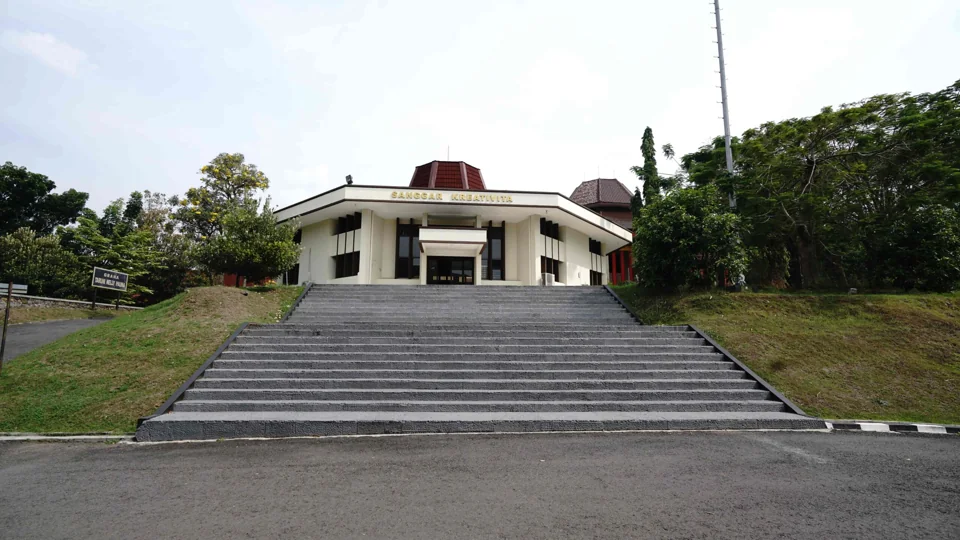
Akpol’s facilities directory identifies buildings for administration, cadet development, academic gatherings, creative activity and sport. Gedung Tri Brata Utama houses institutional leadership and administration, while Gedung Resimen supports cadet guidance. Gedung Kreativita provides space for arts, culture and other interests beyond academic study.
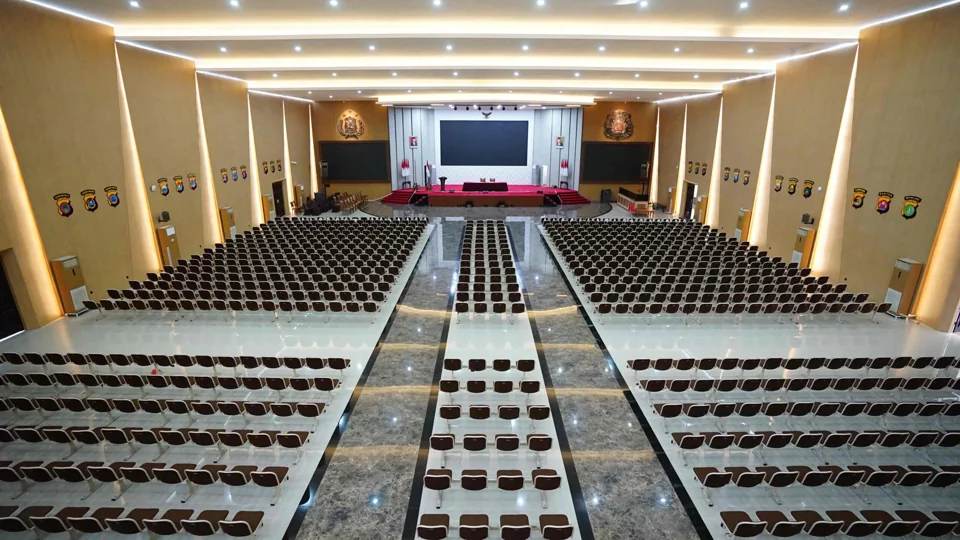
Auditorium Cendekia is used for lectures, seminars, training and official events. Stadion Taruna supports physical education, ceremonies and large gatherings. These spaces show several aspects of academy life within the same campus: organised study, physical development, shared occasions and opportunities for creative participation. The directory’s photographs provide concrete views of the buildings and venues used within this educational environment.
Sources: Campus facilities ↗
Academic quality assurance
The Lembaga Penjamin Mutu, or LPM, is the academy’s functional quality-assurance unit. Its published remit covers planning, implementation, control and evaluation of academic and nonacademic quality processes. It connects this work with teaching, research and community service, placing quality assurance across the institution’s responsibilities.
The unit describes the PPEPP cycle of setting standards, implementing them, evaluating performance, controlling processes and improving standards. Graduate learning outcomes provide an educational reference point, linked with the expectations of organisations that use graduates’ professional abilities. The LPM’s institutional account records the establishment of a continuing quality-assurance structure in November 2015 and later organisational decisions in 2026. Its published structure includes leadership, administrative support and personnel with quality-assurance responsibilities. This gives an organisational basis to the review and development of education, rather than presenting quality as an abstract aspiration alone.
Sources: Quality assurance unit ↗
Symbols of educational and public service values
The academy’s explanation of its emblem connects institutional identity with public service and education. The black shield represents protection of society, while three white stars refer to Tribrata. An open book signifies the institution’s educational purpose. Other elements connect the design with Pancasila and with knowledge.
The accompanying account gives particular attention to the qualities expressed through dharma, wisdom and the knightly ideal. These involve service and sacrifice, fair decisions and the ability to carry out responsibilities with courage and competence. The emblem’s base also refers to an educational principle in which leadership provides an example, encourages initiative and supports development. Read as an institutional statement, this symbolism complements the academy’s mission: professional formation involves judgement, responsibility and relationships with others as well as knowledge and practical skills. Its identity therefore expresses both an educational purpose and expectations of public service.
A white Wijaya Kusuma flower with five petals represents Pancasila and knowledge, while green elements refer to the academy’s ideal of thoughtful officers.
Sources: Institutional emblem and values ↗
An example of shared basic education
A September 2026 academy report describes joint basic education for military- and police-academy candidates at Resimen Chandradimuka in Magelang. Its account focuses on obstacle activities used in the early formation programme. Candidates practised coordination, balance and following instructions as they worked through the organised exercises.
The report presents these activities as part of developing discipline, confidence, concentration and responsibility. Teamwork and concern for fellow participants appear alongside individual effort. It also explains that candidates from the military academies and Akpol undertake this shared preparatory stage before continuing education at their respective institutions. This dated example adds detail to Akpol’s general description of learning through teaching, training and cadet development. It shows one setting in which the academy’s emphasis on character and cooperation is expressed through a structured educational activity.