Visa
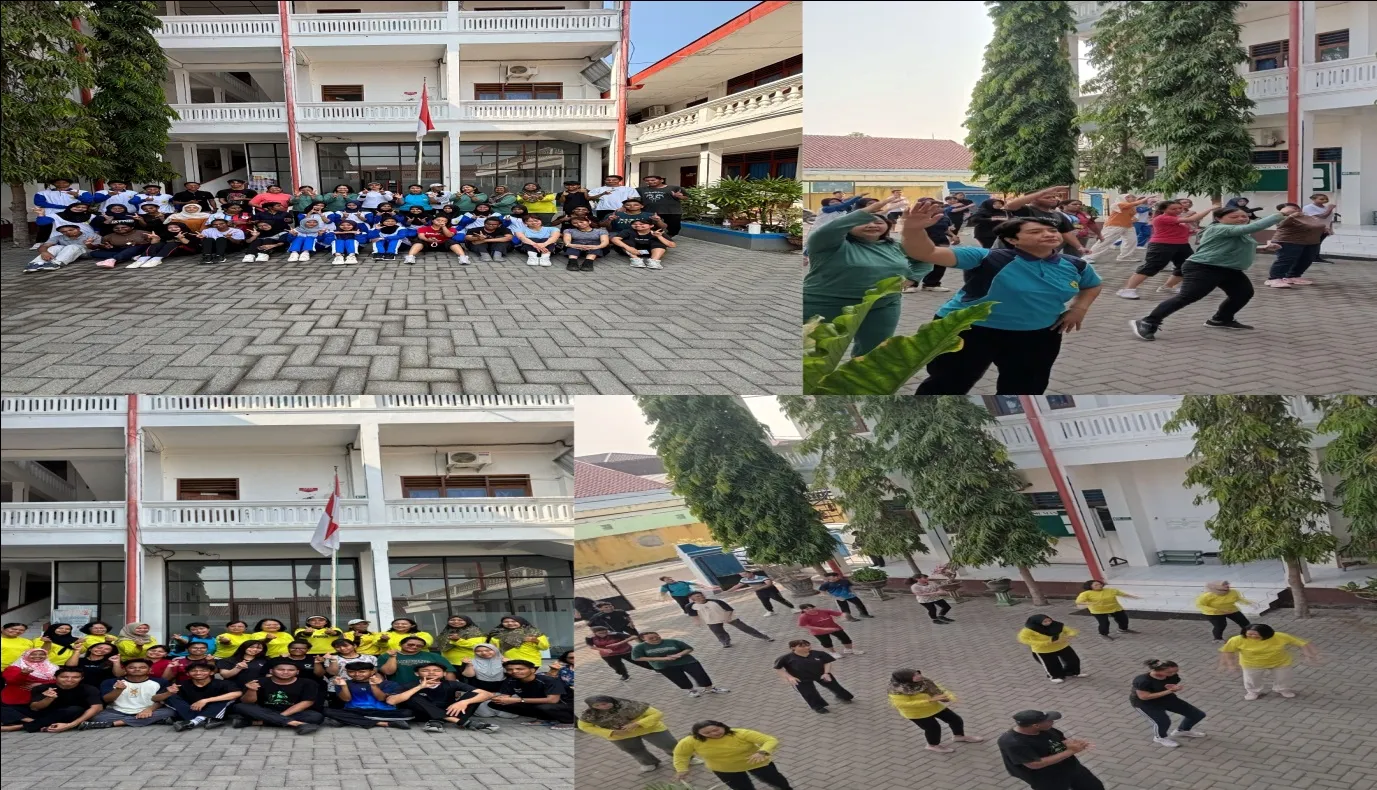

About Akademi Keperawatan Giri Satria Husada
A nursing academy in Wonogiri
Akademi Keperawatan Giri Satria Husada, commonly known as AKPER GSH, is a nursing higher education institution in Wonogiri, Central Java, Indonesia. Its campus is on Jalan Tentara Pelajar No. 1 in Giriwono. The academy's history dates its establishment to 1995 and identifies Yayasan Giri Satria Husada as its founding organisation. The foundation was constituted in February 1995, followed by temporary permission from the Ministry of Health to operate the academy in April of that year. The historical account records a further operating permission in 2005 and a transfer of educational supervision from the Ministry of Health to the Ministry of National Education in February 2007. These stages describe its institutional development while it retained its nursing-academy identity and Wonogiri location.
Sources: Academy history ↗
Diploma nursing and institutional values
The academy's mission identifies Diploma III Nursing as its educational provision and refers to a curriculum based on Indonesia's national qualifications framework, KKNI. Its published vision for 2030 emphasises vocational nursing and basic nursing expertise, particularly pain and wound management. Research, community service and the development of a supportive academic environment form other parts of the mission. The academy also presents the values grouped under GSH BISA: intellectual creativity, supportiveness, humanity, faith, innovation, solidarity and adaptability. Their explanations connect critical thinking with empathy, academic integrity, teamwork and responsiveness to technological and social change. Together these statements describe the institution's intended combination of technical learning, professional conduct and personal development within vocational nursing education.
Sources: Mission and values ↗
Research and community engagement
The Lembaga Penelitian dan Pengabdian kepada Masyarakat, or LPPM, is the academy's research and community-service unit. It is presented as a structure supporting lecturers and students in developing nursing knowledge and applying it in communities. Its stated research direction follows the academy's emphasis on basic nursing, pain management and wound management. The unit's mission includes encouraging evidence-based research, continuing community engagement and cooperation with government bodies, health-service facilities and other research institutions. Training, seminars and scientific publication are also identified as ways to develop academic capacity. Its objectives include dissemination of findings and an effective, accountable management system for research and service. This gives the academy an organised framework for scholarly work alongside its diploma teaching. Its public page also provides a document link for research and community-service guidance and roadmaps, connecting its stated objectives with resources for planning academic projects.
Orientation to academic life
An October 2026 report describes the academy's introduction to campus life for new students in the 2026/2027 academic year. The programme ran from 5 to 7 October. Its sessions introduced the institutional profile, vision and mission, education and learning systems, student rules, academic services and campus facilities. Other elements addressed communication, teamwork, discipline, ethics and character. The report links these topics with nursing values such as care, empathy, responsibility and integrity. Students also had opportunities to meet academy leaders, lecturers and other staff. The event therefore combined practical information about studying at the academy with an introduction to professional expectations and relationships within the campus community, before students proceeded further into their nursing education.
Sources: New-student orientation2026 ↗
Getting to know the campus
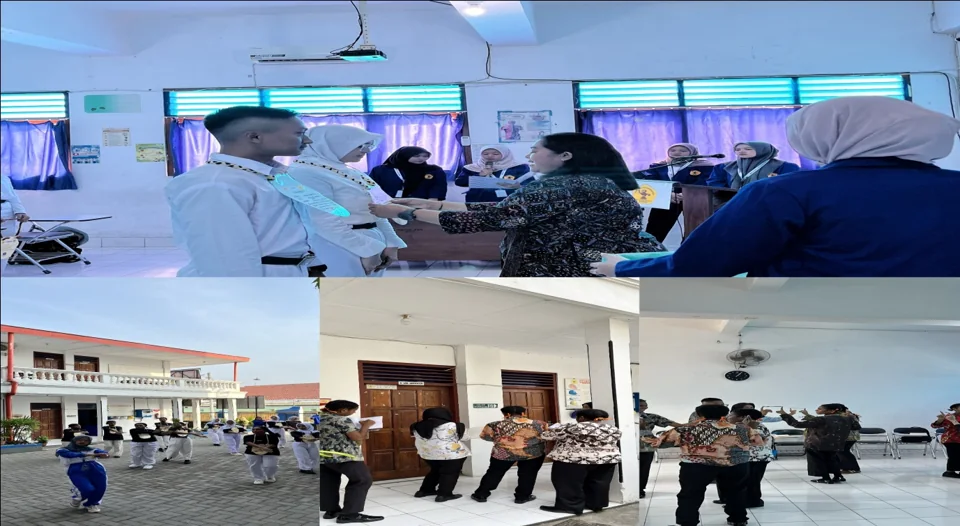
The academy separately reported a campus tour held on 11 September 2026 for incoming students. The activity began with welcomes from the first and third assistant directors before students were taken around the campus. The institution described this as an introduction to its educational environment, facilities and resources for student activities. The tour was also intended to help newcomers establish communication with institutional leaders and develop familiarity with the setting in which they would study. This report provides a concrete example of how the academy introduces students to its physical and organisational environment. It complements the later orientation programme's emphasis on academic systems, rules, professional attitudes and participation in campus life.
Sources: Campus tourSeptember2026 ↗
An introduction to hospital learning
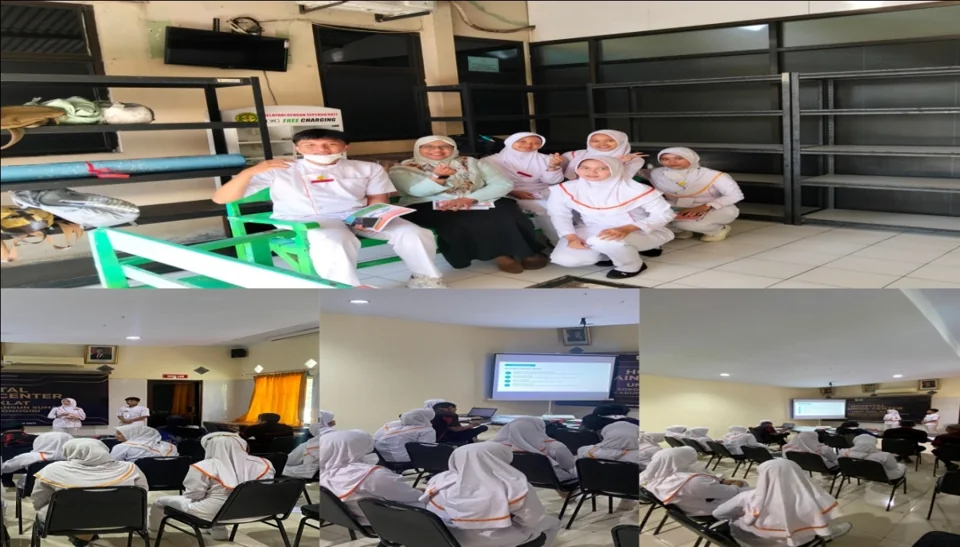
Before basic nursing clinical practice, students participated in an Early Exposure activity at RSUD dr. Soediran Mangun Sumarso Wonogiri on 6 August 2026. The academy's account describes a one-day introduction to hospital services, working culture, patient-service flows and the responsibilities of students in clinical settings. Clinical supervisors and health personnel introduced outpatient, inpatient, emergency and supporting service units. The sessions also addressed communication, infection prevention, workplace safety, patient safety and cooperation among professions. These were orientation subjects for students preparing to enter practice environments. The reported activity connects classroom learning with observation of an actual service institution, giving students an initial understanding of the organisation and expectations of hospital-based learning.
Sources: Hospital exposureAugust2026 ↗
Creative activities beyond the classroom
Student life also includes dance, choir and music activities. An October 2026 academy report describes these as opportunities to develop interests, creativity and nonacademic abilities alongside nursing study. Dance activities involve group practice and engagement with cultural performance, while choir work includes vocal development, harmonisation and coordination. Music provides another setting for students to practise and present their work. The academy reports that these groups contribute to formal campus occasions, including graduation and oath ceremonies, student pledge events, new-student welcomes and commemorations. Such participation brings student creative work into shared institutional life. It also provides occasions for collaboration, responsibility and managing commitments across academic and extracurricular activities.
Sources: Student extracurricular activities ↗