Visa
About Akademi Kebidanan Tahirah Al Baeti Bulukumba
A midwifery academy in Bulukumba
Akademi Kebidanan Tahirah Al Baeti Bulukumba, known as AKTABE, is a private vocational higher education institution in South Sulawesi, Indonesia. Its official institutional profile dates its establishment to 2008 and identifies its programme as Diploma Tiga Kebidanan, or D3 Midwifery. The campus is on Jalan Abdul Aziz in Kasuara, Jalanjang, Gantarang, within Bulukumba Regency.
The academy gives particular attention to community midwifery and home care. Its account of education combines subject knowledge, practical skills, communication and professional ethics with laboratory, clinical and community learning. The profile also identifies digital technology as a means of supporting education, communication and documentation within this field. Professional character is another stated priority, including discipline, responsibility, cooperation and integrity. This educational focus connects preparation for midwifery practice with an understanding of women, infants, families and their wider communities.
Sources: Institutional profile ↗
Educational direction and cooperation
The programme’s published vision centres on competent and ethical diploma graduates, with a particular strength in community midwifery through home care. Its mission combines education with research and community engagement, connecting scientific and technological development with the needs of society.
The academy also identifies the development of teaching and support staff, cooperation with public and private organisations, and internal quality assurance as institutional priorities. Its stated partnerships extend in principle to organisations within Indonesia and abroad. These are published educational objectives that guide the programme’s direction. They place the development of people, the organisation of teaching and cooperation with other institutions alongside professional subject learning.
Sources: Educational mission ↗
Practice in the midwifery laboratory
The academy describes its laboratory as a setting in which students develop practical abilities before entering clinical placements. Demonstrations, skills exercises and simulations complement theoretical learning. The published activities include basic midwifery skills, simulations involving maternal and infant care, communication exercises and the use of teaching equipment.
Practical sessions follow the curriculum, semester learning plans and the programme’s timetable. Skills are evaluated through practice and assessment associated with individual courses. The laboratory’s published rules require students to follow lecturers’ or instructors’ directions, maintain equipment and keep the space orderly. Hygiene, infection prevention and safety are included in its educational purpose. This account gives laboratory study a preparatory role, bringing technical exercises together with the professional conduct and communication expected during supervised clinical learning.
Sources: Laboratory teaching ↗
Internal quality assurance
AKTABE’s Unit Penjaminan Mutu, or UPM, supports its internal quality assurance system. The unit’s published responsibilities include monitoring academic and nonacademic activities, supporting internal audits, preparing recommendations and following up evaluation findings.
The academy describes its approach through the PPEPP cycle: setting standards, implementing them, evaluating performance, controlling discrepancies and improving standards and activities. Each stage has an identifiable organisational purpose. Monitoring and evaluation provide information for follow-up, while improvement concerns the continued development of educational quality. The unit’s stated remit covers education, academic services, governance and student support. This places quality assurance within the academy’s routine institutional organisation and links review with action on the findings, rather than presenting evaluation as a single isolated event.
Sources: Internal quality assurance ↗
Research and community engagement
The Unit Penelitian dan Pengabdian kepada Masyarakat, abbreviated UP2M, supports research and community service by lecturers and students. Its published subject areas include midwifery, maternal and child health, reproductive health and community midwifery, with attention to questions relevant to society.
The unit also supports health education, outreach and community empowerment. Dissemination forms another part of its role: scientific publications, seminars and other academic media provide ways to communicate research and community-service work. The academy identifies cooperation with educational institutions, healthcare facilities, government and community partners as a means of supporting these activities. UP2M’s account therefore connects the production of knowledge with its discussion and educational use beyond campus. It presents research and service as organised parts of higher education alongside the teaching programme.
Sources: Research and community service ↗
Academic administration and student support
The academic and student-affairs service supports both the administration of study and student participation. Its academic responsibilities include information about calendars, timetables, courses, examinations and assessment. Registration records, study results and academic documents are also part of the published service.
The same unit supports the administration of laboratory and clinical practice. On the student-affairs side, it provides information about organisations, interests and talents, seminars, training and social activities. It also communicates information about scholarships and educational assistance when programmes are available. Students can seek administrative help and raise difficulties through the academy’s procedures. These responsibilities connect everyday records and scheduling with wider opportunities for student development, providing an organisational framework around classroom learning, practical study and participation in the campus community.
Sources: Academic and student services ↗
A documented programme review
An official report published on 25 October 2026 describes a field assessment of the D3 Midwifery programme conducted from 21 to 24 October. The assessors represented LAM-PTKes, Indonesia’s independent accreditation organisation for health higher education. The reported activities included campus review and visits to Puskesmas Ponre and RSUD H. A. Sulthan Dg. Radja Bulukumba.
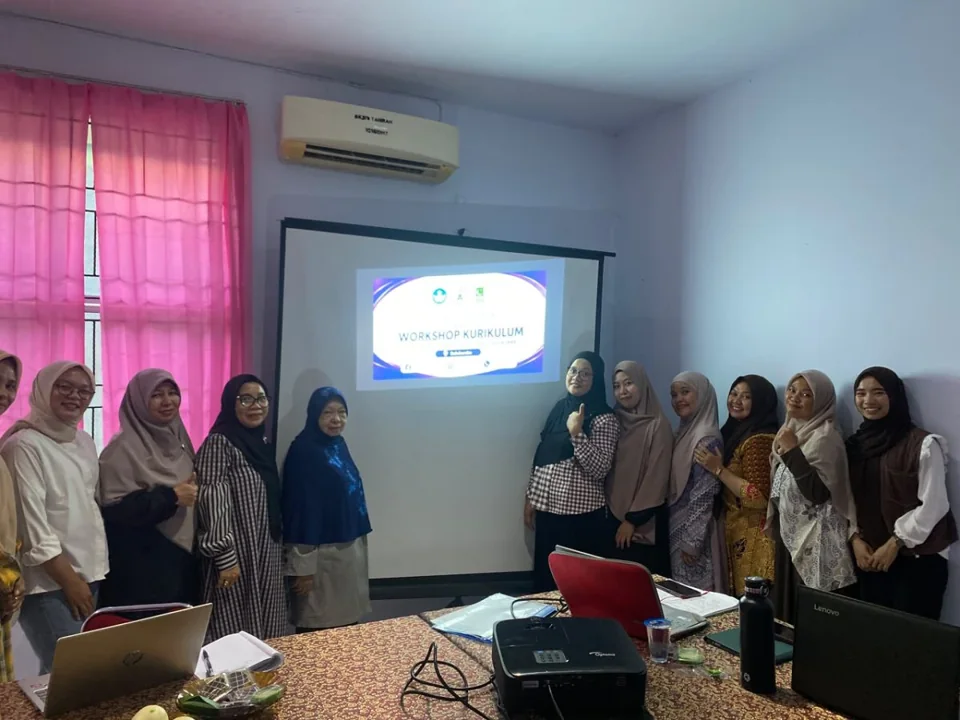
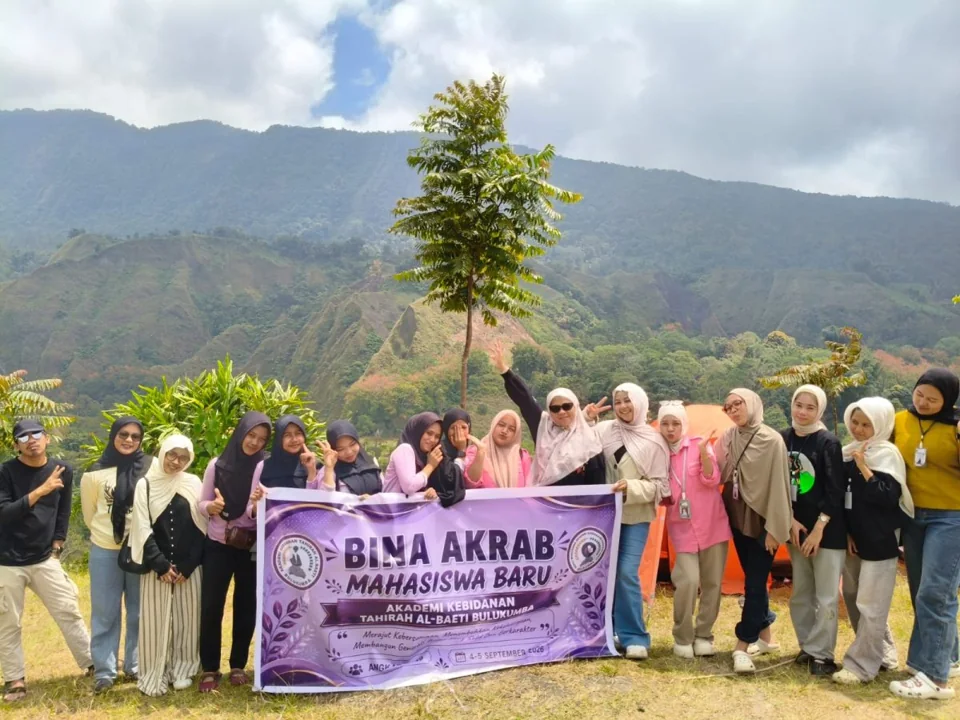
The report connects these visits with examining the relationship between campus learning and experience in healthcare facilities. It describes community health centres and hospitals as complementary learning settings, with guidance by authorised staff. The academy presented the assessment as a source of feedback for programme development. Separate official activity pages also document a curriculum workshop for staff in August 2026 and a new-student familiarisation activity in September, adding examples of academic development and student community life.
Sources: Field assessment, October2026 ↗ · New-student activity, September2026 ↗ · Curriculum workshop, August2026 ↗