Visa

About Akademi Farmasi Mitra Sehat Mandiri Sidoarjo
A pharmacy academy in Sidoarjo
Akademi Farmasi Mitra Sehat Mandiri Sidoarjo, commonly presented as AKFAR MITSEDA, is a private higher education academy in Sidoarjo Regency, East Java, Indonesia. The government education registry identifies it under institution number 074117 and lists its address as Jalan Ki Hajar Dewantara No. 200, Krian, Sidoarjo. The academy's own institutional account describes Diploma III pharmacy education organised by Yayasan Mitra Sehat Mandiri Sidoarjo. It emphasises learning that responds to changes in science, technology and the needs of society. Its public presentation combines classroom education with laboratories, student activities and exposure to pharmaceutical workplaces. The institution continues to use its pharmacy-academy name on its official website and published academic material.
Sources: Institutional history ↗ · Government institutional registry ↗
Educational aims and pharmacy provision
The institution's published mission brings education, research and community service together around pharmacy. Its educational objectives include a professional, communicative and supportive learning environment, while its research and community-service objectives connect academic work with public needs. The D3 Pharmacy programme's separately displayed vision emphasises competence in pharmaceutical services and natural materials. Its accompanying mission gives these subjects a place in teaching, research and community engagement. These are the academy's stated educational aims, rather than descriptions of a particular product or treatment. They also help explain why its public academic activities range from pharmacy simulation and industrial visits to student projects involving materials available in the local environment.
Sources: Institutional and D3 mission ↗
Simulation and laboratory learning
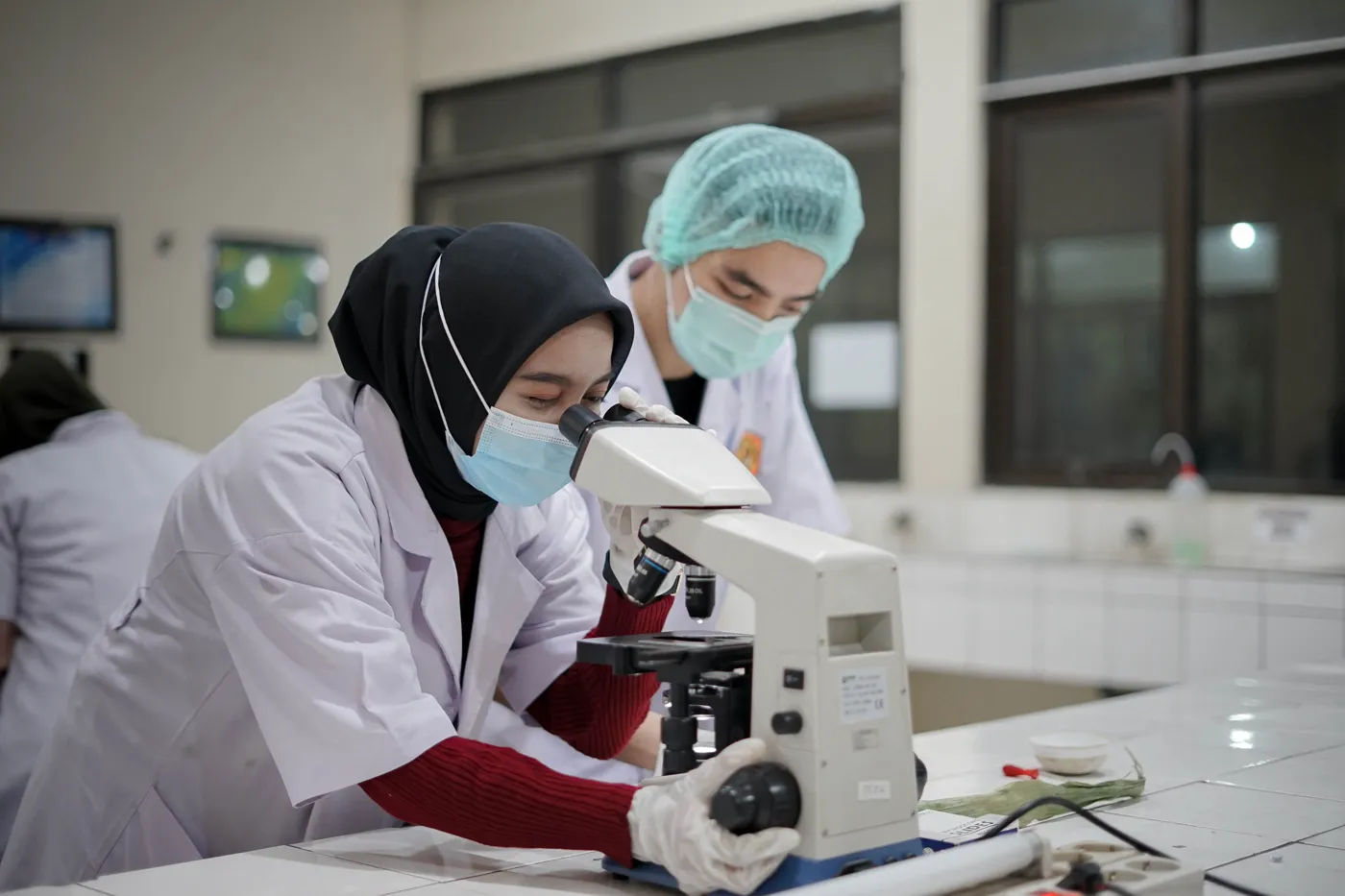
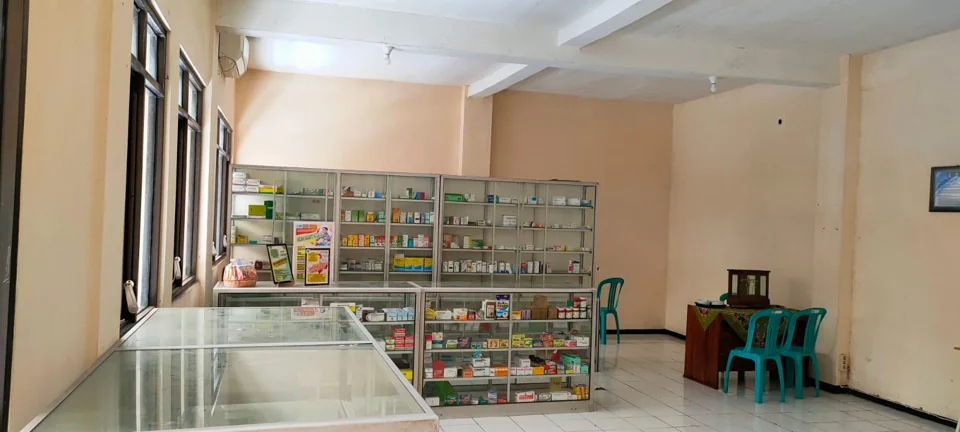
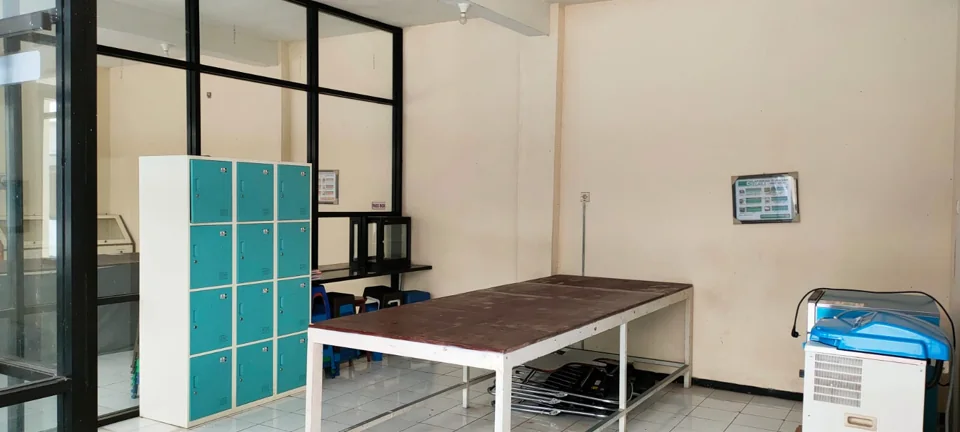
The pharmacy simulation laboratory is designed to resemble an actual pharmacy. Its official description links the room with the pharmaceutics laboratory and identifies communication with customers and provision of information as areas for simulated practice. It is presented as preparation for students' field placements. A separate sterile simulation laboratory provides a setting resembling sterile rooms in pharmaceutical industry, with practical teaching concerning sterile preparations and equipment sterilisation. Other named facilities in the laboratory directory include pharmaceutics, instrumentation and pharmaceutical biology. Pharmaceutics practical work covers basic pharmaceutics and liquid and semisolid dosage-form technology. Instrumentation is associated with sample testing, while pharmaceutical biology addresses plant anatomy and morphology. Together these facilities give a concrete view of the practical subjects taught alongside classroom study.
Sources: Pharmacy simulation laboratory ↗ · Sterile simulation laboratory ↗ · Laboratory directory ↗
Beginning student life
The academy reported a six-day introduction to campus life for new students in September 2025. The programme ran from 15 to 20 September and began with an opening ceremony involving academy leadership, lecturers and staff. Its activities introduced study programmes and included workshops addressing sexual violence, harassment and bullying, as well as leadership and teamwork. A campus tour introduced classrooms, laboratories and the library. The closing inauguration evening included student performances in dance, music and poetry, providing opportunities to contribute beyond formal academic subjects. This account presents orientation as both an introduction to educational resources and a way of developing relationships within the student community, with academic information, personal development and creative activities brought into one programme.
Sources: New-student orientation2025 ↗
Learning about pharmaceutical workplaces
An official report published in February 2024 describes an industrial visit undertaken by third-semester students in January of that year. The destinations were PT Phapros and PT Victoria Care Indonesia, associated with Oemah Herborist, in Semarang. At Phapros, the report describes observation of pharmaceutical production and quality-control arrangements, alongside interaction with industry professionals. The Oemah Herborist visit addressed herbal-product formulation, processing and marketing. The academy presented the visits as opportunities to connect concepts studied in class with industrial equipment, production settings and professional discussion. They also exposed students to different parts of the sector: pharmaceutical manufacturing on one hand and plant-based consumer products on the other. This is a documented example of learning outside the academy's own laboratories.
Sources: Industrial visit2024 ↗
Student projects and innovation
Student activity also includes collaborative projects and competitions. In an April 2024 report, the academy described a four-member student team entering the Invention and Innovation Fair National with a lotion-formulation project involving rambutan peel. The account identified the Indonesian Young Scientist Association and an actuarial department at ITS as organisers and collaborators in the competition. The students' proposed use of fruit-processing waste connected formulation work with an interest in local materials and waste reduction. The project is an example of the themes students have explored through collaborative academic activity. Its significance here is educational: students took a materials-based idea into a public innovation forum and explained the motivation behind their choice of subject.
Sources: Student innovation project2024 ↗
Academic and student administration
The academy's BAAK unit publishes responsibilities covering academic administration, student affairs, and institutional data and information. Its academic functions include preparing calendars, coordinating registration-related administration, maintaining educational records and supporting academic events such as seminars and graduation activities. Student-affairs responsibilities include communicating information, supporting student organisations and processing recommendations for activities outside campus. The data function encompasses student registration, learning-progress information and records of academic and community-service activities. These published responsibilities show how the institution organises support around its teaching and student programmes. The unit's remit connects routine records and scheduling with the wider administration of student participation, interests and welfare, providing an organisational counterpart to the academy's laboratories and reported educational activities. The same responsibilities include preparing recommendations for student scholarships and participation in training, sporting, artistic and religious activities.