Visa

About Akademi Analis Farmasi dan Makanan Sunan Giri Ponorogo
Origins in Ponorogo
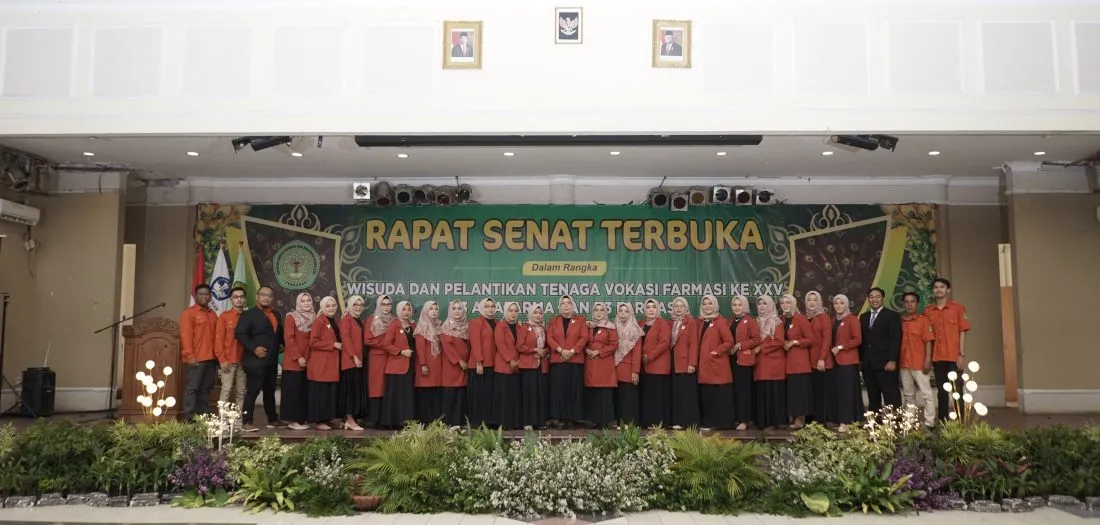
Akademi Analis Farmasi dan Makanan Sunan Giri Ponorogo, often called AKAFARMA Sunan Giri, is a specialist higher education academy in Ponorogo, East Java, Indonesia. Its development grew from discussions within the Batoro Katong higher education foundation about expanding educational provision. The institutional history records a proposal discussed in September 1994 and preparations involving local health officials, pharmacists and educators.
Authorisation from the Ministry of Health followed in June 1995. The first intake was deferred until the 1996/1997 academic year, with teaching beginning on 2 September 1996. The history identifies a first cohort of thirty students. In September 2007, oversight transferred from the health ministry to the national education ministry. Preparations included visits to pharmacy analysis academies in Kediri and Solo, as well as consultation with pharmacists working in Ponorogo and Madiun. The academy describes its foundation connection with Yayasan Perguruan Tinggi Nahdlatul Ulama Batoro Katong Ponorogo, placing the institution within a local educational and community tradition.
Sources: Institutional history ↗
Two diploma study areas
The academy presents two Diploma III programmes: Analisis Farmasi dan Makanan, generally shortened to Anafarma, and Farmasi. The first has its origins in the academy's 1995 authorisation. Its programme description focuses on analysis and the production of pharmaceutical and food products. The pharmacy diploma was established later, with the official programme history dating its permission to 15 April 2019.
Their mission statements distinguish their educational emphases. Anafarma addresses analytical work and pharmaceutical and food production, supported by laboratory learning, research, community service and fieldwork partnerships. Farmasi emphasises management and administration within pharmaceutical services. Both programmes identify the development of teaching staff, appropriate laboratories and cooperation with external partners as parts of their educational work. These descriptions connect subject knowledge with practical learning and the organisation of professional activity.
Sources: D3 Anafarma history ↗ · D3 Pharmacy history ↗ · Anafarma mission ↗ · Pharmacy mission ↗
The organisation of learning
The academy's published academic framework describes lectures, seminars, discussion, laboratory practical work, field placements, research and scientific writing. The framework groups learning into personal development, scientific knowledge and skills, professional practice, professional attitudes and participation in society. Teaching is organised through an academic calendar, with lecturers preparing syllabuses, learning objectives, teaching activities and assessment arrangements. The framework uses semester credits to describe study load and learning activities.
Assessment includes assignments, mid-semester and final examinations, practical reports and practical examinations. Fieldwork is described as an integral part of learning, allowing students to apply knowledge while gathering, processing, analysing and interpreting information. Preparation includes the selection of suitable placement settings, cooperation agreements and guidance before the placement begins.
The same framework provides for a final scientific written project with academic supervision. Academic advisers monitor progress and meet students periodically, including around the beginning and end of a semester. The published outline therefore connects classroom and laboratory teaching with supervised practical experience, writing and continuing academic guidance.
Sources: Academic framework ↗
Institutional aims and learning facilities
The academy's stated objectives extend from teaching to research, community information and innovation concerning pharmaceuticals, cosmetics, food and beverages. It also identifies cooperation with external stakeholders as a way to develop research and student placements. Its mission includes developing staff and facilities, alongside accountable and transparent institutional administration.
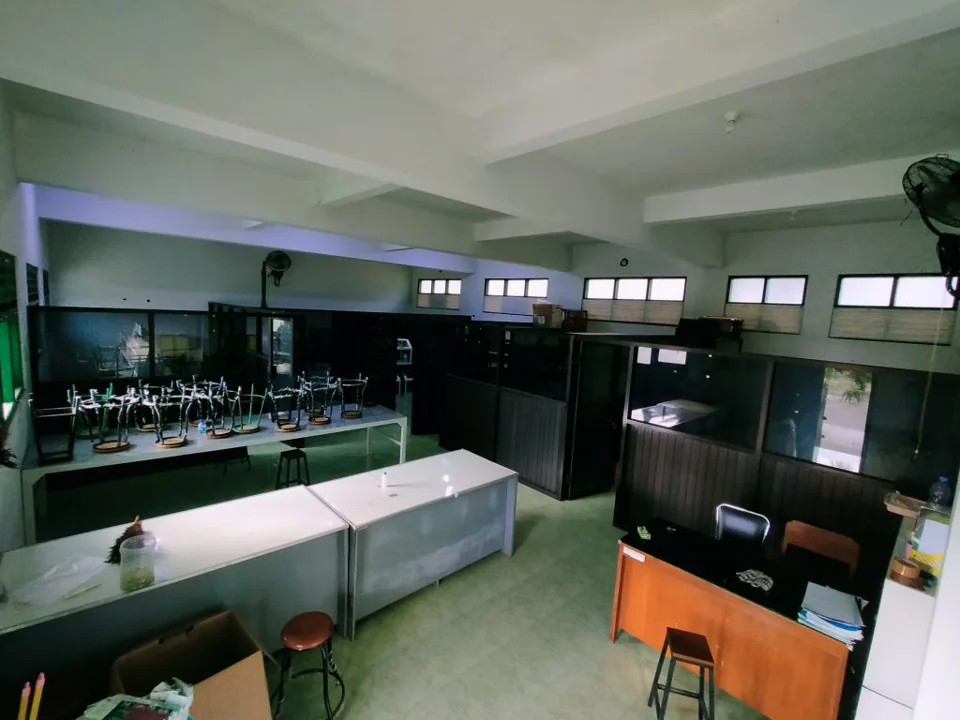
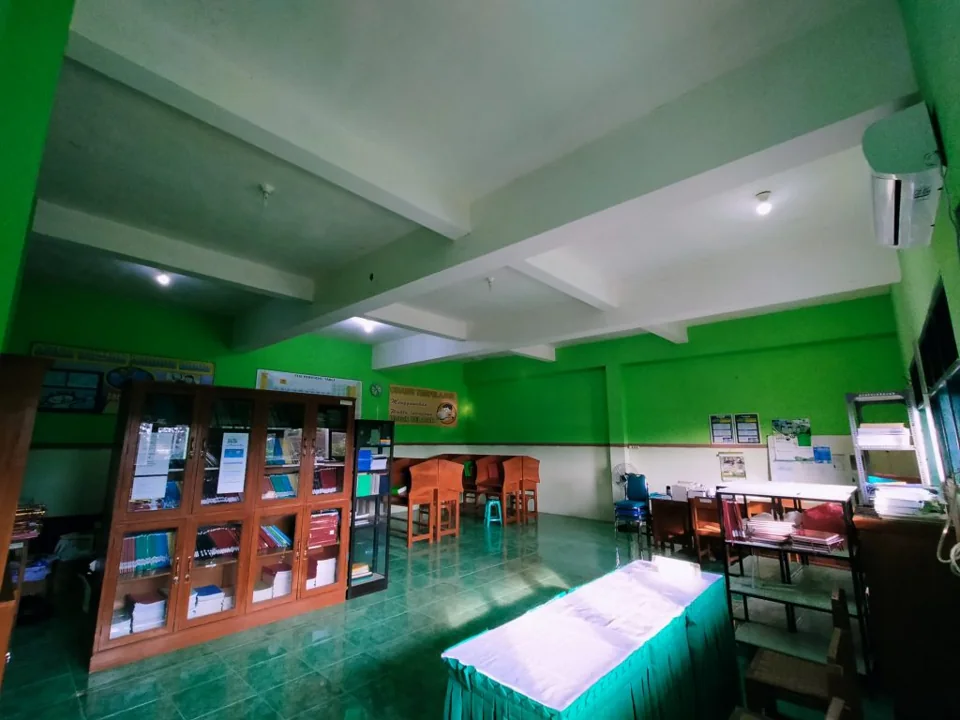
Official facility posts dated June 2022 provide a visual record of the learning environment. The laboratory gallery identifies rooms for pharmaceutics, pharmacognosy, instrumentation and pharmacology. Photographs show laboratory benches, apparatus and working areas. A separate library post places the reading facility on the second floor of a newer building and describes air conditioning and wireless connectivity. These published facilities support the academy's presentation of an education combining practical rooms with access to reading and study space.
Sources: Institutional mission and objectives ↗ · Laboratory gallery,22June2022 ↗ · Library,22June2022 ↗
Conservation and community knowledge
Student activity also includes MAPALA Abimanyu, the academy's nature-oriented student organisation. An official report dated 1 October 2025 describes its work in Pudak Wetan village in Ponorogo Regency. The activity combined exploration and conversations with village elders and residents to document local knowledge concerning eight plant species traditionally used by the community.
The students' conservation work included a small botanical garden, plant propagation and activities with local youth. The report describes documenting community accounts and replanting as ways to preserve knowledge held by older residents. It also records plans for further collaboration with campus laboratories. As an educational and conservation activity, the project connected students with biodiversity, community interviews and the preservation of local cultural knowledge through work beyond the classroom.
Student organisation and community identity
The academy's Nahdlatul Ulama student organisations provide another setting for participation outside formal teaching. Its report of 9 January 2026 records the installation of a new IPNU–IPPNU campus committee for the 2026/2027 period. The event took place in the third-floor campus hall and involved representatives from the Ponorogo branch and Babadan subdistrict organisations.
The report describes the ceremony as a moment of leadership renewal and a connection between the campus organisation and the wider local student network. The new committee discussed programmes relevant to its members, including community-oriented education and digital literacy. The combination of a formal committee, links with local organisations and planned student activities illustrates how the academy's community identity is expressed through organised student participation.
Sources: IPNU–IPPNU committee,9January2026 ↗