Visa
About Agricultural University Plovdiv
Agricultural higher education in Plovdiv
This directory record identifies the same institution also listed as Agricultural University of Plovdiv. The Agricultural University of Plovdiv is a Bulgarian higher education institution based at 12 Mendeleev Boulevard in Plovdiv. Its specialist identity centres on agriculture and the life sciences, with education at bachelor’s, master’s and doctoral levels and opportunities for continuing professional learning. The university combines scientific study with practical facilities related to crop production, animals, horticulture, viticulture and environmental management.
The Faculty of Agronomy traces its foundation to 1945 and describes that beginning as the foundation of the university. The university library likewise dates its establishment to 1945. These institutional histories connect the present university with agricultural teaching developed in Plovdiv during the mid-twentieth century. The university’s broader historical introduction places this work within Bulgaria’s long agricultural traditions and the changing demands of food production, environmental protection and the management of crop diseases and pests.
Sources: Institutional history ↗ · Faculty of Agronomy ↗ · Library history ↗
Agronomy and the scientific basis of production
The Faculty of Agronomy combines theoretical and practical training in subjects relevant to agricultural production. Its departments include crop science; plant physiology, biochemistry and genetics; botany and agrometeorology; farming and weed science; agrochemistry and soil science; and animal sciences. This structure links the study of plants and animals with the environmental and chemical conditions affecting them.
The faculty’s programme descriptions identify agronomy, plant biotechnology and zooengineering among its teaching fields. Its master’s subjects include crop production, plant breeding and seed production, mineral nutrition and fertilisation, essential oil and medicinal crops, and management and digital technologies in crop production. Food quality and safety systems and agribusiness also appear in the published academic offering. The faculty therefore connects biological and production sciences with the organisational questions involved in managing agricultural activity.
Sources: Faculty of Agronomy ↗
Horticulture, vines and practical investigation
The Faculty of Horticulture with Viticulture was founded in 1950. Its academic work includes fruit growing and viticulture, horticulture, irrigation and land planning, agrophysics and agricultural machinery. Programme fields described by the faculty encompass viticulture and horticulture, tropical and subtropical agriculture, agricultural engineering, ornamental horticulture and landscape design.
The faculty uses laboratories, orchards, vineyards and experimental fields for teaching and investigation. Its account describes long-term work on rootstocks and cultivars of fruit trees and vines, perennial crop technologies and vegetable production. Attention to reducing pesticide use links production methods with environmental considerations. The experimental winery provides a setting for learning about wine production, connecting the cultivation of grapes with their subsequent processing. These facilities allow scientific subjects to be explored through living collections and production processes rather than classroom study alone.
Sources: Faculty of Horticulture with Viticulture ↗
Experimental fields and the winery
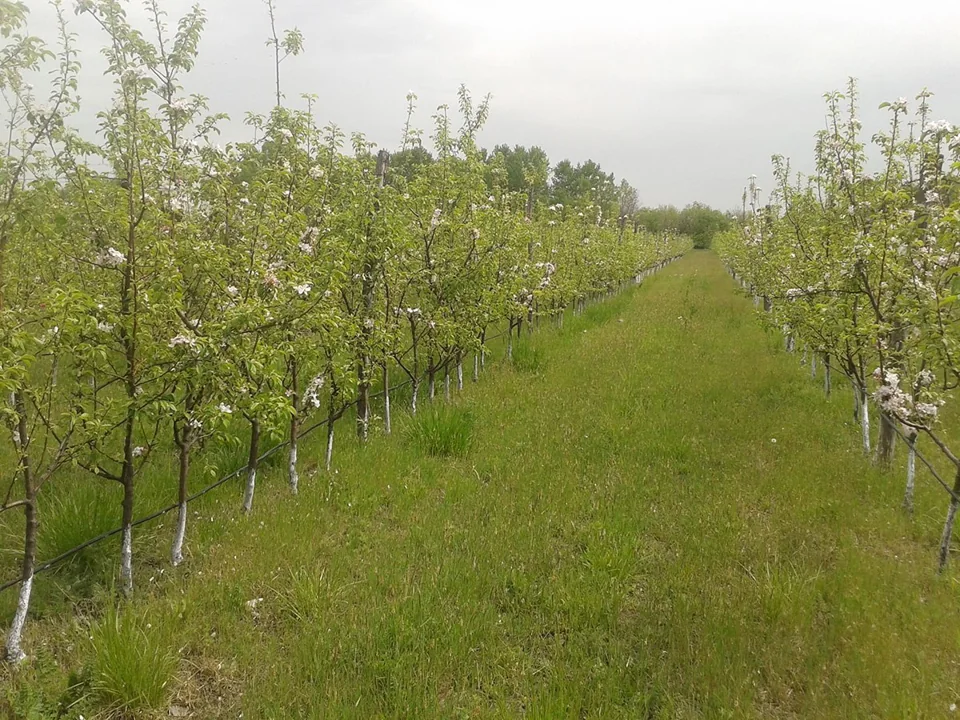
The university’s training and experimental fields are located around Plovdiv and at Brestnik. Their published description identifies fruit collections including apples, peaches, sweet cherries, pears, plums and quinces, alongside plants such as lavender, peppermint, maize, barley and sunflower. Subtropical and tropical plants and a collection vineyard add to the diversity of material used in the university’s agricultural work.
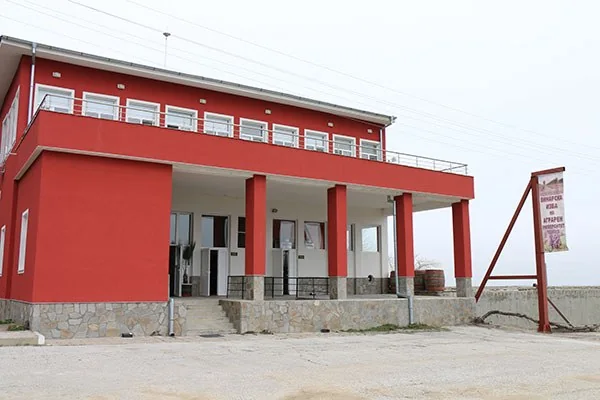
The experimental winery is located at the Brestnik site and is designed for small-scale scientific and experimental winemaking. The fields also support seed and planting material production. Animal breeding activities provide material for student training and reproduction, with the university specifically describing work involving local sheep and cattle breeds. The experimental base thus brings plant collections, processing facilities and animal-related teaching into the university’s practical infrastructure.
Sources: Training and experimental fields ↗
Agroecology and organic agriculture
The Agroecological Centre was established in 1989 to organise research and training relating to organic farming, agroecology and environmental protection. Its account describes cooperation with universities, research centres and advisory organisations through national and European projects. A demonstration centre for organic agriculture began operating in 1994 as part of the university’s experimental base.
The centre’s activities include practical demonstrations of organic farming methods and the testing of biological preparations and fertilisers. Its training audiences extend beyond university students and teachers to farmers and agronomists. It also provides specialised literature and advice concerning technical and business plans for organic production. Participation in research projects, professional networks and events such as field days connects the centre’s scientific work with the people who apply agricultural methods in practice.
Sources: Agroecological Centre ↗
Library resources and campus life
The university library supports access to agricultural and other scholarly information through traditional and electronic catalogues, lending, bibliographic assistance and access to databases. Its services include help from librarians in searching electronic resources, interlibrary lending, computer and internet access and scanning. These services support both the identification of relevant literature and its use in study and research.
The library’s history records the development of international publication exchanges from 1960 and a move into purpose-built space within the new teaching complex in 1967. It later introduced automated bibliographic and library processes. This development reflects the changing organisation of academic information over the university’s history.
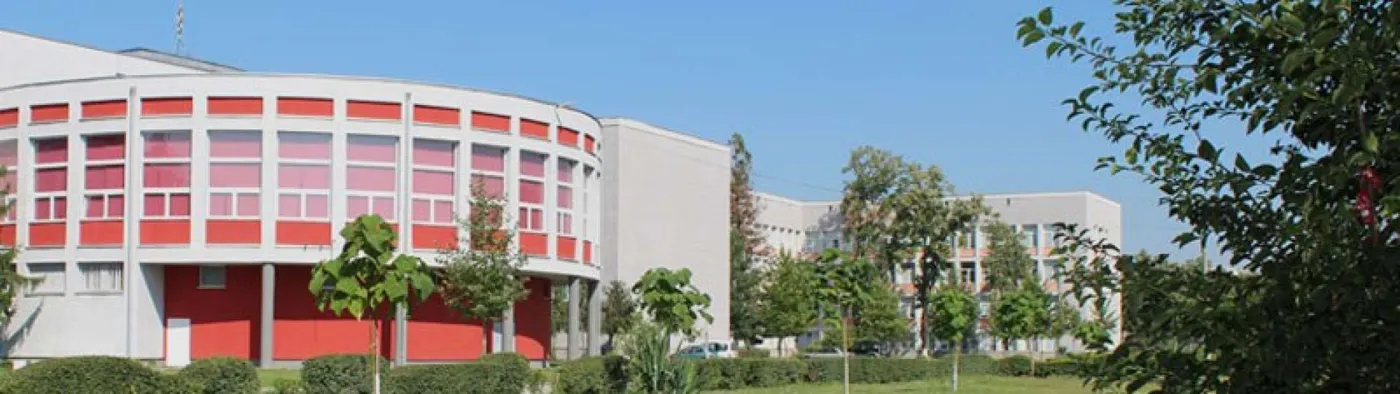
The official campus description identifies student residences near the teaching buildings, dining facilities and landscaped areas for recreation. Sports provision includes a swimming pool, indoor sports rooms and outdoor playing fields. Wireless internet and computer rooms are also described. These facilities provide a setting for study and everyday university life alongside the specialised laboratories, fields and other practical teaching spaces.
Sources: Library services ↗ · Library history ↗ · University campus ↗