Visa
About African Bible University
A Christian university in Uganda
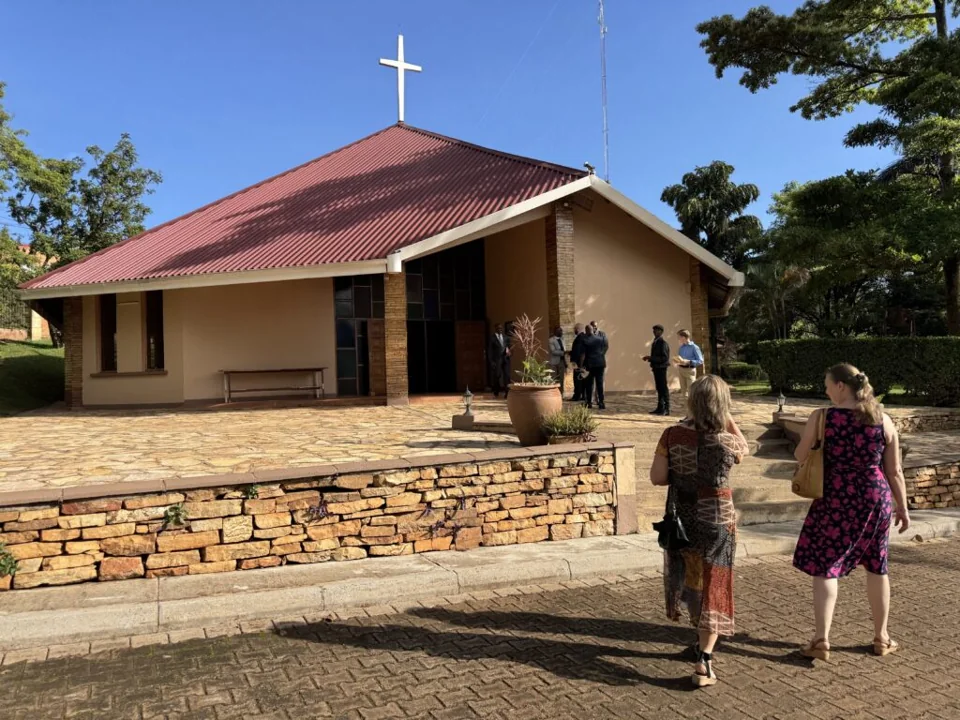
African Bible University, usually abbreviated ABU, is a Christian higher education institution in the Kampala area of Uganda. It belongs to the African Bible Colleges network, which also has institutions in Liberia and Malawi. The university’s campus is in Lubowa, outside Kampala. Its identity combines undergraduate education with Christian formation and preparation for service in churches and society.
The current official Uganda campus page lists undergraduate provision in theology, Christian education and business administration. It also describes a community in which academic study is accompanied by chapel, Bible study, student activities and outreach. The university therefore presents education as a shared intellectual and spiritual undertaking, with campus life forming part of the learning environment.
Sources: African Bible University: Uganda campus ↗ · ABU prospectus 2022, catalogue text dated 2021 ↗
Origins and regional connections
ABU developed from African Bible Colleges’ wider work in Africa. The network originated with Jack and Nell Chinchen’s involvement in pastoral training in Liberia and subsequently expanded to Malawi. Requests from Ugandan students studying at the Malawi campus helped encourage the establishment of an institution in Uganda.
The network’s history identifies 2005 as the year the Uganda institution was established. It describes repeated exploratory visits before land was secured in the hills near Kampala. This history places ABU within a regional educational project, with Uganda’s campus extending a model of Christian higher education already developed elsewhere on the continent. Its connection with the other campuses remains part of its institutional identity.
Sources: African Bible Colleges institutional history ↗
Educational purpose and values
The African Bible Colleges educational philosophy integrates academic learning, faith and practical application. It describes education in terms of the development of the whole person, bringing intellectual work together with spiritual formation and preparation for ministry and service. For ABU, this provides a framework in which professional interests and biblical study are closely connected.
The network’s stated values give particular attention to biblical foundations, discipleship, servant leadership and stewardship. Leadership is understood as a responsibility to serve others with humility and integrity. Its approach to culturally sensitive ministry stresses respect and attention to the whole person. These values help explain the university’s emphasis on community, alongside its academic provision, and its aim of preparing people to contribute to family, church and public life.
Sources: Educational philosophy ↗ · Vision, mission and values ↗
A broad approach to undergraduate study
The university’s prospectus, published under a 2022 title with catalogue text dated 2021, describes a four-year undergraduate model. Its curriculum combines a substantial biblical and theological foundation with study in other disciplines. The programmes documented there include Biblical Studies, Mass Communication, Business Administration and Arts with Education, providing a historical account of the breadth of ABU’s teaching.
The prospectus explains that general education includes English, history, ethics, mathematics, office applications and entrepreneurship. Its curriculum design emphasises both breadth and depth, encouraging students to connect ideas across subjects while developing a more concentrated area of study. This approach links the institution’s religious purpose with preparation for work in education, business, media and community service. The document presents practical training alongside classroom learning as part of that educational model.
Learning resources and admissions
The network’s online student resource portal brings together academic databases, digital collections and theological reference resources. Its links include JSTOR, the Internet Archive, the Open Access Digital Theological Library and the Dictionary of African Christian Biography. The portal directs students to their campus librarian for access to the network’s JSTOR service. Other listed resources include open-access theological publications and digital historical collections. The portal also points readers towards Theological Librarianship, Books@Atla and Third Millennium Ministries. Together these links provide routes into scholarly articles, book-length studies, biographical material and teaching resources, complementing the university’s emphasis on biblical and theological learning.
Application guidance combines academic documentation with evidence of Christian commitment. The published process asks applicants to review programme requirements, complete an application, provide supporting records and submit the required fee. Supporting documents include academic transcripts, recommendations and a personal testimony. The Uganda campus page likewise highlights these materials, reflecting the university’s attention to both previous study and the applicant’s religious formation.
Sources: Application information ↗ · Online library resources ↗
Campus community and development
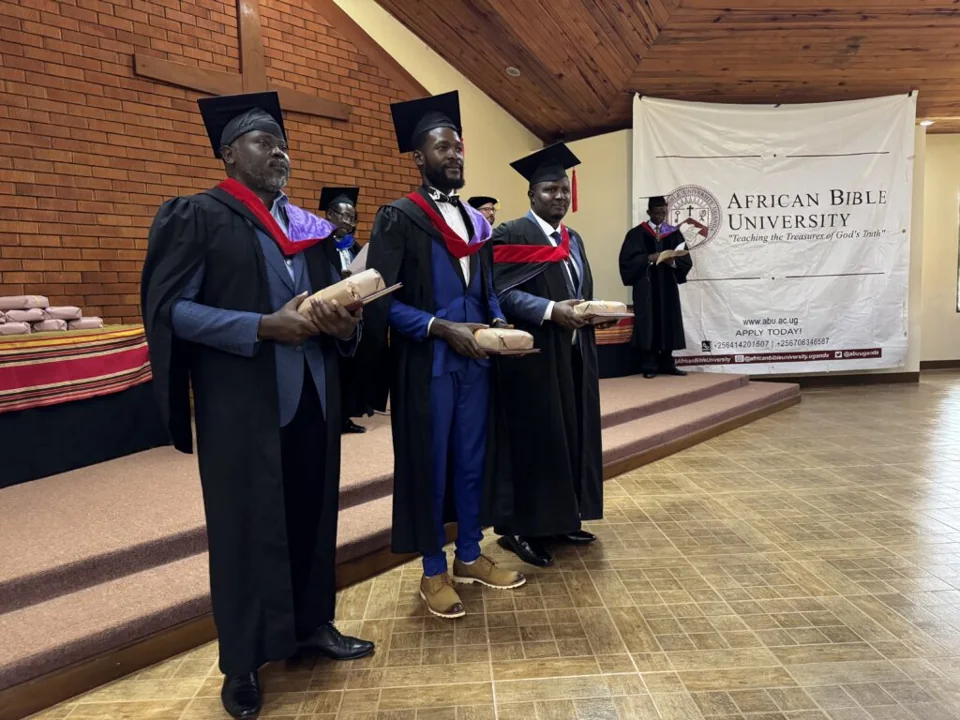
Chapel gatherings, small-group Bible studies, student clubs and outreach with local churches are described as regular features of campus life. The official leadership profile identifies Jeremiah Pitts as vice-chancellor, with responsibilities covering programmes, staff and institutional development, as well as communication with churches and schools.
The network’s 2025 Christmas newsletter reported a regenerative agriculture training programme at ABU and proposed an additional classroom to support it. The same report described plans to upgrade campus internet equipment. It also discussed an aviation ministry supporting travel by pastors and missionaries, while identifying aviation-related degree provision as a future goal. These dated initiatives show how the university’s development interests extend beyond classroom instruction into communications infrastructure, agricultural learning and practical Christian service.
The agriculture classroom proposal was described as flexible space that could also accommodate community outreach events. The internet proposal concerned servers, switches and routers intended to improve connectivity across campus buildings. These were specific fundraising priorities in the 2025 report, connecting facilities planning with the day-to-day requirements of students and teaching staff.
Sources: African Bible University: Uganda campus ↗ · 2025 Christmas newsletter ↗ · University leadership: Jeremiah and Karie Pitts ↗