Visa
About Adama Science and Technology University
Science and technology in Adama
Adama Science and Technology University, commonly known as ASTU, is based in Adama, Ethiopia. Its academic mission focuses on applied science and technology, connecting education with research and community service. The university describes its purpose as preparing competent and ethical graduates while contributing knowledge that responds to national development needs.
ASTU began in 1993 as Nazareth Technical College, initially offering degree and diploma education in technological fields. It later became the Nazareth College of Technical Teacher Education, preparing educators for technical and vocational institutions. Business education was added in 2003 within that teacher preparation role. The institution became Adama University in May 2006 and adopted the name Adama Science and Technology University in May 2011. These stages trace the development of its present specialist identity.
Sources: Institutional history ↗ · Mission and values ↗
Values and educational direction
The university's stated values include originality, innovation, academic freedom, integrity, professional ethics and responsiveness. Diversity, accountability and a sense of institutional belonging also form part of its published framework. Its 2030 vision describes an ambition to become a major African centre for applied science and technology; this is an institutional goal rather than a ranking already achieved.
The undergraduate office connects that direction with academic administration. Its responsibilities include coordinating admission and placement, monitoring teaching, reviewing curricula and supporting academic advising. The office also describes research-based teaching, educational technology and opportunities for learning beyond the campus. These functions bring the university's broad scientific mission into the organisation of courses, assessment and student support.
Sources: Mission and values ↗ · Undergraduate academic office ↗
The first-year transition
ASTU's Freshman Division is designed to help students move from secondary school into university study. Its published programme groups first-year preparation around pre-engineering and pre-applied natural science pathways before students progress into their major fields. The division combines foundational learning with support for the practical and social adjustments involved in joining a larger academic community.
Advising, tutoring, peer contact and introductions to student services all feature in its approach. The office describes a computer laboratory and study lounge where students can work together, alongside links to clubs, recreation and sporting activities. Seminars introduce fields of study and help students explore possible majors. The programme also involves senior students and the student union, making the transition a shared responsibility across different parts of the university.
Sources: Freshman division ↗
Learning resources and library spaces
The university library combines physical collections with digital resources for students, researchers and staff. Its listed branches include engineering and central library provision, applied natural science, graduate study and a library for female students. Specialised spaces cover chemical engineering, materials science, the research park and reading provision for students with disabilities.
Services include reference assistance, access to theses and dissertations, reserved materials, reading spaces and internet access. The digital library provides learning materials such as books, lecture notes and institutional publications. ASTU also describes an institutional repository for postgraduate research and other scholarly outputs. Its electronic resource list includes major academic publishers and databases used in science, engineering and other research fields. The library's own page distinguishes these services from its online public catalogue, which it describes as still under development.
Sources: Library services ↗
Orientation and academic opportunities
A university report records first-year orientation on 2 October 2026 in the Multipurpose Hall. Academic and administrative representatives explained programmes, regulations, student services, campus safety and e-learning. Student representatives introduced support and advocacy services, giving new arrivals several points of contact within the institution.
The orientation also discussed Fast Track and Double Major or Minor options and ended with a visit to the ASTU Research Park. This recent account complements the undergraduate office's published role in coordinating inter-school teaching, industrial visits and internships. Together, these sources show an approach that combines academic progression with exposure to the university's research environment and connections beyond an individual classroom.
Sources: October 2026 first-year orientation ↗ · Undergraduate academic office ↗
Research exchange and technology demonstration
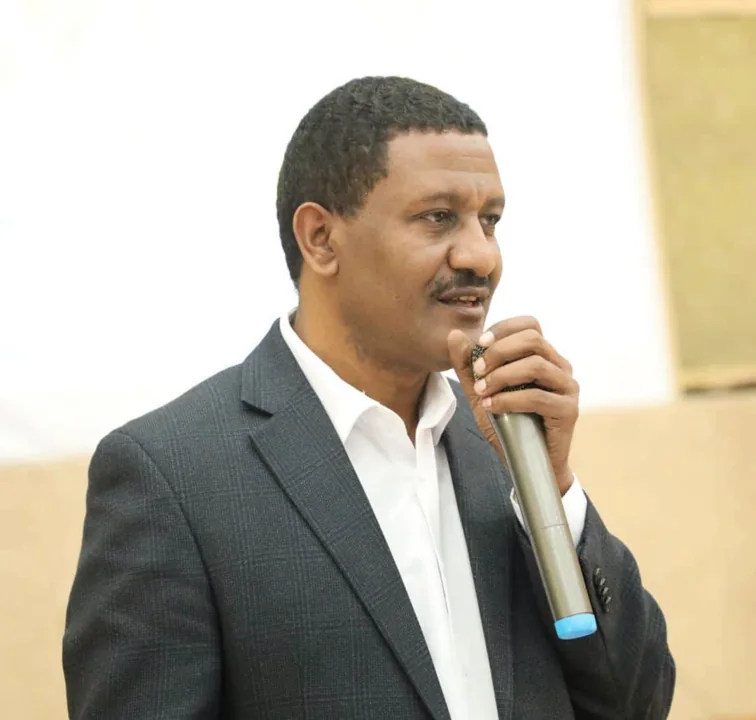
ASTU reported a water-treatment seminar and demonstration involving South Korea's SOLARINNO Tech-Company in August 2026. Faculty members, researchers, students, industry partners and representatives from Adama participated. The event followed an October 2025 cooperation agreement covering research, technology development and technology transfer.
The presentation concerned defluoridation and related water-quality challenges. Discussion addressed local capacity, adaptation of technology and possible future joint research. The university's account presents the meeting as an example of an international partnership moving into practical demonstration and technical exchange. It illustrates the kinds of applied problems around which ASTU brings academic and external participants together, without establishing independent performance claims for the demonstrated equipment.
Alumni and the changing campus
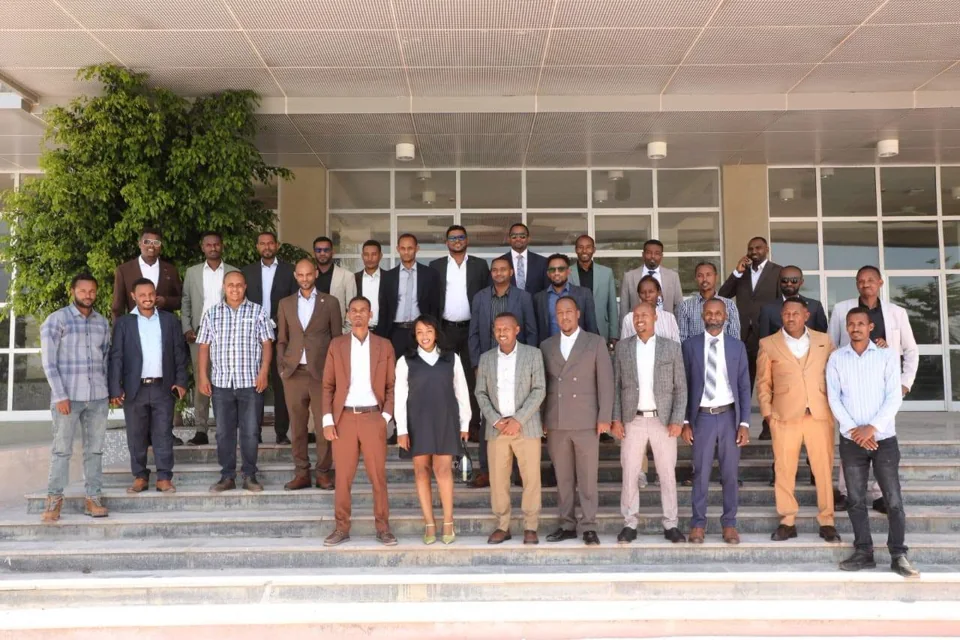
Former engineering students returned to ASTU on 19 September 2026 for a visit intended to renew connections with classmates and the institution. The university's report describes a tour of the Research Park, Multipurpose Hall, Data Center, smart classrooms and studio. These facilities offered returning graduates a view of developments since their own period of study.
The registrar and alumni office welcomed the group and discussed its continuing relationship with the university. The visit adds an alumni dimension to campus life alongside the work of the Freshman Division and academic offices. New students encounter the university through orientation and foundational study, while graduates maintain connections through organised visits and contact with institutional staff.
Sources: September 2026 alumni visit ↗