Visa
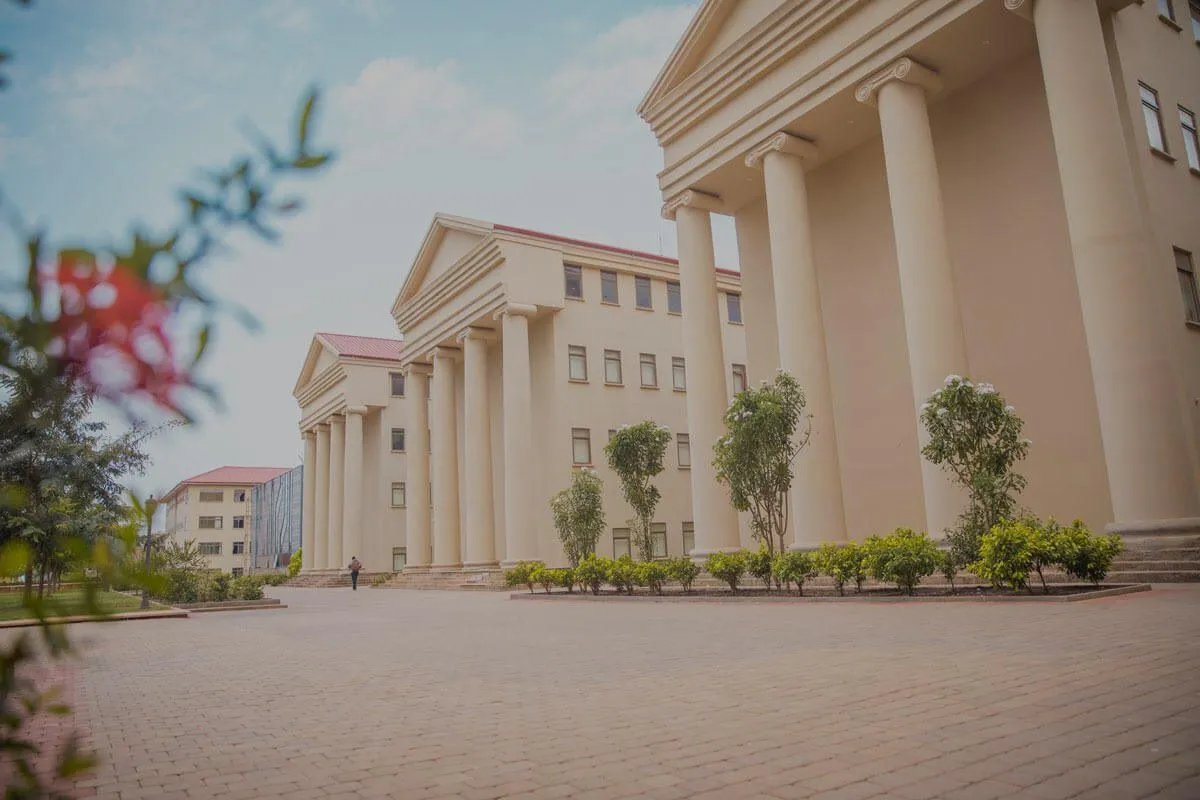

About Academic City College University
Academic City in Accra
Academic City College University is the directory name for the institution now presented on its official website as Academic City University, or ACity. It is located in Haatso in the Accra area of Ghana. The institution's history records incorporation in 2008 and the admission of its first undergraduate students in 2009, initially in information technology and banking and finance. Its early operation on Ring Road was associated with programmes affiliated to Sikkim Manipal University.
The history records a first graduation in 2012 and a move to the Haatso campus in 2018, when engineering provision became part of the institution's development. Academic City's stated educational approach combines entrepreneurship, ethical practice and solving practical problems. Its learning pillars distinguish hands-on experience, attention to local context, projects connecting subjects, and preparation for unfamiliar challenges. These ideas give a consistent purpose to its mix of scientific, technical, business and communication study. Students are encouraged to connect classroom concepts with real situations and to consider the social setting in which a proposed solution will be used.
Sources: About Academic City: history and learning pillars ↗

Engineering, computing, business and communication
The undergraduate directory groups programmes across Engineering, Computational Sciences and Informatics, and Business Administration and Communication Arts. Engineering subjects include biomedical, computer, electrical and electronic, electronics and communication, industrial and systems, mechanical, robotics, electric-vehicle, nuclear, and unmanned-aerial-systems engineering. Computing provision includes computer science, artificial intelligence, data science and information technology. Business study covers accounting, banking and finance, entrepreneurship, human resources and marketing. Communication subjects include advertising and public relations, film and digital technologies, and journalism and mass communication.
Shared courses add a cross-disciplinary element. Fundamentals of Innovation and Entrepreneurship introduces problem analysis and the design of solutions to community challenges. Technology and Society connects scientific knowledge with social questions, while Text and Meaning develops interpretation and analysis. Programming covers topics including algorithms, databases, networks and web design, with Python among the languages identified. A leadership series uses case studies and teamwork, and Doing Business in Africa considers economic, social and political influences on business. These shared subjects connect specialist degrees with communication, contextual understanding and practical problem solving.
Library collections and information support
The ACity Library is the institution's principal learning-resource centre. Its description combines a predominantly digital service with physical books and other materials. Electronic access includes resources associated with the Consortium of Academic and Research Libraries in Ghana and the Africa Intellectual Database for Development and Excellence. The collection encompasses electronic textbooks, journals and magazines alongside printed reading materials.
Physical subject coverage extends across engineering, business, information technology and communication arts, with additional material in language, literature, history, philosophy and other disciplines. The library identifies acquiring, organising and preserving knowledge as part of its role, together with promoting information literacy. Its account treats learning resources as extending beyond a single building into teaching and working spaces around the institution. This combination supports assigned reading, independent exploration and research, linking access to material with the skills needed to locate and use academic information.
Sources: Academic City library ↗
Academic guides and programme structure
Academic City publishes a set of resources explaining how its educational provision is organised. The academic catalogue is presented as the reference for programme information, course descriptions, credits and graduation requirements. Separate undergraduate handbooks provide curriculum outlines and course expectations, while graduate handbooks address master's structures, policies and research guidance.
The resource collection also includes a faculty handbook describing teaching standards, responsibilities and support arrangements. An academic calendar brings together semester schedules, examinations and important dates. These documents connect the broad programme directory with the detailed academic framework students and staff use through the year. Together, they provide a route from choosing a subject area to understanding the courses, academic expectations and sequence of study within it.
Participation, recreation and everyday campus life
Student life includes clubs, a student council and opportunities for civic engagement. The council provides a form of student leadership, while student-led activities contribute to the wider campus community. The university connects civic participation with taking responsibility for contributing to society. These activities give students settings in which to work with others outside their immediate academic classes.
Recreation includes a gym and indoor games such as chess, table tennis, pool and table football. Basketball, football and volleyball are among the outdoor sports listed, with group exercise also available. On-campus accommodation, dining and laundry services form part of the residential provision. A health centre supplies basic primary-care services and makes referrals when additional care is needed. Student and Community Affairs brings together engagement, welfare and career-related support. The combination of academic work, residence, recreation and organised activities makes campus life a shared experience across subjects, with facilities supporting both individual routines and participation in groups.
Sources: Student life and campus services ↗

Career guidance and employer connections
The Career Services Office supports students and alumni with experiential learning, career development and employment-related goals. It sits within Student and Community Affairs and provides individual consultation through appointments and office drop-in sessions. The university also invites employers to share job and internship openings through this service.
An annual ACity Career Fair brings students into contact with companies from different industries. The office presents the fair as a setting for exploring internships and professional experience. This creates a practical connection between the campus and employers alongside the university's academic and project work. Career support therefore includes both individual guidance and organised opportunities to meet people from the workplace, helping students investigate how their developing interests and skills relate to possible professional paths.
Sources: Career services ↗