Visa

About 4TU
A federation connecting Dutch technical universities
4TU is a federation bringing together Delft University of Technology, Eindhoven University of Technology, the University of Twente, and Wageningen University & Research in the Netherlands. Its official introduction describes an alliance intended to combine technical expertise, support the education of engineers and technological designers, and encourage research with relevance to society. Cooperation among universities, industry, research institutes, and public organizations is central to that account.
The federation organizes its work around education, research, and the use of academic knowledge beyond the university. It describes connecting, representing, and innovating as core institutional values. This structure gives 4TU an important coordinating role: member universities bring their own expertise and activities into shared initiatives. The federation's identity is therefore best understood through the relationships and programs it supports across institutions, including collaborative educational development, thematic research, and the translation of scientific ideas into practical applications.
Sources: 4TU Federation introduction ↗ · 4TU Federation and member institutions ↗
Research organized around shared technological questions
The federation's research description emphasizes cooperation in developing technological and scientific knowledge for major societal challenges. It presents research as a shared activity through which the member universities can contribute to the transitions required in areas important to society. The research organization is overseen by a committee drawn from the universities' executive leadership, with responsibility for collaborative planning and the federation's thematic centers.
The centers listed on the research pages cover applied mathematics, the built environment, design, energy, ethics and technology, health, high-tech materials, the history of technology, information and communication technology, and resilience engineering. This range shows how the federation connects foundational technical knowledge with questions about people, systems, environments, and the consequences of innovation. The thematic arrangement also offers a way for specialists at different universities to work around a common subject while retaining the expertise associated with their own academic institutions.
Sources: 4TU Research ↗
Cooperation in the education of future engineers
4TU's education page describes collaboration aimed at preparing future engineers. It connects this work with innovation in engineering education, the attractiveness of technical programs, and the capacity to train students in those fields. The federation identifies a role in joint projects associated with the Dutch science and technology sector plan, alongside its own educational centers.
Two principal structures are highlighted: the Centre for Engineering Education and the Stan Ackermans Institute. The former supports research and innovation in teaching, while the latter brings together post-master technological design education. An education committee drawn from the member universities' executive boards is responsible for planning and cooperation and for oversight of these centers. This account shows that 4TU's educational contribution includes both the development of specific advanced programs and work on the methods, organization, and quality of engineering teaching across the participating universities.
Sources: 4TU Education ↗
Evidence-based development of engineering teaching
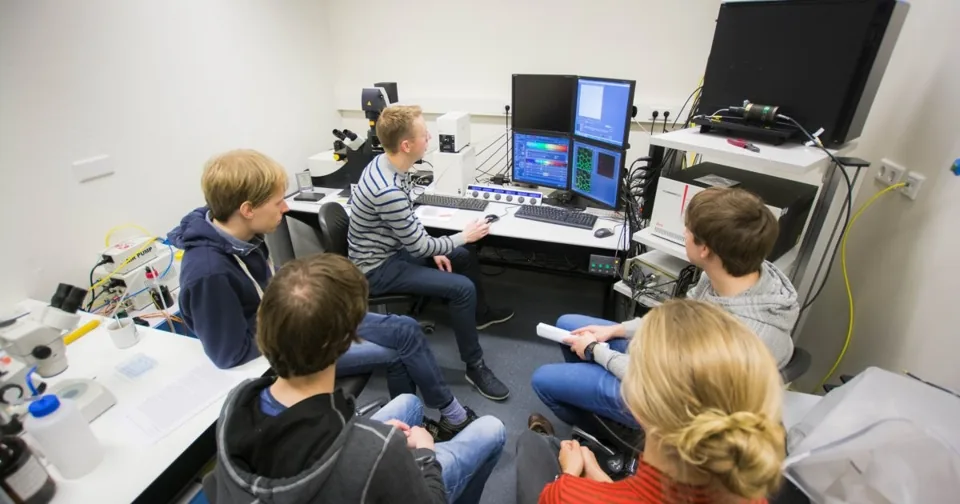
The Centre for Engineering Education describes its purpose as inspiring and supporting effective engineering education through research and evidence-based innovation. Its published introduction identifies cooperation among the four technical universities and the University of Groningen. This wider participation in the center is distinct from the four-institution membership of the federation itself.
The center gathers and develops educational expertise, supports its implementation, and examines the effectiveness of improvements. It also helps teaching staff develop their capabilities by exploring and demonstrating educational methods. Conferences and workshops provide opportunities to share experience, while cooperation with international engineering education communities connects the work with a wider professional discussion. The center therefore addresses teaching as a field of inquiry and development in its own right, combining practical changes in education with research into how those changes work and how useful knowledge can be shared among institutions.
Technological design after a master's degree
The Stan Ackermans Institute's program structure page describes two-year Engineering Doctorate programs for technological designers. Their shared structure begins with the development of advanced design knowledge, experience of design methods, interdisciplinary teamwork, and professional skills. The later part applies that preparation through the design of an innovative industrial product or process for a company or health care institution.
This arrangement places substantial design work in an external professional setting and connects advanced education with the needs of organizations using technology. The institute states that most programs are taught in English, with specified exceptions. Its description emphasizes the relationship between learning design methods and applying them to a concrete challenge. Within the federation's educational activity, these programs provide a focused example of collaboration across academic and professional environments, supporting the development of technological expertise through both structured learning and the delivery of an applied design project.
Sources: Engineering Doctorate program structure ↗
Supporting the practical use of university knowledge
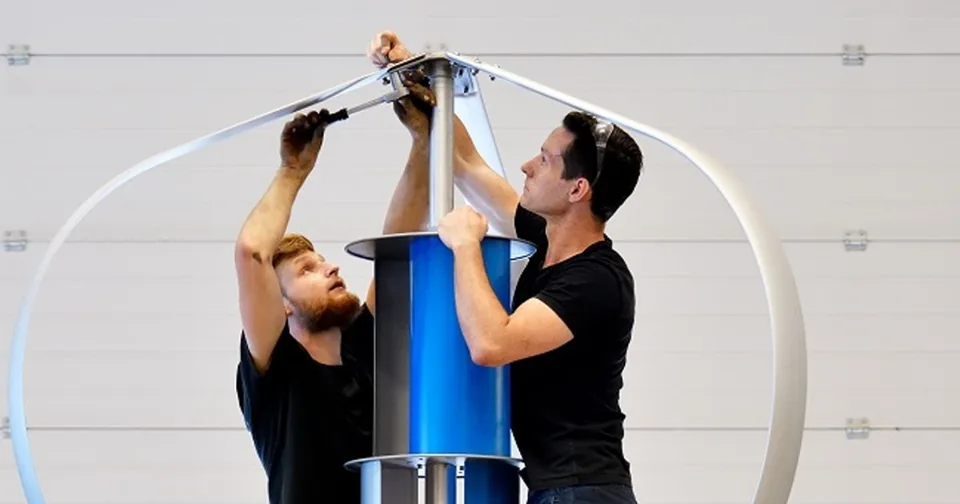
4TU Impact addresses the economic and social use of knowledge developed within the universities. Its official introduction describes cooperation with industry and other partners as a way to increase the effects of research and innovation beyond academic publication. The published organizational account brings together knowledge-transfer and innovation responsibilities from the member institutions.
The activities represented in that account include support for startups and spin-offs, intellectual property and technology transfer, business development, entrepreneurship, collaboration with companies, and the development of regional innovation environments. These functions connect the federation's scientific and educational work with organizations able to apply new ideas. Alongside research collaboration and engineering education, this focus on practical use completes the federation's broad institutional picture: 4TU links the generation of knowledge, the preparation of people who work with it, and the partnerships through which it can contribute to wider society.
Sources: About 4TU Impact ↗