Visa
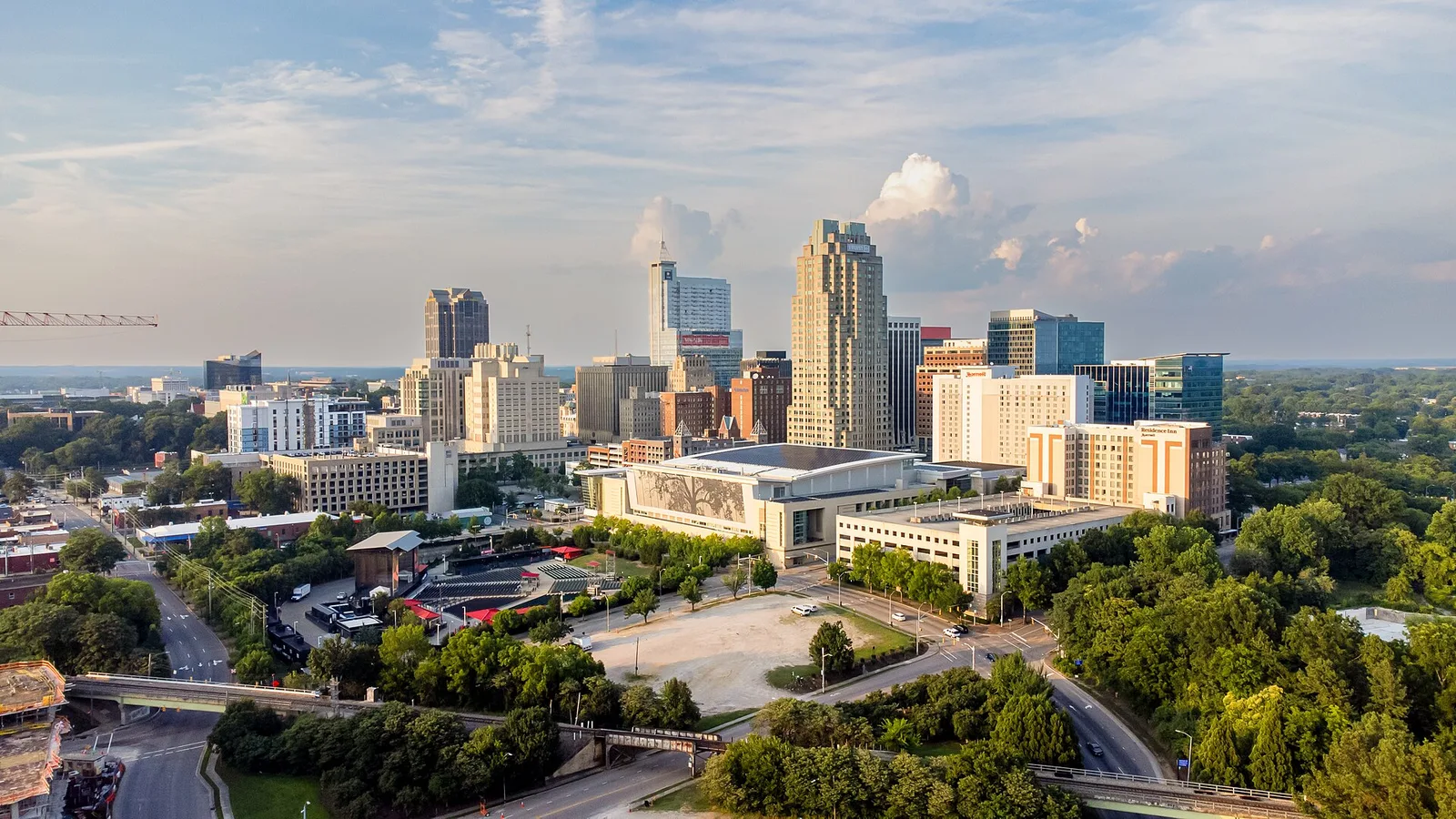
Raleigh: a capital city with several distinct centres
Raleigh rewards a visit organised around museums, state history and neighbourhood walks. Its strongest practical advantage for a cultural weekend is that several substantial experiences have free general admission. Its main planning challenge is geography: a downtown afternoon, the art museum and an airport transfer need separate transport decisions. A hotel described as serving the Raleigh area may suit an airport departure better than an evening in the centre.
The city's Capitol Area history dates Raleigh's establishment and street plan to 1792. That original plan still shapes the historic centre. The Capitol gives the city a visible government identity, while the Warehouse District shows how former industrial buildings have acquired new uses. This combination makes Raleigh interesting beyond a list of individual attractions: look at the street pattern, changing architecture and spaces between the major institutions.
Use the term Research Triangle carefully. Discover Durham's regional explanation identifies Raleigh, Durham and Chapel Hill as the places encompassed by that name. They are separate destinations, with different addresses and onward journeys. For visitors, that distinction prevents an overfilled itinerary. For prospective residents, it matters even more: employment somewhere in the region does not establish that a Raleigh home will provide a convenient commute.
Downtown districts and an Oakwood walk
The Warehouse District's visitor directory describes a neighbourhood of repurposed brick buildings, creative spaces, dining, shops and homes around Raleigh Union Station. It is a useful area to explore when you want the city's industrial history alongside contemporary uses. Choose a few streets and one meal stop rather than treating every business in the directory as a recommendation or assuming all venues keep the same hours.
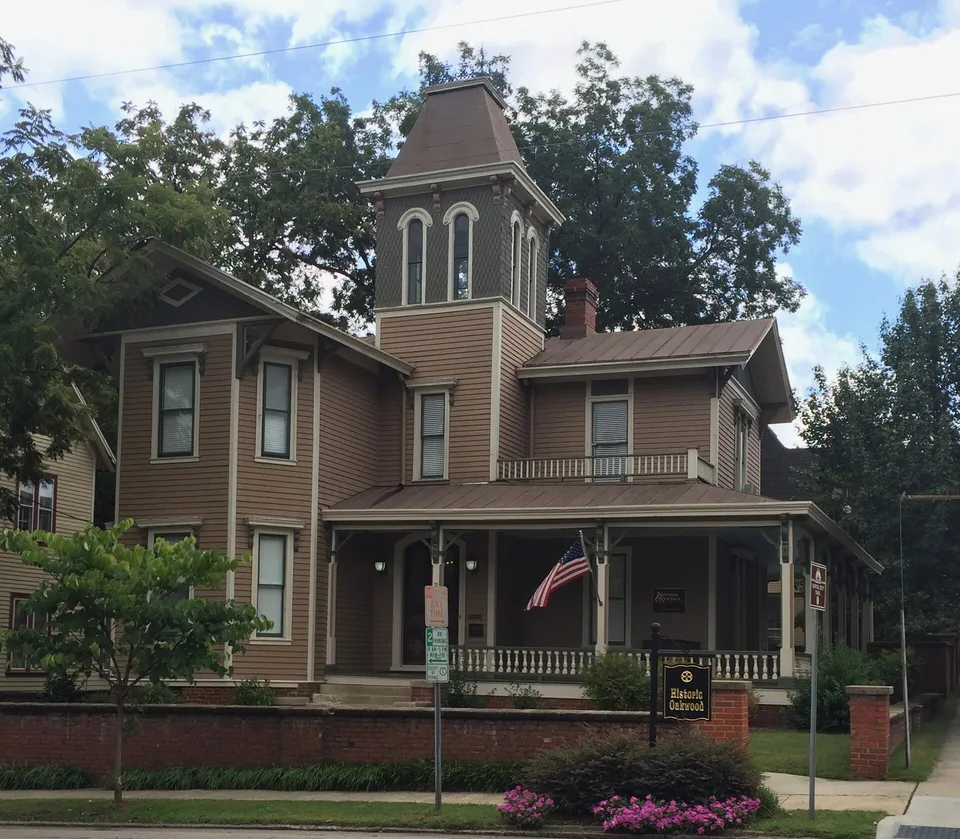
Historic Oakwood offers a different kind of outing. The Society for the Preservation of Historic Oakwood provides a free self-guided walking tour, with a downloadable brochure and printed copies available through the visitor centre. Use that material to understand the houses and streets rather than relying on an unlabelled photograph. Stay on public routes, respect residents' privacy and treat private houses as homes unless an advertised event expressly provides access.
For an initial visit, combine one downtown district with one substantial attraction. Someone choosing a place to live should return at the time they would normally commute or arrive home. Noise, the final walk from a stop and access to daily shopping are more useful observations than the atmosphere of a single Saturday afternoon.
Natural Sciences: plan for the galleries that are open
The North Carolina Museum of Natural Sciences offers free general admission at its Downtown Raleigh site, with published hours of Tuesday through Sunday, 10am to 5pm. The museum's holiday and closure list deserves a separate check for your dates. A Monday itinerary needs another activity rather than an assumption that a state museum opens every day.
Some familiar features are unavailable during this guide's research period. Prairie Ridge Ecostation has paused general public visits from April 2026, with reopening anticipated in 2027, while registered programmes and research continue. The Living Conservatory butterfly room lists an opening in summer 2027. Neither should be promised as part of a regular visit now. Keep the Downtown museum and its satellite sites distinct when choosing an address or programme.
Give the open galleries a substantial block of time, particularly with children. Check any special exhibition or programme arrangements separately from general admission, and choose a few priorities before arriving.
Art galleries and the Museum Park have different opening patterns
At the North Carolina Museum of Art, admission to the People's Collection in the East and West buildings and to the Museum Park is free. Some special exhibitions and programmes carry a charge, and the annual Art in Bloom fundraiser charges admission to the West Building. Check what your chosen date includes before treating the entire visit as free.
Gallery hours are Wednesday through Sunday, 10am to 5pm, with Monday, Tuesday and specified holiday closures. The Museum Park opens daily from dawn to dusk, including holidays. You can therefore plan outdoor time on a day when the galleries are closed, but it will be a different experience. The operator lists free visitor parking and GoRaleigh's 27L Blue Ridge route as a public-transport option.
The park offers trails, gardens and outdoor art, making weather and comfortable footwear part of the decision. Do not put a museum bag or suitcase into your plan without reading the visitor policies: luggage is not accepted for checking, and large items are restricted in the galleries.
The Capitol and the history museum: one open, one under renovation
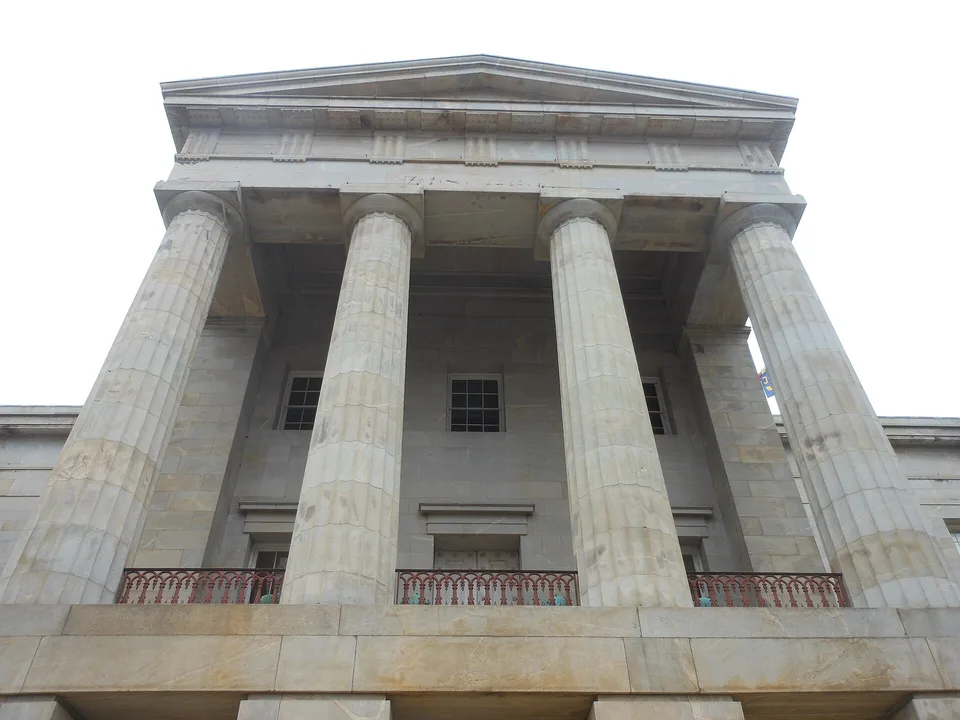
The North Carolina State Capitol opened in June 1840 and provides a setting for exploring state government and the city's history. Current published hours are Monday through Friday, 9am to 5pm, and Saturday, 10am to 5pm. Sundays and designated state holidays are closed; the site's 2026 Sunday-hours pilot has ended.
Self-guided visits are available during operating hours, and free Saturday guided tours are listed at 11am, 1pm and 3pm without reservations. Groups of ten or more need to arrange a visit at least two weeks ahead. The operator also warns that sidewalk repairs are underway on the grounds and that grounds scavenger hunts are suspended. Ask staff about specific access needs rather than assuming every approach works during construction.
The North Carolina Museum of History is a separate institution, currently closed for a major building renovation. It continues to offer programmes and digital resources, which may have other locations or participation arrangements. An event on its calendar does not establish that its permanent building is open for an ordinary museum visit. Keep it off a walk-in gallery itinerary unless the operator confirms a change.
Pullen Park: rides with a construction caveat
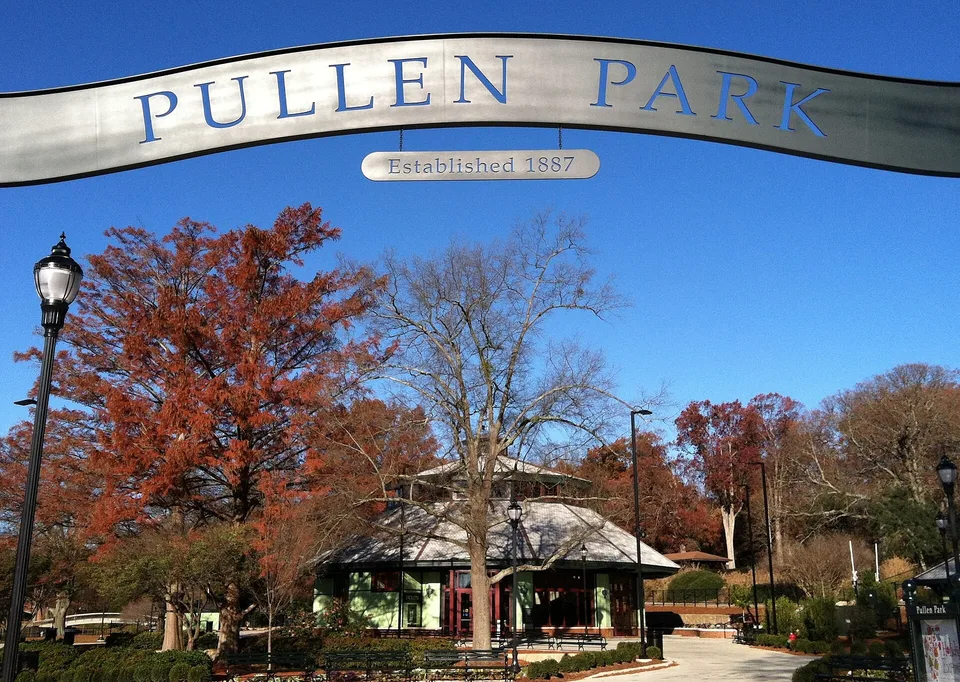
Pullen Park Amusements can provide a family outing, with individual ride tickets listed at $2 per person. Children under one ride free with paying adults. For the carousel and train, a child below 42 inches needs an accompanying parent or guardian, and both require a ticket. Account for the accompanying adult when calculating the cost of several rides.
Ticket sales end fifteen minutes before a ride closes, and the city encourages advance online purchases. Check the daily operating information rather than using the park's opening hours as a promise that every attraction will run. The current page also lists carousel maintenance from 3 to 13 November and says the train closes around sunset.
Pedal boats are unavailable until spring 2027 because of Lake Howell construction. The city's reopening notice explains that most amusements and main park areas reopened while the lake work continues, with lake-side pathways and other specified areas remaining closed. The train's familiar lake views are affected. This is a reason to choose the available rides and playground deliberately, not to describe the whole park as closed or to promise a boat outing.
Arriving at RDU: match the bus to the onward journey
The airport's public-transport information identifies GoTriangle Route 100 and the RDU Shuttle as services connecting the terminals with the regional network. At Terminal 1, pickup is between Zones 2 and 3; at Terminal 2, it is between Zones 6 and 7. Follow the current signs and check the route for your arrival time before waiting at a stop.
RDU serves a region, so an airport connection does not automatically deliver you to the right Raleigh hotel or appointment. Build the complete trip, including any change at the Regional Transit Center and the final leg to your accommodation. Allow time for baggage collection and reaching the stop, and compare that plan with a booked transfer if your arrival falls outside useful service hours.
For rail or intercity bus travel, the airport notes that stations are in Cary, Raleigh and Durham and require an onward connection. Do not assume an airport rail platform replaces that transfer. Use the actual station and destination addresses when arranging the journey.
Local and regional bus fares are different
Use the GoRaleigh-specific fare FAQ (source unavailable) when budgeting local rides: it lists a $1.25 single fare and Umo caps of $2.50 daily, $12 weekly and $40 monthly. The same FAQ distinguishes GoTriangle's regional caps of $5 daily, $20 weekly and $80 monthly. A local cap therefore does not make every further regional journey free. Read the rules for the services you intend to combine.
The operator accepts Umo app payments, a physical GoPass Umo card or cash in exact change. Each passenger pays individually; one Umo account cannot pay for another rider. Set up the appropriate method before boarding, especially when travelling as a group. Fare capping follows the account's recorded journeys, so do not assume cash purchases receive the same benefit. Eligible reduced or free fares require the appropriate qualification rather than simply an informal claim when boarding.
Choosing accommodation by the journey you actually need
Start with a shortlist of addresses, not a broad booking-site area label. For a museum and Capitol weekend, compare downtown accommodation with the journeys from each property to your chosen entrances. For a late flight or early departure, assess the airport journey first. Ask a hotel directly whether it provides a shuttle, its operating hours and whether advance arrangements are necessary; proximity alone is not a transport service.
For a longer stay, an apartment or extended-stay property may make everyday meals and laundry easier. Check the actual facilities, minimum stay, cancellation conditions, deposit and complete payable price. A listing's kitchen photograph does not establish what equipment is included. Families should confirm sleeping arrangements and any charges for additional guests rather than assuming a room's headline capacity covers their needs comfortably.
Before booking, compare the room bill with parking and transport costs. A cheaper room can become a more expensive base when every outing requires a paid journey. Conversely, paying more for a central address has little value if most of your appointments are elsewhere. Ask about step-free access, lift availability and bathroom arrangements where these determine whether a property works for you.
Meals, shopping and a budget built from choices
Use the Downtown Raleigh dining directory to find options near the part of town you are visiting, then read the restaurant's own menu and opening information. The district directory is a discovery tool; it does not verify that a venue suits every dietary requirement or that a particular dish is available today. For allergies, contact the kitchen before committing to the meal. Reserve where the restaurant recommends it, especially when dinner must fit around a booked event.
Shopping can be fitted around a neighbourhood walk rather than becoming another cross-city trip. The downtown shopping directory helps identify businesses by location. Check opening hours before making a shop the purpose of a journey, and consider how purchases will fit into your luggage or onward transport. A longer-stay visitor should identify an ordinary grocery option near the accommodation as well as places for meals out.
Build the budget in separate lines: accommodation, arrival transfer, local journeys, meals, paid exhibitions and optional rides. The free general museum admissions described above provide room to spend selectively elsewhere. They do not remove food, parking or special-event charges. Use a restaurant's current menu and your actual dates' room quote instead of an unsupported city-wide daily average. Leave a small contingency for weather-related changes or a missed connection, and compare the total for your whole party rather than one traveller's headline price.
Seasons: plan outdoor time around conditions
The official visitor weather information describes four distinct seasons: spring is generally pleasant, summer hot and humid, autumn brings cooler mornings and evenings, and winter can be cold with variable snowfall. It identifies July, August and September as the wettest months. These are seasonal planning pointers, not a forecast for your dates.
Spring or autumn can suit a visit combining galleries with walking, provided you bring layers and retain an indoor alternative. In summer, place the outdoor part of an itinerary earlier in the day when practical and make room for drinking water and breaks. In winter, check conditions before committing to park time or a long walk; opening hours do not guarantee comfortable weather.
Check a current forecast close to departure and again before an outdoor excursion. If rain changes the plan, rearrange the sequence rather than forcing every original stop into a shorter afternoon. Museum closure days still matter when choosing that fallback. For a relocation visit, experiencing the neighbourhood in inconvenient weather can be useful: it exposes the walk, shelter and transfer conditions you may otherwise overlook.
A realistic three-day visit
This suggested sequence works best when the gallery days are open; rearrange it around the published schedules above. It favours time inside the main attractions over constant movement and leaves meals and transfers outside the attraction blocks. Check construction notices and any tickets the evening before each day.
On the first day, focus on the historic centre. Visit the Capitol during its operating hours, then allow a separate block for the Downtown Natural Sciences museum. If you prefer a guided Capitol visit, align the day with a listed Saturday tour. Finish with dinner in a downtown district chosen for its location and menu. Keep an Oakwood walk optional if energy and daylight permit.
On the second day, make the North Carolina Museum of Art the principal outing. Start with the galleries when they are open and choose an outdoor park section appropriate to the conditions. Do not add another distant major attraction simply because general admission is free. Return to your accommodation with enough time to rest before an evening meal.
On the third day, choose between a family-focused Pullen Park visit and a slower neighbourhood outing. At Pullen, plan around the available amusements and lake works. Otherwise, use Oakwood's self-guided material and explore the Warehouse District at a manageable pace. Someone assessing a move can use this day for a housing viewing and a trial commute instead.
Moving to Raleigh: test the address before signing
Approach housing as a household decision involving both the property and its daily journeys. Before paying an application charge, ask what documents the landlord accepts, how screening works and which payments are refundable. Obtain the proposed lease, recurring fees and move-in total in writing. View the property where possible, verify who is authorised to let it and avoid treating a remote payment request as proof that a home exists or is available.
Test the commute to the actual workplace or campus entrance at the hours you expect to travel. For a bus journey, include the walk to the stop, waiting, transfers and the last service you might need. For driving, check the destination's parking arrangements as well as the route. A map's distance does not capture the household consequences of a journey that is difficult after a late shift.
Raleigh Housing Authority's current public-housing waiting-list page says its public-housing lists have reached capacity and are closed. Its information explains site-based lists by bedroom size and an eligibility review; a pre-application does not guarantee a place. Check the current notice before planning around any future opening. This specific public-housing status should not be treated as a statement about every housing-assistance programme. Arrange a viable accommodation plan independently of an anticipated allocation.
Use a viewing checklist covering heating and cooling, damp or leaks, locks, laundry, parking, waste arrangements and responsibility for repairs. Ask which utilities the rent includes and which accounts you must establish. Photograph the agreed move-in condition and keep the lease, payment records and maintenance contacts accessible. Compare complete monthly costs across properties, including the journeys each address requires, rather than choosing solely by advertised rent.
Household services, schools and settling in
The city's Raleigh Water account service provides online arrangements for starting, stopping or transferring service. Confirm whether the landlord or tenant is responsible before setting up an account. The page also covers account management; read the applicable new-service instructions rather than assuming a charge mentioned for another situation applies to your household. Establish the other required utilities using the provider and service address confirmed for the property.
For children, the Wake County Public School System enrollment page explains that the home address determines the base school and provides the enrollment process and school finder. Check the specific address before signing a lease if school arrangements influence your decision. An application to change school requires a separate process and approval is not guaranteed. Do not treat a nearby school building or a property advertisement as confirmation of assignment.
Before moving, clarify health-insurance coverage and how to obtain routine care, prescriptions and urgent assistance under your own circumstances. Ask prospective providers about availability and accepted insurance rather than assuming that a hospital's presence means immediate access to every service. Keep essential documents, medication information and important contacts available during the move, not packed away with household goods.
Spend the first week checking ordinary routines: grocery shopping, laundry, waste collection, the commute and the route home after dark. These tasks reveal whether the address supports your needs. A prospective student should also confirm campus requirements and housing dates directly with the institution; a general city guide cannot establish individual admission, funding or accommodation eligibility.
Visiting, working, studying and permanent residence
US immigration rules depend on nationality, purpose and individual circumstances. The State Department's visitor-visa instructions distinguish permitted tourism and certain business activities from employment, degree study and permanent residence, which require appropriate separate arrangements. A B1/B2 visitor visa does not permit accepting employment or working in the United States. Research the correct route before building a relocation plan around a tourist visit.
Use the official instructions and the relevant US embassy or consulate's process for your application. A visa does not guarantee admission: border officials decide whether to admit a traveller. Neither a rental agreement nor a consultant appointment establishes immigration permission. Check requirements before committing to non-refundable plans, and obtain qualified advice when your proposed activities or existing status need individual assessment.
VisaWand's USA country guide provides broader context, while the USA destination page and consultant listings can support further exploration. Read each listing's stated services and credentials before choosing help; the official authorities remain the sources for application instructions and decisions.
Nearby destinations and alternative bases
Consider Durham or Chapel Hill as separate outings or alternative bases when your interests, workplace or institution lie there. Use the regional visitor explanation to understand the Triangle's geography, then plan the journey to the precise destination. Trying to sample all three centres during a short Raleigh stay can leave less time for the attractions you came to see.
For a broader North Carolina comparison, read VisaWand's completed Charlotte guide. It is a separate city choice requiring its own accommodation and transport assessment. The completed Atlanta guide provides another southeastern comparison for visitors or movers considering a different urban setting. VisaWand's USA location directory lists further places to explore; directory entries should not be mistaken for completed travel guides. Choose the next destination by the experience or daily life you need, then verify the practical arrangements for that location.
Official planning resources
Reviewed 13 October 2026. Use the official resources linked throughout this guide for admission, transport, housing and immigration decisions. Prices, services and rules can change; confirm the details relevant to your dates. Photography illustrates the locations and is not a live view.
View all official resources
- Natural Sciences current hours, free admission and satellite closures
- North Carolina Museum of Art visitor information
- State Capitol visitor hours, tours and repair notices
- History Museum renovation notice
- Pullen Park amusements tickets and operating notices
- Pullen Park lake construction and partial reopening
- RDU airport bus and rail connections
- GoRaleigh local and regional fare FAQ (source unavailable)
- Official Capitol Area city history
- Official Research Triangle geography explanation
- Warehouse District visitor directory
- Historic Oakwood self-guided walking tour
- Downtown Raleigh dining directory
- Downtown Raleigh shopping directory
- Official Raleigh seasonal visitor information
- Raleigh Housing Authority public-housing waiting-list status
- Raleigh Water account and service resources
- Wake County school enrollment and address assignment
- US visitor visa official instructions
Plan the next part of your journey
Explore the United States guide, browse other cities or compare consultants for your travel and relocation questions.