Visa

A city best understood through its corridors
Charlotte’s skyline gives the first impression: towers, a stadium and a business district called Uptown. The more useful picture emerges at street level, where museum visits, neighbourhood evenings and everyday journeys follow quite different routes. You can spend a short break walking between central attractions, then use the Blue Line to explore South End or NoDa. Moving here demands a closer look at the particular address, your workplace and the journeys that connect them.
This guide covers Charlotte, North Carolina, in Mecklenburg County. The wider visitor region includes separate towns and cities, so an attraction advertised as being in the Charlotte area may require a substantial trip beyond your hotel. Establish that geography before booking accommodation or building a day around several distant stops. For a first visit, concentrate on Uptown and one neighbourhood corridor; add an outdoor or regional excursion if you have another day.
The appeal is the combination of urban culture and accessible outings: African-American art, motor-racing history, hands-on science, murals and an engineered whitewater course. These experiences suit different budgets and interests. A museum weekend needs a different base from a trip organised around rafting, a university visit or a suburban workplace. Charlotte rewards a selective itinerary more than a long checklist.
Trade, textiles and the meaning of Uptown
Charlotte was incorporated in 1768 and named for Queen Charlotte. Its central crossroads, Trade and Tryon streets, grew around an earlier trading route used by Indigenous people. The district’s elevated setting helps explain the historic use of “Uptown”; the city formally adopted that name for its business district in 1974. Incorporation marks the municipal story, rather than the beginning of human activity here.
Gold mining, textile production, rail connections and banking each contributed to Charlotte’s development. At Trade and Tryon, the public sculptures provide an entry point into that economic history. Walk out into the surrounding blocks to see how office towers, cultural buildings and residential streets now share the centre. The four historic wards remain useful orientation names, although their visitor attractions and businesses change.
History here also needs a critical eye. Some widely repeated local stories are disputed, including the Mecklenburg Declaration of Independence. A useful visit can explore how the city remembers its past without treating every commemorated account as established fact. The Uptown history page explains these local narratives; current museum programmes offer another way to examine whose experiences shaped the region.
Uptown, South End and NoDa: choosing your base
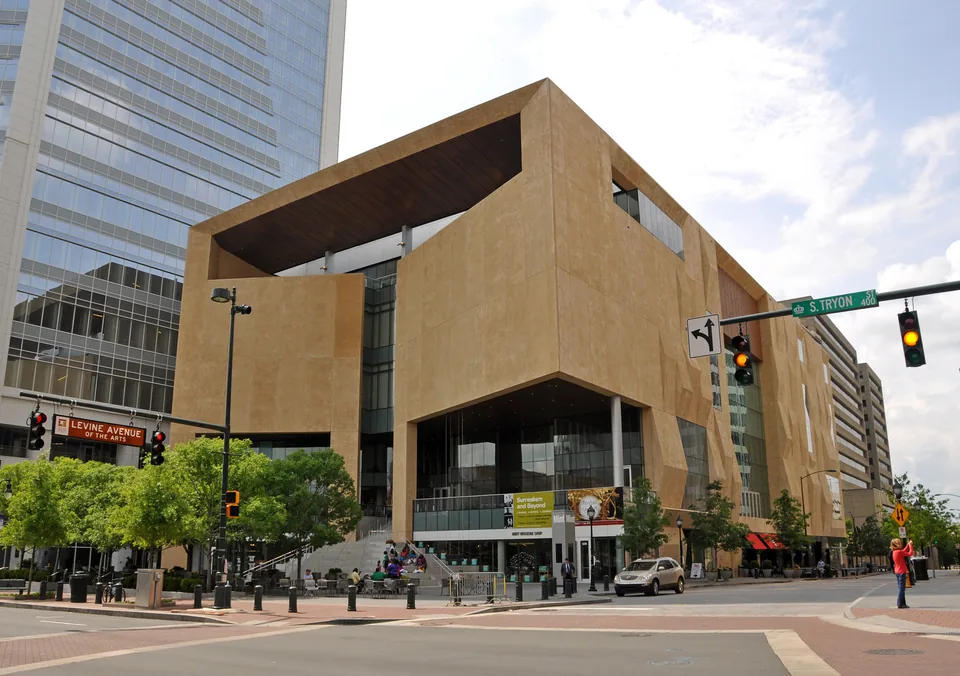
Uptown is the practical starting point for visitors whose priorities are museums and central events. Locate your hotel against the attractions you actually plan to enter, rather than assuming every central address offers the same walk. The Mint Museum Uptown and Gantt Center sit in the southern arts cluster; the NASCAR Hall of Fame is a separate stop nearby. Discovery Place Science brings a different focus to the northern part of the centre. Check opening days before assigning each to your itinerary.
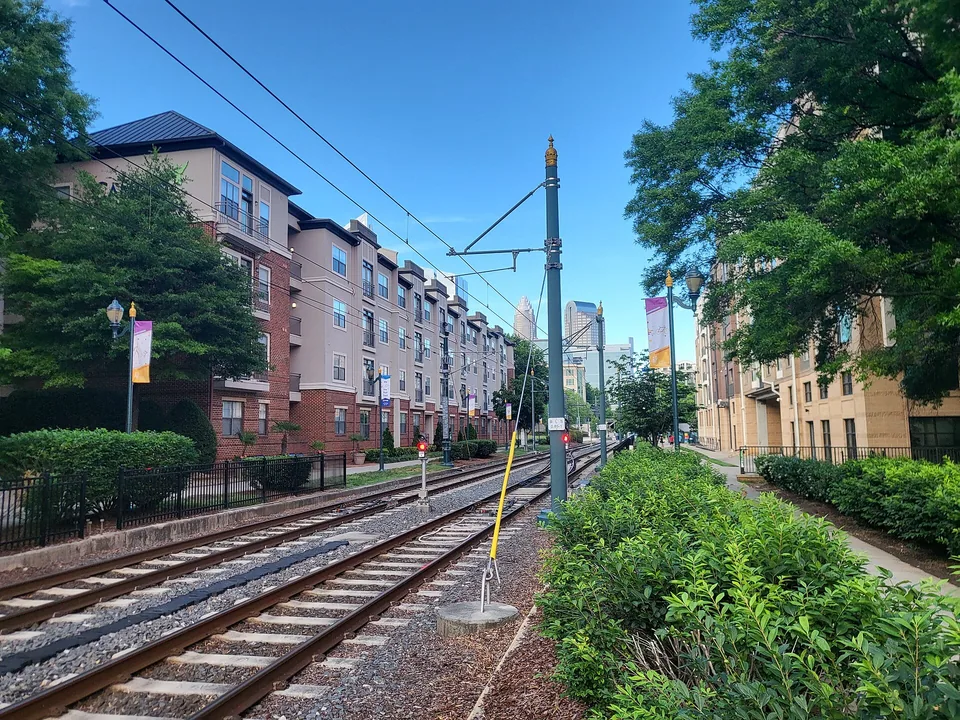
South End lies outside Uptown and connects to it through the Blue Line. Its Rail Trail, restaurants, murals and converted industrial spaces make it useful for an afternoon that combines walking with a meal. The historic textile setting remains visible around the Design Center and Atherton Mill. Accommodation near this corridor can work for a longer stay, provided the walk to the relevant station and your daily destination are convenient. Restaurants beside tracks do not make the tracks a pedestrian shortcut: use designated crossings.
NoDa takes its name from North Davidson Street. Its arts identity appears in murals, shops and performance venues, and the Blue Line provides a connection with the centre. Choose it for neighbourhood exploration or a planned evening event, then check the venue’s own calendar and your return journey. A district described as walkable still requires you to examine the route from a particular lodging address, especially when arriving with bags or returning late.
The official South End overview and NoDa visitor information help narrow those choices. Their business listings are starting points for checking current operators, menus and opening hours. For relocation, visit a shortlisted area during the hours you would normally leave home and return. The useful question is how an address supports your routine, rather than whether the neighbourhood has a fashionable name.
Art museums: two locations, different experiences
The Mint Museum is an easy place to make a planning mistake: its Uptown and Randolph locations are separate destinations. Uptown fits a central arts itinerary, while Randolph is on Randolph Road in Eastover. Choose according to the exhibitions and collections you want to see, then account for the journey between them. A general admission ticket currently covers both museums for two consecutive days.
The Mint’s visitor information lists adult admission at $15 plus admission tax, with free admission for visitors aged 18 and younger. Both locations offer free admission on Wednesday evenings from 5 to 9pm. Monday closure and holiday exceptions matter when organising a weekend or extending one into the following week. Randolph has free parking; that does not establish the parking cost for Uptown. Check special exhibition arrangements and the final ticket total before paying.
The nearby Harvey B. Gantt Center focuses on African-American arts and culture. Its current general adult admission is $10, with ticketed events and special exhibitions excluded from that general price. Rather than attempting every institution in one day, select the exhibition that interests you most and leave time to engage with it. The Gantt’s published Wednesday hours differ between its detailed table and homepage, so check the current programme before planning a late visit.
Racing history and hands-on science
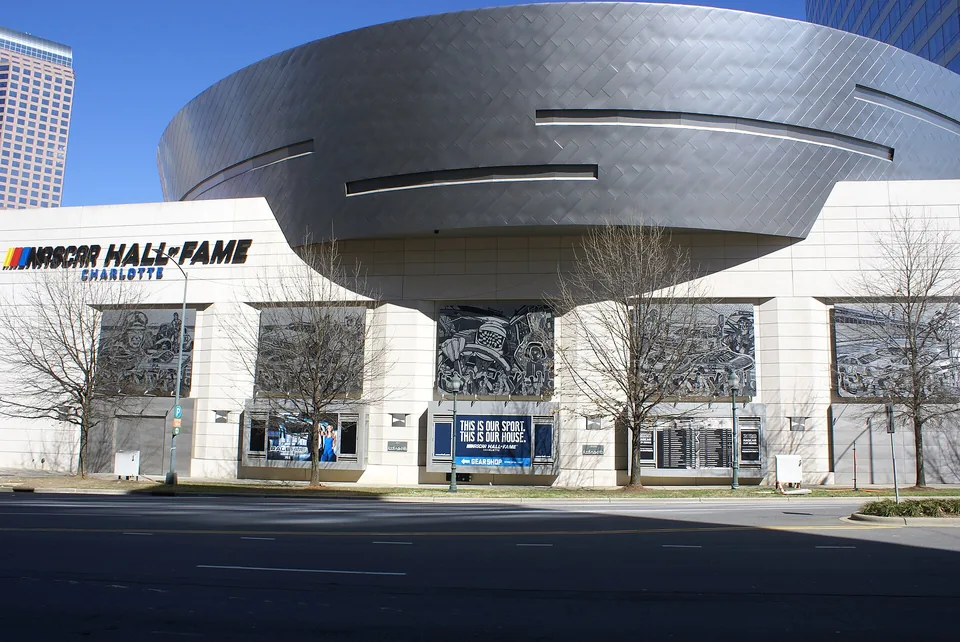
At the NASCAR Hall of Fame, racing becomes a subject to explore through heritage displays and interactive experiences. General adult admission is currently $29; online admission receives a $2 discount, with applicable service fees still additional. Simulator access is a separate budgeting decision, available through packages that differ from basic admission. The published simulator minimum height is 54 inches, although smaller children may sit on a parent’s lap. Check the attraction’s conditions against your party before choosing a package.
Tuesday is currently a closure day, an important distinction from museums that close on Mondays. Renovation work is underway, with completion expected in summer 2027. The operator says it will remain open and continue exhibit experiences; visitors may encounter construction and changed pathways. Allow time to follow current signage rather than relying on an old photograph of the entrance. Reserve a museum visit and a live race as separate experiences: the Hall is not a speedway event ticket.
Discovery Place Science offers another direction, especially for a family day or poor weather. Its Uptown museum includes hands-on experiments, a rainforest, aquarium exhibits and an IMAX Dome Theatre. Build the visit around the interests and stamina of your group; a theatre showing adds a scheduled commitment. Select the date and ticket combination on the operator’s website rather than using an old school-group price. Discovery Place’s other museums, including its Huntersville and Rockingham children’s locations, are separate destinations.
A Whitewater day needs its own plan
The Whitewater Center can justify a separate day rather than an ambitious addition to a downtown museum itinerary. Decide whether you want to explore the property or take part in activities. Entering the property does not require an activity pass, but arrival by car attracts a parking charge. The operator currently lists a $79 all-access day pass and $13 daily parking for a standard vehicle: one pass and one car therefore begin at $92 before food, transport and any additional charges.
The pass covers available activities on your visit date, rather than guaranteeing that every activity will operate. Read the daily schedule and trail status before leaving. For rafting, the engineered channels offer guided whitewater experiences with different age requirements: family rafting starts at eight years old, while adventure rafting starts at eleven. Secure footwear is required. Raft reservations are also required; obtaining the next available same-day slot differs from paying an extra charge to reserve a specific time in advance. Check each activity’s requirements independently, especially for a mixed-age family.
Accommodation: compare the complete stay
Uptown accommodation is a useful starting point for a short cultural visit because it can reduce the number of separate journeys. South End may suit visitors who want a neighbourhood evening and a rail connection. An airport hotel can serve an early departure, while an extended-stay property with cooking facilities may help during a relocation search. These are choices to test against your itinerary, not promises that every hotel in an area provides the same convenience.
Compare the room total for your exact dates, including tax, parking, breakfast, cancellation terms and any mandatory charges. Confirm whether an airport shuttle operates when you need it and whether reservation is necessary. The airport describes courtesy vehicles for selected hotels; it does not promise a service from every nearby property. A low nightly rate can lose its advantage if it creates repeated taxi journeys or expensive parking.
For a longer stay, ask about laundry, kitchen equipment, workspace and the terms for extending your booking. Check that a short-term rental’s sleeping arrangements and access match the listing. Book enough initial accommodation to inspect permanent housing without signing a lease under pressure. A central hotel is a visitor base; evaluating it should not substitute for testing the address where you might actually live.
Arriving at CLT and choosing ground transport
Charlotte Douglas International Airport, CLT, is the airport relevant to the city. Use its ground-transport information to distinguish a scheduled public bus, a hotel courtesy vehicle, a taxi and an app-based ride. The airport currently directs ride-app passengers to the upper Departures/Ticketing level, inner lanes, Zones 1–3. Follow current terminal signage and the app’s instructions when collecting your vehicle; pickup arrangements can change.
The CATS Sprinter connects the airport with the Charlotte Transportation Center in Uptown. Route 60 provides a different connection, between the airport and the Blue Line’s Tyvola station. That is a bus-to-rail journey, not a direct airport train. Check the timetable for your travel date and leave room for baggage collection and the transfer. Avoid assuming that a short flight automatically produces a quick hotel arrival.
There is an unresolved price discrepancy in the operator’s published information: the Sprinter page advertises $2.50 per ride, while the general CATS fare table lists $2.20 for local bus and rail. Confirm the airport fare with CATS before boarding rather than relying on either figure as settled. For a late arrival or several travellers with luggage, compare the complete journey and live ride quotation with public transport, including the walk from the final stop to your accommodation.
Local transport and the cost of convenience
The Blue Line gives Charlotte a useful corridor for exploring Uptown, South End, NoDa and the university area. Use the official station information to locate your actual stop and the route from it to your destination. A property described as near rail may still involve an inconvenient walk, while a workplace elsewhere may require a transfer. Future extensions should not influence a current housing decision as though they were operating services.
CATS currently lists a $6.60 unlimited day pass for local bus and rail and an $88 adult monthly pass. A day pass becomes worth comparing when you expect several rides; a single direct journey may call for a different purchase. The Blue Line requires a ticket or pass valid for the ride’s date and time. Keep proof of payment accessible and check the instructions for your chosen ticket. Proposed fare-modernisation changes are not a reason to assume that tapping any bank card already works throughout the system.
Driving changes the calculation through parking, traffic and the responsibility for finding a place at every stop. Test commuting at the hours you would use it. For a central museum day, parking once and walking between selected stops may be more practical than moving the car repeatedly. Compare that option with transit from your accommodation before paying for a vehicle you may scarcely use.
Food, shopping and a usable budget
South End and NoDa offer places to combine a meal with neighbourhood exploration, rather than treating dining as another long journey. Choose from current menus and opening times; ask about dietary requirements directly. A brewery listing does not establish the kitchen’s hours, and a busy evening venue may require a reservation. Leave flexibility for a straightforward meal near your base when a day’s activities run late.
Shopping can follow the same approach: browse the shops along your chosen corridor and decide whether a purchase merits another trip. For everyday needs during a move, identify a grocery store and pharmacy near the actual housing address. Carrying household supplies home is a useful test of a supposedly convenient location.
Build the trip budget from a confirmed accommodation quote, transport, selected admissions and meals. For example, the Mint’s $15 adult admission plus a $6.60 local transit day pass comes to $21.60 before museum admission tax, food and other expenses. A free Wednesday museum evening can reduce that category, but it does not eliminate accommodation or transport costs. Keep an allowance for fees and changes instead of presenting this partial example as an entire day’s spending.
Seasons: warm summers, cooler walking days
Charlotte’s climate affects how much outdoor activity belongs in a day. The National Weather Service’s 1991–2020 normals give January average highs of about 52°F (11°C) and lows of 32°F (0°C). July averages are about 90°F (32°C) and 70°F (21°C). These are long-term reference values, not a forecast for your arrival. Read the January and July climate tables alongside current weather information when deciding what to pack.
For summer outings, make room for water, rest and an indoor alternative. In winter, carry layers for the difference between an outdoor walk and heated buildings. Spring and autumn are reasonable periods to consider for a walking-focused break, but your particular dates still need a forecast. Weather and activity schedules can alter an outdoor excursion; avoid building an entire trip around one inflexible afternoon booking.
Three days without racing between districts
On day one, orient yourself around Trade and Tryon, then choose either the Mint Museum Uptown or the Gantt Center for a substantial visit. Keep the afternoon flexible for another exhibition or a walk through the surrounding central blocks. Have dinner near your base. If the date is Wednesday, consider the Mint’s free evening admission instead of repeating a daytime visit.
On day two, visit the NASCAR Hall of Fame if open, or substitute Discovery Place Science according to your interests. Spend the later part of the day in South End or NoDa, using the Blue Line and allowing time to walk rather than fitting both into a rushed evening. Check the last useful return journey before booking a performance.
Day three can be a Whitewater day, with activity reservations and transport arranged beforehand. If outdoor conditions or family requirements make that unsuitable, use the time for the other Mint location or a second neighbourhood. People considering a move should replace part of this itinerary with housing inspections and a trial commute. Seeing attractions and testing everyday life answer different questions.
Housing and the first household arrangements
Start a housing search with the workplace or campus you must reach, then compare actual addresses along workable routes. Ask landlords for the full monthly cost: rent, utilities, parking, required fees and any pet charges. Inspect heating and cooling, appliances, water pressure and the route into the building. Clarify maintenance responsibilities and photograph the agreed move-in condition. Request the proposed lease early enough to understand its renewal and departure provisions.
North Carolina’s security-deposit statute sets different residential caps: two weeks’ rent for a weekly tenancy, one-and-a-half months for month-to-month, and two months for a term longer than month-to-month. That does not cap every other charge or establish your total moving budget. Separate refundable deposits from fees and keep receipts.
Determine who supplies and pays for water, electricity and internet at the specific property. Charlotte Water’s move-in instructions explain activation arrangements, but its identification lists are not sufficiently clear to promise a particular alternative for someone without a Social Security number. Contact the utility before arrival and ask what it accepts in your circumstances. Confirm with the landlord whether you need a separate account or pay through the property. Allow for activation time, a service charge and basic household purchases before treating a lease as the complete cost of settling in.
Schools, healthcare and useful local services
Families should use Charlotte-Mecklenburg Schools registration to check the school assigned to their address before committing to housing. The district requests residency and age evidence, immunisation and school records, plus custody documents where applicable. Registration at the assigned school precedes applications for transfers or reassignment. Discuss international records and any learning support with the district directly.
Check healthcare cover before moving: which providers participate, how prescriptions transfer and what appointments require payment. Identify a nearby pharmacy and suitable primary-care service. The Charlotte Mecklenburg Library is another practical first connection; cards are free for county residents, with address evidence such as a signed lease among accepted documents. Use the local branch and digital resources to help establish routines rather than assuming every service is already arranged through an employer.
Visits, employment, study and permanent relocation
Charlotte has no separate city visa. Start with the VisaWand United States guide, then verify the route appropriate to your nationality and purpose through official resources. A visitor visa covers permitted temporary tourism or business activities; it does not authorise employment or permanent residence. Eligible travellers may use the Visa Waiver Program for permitted stays of up to 90 days, subject to ESTA approval and all programme conditions. Nationality alone does not settle eligibility.
A job offer requires assessment under the relevant work-visa category; studying toward a qualification needs the appropriate student route. Permanent relocation follows immigrant-visa pathways with their own requirements. Renting a home, opening an account or receiving university admission does not replace immigration permission. Check official application instructions and consult qualified advice where your circumstances need individual assessment. VisaWand’s consultant listings can help you identify someone to contact; assess their credentials and scope of service before engaging them.
Beyond Charlotte
The regional visitor directory also covers Concord, Davidson and Matthews. Treat these as separate places when comparing accommodation or planning an excursion, rather than additional Uptown neighbourhoods. Check each destination’s current visitor information and transport before adding it. VisaWand’s United States location directory can help you explore alternatives; directory entries are not necessarily completed travel guides. For a different urban trip, compare the New York City guide. The United States destination page provides broader country context.
Official planning resources
Reviewed 13 October 2026. Use the official resources linked throughout this guide for admission, transport, housing and immigration decisions. Prices, services and rules can change; confirm the details relevant to your dates. Photography illustrates the locations and is not a live view.
View all official resources
- Uptown Charlotte historical background
- Official South End visitor information
- Official NoDa visitor information
- Mint Museum locations, admission and free evenings
- Gantt Center admission and special-event exclusions
- NASCAR Hall visitor prices and hours
- NASCAR Hall current renovation arrangements
- Discovery Place Science visitor information
- Whitewater current activity passes
- Whitewater property access and parking rules
- Whitewater rafting conditions and reservations
- Charlotte Douglas ground transportation
- CLT ride-app pickup and courtesy vehicles
- CATS Sprinter and Route 60 airport connections
- CATS current fares and passes
- CATS stations and park-and-rides
- NWS Charlotte January 1991–2020 climate normals
- NWS Charlotte July 1991–2020 climate normals
- North Carolina residential security-deposit statute
- Charlotte Water service activation instructions
- Charlotte-Mecklenburg Schools new-family registration
- Charlotte Mecklenburg Library membership requirements
- Official Charlotte regional destination directory
- Department of State visitor visa instructions
- Department of State Visa Waiver Program eligibility
- Department of State temporary worker categories
- Department of State student visa instructions
- Department of State immigrant visa pathways
Plan the next part of your journey
Explore the United States guide, browse other cities or compare consultants for your travel and relocation questions.