Visa
Two different decisions: a visit and a home
Las Vegas makes spectacle unusually convenient: a museum afternoon, a theatrical resort interior and a late performance can fit into one trip. Living here demands a different map. The practical questions become how to reach a shift, cool a home, arrange healthcare and find ordinary shops without turning every errand into an expedition along the tourist corridor.
This guide covers the incorporated city and clearly identified places in the surrounding valley. Downtown belongs to the city; the main Strip resort corridor is in unincorporated Clark County. A Las Vegas postal address alone does not settle jurisdiction. For a first visit, choose the experiences that justify your journey before booking a hotel. For a move, build your shortlist around an actual workplace or school and a complete household budget.
Read the valley map before booking
The distinction between downtown and the Strip affects far more than sightseeing. Clark County explains which services it supplies in unincorporated areas, including the resort corridor. The city’s Am I in Las Vegas? address checker helps establish whether a property falls within municipal boundaries. Use the exact address rather than relying on a listing’s neighbourhood label.
Paradise and Winchester are unincorporated communities; Henderson and North Las Vegas are separate cities. Summerlin is a wider western community whose municipal and county boundaries need checking address by address. None should automatically be described as a downtown neighbourhood. Visitors can move across these boundaries without a border procedure, but residents need the correct authority for permits, local services and property questions. The useful unit for daily planning is your door-to-door journey, including the final walk and any transfer.
Water, railways and the older city
The city’s history begins before its casino skyline. Its official historical introduction describes springs that sustained Native people for millennia and later drew traders, ranchers and settlers. Water helped make the valley a railway stopping point. That background provides a better explanation of the settlement than the familiar idea of an entertainment capital appearing from an empty desert.
Las Vegas celebrates its birthday on May 15, marking the railroad land auction of 1905; incorporation followed on June 1, 1911. The municipal timeline distinguishes those milestones and the separate McWilliams townsite west of the tracks, now associated with the Historic Westside. Downtown’s shorter blocks and historic institutions offer a different perspective from the resort corridor. Allow room for that earlier city when designing a trip built around contemporary entertainment.
Downtown, Fremont East and the Arts District
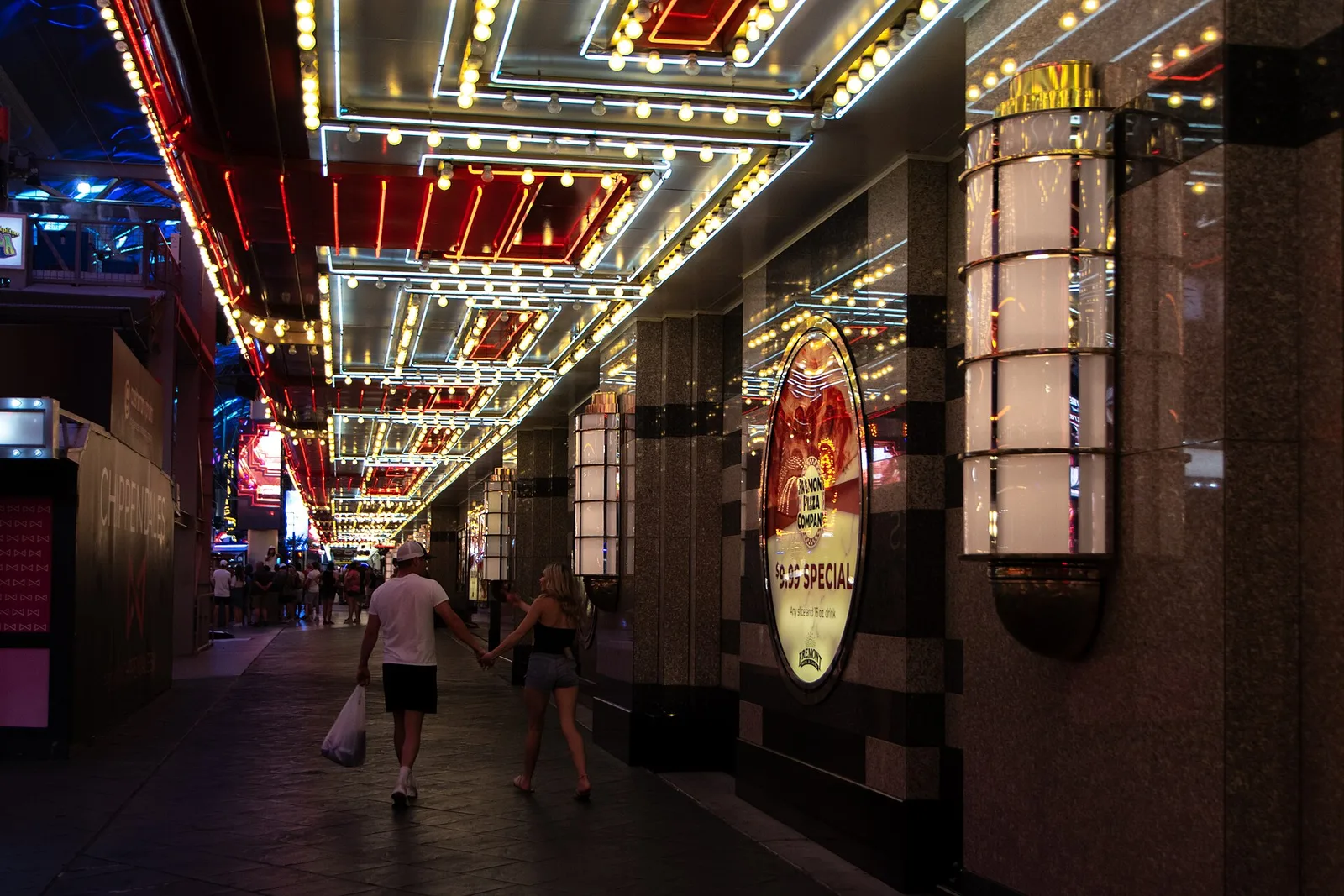
Fremont Street offers concentrated lights, pedestrian activity and casino frontage. Fremont East extends the downtown evening scene beyond the covered section. Treat a room near late entertainment as a deliberate choice: ask about its orientation, sound insulation and nearby events if sleep matters more than being close to the action.
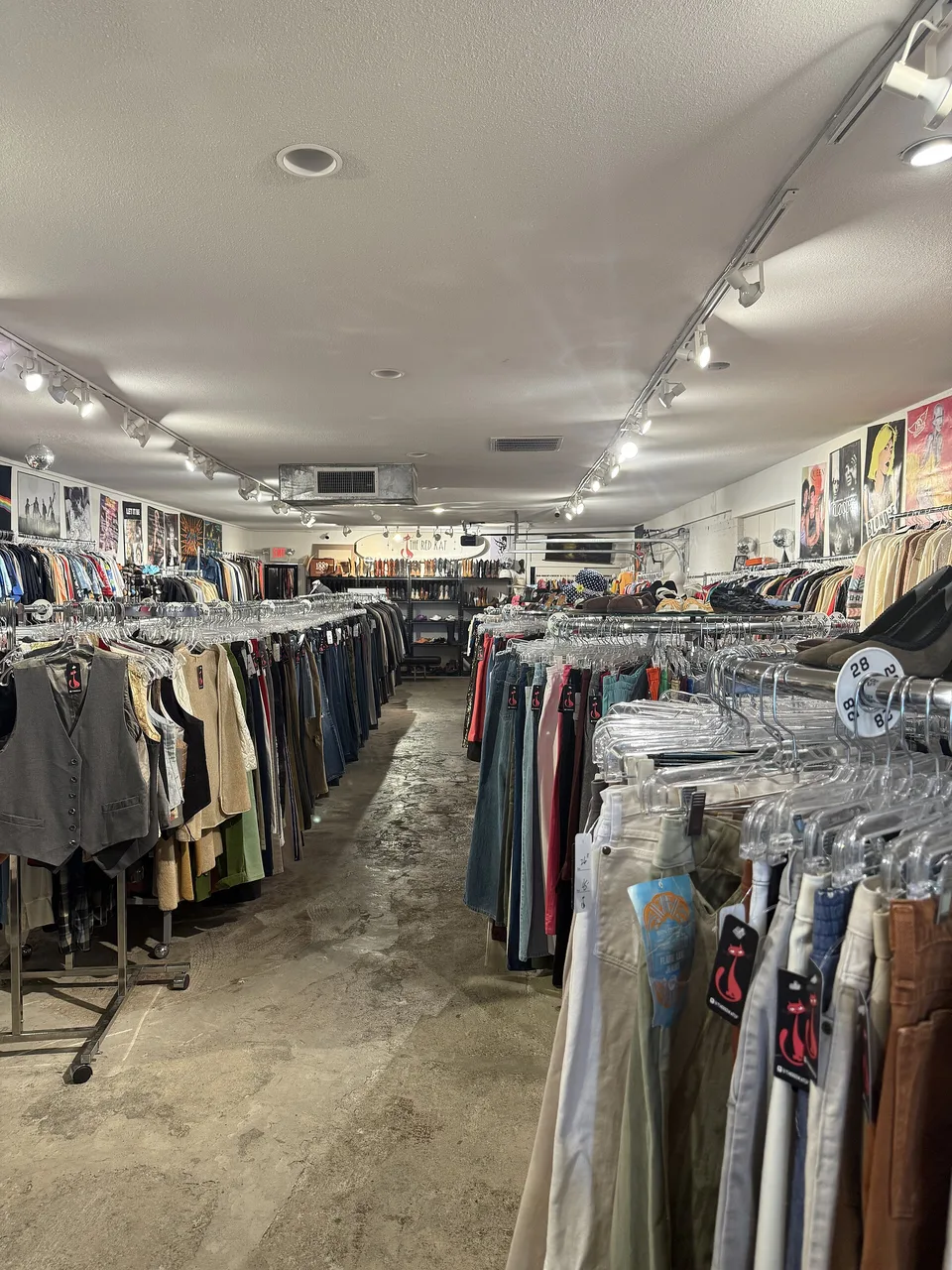
Around Main Street, the 18b Arts District offers a change of pace through galleries, vintage shopping and places to eat. The city’s downtown overview helps distinguish these areas from the Strip. You can combine browsing with a museum visit rather than arranging a succession of long resort walks. Symphony Park is another downtown reference point on the city shuttle route. For a longer stay, revisit the same streets during ordinary daytime hours; a pleasant evening outing does not by itself demonstrate that grocery shopping, parking or a commute will be convenient.
Choosing a Strip base
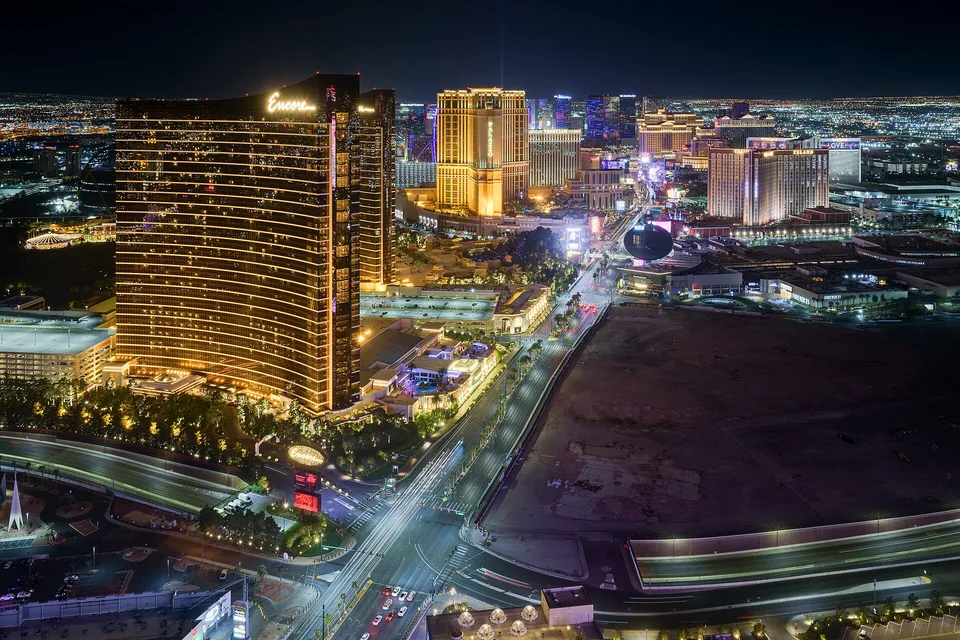
The resort corridor suits travellers who want major hotel experiences and performances close to their accommodation. The official Strip visitor directory connects hotels, restaurants and entertainment, but proximity on a map needs careful interpretation. A venue can be inside a large property, and the entrance you need may be far from the roadside name sign.
Choose a base near the main purpose of your trip: a particular performance, a convention or several neighbouring resorts. Check the route from your room’s tower to the street, transport station and venue entrance. If you expect several outings downtown, compare those extra journeys with a downtown base instead. Travellers who dislike casino environments should examine the actual hotel layout and amenities, rather than assume that every Las Vegas accommodation offers the same experience.
Museums that explain the spectacle
The Neon Museum’s current ticket information makes its collection of signs a useful introduction to the visual identity of Las Vegas. For 2026 visits, advertised daytime admission starts at $25 and evening admission at $35. A different admission product is advertised for dates from January 1, 2027; do not apply that future starting price to a 2026 visit. Select the date and experience before paying.
The Mob Museum, downtown at 300 Stewart Avenue, adds organised crime and law enforcement to the story. Its published hours are normally 9am–9pm, with listed holiday exceptions. Allow substantial reading time. Its visitor guidance warns about graphic material and suggests that some exhibits may better suit children aged 12 or older; under-14s need a parent or guardian. The Starlight Plaza is currently closed for the season. Check optional experience and bar age rules separately from general museum access.
Springs Preserve and an outdoor alternative
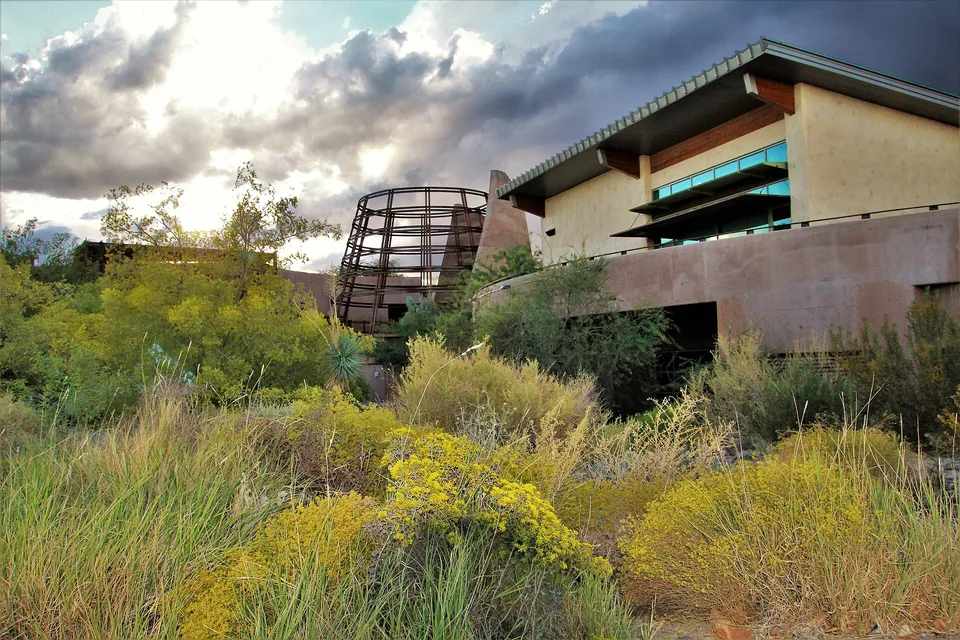
Springs Preserve connects desert landscapes with the practical subject of living in them. Its nonresident adult general admission is $18.95; Nevada resident prices are different. Normal opening is Thursday–Monday, 9am–4pm, with Tuesday and Wednesday closures. It operates without cash, and even children qualifying for free admission need a ticket. Extreme heat can cause outdoor facilities to close early. On October 22–25, 2026, closing is earlier at 3pm, and the train will not operate while the venue prepares for Haunted Harvest.
Plan a visit around the opening days rather than simply allocating the third morning of every itinerary to it. For families, check the activities actually operating on the date and leave time for shade and breaks. For prospective residents, the desert setting gives useful context to discussions about water, landscaping and summer routines. It complements the museums without requiring another evening centred on casino entertainment.
Free sights and a performance worth planning around
The Fountains of Bellagio are free to watch. Published weekday displays begin at 3pm, while weekend and holiday displays begin at noon; evening performances become more frequent. Read the current operator schedule before arranging dinner around a particular time. A public viewing does not require buying a premium room or restaurant package.
Inside the resort, the Conservatory’s seasonal calendar lists both displays and changeover closures. The 2026 harvest display runs September 19–November 7, followed by dark dates November 8–13. That distinction matters if this is a highlight of your visit. For a ticketed performance elsewhere, choose one you actually want to see, check the venue and admission conditions, and protect the preceding travel time. Leaving an evening uncommitted can be more enjoyable than trying to cross the valley between competing reservations.
The fountains may be cancelled because of weather, while the Conservatory advertises separate private events with membership requirements. Check those exceptions as well as the ordinary display calendar; a listed special event is not automatically an open public viewing.
Accommodation: compare the complete stay
Use the official hotel and casino directory to compare downtown, Strip and other locations, then confirm details with the property itself. Record the total for your dates, including mandatory charges, taxes, parking where relevant and the terms of any breakfast or credit. A promotional nightly figure is not enough to establish the cost of the stay.
Ask about the check-in age, deposit or card authorisation, cancellation deadline and room occupancy rules before committing. Families should check pool opening periods and which facilities children can use. Travellers seeking a quiet room should request information about nearby entertainment, not just a high floor. For an initial relocation visit, a kitchen and laundry access may be more useful than a view. Compare the temporary accommodation cost with the flexibility it buys while you inspect longer-term housing.
Age restrictions can affect a booking even when nobody plans to gamble. For example, Bellagio requires guests checking in to be at least 21, and its policy states that gambling and buying or consuming alcohol are restricted to those aged 21 or older. Check each property's rules directly, and distinguish hotel check-in, access to restaurants and admission to an adult entertainment venue. Travellers under 21 should resolve those questions before purchasing nonrefundable rooms or tickets.
Arriving through Harry Reid International Airport
Harry Reid Airport’s current public-bus instructions direct passengers to Terminal 1, Level Zero. From baggage claim, descend by lift or escalator, cross the pedestrian crossing and turn right towards the covered stop. Passengers arriving at Terminal 3 should first take the interterminal shuttle to Terminal 1; older descriptions of a direct Terminal 3 bus connection may mislead.
The listed routes are 108 Paradise and the Red Line, formerly 109 Maryland Parkway. Check the current route planner for your accommodation and luggage needs, including any transfer. Airport connector roadworks are scheduled through December 2026, so allow extra time for road journeys. A taxi or rideshare may simplify a late arrival, but confirm the designated pickup area, current quote and vehicle capacity. Do not plan the return flight around an optimistic traffic-free journey.
Visitor buses, Monorail and the downtown shuttle
RTC requires visitors to use Strip and All Access fares, which also cover residential routes. Current standard prices are $4 for a single ride, $6 for two hours, $8 for 24 hours and $20 for three days. Do not assume a cheaper resident product is valid for your holiday. Check purchase options before boarding, particularly for the three-day pass.
The Las Vegas Monorail is a separate ticketed system, with seven stations between SAHARA and MGM Grand. One ride costs $6.25 at full fare or $5.75 as an advertised online eTicket; the corresponding 24-hour prices are $15.50 and $13.95. Its route does not provide a direct airport or downtown connection. Downtown, the free city Loop shuttle operates Sunday–Thursday 11am–6pm and Friday–Saturday 3pm–10pm. Its Fremont pickup is temporarily relocated because of construction; consult the current stop information.
Walking, accessibility and driving
Plan pedestrian journeys with the actual crossings, entrances and weather in mind. Resort-scale distances can make a short-looking route surprisingly tiring. Build a cluster of nearby activities around each outing, and use transport for a separate district rather than extending every walk simply because the next hotel is visible.
The Monorail operator describes accessible lifts and level boarding; individual hotels and attractions still need their own access checks. Ask about the complete route, including room placement, accessible bathrooms, vehicle boarding and any equipment you use. A car is helpful for a valley-wide housing search or a desert excursion, but brings parking costs and responsibility for the return journey. Before collecting a rental, verify licence acceptance, insurance, deposits and restrictions with the company. Arrange an alternative whenever drinking or fatigue would make driving inappropriate.
Eating and shopping beyond a single resort
The official restaurant directory separates Strip, downtown and surrounding-area choices and links to individual businesses. Use it to identify suitable locations, then consult the restaurant’s own current menu and booking terms. A famous name does not establish either affordability or suitability for your dietary needs.
Spring Mountain Road’s Chinatown is another useful dining destination in the wider valley. The visitor authority’s current overview describes a multicultural corridor with Chinese, Japanese, Korean, Filipino and other dining options. Choose a specific restaurant and check how to reach it; the district should not be treated as one compact hotel food court. Downtown vintage shops offer a different browsing experience from resort retail. For purchases, compare the final price and return conditions, especially when luggage space or an international journey limits your options.
A budget with room for the real extras
Separate accommodation, transport, meals, booked entertainment and optional spending. Verified starting points include an $8 visitor bus day pass, $18.95 nonresident adult admission to Springs Preserve, and Neon Museum evening admission from $35 in 2026. Those three items total $61.95 before food, lodging, other tickets or any applicable extra charges; this is an illustration, not a promised daily budget.
Compare a bus or Monorail pass with the journeys you will actually make. Include airport transfers and parking, and check whether an attraction package duplicates something already booked. Set an entertainment allowance before entering a casino, without counting possible winnings as funding. Hotel and rental prices change with dates and terms, so this guide does not assign an unsupported typical room or monthly rent. A useful quotation identifies the dates, included items and cancellation conditions.
Seasons and the limits of desert sightseeing
Las Vegas has a desert climate, and heat should shape your itinerary rather than remain a packing note. Cooler periods generally suit longer outdoor outings; summer plans need shorter exposure, shade, water and dependable access to indoor spaces. Winter evenings require warmer clothing than the daytime sunshine might suggest.
The National Weather Service climate information provides historical context, while its local forecast and warnings should guide the actual visit. Historical normals do not guarantee conditions on your dates. Check alerts before hiking, driving into surrounding terrain or attending outdoor events. If the forecast makes an excursion unsuitable, substitute a museum and keep the outdoor day for another trip. For a possible move, inspect the home and commute under the season’s conditions and ask how cooling costs and maintenance responsibilities are handled.
A realistic three-day visit
Day one: settle into your accommodation and keep the first outing in its surrounding district. From a Strip base, combine a manageable resort walk with Bellagio’s fountains and the Conservatory when its calendar allows. Add one booked performance rather than several distant reservations. From a downtown base, use Fremont as the evening focus and save the Strip for a separate day.
Day two: devote the morning to the Mob Museum, then explore downtown and the Arts District. Use the Loop only within its operating hours. Book the Neon Museum for the selected experience and leave a meal break before the evening visit.
Day three: visit Springs Preserve if the day is Thursday–Monday, or arrange Red Rock Canyon when reservations and weather permit. On Tuesday or Wednesday, move the Preserve to another day. Keep departure-day activities light enough to accommodate luggage collection and an airport journey with a sensible buffer.
Moving here: inspect a normal working week
Start with the work or study location, hours and transport requirements. An evening hospitality shift and an ordinary daytime office schedule may produce very different travel choices. Test the journey at the times you will use it, including weekends, rather than using a sightseeing trip as your only evidence.
Shortlist housing around the complete routine: groceries, healthcare, school journeys, laundry, parking and somewhere to walk outside when conditions allow. Revisit a candidate street after dark and during daytime activity without drawing blanket conclusions about a whole district. Ask the employer about staff parking or transport arrangements, but obtain the details before treating them as a household saving. VisaWand’s USA country guide provides broader relocation context. A Las Vegas job opportunity still requires its own assessment of pay, benefits and lawful work eligibility.
Housing, deposits and cooling costs
Inspect the actual unit and confirm who manages it before paying. Check air-conditioning condition, repair reporting, window shading, laundry arrangements, internet availability, parking and any additional building charges. Request a written breakdown of rent, deposits and recurring fees. Furnished temporary accommodation and an annual lease answer different needs, so compare their obligations as well as their headline prices.
The Civil Law Self-Help Center’s Nevada deposit guidance states that a security deposit cannot exceed three months’ rent. It describes a 30-day period after the tenancy ends for returning the balance or providing an itemised accounting, with lawful deductions including unpaid rent and damage beyond normal wear. Keep the lease, receipts and dated condition photographs. Seek qualified assistance for a dispute rather than assume that every deduction is invalid. Confirm maintenance duties and notice procedures before signing, particularly where reliable cooling is essential.
Utilities, schools and household administration
Check each utility supplier for the exact address and establish which accounts the lease makes your responsibility. NV Energy’s account services provide a starting point for electricity arrangements. The Las Vegas Valley Water District’s service instructions list a $10 turn-on fee and explain that a deposit may be required; international applicants may provide an unexpired passport number. Do not assume the same supplier serves every valley address.
For a home with landscaping responsibilities, use SNWA’s address-based watering information and current seasonal restrictions. Families should check CCSD school zoning before choosing housing and follow its enrolment document guidance for address evidence, identification and immunisation records. Arrange healthcare coverage and confirm suitable providers before a move. The Nevada DMV new-resident resources explain licence and registration requirements, with immigration-status and temporary-resident distinctions. Gather the required documents before booking an appointment.
For health insurance, Nevada Health Link explains special enrolment after qualifying life changes, including certain moves. Eligibility and supporting documents still matter, and a holiday does not qualify as a relocation. Compare the coverage start date with any employer plan so that the move does not leave an unexpected gap. Confirm that your chosen doctors and prescriptions are covered.
Immigration: visiting is not permission to work
Tourism, employment, study and permanent relocation follow different federal rules. Read the State Department visitor-visa guidance for permitted purposes and the official application process. Eligible Visa Waiver Program travellers must follow its ESTA and programme requirements; eligibility depends on more than simply holding a passport from a participating country. Neither a visa nor an authorisation guarantees admission or an unlimited stay.
For employment, consult the temporary-worker visa categories and the requirements of the relevant route. For a course of study, use the student-visa instructions and the institution’s international-student office. Longer-term plans belong under the official permanent immigration resources. Buying property or arranging a lease does not itself confer immigration status. VisaWand’s consultant listings can help you identify professional assistance; check qualifications and scope, and keep official instructions as the reference for your own application.
Nearby alternatives and the next comparison
Red Rock Canyon National Conservation Area offers a distinct desert excursion west of the resort corridor. The Bureau of Land Management’s visitor information describes a 13-mile scenic drive. Vehicle entry between 8am and 5pm requires a timed reservation from October 1 through May 31. The current fee page lists $20 per car; check the booking total and reservation requirements rather than assuming that an entry pass replaces a time slot.
Henderson and North Las Vegas deserve separate housing comparisons when their locations fit your daily needs. For a different urban holiday or relocation shortlist, consult VisaWand’s completed Phoenix guide and Los Angeles guide, recognising that each brings its own climate and transport choices. The USA location directory offers further places to investigate, while the USA destination page provides country-level context. Choose the next comparison around the decision you still need to resolve.
Official planning resources
Reviewed 14 October 2026. Use the official resources linked throughout this guide for admission, transport, housing and immigration decisions. Prices, services and rules can change; confirm the details relevant to your dates. Photography illustrates the locations and is not a live view.
View all official resources
- Clark County incorporated and unincorporated service areas
- City of Las Vegas official address and jurisdiction checker
- City historical introduction and timeline
- Las Vegas founding and incorporation timeline
- City overview of downtown and the Strip
- Official Strip visitor directory
- Neon Museum current experiences and admission dates
- Mob Museum hours, early closures and address
- Mob Museum age, ticket and experience rules
- Springs Preserve admission, opening days and visitor rules
- Bellagio fountain schedule and weather restrictions
- Bellagio Conservatory display and changeover calendar
- Official Las Vegas accommodation directory
- Bellagio check-in and under-21 policy
- Harry Reid Airport bus routes and terminal boarding instructions
- RTC visitor Strip and All Access fares and purchase options
- Las Vegas Monorail fares and pass activation
- Free Downtown Loop shuttle hours and current stops
- Monorail route, accessibility and visitor questions
- Official restaurant directory by area
- Visitor authority Spring Mountain Road dining overview
- National Weather Service Las Vegas climate normals
- National Weather Service local forecast and warnings
- Civil Law Self-Help Center Nevada security-deposit guidance
- NV Energy household account and service resources
- Water District account and start-service instructions
- Southern Nevada address-based watering days and provider lookup
- Clark County School District zoning resources
- CCSD enrolment and required documents
- Nevada DMV new-resident licence and registration resources
- Nevada Health Link special enrolment eligibility and life changes
- Official US visitor visa purposes and applications
- Official Visa Waiver Program and ESTA requirements
- Official US temporary worker visa categories
- Official US student visa requirements
- Official US permanent immigration resources
- BLM Red Rock Canyon visitor information and timed entry
- Red Rock Canyon current entry fees and reservation link
Plan the next part of your journey
Explore the United States guide, browse other cities or compare consultants for your travel and relocation questions.