Visa
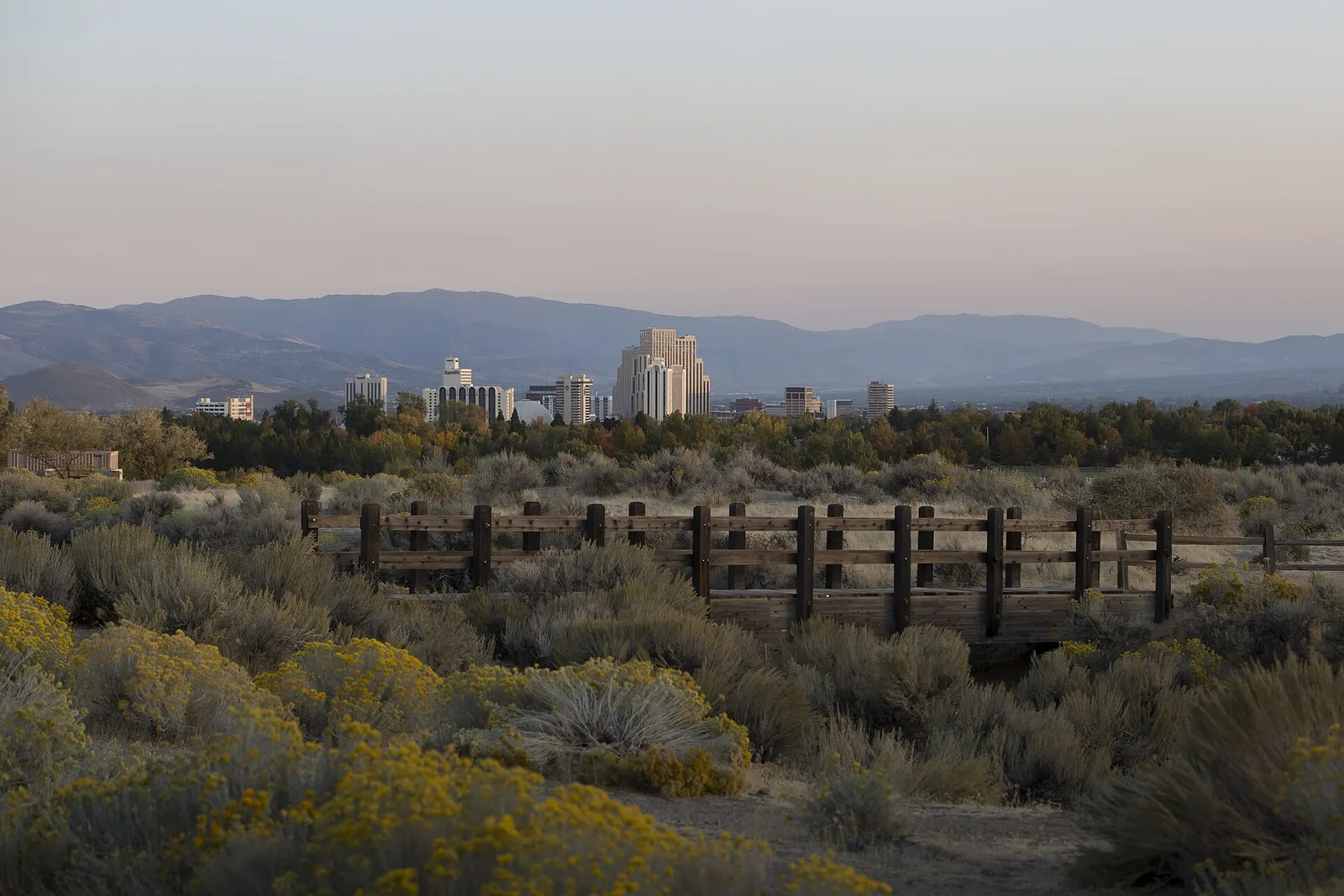
Reno beyond the casino skyline
Reno’s strongest introduction is a walk beside the Truckee River. Water passes through a downtown of hotel towers, public art and older commercial streets, while mountains frame the wider city. South of the centre, MidTown offers a different rhythm: independent businesses, murals and places to eat that make an evening feel less like a resort itinerary.
This is Reno, Nevada, in Washoe County. Sparks is a neighbouring city; Lake Tahoe is a separate mountain destination spanning Nevada and California. Those distinctions matter when comparing accommodation, commuting or a proposed day trip. A hotel marketed as a Reno Tahoe base does not put the lake outside your door.
Choose Reno for a city break with museums, riverfront walks and optional regional excursions. For relocation, judge it through your actual workplace, household costs and transport needs. VisaWand’s United States country guide provides the national context before you make local commitments.
A railway town with a changing identity
The city’s historic markers trace Reno’s development around the Truckee River crossing, trade associated with the Comstock mining district and the railway. Reno was established in 1868, when the railroad reached the town. That date should not be confused with completion of the entire transcontinental railroad the following year.
The city subsequently became associated with divorce proceedings and, after Nevada legalised gambling in 1931, casinos. Virginia Street became a commercial corridor, and the familiar Reno Arch turned the city’s nickname into a streetscape landmark.
That history explains the skyline without exhausting the city’s character. The river, university presence, museums and small businesses offer reasons to spend time outside casino interiors. A useful first visit combines these layers rather than assuming the resort floor represents everyday Reno.
Downtown, the riverfront and MidTown
Downtown suits visitors who want to combine the arch, riverfront and museums without planning a drive between every stop. Check the precise hotel entrance and walking route: a central address can still involve busy crossings, parking structures or a room facing late-night activity.
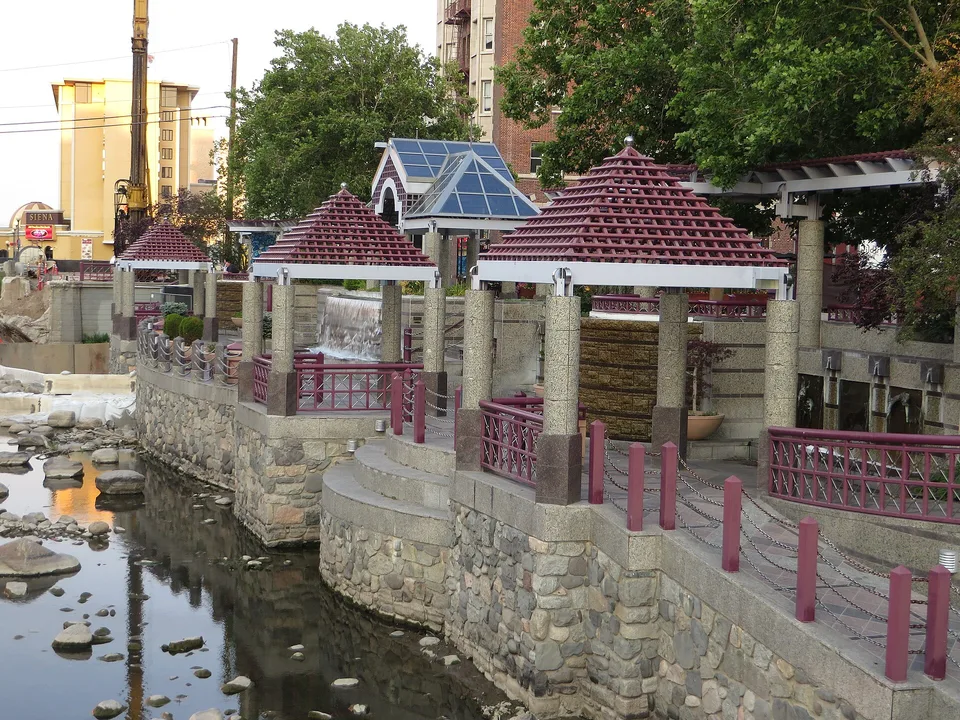
The Riverwalk District follows the Truckee River through the centre. It is a practical place to orient yourself, stop for coffee and connect sightseeing with a meal. Public spaces and riverside businesses create a more relaxed alternative to spending an entire afternoon indoors.
MidTown visitor information describes the district south of downtown, with murals, historic buildings and independently owned businesses. Its boundaries are not universally agreed. Evaluate individual streets and addresses instead of assuming every listing carrying the MidTown label has the same setting. For a longer stay, walk the route between your prospective accommodation, shops and transport stops.
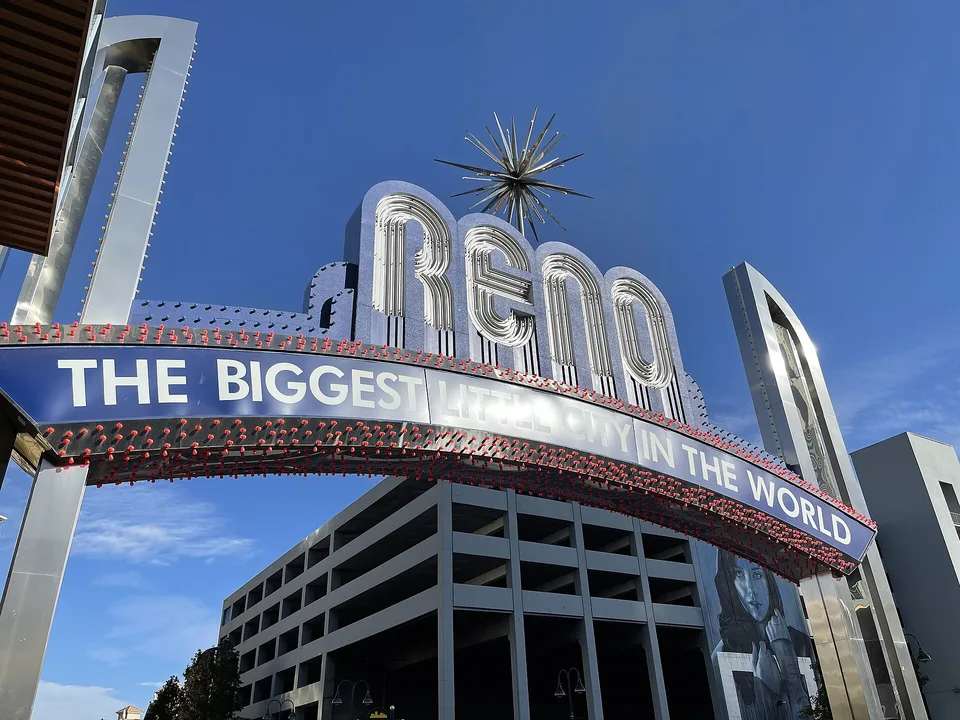
Riverwalks and seasonal park access
Start with the riverfront, then choose a walk that matches the weather and your mobility. The scenery rewards unhurried exploration; you do not need to turn it into a strenuous outdoor expedition to understand the city.
Wingfield Park requires a seasonal distinction. The city’s park rules and seasonal-access guidance says its amphitheatre and surrounding lawn close from November until approximately mid-May for turf recovery. This does not mean the entire downtown riverfront is closed. Follow barriers around resting lawns and any separate event or construction restrictions.
Idlewild offers another park option, but its miniature train is seasonal: the current parks page reports it closed for the season. Do not build an autumn family itinerary around a summer attraction. Park toilets can also have seasonal hours. Keep dogs leashed except where an authorised off-leash area is designated, and leave glass bottles behind.
Nevada Museum of Art
The Nevada Museum of Art at 160 West Liberty Street is a strong choice for a quieter part of the day. Plan around its exhibitions rather than expecting the same display on every visit. Its location also makes it straightforward to pair with time south of downtown.
Current general admission is $15. Ordinary senior and student admission is $13; children aged 6–14 pay $3, and children five and younger enter free. Certain Nevada school and college students receive free admission with qualifying identification. Check the current admission page for the applicable category: an older FAQ uses a different child age band.
Regular opening is Tuesday–Sunday, with later Thursday hours; Mondays are closed. Public areas are wheelchair accessible, and courtesy wheelchairs are available subject to availability. Museum café hours differ from gallery hours. Nearby parking includes different arrangements, so do not assume every space is complimentary.
Historic cars without a rushed visit
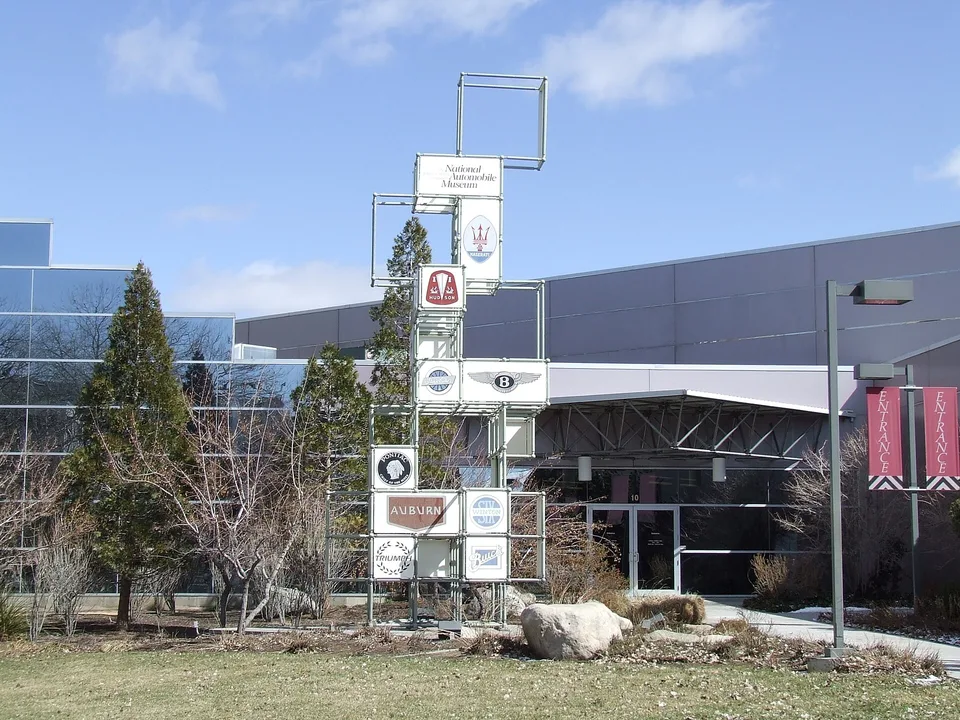
The National Automobile Museum at 1 Museum Drive presents historic vehicles in a setting designed to make their periods understandable. It is a useful indoor choice when heat, cold or poor outdoor conditions change your plans. Allow enough time to look beyond the most immediately recognisable cars.
General admission is currently $16. Visitors aged 65 and above pay $15, ages 6–17 pay $13, and children five and younger pay $3. Unlike some museums, its youngest visitor category is not free. Parking is complimentary.
Weekday hours are 9am–5pm; weekends run 10am–4pm. The advertised afternoon guided tour depends on volunteer availability, so confirm rather than treating it as guaranteed. Personal handheld photography is permitted, while commercial photography and additional equipment have separate requirements. Service animals are accommodated; ordinary pets are not admitted.
Science for a family afternoon
The Discovery at 490 South Center Street offers hands-on science rather than a conventional collection of objects to view from a distance. It can give a family itinerary a substantial indoor activity without making casino entertainment the default choice for children.
Current adult admission is $17.95. Youth aged 6–17 and seniors aged 65 and above pay $15.95; children aged 1–5 pay $13.95, while babies under one enter free. Eligible UNR and TMCC students receive free admission with valid student identification.
The museum normally closes on Mondays, with exceptions for specified holidays, school breaks and its summer schedule. Wednesday has extended evening hours. Check its calendar for your actual date, particularly around school holidays. Budget using your children’s ages rather than assuming one generic family ticket or free admission for all preschoolers.
Choosing accommodation by the trip you want
Start with the reason for your stay. Downtown accommodation can make a short museum-and-riverfront visit manageable with fewer vehicle journeys. Casino resorts offer dining and entertainment within a large property, but compare their final checkout price, room location and access arrangements before deciding that a low advertised rate represents good value.
A quieter hotel or an extended-stay property may suit working visitors, families managing meals or people inspecting potential homes. Confirm kitchen equipment, laundry, parking, accessibility and cancellation terms directly. A kitchenette description does not necessarily mean a full oven or enough utensils for a household.
If Tahoe is the main purpose, compare a lake-area base with Reno before booking. Reno can work well for a mixed city-and-region trip, but travelling to the lake repeatedly adds driving and weather exposure. During relocation research, flexible accommodation is especially useful until you have checked a neighbourhood in person.
Arriving at Reno-Tahoe International Airport
Reno-Tahoe International Airport, RNO, is the relevant commercial airport. Reno-Stead is a different airport; check the code and address before arranging a pickup. The airport’s ground-transportation page lists taxis, rideshares, rental vehicles, hotel shuttles and regional transport options.
Airport pickup arrangements currently use the ground-transportation loop outside baggage claim Door D. Some hotels offer airport shuttles, but availability and operating hours need confirmation with the individual property. Do not infer a free transfer from a hotel’s proximity to the airport.
The airport construction notices describe reduced road lanes, adjusted pedestrian routes and changes affecting parking access. Follow signed walkways and allow extra time. Facilities described as part of the airport’s future expansion are not necessarily operating today. For a Tahoe transfer, reserve with the relevant operator and check the destination served, luggage allowance and return timetable.
The airport bus and current construction diversions
RTC Route 12 connects downtown Reno and the Meadowood Mall area, with an airport-area stop away from the terminal curb. Walking with luggage is therefore part of the bus option; it should not be described as a bus waiting immediately outside baggage claim.
There is an additional current complication. The Route 12 construction alert, dated October 6, 2026, lists temporary closures at Terminal Way and Villanova Drive and other nearby stops. Outbound replacement guidance identifies a temporary stop south of the usual stop near the SureStay driveway; inbound guidance identifies a temporary stop north of Plumb Lane.
Read that alert and the operator’s map immediately before travelling. Temporary stops can change as works progress. If the walking route, weather or luggage makes the transfer impractical, compare another airport option rather than relying on the airport’s more general description of the usual bus stop.
Local transport and the cost of getting around
RTC Washoe’s current fare page lists a $2 regular single ride, $3 day pass, $14.50 seven-day pass and $65 rolling 31-day pass. Cash payment requires exact change. Mobile tickets use Token Transit; check activation and scanning instructions before boarding.
Reduced fares depend on eligibility and identification. Children five and younger ride free with an adult, and qualifying students and staff at specified local institutions have separate benefits. Do not assume every visitor with a student card qualifies.
Walking works for selected central outings. For a home or workplace elsewhere, test the full journey, including transfers, the last return service and weekend hours. Holiday schedules differ across services. A cheap monthly pass is useful only if the routes fit your day. If hiring a car, add parking, fuel and insurance arrangements to the comparison instead of judging transport solely by the rental rate.
Eating and shopping along your route
The riverfront and MidTown offer convenient ways to put meals into a sightseeing day. Browse current menus before choosing: a patio address tells you about the setting, not whether the price or dietary options suit your group.
Hub Coffee Roasters’ Riverside location is at 727 Riverside Drive beside the Truckee River. Its operator currently lists daily daytime hours. The company’s roastery is closed to the public, so use the café address rather than turning up at the production site.
Wild River Grille at 17 South Virginia Street lists a riverside patio and menus spanning salads, pasta, seafood and steaks. Compare the current menu and reservation options before choosing it for a riverside lunch or dinner. MidTown’s independent shops can fit naturally around a meal or mural walk. For household shopping, check the actual supermarket, pharmacy and everyday services near your proposed home.
A budget built from real choices
Two regular RTC day passes and two adult admissions to the automobile museum currently total $38. That is a useful starting calculation for a couple’s outing, not a complete daily budget: food, accommodation, any additional transport and other spending remain separate.
Museum choices change family costs substantially. A young child may enter the art museum free, pay $3 at the automobile museum, and pay a different age-based admission at The Discovery. Make the calculation for the people travelling instead of applying an average attraction allowance.
Compare hotel totals after mandatory charges and parking are disclosed. Set a separate entertainment allowance if gambling is part of your visit; possible winnings cannot support a travel budget. For a move, distinguish one-off deposits and furnishing costs from monthly rent, utilities, insurance and commuting. A short holiday’s spending pattern is a poor proxy for ordinary household costs.
Weather: city conditions and mountain conditions
Reno’s seasonal contrast is substantial. NOAA’s 1991–2020 Reno airport normals put January’s normal daily high around 48°F, or 9°C, and its low around 26°F, or −3°C. The summer normals put July near 94°F, or 34°C, by day and 60°F, or 16°C, overnight.
These are airport observations and long-term averages, not a promise for your travel dates or temperatures at Tahoe’s higher elevations. Pack for changing conditions and check the forecast before outdoor plans. In summer, schedule exposed walking for a more comfortable part of the day; in winter, allow for freezing conditions.
Before a mountain excursion, consult Nevada 511 road conditions for closures and restrictions. A clear morning in Reno does not establish that the route or destination has the same conditions. Leave space in the itinerary for an indoor alternative.
When to visit and how long to stay
A two- or three-night city visit can combine riverfront time, two museums and an evening in MidTown. Choose dates around what you actually want to do, then compare accommodation before committing. A large event can change the availability and atmosphere of a stay even if you do not plan to attend it.
Warm-weather visits offer more scope for outdoor dining and longer park outings, while summer heat makes timing important. Cooler seasons suit museum-focused days, but check lawn closures, seasonal attractions and mountain travel conditions.
For relocation research, extend the stay enough to experience an ordinary weekday. A weekend spent between a hotel and attractions will not show the commute, school routine or evening grocery journey. If possible, inspect housing at different times and make at least one journey using the transport you expect to depend on.
A realistic three-day itinerary
On day one, settle into your accommodation, walk the downtown riverfront and see the arch. Keep the afternoon flexible around arrival time, then choose dinner from current riverfront or MidTown menus. Avoid booking a distant excursion immediately after a flight.
On day two, choose the automobile museum in the morning and the art museum later, allowing a proper break between them. Families may prefer The Discovery in place of one museum. Check opening days before fixing the order. The riverfront gives you a simple outdoor interval without adding another admission charge.
Use day three for a regional outing only if transport and conditions are suitable. Otherwise, explore another city park and more of MidTown. A relocation visitor could replace this day with a home inspection, a trial commute and household errands. Keeping one day adaptable makes the plan work beyond ideal weather.
Housing: inspect the address, then the lease
Choose housing around a verified workplace or study location. Visit the property, test the commute and inspect heating, cooling, windows, laundry, parking and storage. Ask about maintenance reporting and responsibilities for outdoor areas before committing.
Request a written breakdown of rent, recurring fees, utility billing and move-in charges. Clarify which bills are included and which accounts you must arrange. Obtain the proposed lease and condition record; photograph existing wear and keep a copy of the agreed inventory.
The city’s housing resources link to affordable housing and rental assistance information. These are eligibility-based resources, not a guarantee of an available home for a newcomer. Market rents vary by property and date; use actual listings and written quotations instead of treating an unsupported citywide average as your budget. Avoid paying for a property whose ownership and access you have not checked.
Deposits and household services
For residential tenancies covered by Nevada’s landlord–tenant law, security and surety combined, including last month’s rent, generally cannot exceed three months’ periodic rent. That is not a simple cap on every move-in payment. The law provides for an itemised accounting and return of the remaining deposit within 30 days after termination, subject to permitted deductions.
Before moving, establish responsibility for water, electricity, any gas supply, waste collection and internet in the lease. Truckee Meadows Water Authority provides moving-service instructions; account holders should also arrange termination at the old address. Charges do not automatically stop because you leave.
NV Energy’s moving tools cover starting, stopping and transferring service. Confirm the requested start date, access arrangements and any applicable charges directly. Ask about heating type and actual bills where available. A furnished property may still require separate household accounts and everyday supplies.
Schools, healthcare and everyday administration
Families should check the district’s school-zoning tools for the proposed address before signing a lease. School transport is a separate question. Washoe County School District enrolment guidance requires online registration followed by supporting documents, including birth, immunisation and address evidence, for school review.
Arrange healthcare coverage and identify an in-network provider before relying on routine treatment. Nevada Health Link’s moving guidance explains that a qualifying move may create a special enrolment opportunity; eligibility and documentation matter. Visitors should assess travel medical insurance separately from resident coverage.
The county library’s card policy requires identification and address evidence, with different eligibility categories for residents and certain other applicants. Some electronic resources have additional residency limits. These practical arrangements help establish a household, but library access, a lease and school paperwork do not themselves confer immigration permission.
Visiting, studying, working and settling are different routes
Reno does not have a separate city visa. The State Department’s visitor-visa guidance distinguishes temporary tourism and permitted business activities from employment, degree study and permanent residence. A scouting visit is not permission to begin working.
Eligible Visa Waiver Program travellers should consult official Visa Waiver Program requirements and use the official ESTA application. Eligible visits are limited to tourism or permitted business for stays of 90 days or less. Check eligibility for your passport and circumstances. Travel authorisation and a visa do not guarantee admission.
For study, follow the student-visa process, including admission to an approved institution and the required documentation. A college offer does not create unrestricted work rights. Employment requires the appropriate route described in temporary-worker visa guidance; a local job offer alone is insufficient. Permanent relocation involves a qualifying immigrant route. VisaWand’s consultant listings can help you find advice to assess, while official authorities remain the source for application requirements and decisions.
Nearby alternatives worth comparing
Sparks belongs in a comparison of the urban area, but remains a separate city. Use the Sparks location page to orient your search rather than assuming every Reno-area address lies within Reno. Carson City’s location page offers another Nevada reference point for a different base.
For a mountain-focused stay, compare Truckee and South Lake Tahoe, both in California. Their VisaWand pages are location directories, not completed guides. Costs, weather exposure and access needs differ from a downtown Reno stay.
Sand Harbor is a separate Nevada state-park outing. Its visitor-access rules and official reservation information need checking before departure: summer morning vehicle entry uses reservations, capacity matters, and Highway 28 is not a permitted pedestrian approach. Official pages currently differ on the season’s start date, so verify your date in the booking system. Browse VisaWand’s USA location directory and USA destination page when comparing the wider trip.
Official planning resources
Reviewed 13 October 2026. Use the official resources linked throughout this guide for admission, transport, housing and immigration decisions. Prices, services and rules can change; confirm the details relevant to your dates. Photography illustrates the locations and is not a live view.
View all official resources
- Reno historic markers and railway founding
- Reno Tahoe MidTown visitor information
- Reno park seasonal access and rules
- Reno parks and Idlewild train
- Nevada Museum of Art current visit planning
- National Automobile Museum visitor planning
- The Discovery hours and admission
- Reno Tahoe airport ground transportation
- Reno Tahoe airport construction access
- RTC Route12 current map, timetable and alerts
- RTC Washoe current fares and passes
- Hub Coffee Roasters locations
- Wild River Grille menus
- NOAA Reno airport winter normals
- NOAA Reno airport summer normals
- Nevada511 road conditions
- Reno housing resources
- Nevada residential deposit law
- Truckee Meadows Water Authority moving service
- NV Energy moving tools
- WCSD school zoning and transport
- Washoe County School District new enrolment
- Nevada Health Link reporting a move
- Washoe County library borrowing policy
- U.S. visitor visas
- Official Visa Waiver Program requirements
- Official ESTA application
- U.S. student visas
- U.S. temporary worker visas
- U.S. immigration routes
- Sand Harbor current visitor reservation FAQ
- Nevada State Parks official reservation system
Plan the next part of your journey
Explore the United States guide, browse other cities or compare consultants for your travel and relocation questions.