Visa

Phoenix rewards a plan that respects the desert
Phoenix offers a distinctive combination of desert landscapes, substantial museums, contemporary art and food shaped by its region. A visit can move from a gallery to cactus-lined paths or a red-rock viewpoint, but the weather decides how comfortably those activities fit together. Start with the season and your priorities, then choose an accommodation address that connects the places you actually want to visit.
The city is part of a larger metropolitan area whose destinations are frequently marketed together. A resort described as being in Greater Phoenix can be in another municipality, with different journeys to downtown, museums and the airport. Save exact addresses before comparing room prices or building an itinerary. A regional label is useful for inspiration; it is insufficient for calculating your daily travel.
Allow several days for a first visit, with a mixture of indoor and outdoor experiences. If you are considering moving here, use that visit to test weekday journeys and inspect homes as well. VisaWand’s United States country guide provides national context. This article concentrates on the choices that make a Phoenix stay or household work.
Canal history and a modern city belong in the same story
The city’s official history dates Phoenix’s incorporation to February 25, 1881. That municipal milestone is only one layer of the place’s history. Understanding the city also means looking at the older relationships between people, water and the Sonoran Desert, rather than beginning the story with modern development or treating the landscape as empty before it.
The S’edav Va’aki Museum’s exhibits provide a concrete starting point. The archaeological site includes a platform mound, ballcourt and irrigation canals, alongside indoor interpretation. Its accessible interpretive trails explore the village site and the importance of water. Review the current opening calendar and outdoor conditions before visiting; an accessible path can still involve exposure to desert weather.
The museum was formerly called Pueblo Grande, a name you may encounter in older maps and guides. Use its current official name and instructions when planning a visit. Pair this historical perspective with contemporary Phoenix rather than treating it as an isolated excursion into the past. Water, settlement and the choices involved in living in this environment remain useful themes for both visitors and prospective residents.
Choose an area around your actual programme
Use Visit Phoenix’s neighbourhood guide to orient yourself among areas such as downtown, Melrose, Arcadia, Biltmore and Desert Ridge. These names suggest different starting points for a trip, but their appeal depends on what you plan to do. A hotel near a downtown event and a room convenient to north Phoenix museums can support quite different days.
The official downtown overview identifies Roosevelt Row and Grand Avenue as part of the area’s cultural and historic mix. Give a downtown visit time for galleries, a meal and the streets between scheduled activities. Check actual venue opening hours before making an art walk the centrepiece of a day; an interesting district does not mean every gallery opens at the same time.
For accommodation or housing, compare the door-to-door journeys from each address. Include the walk from transit, parking arrangements and the hours at which you will return. A neighbourhood’s name cannot establish whether a particular room or home meets your accessibility, noise or household needs. Test the parts of the routine that matter most instead of relying on a broad reputation.
Heard Museum: begin with the artists’ perspectives
The Heard Museum’s mission and history emphasises American Indian artists’ voices and both traditional and contemporary work. Its collections and exhibitions deserve time for their individual stories. Read the interpretation and identify the artists and communities represented, rather than treating different Indigenous traditions as one interchangeable category or assuming that the museum concerns only the distant past.
Use the Heard’s current ticket and visitor information when booking. At the October review, the seasonal schedule lists daily opening, 10am–4pm, from September through May; summer opening differs. Holiday closures also apply. General tickets include the galleries and exhibitions, but special-event arrangements should be checked independently. Choose your visit date before relying on an older admission price or calendar.
The museum is at 2301 North Central Avenue. A central-city day can combine it with another compatible stop, but leave room to look closely rather than moving immediately between museums. If you plan to buy art or a souvenir, ask about the maker and the work. Accurate attribution is part of appreciating the object, not simply an extra detail on the receipt.
Art and music: two museums with different journeys
Phoenix Art Museum’s access programmes can influence your schedule. Its current Wednesday pay-what-you-wish period runs from 3pm to 8pm, with free general admission and voluntary donations; special exhibitions can require a separate paid ticket. First Friday has its own evening arrangements. Check the selected programme rather than assuming a free general-admission period covers every exhibition or event.
The regular museum schedule closes Monday and Tuesday, so arrange an art-focused day around the calendar. Decide which collection or exhibition interests you most and leave time for it. A short, focused visit can be more satisfying than using several hours to skim every gallery because another appointment leaves no flexibility.
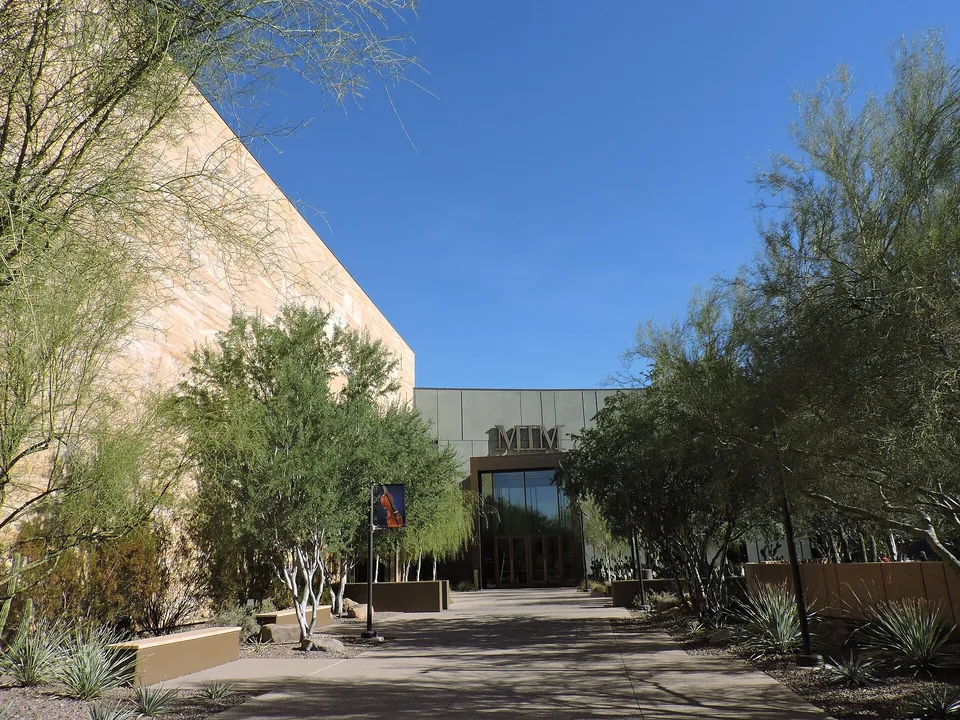
The Musical Instrument Museum is in north Phoenix at 4725 East Mayo Boulevard, requiring a separate journey from the central museums. Current general admission is $24 and does not include the special exhibition. The usual hours are 9am–5pm, with holiday exceptions, and parking is free. Give it a substantial block of time and review any concert ticket independently; a performance and museum admission are different plans.
Desert Botanical Garden: understand what the ticket includes
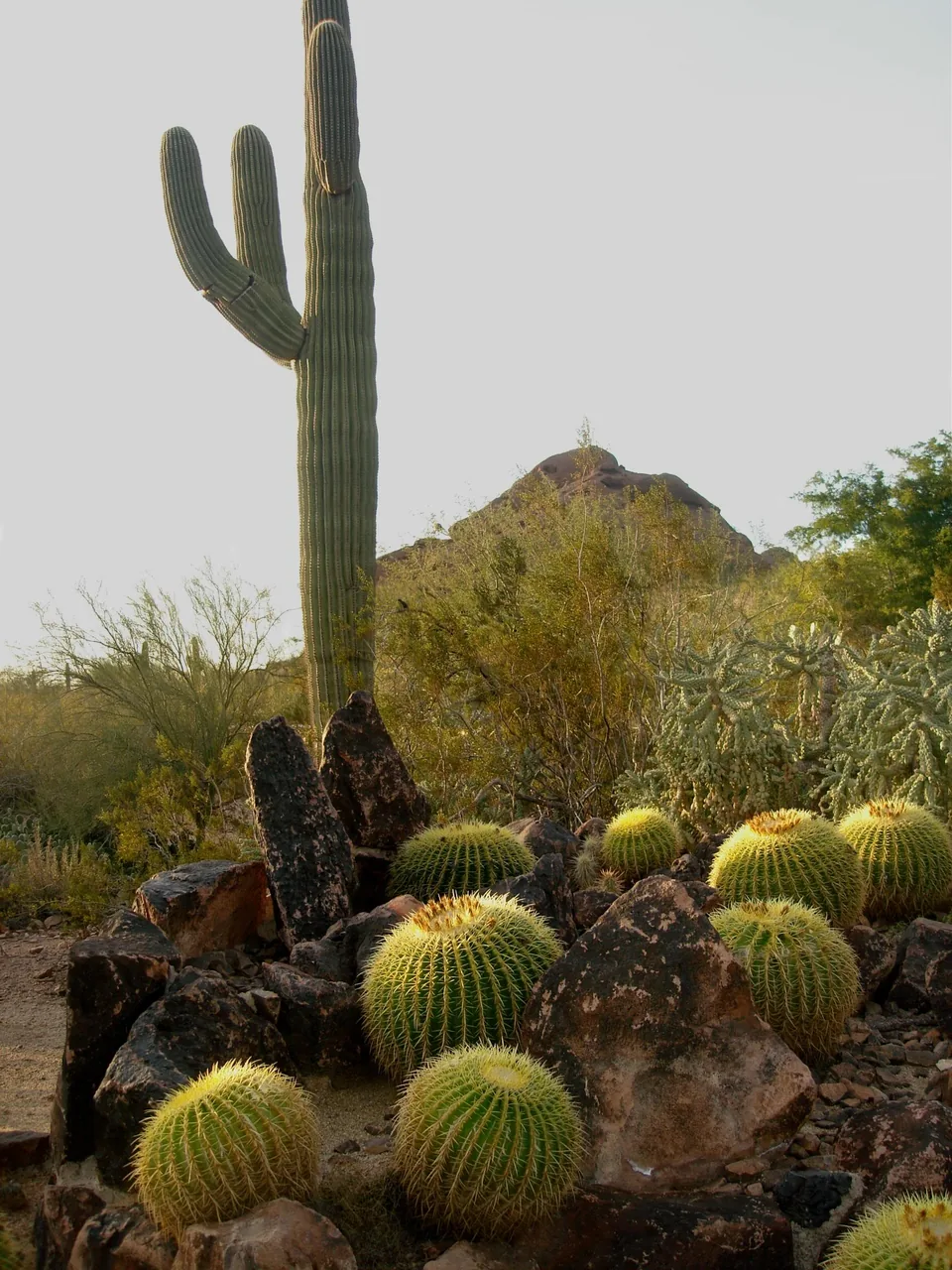
Desert Botanical Garden offers a considered introduction to desert planting, with paths that let you look at forms, textures and adaptations rather than treating cactus as a backdrop for photographs. Choose a time that suits the season and your tolerance for outdoor conditions. A garden visit still requires attention to sun and heat, even when its paths are easier than a mountain trail.
Current general-admission prices start at $32.95 for adults and $14.95 for children aged two to seventeen. Special ticketed events, exhibitions and classes are excluded from ordinary admission. The second Tuesday Community Day now uses pay-what-you-can admission, so older claims that it is simply a free day need updating. Check the booking page for the date and experience you want.
The operator describes the garden as wheelchair accessible and most trails as stroller-friendly. Those facilities help planning, but individual requirements still deserve a direct check. Allow time to rest, carry water and read the garden’s current entry rules. Decide whether an evening event is the main purpose of your visit before adding a second outdoor attraction to the same day.
Papago Park: short trails still need a weather check
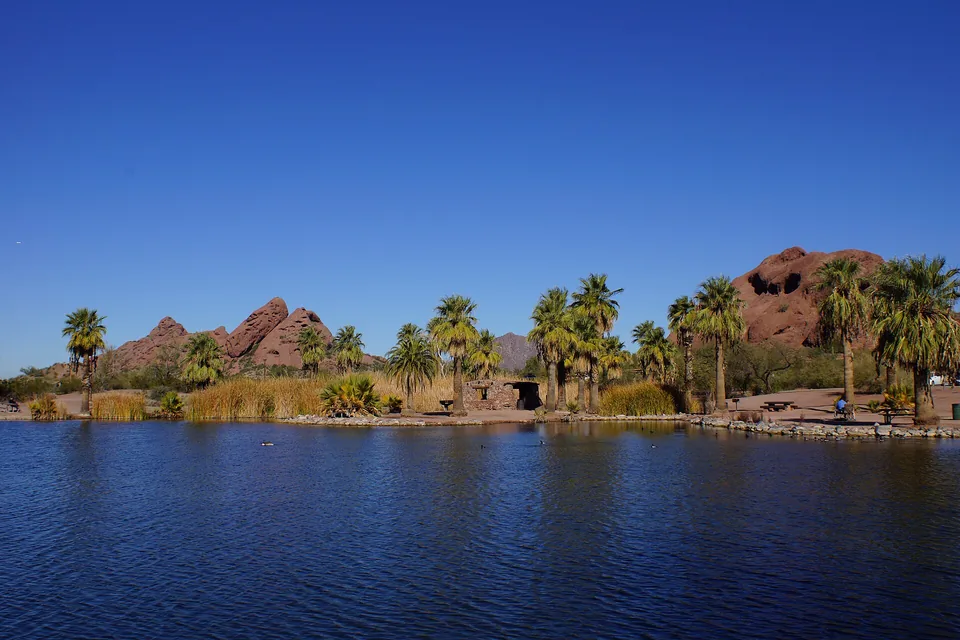
The red formations and lagoon scenery of Papago Park make a useful outdoor option. The city describes Hole-in-the-Rock as a short natural dirt-and-step trail, with a distance of 0.2 miles and an easy classification. That classification concerns the route; it is not a guarantee that the walk suits every visitor, mobility need or weather condition.
Check both trailhead and trail hours, which the operator lists separately. Plan the arrival and return with the parking or transit connection in mind. Keep to the designated route and give other visitors room at the viewpoint. A short walk is often a better fit for a mixed museum-and-outdoor itinerary than committing everyone to a more strenuous summit.
Papago and the Botanical Garden can form compatible parts of a day, provided the weather and household pace support both. They remain separate destinations with their own entrances and arrangements. Leave room to choose one rather than both if conditions are uncomfortable. The point of the pairing is geographical convenience, not a requirement to complete an outdoor checklist.
Heat restrictions change what a hiking plan should contain
Read the city’s dedicated trail heat-safety programme before considering a mountain hike. When the National Weather Service issues an Extreme Heat Warning, specified trails are restricted from 8am to 5pm. The programme lists Camelback’s Echo Canyon and Cholla routes, Piestewa Peak’s summit and associated trails, and selected South Mountain routes and access points.
The detailed programme contains distinctions that a general summer summary can miss. Do not turn a broad online description into permission to use a particular trail: check the current list, notices and signs at the trailhead. Likewise, a trail remaining open does not mean the conditions are suitable for your group. A restriction is one part of planning, not a substitute for judging the actual outing.
Keep a museum or other indoor alternative available. Consider fitness, experience, time outdoors and the route back before starting, and avoid treating a summit as an essential part of a Phoenix trip. The desert is an important reason to visit, but you can learn about it through gardens, interpretation and less demanding experiences when a hike is inappropriate.
Where to stay: compare the whole cost and the daily route
Start with downtown for a visit concentrated on central venues, then compare other Phoenix areas when your programme points elsewhere. A north Phoenix base can make sense for a particular museum, meeting or resort stay. It can also add travel to the central-city days. Map the full itinerary before deciding that a more attractive room outweighs those journeys.
Ask about parking, resort or facility fees, pool access, cancellation terms and the room configuration. A pool photograph does not establish its operating hours, seasonal heating or suitability for children. Check those details when they affect the booking. Compare the final checkout price and written terms, especially if you are choosing a longer stay or an unfamiliar accommodation type.
Airport hotels need the same scrutiny. Confirm shuttle hours, pickup location and whether arrangements must be made in advance. For a relocation visit, temporary accommodation with laundry and cooking facilities may support property inspections better than a room chosen primarily for sightseeing. Keep enough flexibility to change dates while employment, immigration and housing arrangements are still being settled.
Airport arrivals: the free train is one part of the journey
Phoenix Sky Harbor’s PHX Sky Train links the airport terminals with the 44th Street/Washington connection to Valley Metro Rail, economy parking stations and the Rental Car Center. It is free to the public and normally operates around the clock. Review current maintenance and ground-transportation notices when a late arrival or a specific terminal connection matters.
The airport train and the onward city service are different parts of the journey. A free ride between airport stations does not make the trip to your hotel free. Check your accommodation’s route from the rail station or other arrival point, including the last walk with bags. Allow for waiting and transfers rather than comparing only the moving time shown for one service.
For a group, compare that complete journey with a taxi, booked transfer or rental car. Include everyone’s fares, luggage, the actual pickup location and the final destination. Choose the option that fits the flight time and household needs. If collecting a vehicle, save the Rental Car Center instructions before landing and read the rental agreement’s charges and insurance arrangements carefully.
Local transport and spending: use current payment rules
Valley Metro’s Smart Fare information explains pay-as-you-go fare limits, while its official local-bus payment guidance describes a $2 cash single ride and a $4 daily maximum on regular routes when using a Copper card or the operator’s app. Use one eligible method consistently; mixing the card and app does not combine their totals for fare-capping purposes.
Check the actual route, destination and operating hours before relying on transit for an attraction. The free airport connection is useful, but it does not establish convenient access to every part of the metropolitan area. A bus-and-rail plan should include the walking sections and any wait outdoors. For a new resident, test that journey at working hours before committing to a property.
All prices in this guide are US dollars and reflect the October 2026 review. Build the budget from a room quote, airport travel, everyday transport, chosen admissions and meals. A car adds rental, fuel and parking costs; a resort can add fees. Treat a fare-cap calculation or an admission example as one component, rather than a reliable estimate for the whole day.
Sonoran flavours and shopping with a sense of place
Visit Phoenix’s Sonoran-food introduction connects the region’s cooking with ingredients such as chiltepin, prickly pear, mesquite and heritage grains. These influences appear across different kinds of menus, giving you more to explore than one cuisine label. Choose meals around the neighbourhoods on your itinerary, and read a current menu before making a particular dish central to the day.
Ask the kitchen directly about ingredients, preparation and dietary needs. A regional description cannot establish allergy suitability or religious dietary compliance. Consider portion sizes, tax and the service arrangement when comparing costs. Leave time for a meal you want to enjoy rather than using a distant reservation to force an uncomfortable outdoor afternoon or a rushed museum visit.
Museum shops and neighbourhood businesses provide alternatives to a single large retail outing. When buying art or craft, seek information about the maker and how the object was produced. Keep the practical side in view too: fragile purchases, food and plants can complicate the onward journey. Check transport and customs requirements before buying something whose appeal depends on taking it home.
Seasons and a realistic four-day visit
Use the National Weather Service’s Phoenix heat information alongside the actual forecast for your travel dates. Cooler-season planning can support more outdoor time, while summer calls for greater attention to heat and indoor alternatives. Neither a favourable month nor an early start guarantees suitable hiking conditions. Match each outing to the forecast and the people taking part.
For day one, choose central Phoenix, with the Heard Museum and time for a meal or a downtown cultural walk. Make day two a Botanical Garden visit with optional Papago time if conditions suit. On day three, give the Musical Instrument Museum its own substantial visit rather than attaching it to a full central-museum circuit.
Use day four for Phoenix Art Museum, neighbourhood exploration or an additional historical visit. Arrange the order around different closing days and any ticketed event you want. This is an editorial suggestion, not a timed tour: replace an outdoor day when weather or fatigue makes the indoor option preferable. A relocation visit should reserve extra time for viewings and weekday errands beyond these sightseeing days.
Moving here: cooling, commuting and the lease
Begin a housing search with the location of work or study and the household’s likely daily journeys. Compare complete addresses, including the last stretch from parking or transit. Visit at the hours that matter to your routine and examine the home itself, not just the area’s amenities. A promising district and a suitable property are related decisions, but one does not prove the other.
Ask how cooling is provided, who maintains the system, what utilities are included and what historical bills are available. Inspect windows, shading, storage and the condition of appliances. Clarify parking, pets, internet installation, laundry and maintenance reporting in writing. Cooling and an affordable room temperature are household requirements to investigate before signing, rather than expenses to discover after moving in.
The Arizona Department of Housing’s landlord-and-tenant resource is a starting point for understanding tenancy questions. Its linked publication has a stated edition date; use current law or qualified advice where a particular legal interpretation affects the lease. Keep records of terms, payments and the condition at handover. Avoid substituting an agent’s verbal assurance for the document you are being asked to sign.
Establishing utilities, schools and household services
Verify the electricity provider for the actual home. APS service-management information and SRP’s service application describe arrangements for their respective customers; a Phoenix address does not mean every household has the same provider or plan. Compare the applicable pricing structure with your likely use, and arrange the correct account and start date before moving day.
For city-served properties, Phoenix’s water-and-sewer information links to starting, stopping or transferring service. Confirm what the landlord already supplies and what you must arrange. Check internet installation at the unit, delivery access and everyday services such as groceries, laundry and prescriptions. A convenient map location becomes useful only when the services actually fit your schedule and household.
Families can use Arizona’s school-report directory to research schools, then verify the district, enrolment requirements and available places directly. The directory is not an admission guarantee. Phoenix Public Library’s services offer another local starting point, with card eligibility and resources to check. Confirm healthcare access against your insurance and appointment needs before relying on a nearby clinic or hospital as part of a relocation plan.
Tourism, study, employment and permanent relocation
Phoenix has no separate visa route from the United States. The State Department’s visitor-visa guidance distinguishes tourism and permitted business visits from employment, ordinary academic study and permanent residence. A room reservation, a lease or a local job offer does not independently authorise those activities. Establish the relevant permission before making commitments that depend on being able to stay.
Eligible Visa Waiver Program travellers should review CBP’s ESTA explanation and use the official application route. ESTA concerns travel eligibility; it is not a work permit or a guarantee of admission. For study, read the official student-visa information alongside the institution’s instructions. Work and immigration plans should begin with the State Department’s visa-category resources and the requirements applicable to your circumstances.
VisaWand’s United States destination page and consultant directory can help you explore consultation options. Check qualifications, costs and service scope before paying. A useful consultation clarifies the route and evidence needed, without replacing the authorities’ decision. Keep that legal question distinct from choosing the Phoenix neighbourhood or property that would suit your routine.
Nearby cities and other US options
Scottsdale, Tempe and Mesa are separate destinations within the wider metropolitan area, not interchangeable Phoenix neighbourhoods. VisaWand’s Scottsdale, Tempe and Mesa location pages provide directory entries for further exploration. Assess the individual page’s available content; a directory listing should not be mistaken for a completed travel guide.
When comparing accommodation across the region, calculate the actual journey back to your Phoenix priorities. The address, transport options and time of day matter more than a broad Greater Phoenix label. For a move, repeat the same exercise with work, study and household services. An appealing regional alternative can still create an unsuitable daily commute.
For a wider US shortlist, the completed Houston, Los Angeles and New York City guides offer different visitor and relocation contexts. VisaWand’s United States location directory lists further cities and settlements. Return to your own priorities when choosing what to compare: climate, a workable routine, the experiences you want and the full cost of living or travelling there.
Official planning resources
Reviewed 12 October 2026. Use the official resources linked throughout this guide for admission, transport, housing and immigration decisions. Prices, services and rules can change; confirm the details relevant to your dates. Photography illustrates the locations and is not a live view.
View all official resources
- City of Phoenix: incorporation and city history
- City of Phoenix: Sedav Vaaki exhibits and trails
- Visit Phoenix: neighbourhood directory
- Visit Phoenix: downtown cultural areas
- Heard Museum: tickets, calendar and visitor information
- Phoenix Art Museum: free and voluntary-donation programmes
- Musical Instrument Museum: admission and visit planning
- Desert Botanical Garden: tickets, hours and Community Day
- City of Phoenix: Papago Park trails and opening hours
- City of Phoenix: dedicated trail heat-safety programme
- Phoenix Sky Harbor: free PHX Sky Train connections
- Valley Metro Arizona: Smart Fare payment limits
- Valley Metro Arizona: local-bus payment guidance in Spanish
- Visit Phoenix: Sonoran ingredients and dining context
- National Weather Service: Phoenix HeatRisk and forecasts
- Arizona Department of Housing: landlord-and-tenant resources
- APS: start, stop or move electricity service
- SRP: start electricity service
- City of Phoenix: water and sewer service
- Arizona Department of Education: school reports directory
- Phoenix Public Library: services and borrowing resources
- US State Department: visitor visas and permitted activities
- CBP: ESTA explanation
- US State Department: student visas
- US State Department: work and immigration visa categories
- Heard Museum: Indigenous artists, mission and history
- City of Phoenix: Sedav Vaaki current museum name and calendar
Plan the next part of your journey
Explore the United States guide, browse other cities or compare consultants for your travel and relocation questions.