Visa
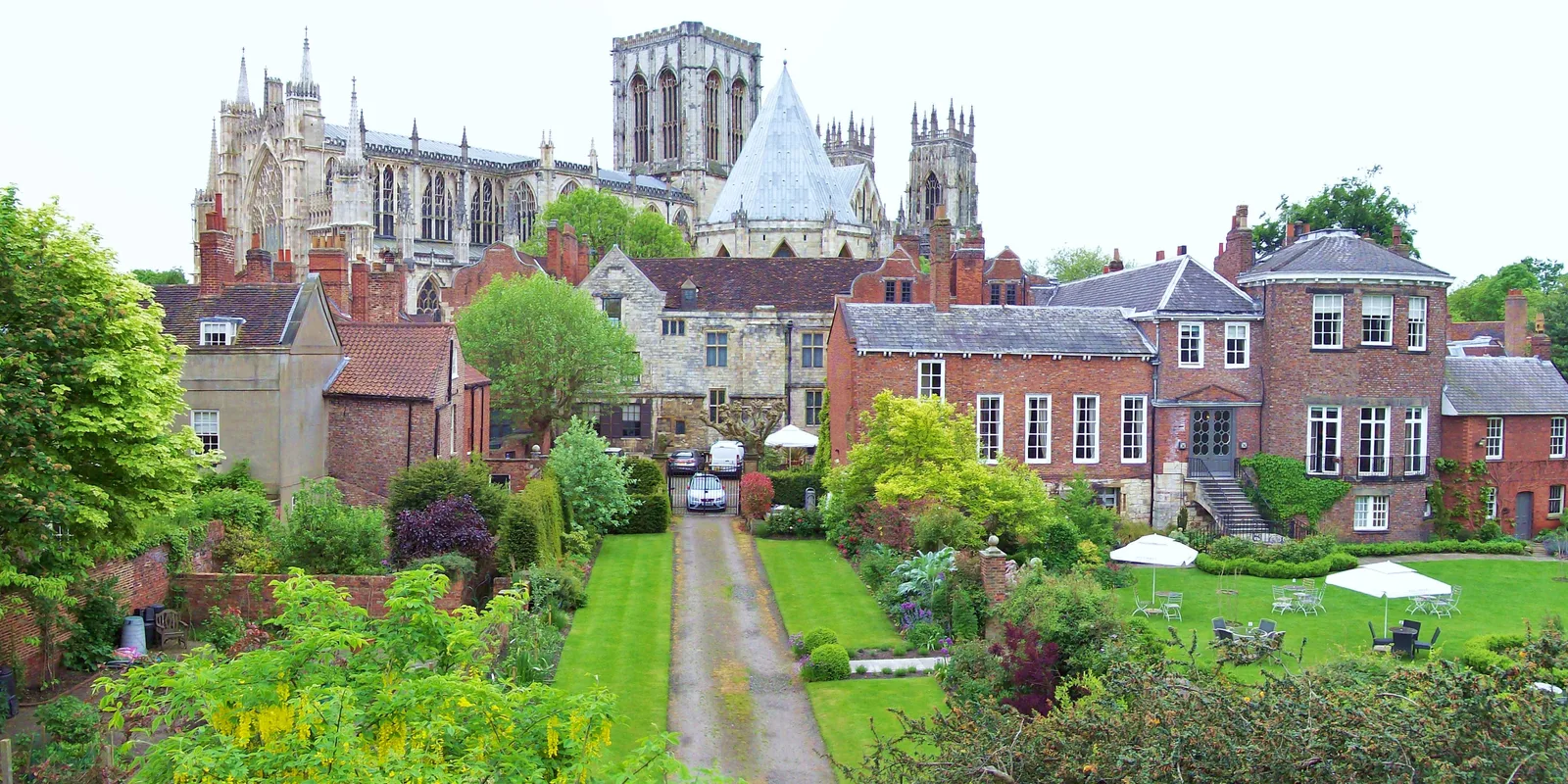
York rewards a slower city break
York brings a cathedral, medieval streets, Viking archaeology and railway collections into a centre that can be explored largely on foot. Its appeal is the relationship between those places: a walk can move from timber-framed shopfronts to stone gateways, then across the river towards a working railway station. You do not need to buy admission to every attraction to appreciate that setting.
For a first visit, two full days are a useful starting point, with a third if you want a substantial excursion. That is a suggested pace rather than a minimum requirement. A day trip can work well if you choose one major interior and leave time for the streets. For a possible move, add ordinary tasks to the visit: travel to the workplace, inspect housing and find the shops you would use each week. Holiday convenience and a sustainable household routine deserve separate attention.
Use VisaWand’s United Kingdom country guide for the wider national context and its UK destination directory to compare locations. York is a useful candidate when a compact historic centre is high on your list; the decision still depends on the particular trip, job or course bringing you here.
Read the city through its layers
York stands in northern England, where the Ouse and Foss help define the historic centre. The UK’s submission to UNESCO’s Tentative List describes successive Roman, Anglo-Saxon, Viking and Norman influences, with archaeology beneath the modern streets as significant as the buildings above them. Tentative listing should not be described as inscription on the World Heritage List.
That history offers a useful way to choose your visits. The Minster introduces religious architecture and the layers below it; JORVIK focuses on Viking-age discoveries; the railway museum explains a later transformation in movement and engineering. Rather than collecting dates, look for how different periods continue to occupy the same small area. A gateway can be part of a shopping walk, while a museum gives meaning to what might otherwise look like another attractive old street. Leave room for both kinds of encounter.
Choose a quarter before choosing a room
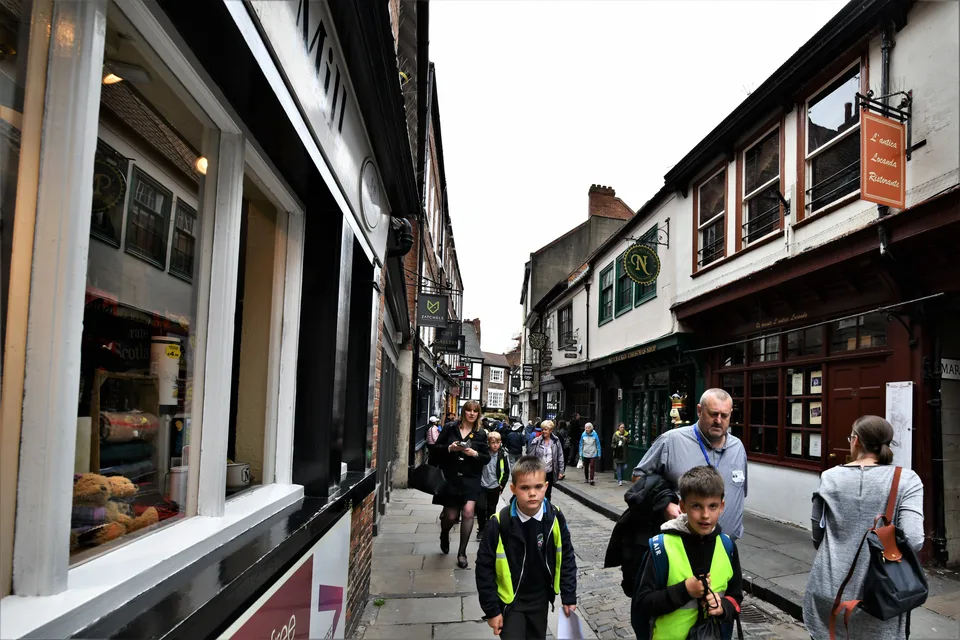
The official visitor board’s introduction to York’s independent shopping areas is useful for orientation. Stonegate, Petergate and nearby streets put the Minster and historic shopping close together. Fossgate and Walmgate offer another cluster of cafés and independent businesses. Gillygate and Bootham sit near the cathedral precinct, while Micklegate provides a different approach into the centre.
Bishopthorpe Road is worth including when you want to look beyond the principal sightseeing streets. Its parade of shops and places to eat can also make a useful stop on a reconnaissance visit for a move. These are starting points for comparing addresses, not promises about noise, prices or the character of every adjoining street. Check the actual walk between a proposed room, the station and your evening plans. A central postcode alone will not tell you whether the entrance involves stairs, a busy road or a route that suits your mobility needs.
Give York Minster an unhurried visit
Use York Minster’s official visit planner to check sightseeing access for your chosen date. This is a working cathedral with services and events, so a sightseeing timetable should not be treated as an unrestricted invitation to enter every space throughout the day. General admission includes guided tours and the Undercroft Museum; special experiences can require separate arrangements.
The Central Tower involves 275 steps and is restricted to visitors aged eight and over. Choose it for the climb and elevated view, rather than assuming it is a routine part of every family’s visit. If steps or confined historic spaces are a concern, consult the access information before choosing a ticket. Large wheeled bags cannot simply accompany you inside. Leave luggage arrangements outside the cathedral visit, and allow time to enjoy the building without watching the clock for another admission immediately afterwards. Confirm the current price and return-entry conditions in the official booking process.
Walk the walls in sections
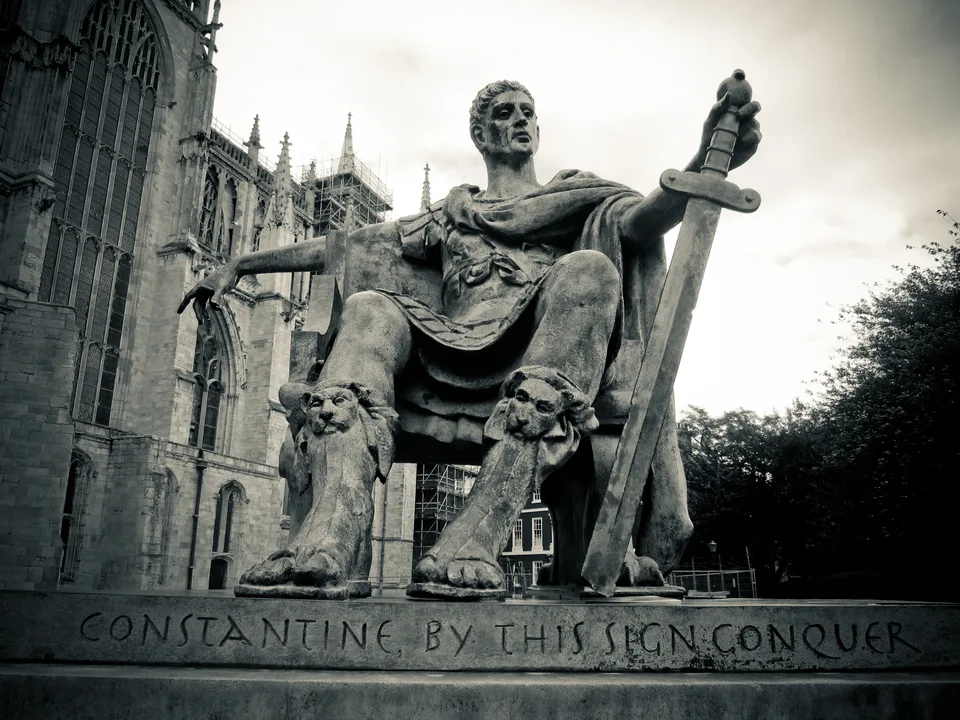
The council’s city walls page is the first place to check before planning a circuit. Access to the elevated walkway is free, but free access does not mean every section is open at all times. At the October 2026 research check, the council listed a closure between Bootham Bar and Monk Bar from 19 to 30 October for maintenance and tree work. Consult the live notice for your dates.
A short section can be more rewarding than an effort to complete everything. Pick an accessible entrance and a sensible exit near your next stop, and keep enough daylight for the outdoor part of the day. Do not equate a walkable city centre with a step-free elevated wall route. Families with pushchairs and travellers with limited mobility should compare access details and use street-level alternatives where needed. Footwear with a secure grip is a more useful preparation than trying to maintain a fast sightseeing pace.
When travelling with someone whose walking range is limited, plan a route with a clear stopping point. A café break near an exit is easier to manage than discovering halfway through an elevated section that the next convenient descent is farther away than expected. Consult access details before setting out.
Book JORVIK for the archaeology
JORVIK Viking Centre is particularly useful if you want the Viking city to become more than a name. It interprets the discoveries associated with the Coppergate excavations through a reconstructed environment and collections. Read the visit information before deciding whether the experience matches the interests and access needs of your party.
The official ticket page lists adult admission at £17.50 booked ahead or £18.50 standard, with different child, student and family categories. Under-fives enter free. Those are published prices checked for this guide, not a guarantee for every future date or special event. The opening schedule also matters: it lists maintenance closures on 2–8 November 2026 and 4–10 January 2027. Pre-booking is essential, and the venue asks visitors to arrive ten minutes before their slot. Plan roughly an hour for the visit, then allow a break instead of stacking another timed attraction against its finish.
Keep a substantial slot for the railway museum
The National Railway Museum offers free general admission, making it a strong choice when you want a substantial indoor visit without another general entry charge. Collections include Mallard and a Japanese Bullet Train. Book ahead during busy periods if you want to reduce uncertainty at arrival; walk-up visitors can face longer waits when numbers are high. Paid activities should be checked separately.
Pay particular attention to the museum’s current travel instructions. Construction has changed approaches, and the Great Hall and Station Hall have separate entrances connected by an outdoor route. The museum warns that general online maps may show incorrect directions. Its step-free approach from the station front differs from the rear route involving stairs. Allow for that distinction when travelling with luggage, a pushchair or a wheelchair. Following the signed route and museum map is more reliable than assuming the closest-looking exit on a phone screen will work.

Compare accommodation by the whole stay
The Visit York accommodation directory covers hotels, guesthouses, self-catering stays and other options in the city and surrounding countryside. Use it to build a shortlist, then inspect the individual property’s current information. A directory entry is a place to start checking suitability, rather than proof that a room offers every amenity you need.
For a short rail visit, proximity to both the station and your main plans can be more valuable than parking. For a longer stay, compare cooking facilities, laundry, a usable table and the total price after cleaning or other compulsory charges. Confirm the specific unit: photographs of one apartment do not establish the layout of another. Ask about lift access, entrance steps, luggage storage and late arrival where relevant. If you choose a countryside base, cost the journeys into York before treating a lower room rate as a saving. Cancellation terms deserve the same attention as the nightly figure.
Plan the airport connection separately
Leeds Bradford and Manchester are useful airports to compare, but the transfer can change the value of a flight. Leeds Bradford Airport’s transport information describes FLYER bus connections with Leeds, Bradford and Harrogate. Rail passengers need an onward bus or taxi connection to the terminal; do not look for a terminal railway station or assume a direct York airport bus without checking an actual service.
Manchester Airport’s York travel page describes direct rail services and journeys of around two hours. Check the timetable for the flight date, especially for an early departure or late arrival. That rail journey is only one part of the transfer: baggage collection, border formalities and the walk to the platform also need time. Compare the total door-to-door plan, including the last workable service and the consequences of a delayed flight. A slightly cheaper airfare can lose its advantage if it creates an overnight stay or an expensive final connection.
Use rail and buses with the correct ticket
For longer journeys, the National Rail York journey planner provides date-specific times, changes and fares. Compare ticket conditions alongside price. A low fare is useful only if the departure and flexibility suit the trip, particularly when the journey follows a flight or another uncertain connection.
Drivers can consider Park & Ride rather than making central parking the organising principle of the day. The council’s published Park & Ride fares list a £4 standard return from a site into the centre and back. Up to three children aged sixteen or under can travel free with an accompanying adult using an eligible ticket when boarding at a site. Those conditions matter: journeys beginning in the centre or at intermediate stops use First York local network fares. Check your site’s operating times and final return bus. For everyday commuting, test the actual service at the hour you will use it, including the journey home.
Eat and shop beyond the first display window
Shambles Market’s operator provides a practical starting point for food kiosks, produce and other independent traders near the historic streets. Visit while the market is trading rather than saving it automatically for dinner. The published headline hours run from nine to five, while the operator’s detailed guidance gives an earlier winter finish. Holiday and severe-weather closures can also affect plans.
For a more varied walk, continue into a different quarter instead of assuming every meal needs to happen beside the same attraction. Compare a food-court meal, a café and a booked sit-down dinner by what you actually want to spend and how much time you have. Check menus for dietary requirements rather than relying on a neighbourhood’s reputation. Shopping is best approached in the same way: browse the historic streets for enjoyment, but distinguish souvenirs from the groceries and household goods you would need during an extended stay.
If a particular restaurant is central to your plans, check its own opening days and reserve directly where offered. Keep an alternative close to the day’s route. That avoids turning an unexpectedly long queue into a missed museum slot, particularly when travelling with children or someone who needs meals at predictable times.
Build a budget from bookable choices
York can support a day built around free outdoor exploration and free museum admission, or one with several paid interiors and organised experiences. Write down the attractions you genuinely intend to enter before comparing passes or combined tickets. A discount on a place you would otherwise skip does not reduce the cost of your preferred itinerary.
As a concrete example, one adult’s published advance JORVIK ticket and standard Park & Ride return total £21.50 at the research check. That excludes accommodation, meals, travel to York and every other paid activity. It is a calculation from two specific products, not a daily cost-of-living estimate. For a couple or family, repeat the calculation using the relevant age categories and ticket conditions. Keep a separate allowance for drinks, snacks and changes of plan. Quote accommodation and rail for your actual dates rather than treating a single promotional price as representative of the city.
Choose the season around your priorities
Longer outdoor days favour an itinerary with walls, streets and an excursion, while a museum-led visit can be more adaptable when daylight is limited. Spring and autumn are useful options to compare if you want substantial walking without making summer your only possibility. None of those choices removes the need for rain protection or a flexible day plan.
The Met Office’s explanation of changing UK seasons stresses that weather varies between years: a summer can be wet, and a generally milder winter can still contain cold spells. Treat that as national context rather than a York temperature forecast. Check conditions shortly before travelling, pack layers and footwear suitable for damp surfaces, and retain an indoor alternative. Before paying for a room, also check the city’s events calendar and attraction schedules for your dates. A festival may be the reason to come, but it can also change which visits fit comfortably into a short stay.
A realistic two-day itinerary
On the first morning, give the Minster your main attention, using the sightseeing schedule for the date. Follow it with lunch and a walk through the historic shopping streets, including the Shambles area. In the afternoon, choose an open section of wall if conditions and access suit you. Leave the evening for dinner rather than adding another compulsory appointment.
On day two, take a pre-booked JORVIK slot and leave space afterwards for the market or a café. Make the railway museum the substantial afternoon visit, allowing for the current approach and the outdoor connection between halls. If railways are your main interest, reverse those priorities and give the museum more time. This is a suggested sequence, not a claim that every opening pattern will accommodate it. In poor weather, shorten the outdoor walks; with children, preserve breaks. If you have only one day, select the cathedral or a museum and use the remaining time to enjoy the streets.
Test the housing and commute together
A possible move calls for a second map: home, workplace or campus, groceries, healthcare and the journey between them. Begin with the council’s moving-to-York information, which links housing guidance and local services. Compare current listings for the size and condition you need; a visitor room rate or an old citywide average cannot establish a suitable monthly rent.
During a viewing, ask about heating, ventilation, storage, appliances and any charges outside the advertised rent. Inspect the route home at the time you would normally travel, and test the commute before committing where possible. A property that looks convenient for sightseeing may be less convenient for a workplace outside the centre. Keep a written household budget including rent, utilities, council tax where applicable, transport and insurance. For students, check the accommodation contract and campus journey directly rather than assuming every address advertised as York is equally suitable for every course.
Check flood information and household services
Before choosing a home, use the government’s long-term flood-risk service to screen the surrounding area. It covers several sources of flooding, but explicitly does not predict whether an individual property will flood. Follow up with address-specific questions about past incidents, access routes and insurance; the map alone cannot settle those matters.
When moving in, arrange utilities, record meter readings and confirm responsibility for bills. Notify the council of the move for council tax and check the property’s waste collection and any parking arrangements. For healthcare, the NHS GP registration page explains how to find and register with a surgery. General registration does not require proof of immigration status, and an NHS number is not essential. Do not interpret registration as a guarantee that every form of NHS treatment will be free. Find a suitable pharmacy and investigate dental access separately, particularly if you need ongoing care after arrival.
Separate a visit from permission to move
York follows UK immigration rules. The Standard Visitor guidance allows tourism and specified other activities, usually for up to six months, subject to eligibility. Nationality and circumstances determine whether you need a visa, an electronic travel authorisation or neither. The official ETA page lists a £20 charge at the research check; each eligible traveller, including a child, needs their own. An ETA does not guarantee admission.
Visitor permission is not a general route to employment or residence through repeated stays. Someone considering a job should examine the relevant work route, such as the Skilled Worker visa, with its sponsorship and eligibility requirements. For a course requiring immigration permission, use the Student visa guidance and the institution’s advice. Student work conditions vary; do not assume unrestricted employment or self-employment. Buying or renting a home does not replace immigration permission, and permanent settlement requires its own qualifying route and conditions.
If you need individual help interpreting the route, VisaWand’s UK consultant listings provide a place to compare services. Establish the adviser’s credentials, the scope of the appointment and the fee before booking. A consultation can address personal circumstances; neither a city guide nor a property viewing establishes eligibility for an immigration application.
Add one excursion or compare another base
A third day can be used for a deliberate change of setting rather than another hurried loop around the centre. The North York Moors National Park’s transport information outlines rail and bus approaches, including services towards Helmsley and routes through the moors. Pick an actual destination and check both the outward and return journey. Seasonal services should not be treated as year-round transport, and reaching a town does not mean every walking route is close to its stop.
For a future move, nearby places are also alternatives to compare, not merely excursions. Consider how an address outside York would change the commute, shopping and evening return, then weigh those journeys against the home itself. For tourism, keep a generous margin before a train home or flight. York’s strongest advantage for a short stay is how much can be enjoyed within a compact centre; an excursion is worthwhile when you have enough time to appreciate somewhere different.
You can also compare the Manchester destination page when considering a different city base. Treat it as a location page and check the actual transport and accommodation that would connect your chosen base with York. Changing cities adds travel time, so it should serve the trip rather than simply lengthen the list.
Official planning resources
Reviewed 24 October 2026. Use the official resources linked throughout this guide for admission, transport, housing and immigration decisions. Prices, services and rules can change; confirm the details relevant to your dates. Photography illustrates the locations and is not a live view.
View all official resources
- City of York: historic urban core – UNESCO World Heritage Centre
- Explore York’s Indie Heartbeat | Visit York
- Plan your visit | York Minster
- The City Walls – City of York Council
- Tickets and Prices | JORVIK Viking Centre
- Opening Times | JORVIK Viking Centre
- Visit | National Railway Museum
- Travel information | National Railway Museum
- Stay – Visit York
- Transport options for your journey – Leeds Bradford Airport
- Getting to and from York – Manchester Airport
- Trains From London to York | National Rail
- Park & Ride fares and passes – iTravel York
- Shambles Market – Make It York
- Are the UK’s seasons changing? – Met Office
- Moving to York – City of York Council
- Check the long term flood risk for an area in England
- Register with a GP surgery – NHS
- Visit the UK as a Standard Visitor
- Get an electronic travel authorisation (ETA) to visit the UK
- Skilled Worker visa – GOV.UK
- Student visa – GOV.UK
- Getting here and travelling around – North York Moors National Park
Plan the next part of your journey
Explore the United Kingdom guide, browse other cities or compare consultants for your travel and relocation questions.