Visa
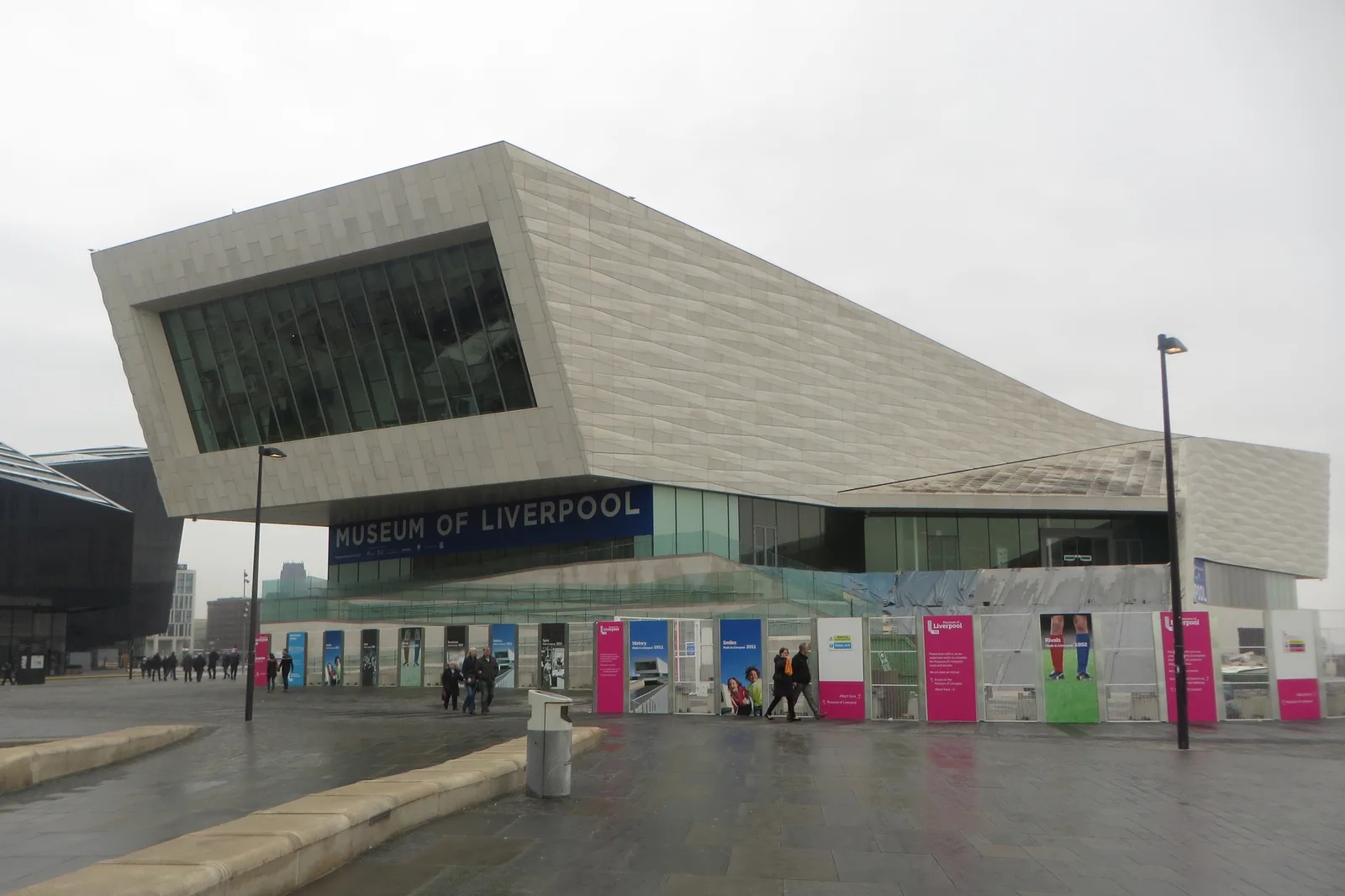
Liverpool is more than a weekend of famous names
Liverpool's best short stays combine the city people come to recognise with the city they discover on foot. The waterfront gives you monumental buildings and dock basins; a move inland changes the scene to shopping streets, music venues and two very different cathedrals. Beatles history and football can anchor a trip, but neither needs to fill every day. Leave room for the port's wider history and the everyday neighbourhoods beyond the visitor circuit.
For a prospective move, the questions change. A lively central address may be convenient for a weekend and less suitable for an early commute. A cheaper home farther out needs a workable journey to employment, education and services. Use VisaWand's United Kingdom guide for national context, then assess Liverpool through the places and routines that would actually shape your stay.
Read the waterfront through its complicated history
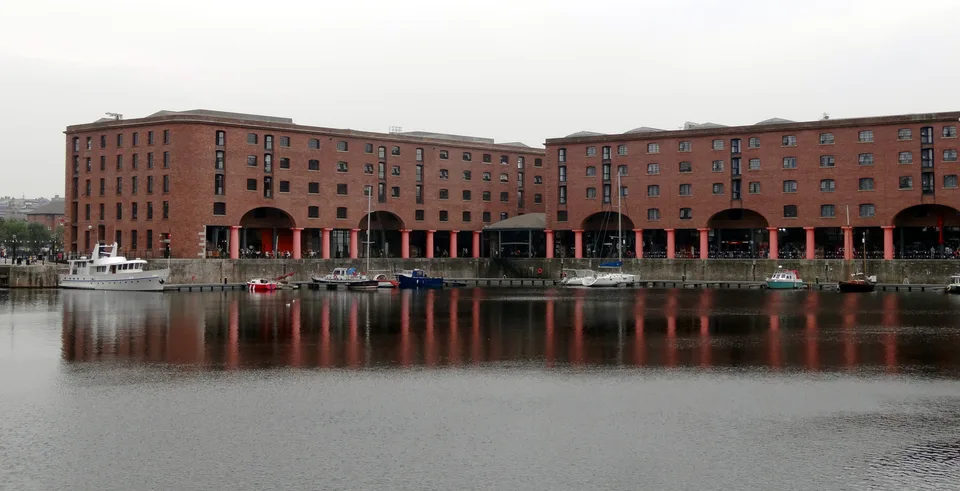
Liverpool's council preserves the Letters Patent issued by King John in 1207, establishing a free borough and encouraging trade. That early foundation is different from the later scale of the port, whose buildings and dock infrastructure dominate the visitor's first impression. At Pier Head, the Royal Liver, Cunard and Port of Liverpool buildings form the Three Graces. Royal Albert Dock offers another perspective, with former working warehouses arranged around the water.
The city's trading wealth must also be understood alongside its role in enslaving people. National Museums Liverpool's transatlantic slavery collection explains how Liverpool ships and merchants dominated that trade during the later eighteenth century. The museum building's closure does not make this history less relevant to a waterfront visit. Nor should older publicity confuse the current designation: UNESCO removed Liverpool's Maritime Mercantile City from the World Heritage List in 2021.
Choose a base around the evenings you want
VisitLiverpool identifies distinct quarters within the compact city centre, including the Waterfront, Cavern Quarter, Ropewalks, Georgian Quarter and Baltic Triangle. Treat these as useful orientation rather than promises that every street shares one atmosphere. A waterfront hotel suits a stay centred on dockside sightseeing. An address near your arrival station can simplify a brief trip with luggage. A room near evening venues deserves a closer check of noise and the route back.
Ask where the actual entrance and bedroom face. The phrase “city centre” does not tell you whether you will hear music late at night or cross several busy roads with bags. Compare the walking route to your main attraction, not only the straight-line distance on a booking map. If you intend to spend a full day outside the centre, choose your base with that morning's departure point in mind.
Compare accommodation by the complete cost
Hotels, guesthouses, hostels and self-catering apartments solve different problems. For a one-night stay, staffed reception and luggage storage may matter more than a kitchen. For a family or longer visit, separate sleeping space and laundry can be worth paying for. Confirm what the advertised capacity means in actual beds, and whether a lift reaches the room without an intervening flight of stairs.
Check prices against the dates you need before planning around an assumed bargain. A match, concert or other event can change the accommodation decision enough to justify a different night or a different location. Compare parking, breakfast, cancellation terms and any charges shown at checkout. If arriving late, obtain the entry instructions and an assistance contact in advance. Keep those details available separately from the booking app, especially when the accommodation has no overnight desk.
Begin with the Museum of Liverpool, not a list of closed museums
The Museum of Liverpool is a practical introduction to local people, transport and community history. General admission is free, while some events or exhibitions may cost extra. At this guide's October 2026 review, published opening is Tuesday–Sunday, 10am–5pm; from 3 November it changes to 10am–4pm. Mondays are generally closed, with specified school-holiday exceptions. Check your exact date rather than relying on a generic daily-opening claim.
Nearby, the Maritime Museum and International Slavery Museum are closed for essential maintenance ahead of redevelopment, subject to funding. Do not allocate an afternoon to entering either building. Their online collections remain useful preparation. A sensible first day gives the open museum time, then continues along the waterfront without assuming every familiar museum name represents an available indoor stop. With children, check any separately timed activities before building the visit around them.
Walk Royal Albert Dock and check Tate's present offering
The dock is worth exploring for its relationship between buildings, water and the wider waterfront, even when a particular attraction is closed. Look across a basin before entering shops or cafés: the arrangement of warehouses tells you something that a rushed indoor circuit misses. Allow for exposed weather and take a break before everyone is tired, rather than adding the whole waterfront to the end of another full day's walking.
Tate Liverpool's Royal Albert Dock building remains closed for redevelopment, with reopening planned in 2027. Its temporary location is at RIBA North on Mann Island. The current official page describes small RIBA-curated displays and information about Tate's redevelopment and history; it says no further Tate exhibitions are planned there. Admission is free, but this is a smaller visit with a different offer from the full gallery. Check temporary closures and the current programme before travelling specifically for art.
Choose the Beatles experience that matches your interest
The Beatles Story at Royal Albert Dock is a ticketed option for a focused account of the band's story. Check the admission product and date before comparing prices: an expired seasonal offer is not a reliable budget. Anyone needing step-free access should consult the current access notice directly, rather than assume the entrance lift will be available because an older review describes it.
For a different experience, the National Trust's combined tour of the Beatles' Childhood Homes requires advance booking. Follow the specified meeting arrangements; do not simply arrive at a residential address expecting admission. Choose between a central exhibition and a scheduled homes tour according to the depth of your interest and available time. Music fans may enjoy both, but a mixed-interest group can divide for part of the day and reunite for dinner instead of booking everyone onto the same programme.
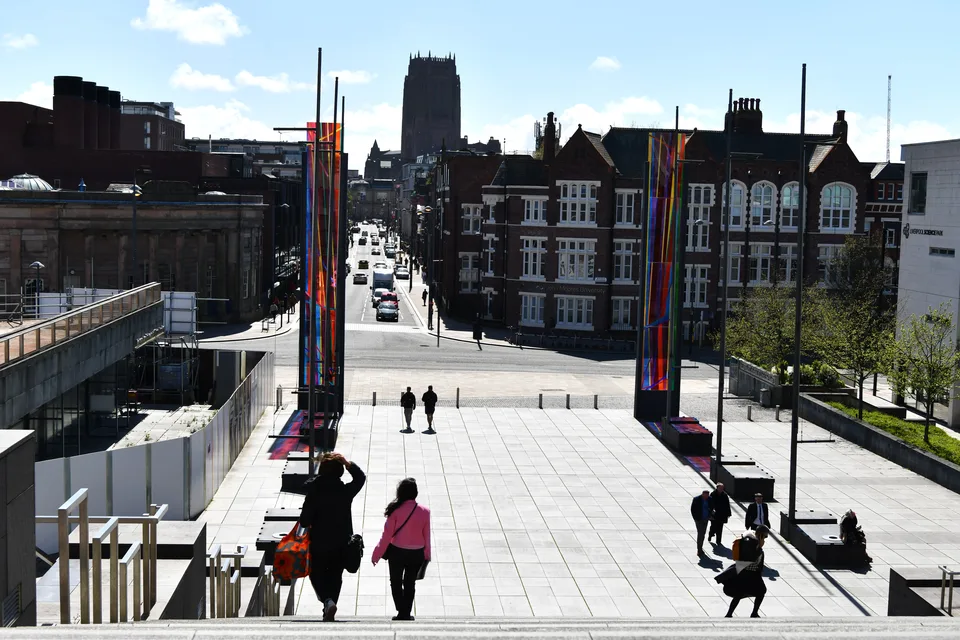
Give Hope Street and the cathedrals a separate walk
Liverpool Cathedral and the Metropolitan Cathedral make a rewarding architectural comparison. Liverpool Cathedral welcomes general visitors without an admission charge, with donations invited. Worship and events can affect access, and separately offered experiences need their own checks. A quiet look at the main building and a ticketed tower visit are different commitments; establish which experience you want before budgeting your time.
The Metropolitan Cathedral's visitor information explains its access arrangements, including a step-free approach through the car park. Check the appropriate entrance if stairs are difficult. Approach both buildings as working places of worship and follow directions during services. Between them, let the streets become part of the outing rather than treating the walk solely as a transfer. Stop for a meal or coffee when it suits the group, leaving enough daylight for the route you want to see.
If someone needs step-free access, plan the walk as well as the building entrance. Request current lift information and an appropriate drop-off point before setting out. Keep another meeting place in mind if an event restricts access, and allow someone who needs a slower pace to enjoy one building properly rather than hurry through both.
Plan football as a booked occasion
A stadium visit needs more preparation than a walk through the centre. Liverpool FC advises booking stadium tours in advance, with availability released around fixture confirmation. Select the tour and timeslot you actually want, then check the meeting point, access information and any restrictions. A stadium tour is not a match ticket, and what is accessible can depend on the day's operations.
For a game, start with the club's official ticket information. Establish the purchase route and confirmed ticket before committing to an expensive trip built around attendance. Check kick-off details again before booking a tight return journey. If football is one person's priority, give the rest of the group an independent plan rather than expecting an uncertain ticket search to become the day's shared activity. Keep the stadium outing separate from a crowded museum-and-waterfront afternoon.
Use Sefton Park to experience another pace
The council describes Sefton Park as a 235-acre historic park, with lakes, a Palm House, cafés and a bandstand. It opened in 1872, designed by Édouard André and Lewis Hornblower. It makes a useful change from the central circuit, particularly on a longer stay when another indoor attraction would feel repetitive. Choose a manageable route rather than trying to cover every path.
Allow time for the journey there and back, and check separate opening arrangements for facilities you specifically want to enter. A park visit also gives prospective residents a useful task: observe the surrounding streets and work out the everyday journey to groceries or transport. A pleasant afternoon is evidence about leisure, not proof that a nearby property suits your commute. Visit that property and route independently before drawing conclusions about living in the area.

Arrive by the connection that fits your journey
For rail arrival, identify the station on the ticket and the final route to your accommodation. A national rail journey and a local Merseyrail connection are separate parts of the plan, even when they share a station name. Allow time for interchange, luggage and any assistance you have requested. On a short visit, storing bags before sightseeing can be more useful than adding another attraction immediately after arrival.
For Liverpool John Lennon Airport, Merseytravel lists the 500 to Liverpool ONE and bus connections to Liverpool South Parkway for onward rail travel. The airport does not have a direct train station. Published centre-bound journeys are around forty minutes, but choose a departure with margin for your flight and the road conditions. For a very late arrival or early departure, check the actual operating day and timetable before assuming a convenient bus will run.
Know which transport ticket you are buying
Merseytravel's Solo ticket information lists a £2 adult single bus fare and a £5.90 adult one-day Solo. A first MetroCard carries a £1 activation charge. Solo covers buses within Merseyside, not every onward journey outside its boundary. Two £2 singles total £4; a day product becomes worth comparing when your plans involve more travel. Check the coverage rather than choosing solely by the word “day”.
Merseyrail Tap & Go has different rules. Use the same card or device to tap in and out, and give each traveller their own means of tapping. Bank-card journeys charge adult fares; a registered MetroCard supports other arrangements. Do not assume a rail payment method covers the bus too. For a trip to Chester, check the specific exception: Merseyrail currently requires a MetroCard or another valid ticket rather than bank-card Tap & Go at Chester.
Treat the ferry as conditional until services are confirmed
A river trip can show the waterfront from a perspective a pavement walk cannot provide. The Mersey Ferries sightseeing page lists adult admission at £14 and distinguishes the sightseeing cruise from the direct cross-river commuter service. Read the timetable for your season and direction, including where the final sailing terminates. An outward crossing is only useful if the return arrangement matches the rest of your day.
There is an immediate qualification: the operator's notice lists services suspended on 16–17 October 2026, with sightseeing tickets unavailable and further updates to follow. Do not interpret an advertised timetable as confirmation that sailings have resumed. Check the live notice before buying or travelling. Keep a land-based alternative ready, and avoid placing a timed museum booking immediately after an uncertain sailing. The river should improve the visit, not dictate a day of waiting.
Eat locally without relying on invented bargains
Scouse is the city's familiar stew, and VisitLiverpool's scouse listings provide places to investigate rather than a guarantee about your preferred recipe. Check the current menu, ingredients and opening hours directly. Regional food can be a useful introduction to a place without requiring every meal to become a search for the single most “authentic” version.
Ropewalks and Bold Street offer a concentration of independent shops and international food choices. Browse menus before committing, establish whether service is included, and ask about allergens with the staff who will handle your order. For shopping, compare the item itself rather than assuming a central souvenir is locally made. Budget from real room quotes, menus and the admissions you have selected. A day with free general museum entry and a walk costs differently from a football tour, paid exhibition and evening performance; there is no useful universal daily total.
For a concrete transport comparison, two adults making two single bus journeys each would spend £8 at the listed single fare. Two adult one-day Solo tickets would cost £11.80 before any first-card charges. That difference is worth keeping if the day involves only an outward and return journey. Add the tickets you actually need to the accommodation total, then set aside the meal and attraction budget. Avoid buying an unlimited product simply to make an ambitious itinerary look economical.
Bring layers and keep an indoor alternative
The Met Office's Crosby 1991–2020 averages give a nearby coastal reference, rather than an exact forecast for the city centre. Average daily maximum temperatures are about 7.5°C in January and 20°C in July. Rainfall occurs throughout the year. Pack for changes during a day: a waterproof outer layer and footwear comfortable on wet pavements can matter more than choosing a month from a sunny photograph.
Longer daylight makes an extended walking day easier in the warmer part of the year. In colder months, organise the outdoor sections around the daylight available and check earlier closing times. A wet morning can suit an open museum, but closures mean that the fallback must be a real available venue. Check the forecast close to departure and again before a coastal outing; a mild city afternoon does not establish safe conditions at the beach or on the river.
A three-day plan with room for different interests
Day one: begin at Pier Head and the Museum of Liverpool when it is open, then explore Royal Albert Dock. Choose one additional indoor stop based on its current offering. Keep lunch and a rest inside the plan, and finish with a short central orientation rather than an exhausting second circuit. A Monday arrival may require moving the museum to another day.
Day two: choose your main booked interest, either a Beatles experience or a stadium tour. Use the remaining time for the cathedral area and a meal, adjusting the order around the booking. Do not try to combine every music and football experience just because they belong to the same city.
Day three: take a Sefton Park outing or an available excursion beyond the centre. A ferry belongs here only after service is confirmed. On departure day, keep luggage collection and the onward journey as fixed commitments, with sightseeing fitted around them.
Test housing against an ordinary working week
Start with the council's private-renting information, then compare actual available homes rather than unsupported claims about average rent. Inspect the property, verify the landlord or agent's authority, and establish the deposit arrangements and total initial payment. Ask about heating, ventilation, damp, broadband, laundry, noise and responsibility for repairs. Photograph the inventory and opening meter readings with agreement at handover.
England's Renters' Rights Act guidance reflects changes from 1 May 2026, including assured periodic tenancies and restrictions on rental bidding and rent in advance. The rules differ for arrangements such as lodgers and student halls, so identify your tenancy type before applying general advice. Test the commute at the time you will travel, including a late return. Put that cost and time beside the rent. An attractive central flat and a larger home farther out can represent very different daily lives.
For an applicable assured tenancy, the new rules mean an advertised rent should not become an auction: landlords cannot encourage or accept offers above it. Check the official guidance before agreeing an unusual payment request, especially if you are arranging a home from overseas.
Arrange bills, healthcare and family needs
Tell the council about your move through its Council Tax registration service, and establish which household bills are included in the agreement. Use United Utilities' moving-home information to check water-account arrangements, and find your address's waste and recycling services. Confirm who supplies energy and when an internet connection can actually be installed. Keep a record of the condition and readings at the start of occupation.
The NHS explains free GP registration in England. Registration is not a blanket statement that every treatment is free in every immigration circumstance; arrange appropriate cover and verify any planned specialist care. For children moving schools, the council's in-year admissions process is the relevant starting point. Check availability and requirements before choosing a home around a presumed school place. For a household with regular appointments or care needs, assess those journeys alongside the workplace commute.
Separate a visit from permission to work or settle
Use the official UK visa checker for your nationality, purpose and existing status. Under Standard Visitor rules, tourism and other specified activities are permitted, but ordinary UK employment and making the country your main home through successive visits are not. The usual visit allowance is up to six months, subject to the applicable permission and conditions. A Schengen visa does not replace the UK requirements.
Where applicable, an electronic travel authorisation currently costs £20; it is not a work or residence permit and does not guarantee admission. Employment may require a route such as Skilled Worker, while longer qualifying education can require a Student visa. Eligibility and progression to permanent residence depend on the route. Use VisaWand's United Kingdom destination assessment and consultant directory to prepare questions, then check the responsible official service before committing to a move.
Compare the coast and other city stays
Crosby can be an option for a coastal outing, but it should not become an improvised swimming day. Sefton Council says Crosby is not a bathing beach and is unsafe for swimming. Follow its current safety advice, tides and signs, and keep the journey within the daylight and conditions available. Decide whether the outing offers something you want that another central afternoon would not.
For a different city base, compare VisaWand's Manchester guide and London guide with your interests and arrival route. A longer itinerary can include another city, but a brief Liverpool stay gains little from constant hotel changes. Prospective residents should make that comparison around employment, housing and recurring journeys, while visitors can give more weight to the experiences they most want to book.
Official planning resources
Reviewed 16 October 2026. Use the official resources linked throughout this guide for admission, transport, housing and immigration decisions. Prices, services and rules can change; confirm the details relevant to your dates. Photography illustrates the locations and is not a live view.
View all official resources
- Liverpool’s 1207 Letters Patent
- Liverpool waterfront — VisitLiverpool
- Transatlantic slavery collection — National Museums Liverpool
- UNESCO decision removing Liverpool from the World Heritage List
- Liverpool city-centre quarters
- Museum of Liverpool visitor information
- Maritime Museum closure and online collections
- Tate Liverpool + RIBA North
- The Beatles Story official tickets
- Book the Beatles’ Childhood Homes — National Trust
- Liverpool Cathedral plan your visit
- Liverpool Metropolitan Cathedral visitor information
- LFC stadium tour booking advice
- Liverpool FC official match tickets
- Sefton Park — Liverpool City Council
- Liverpool airport connections — Merseytravel
- Merseytravel Solo fares
- Merseytravel smart-ticketing update
- Mersey Ferries sightseeing cruise and service updates
- Scouse in Liverpool — VisitLiverpool
- Ropewalks shops and food — VisitLiverpool
- Met Office Crosby 1991–2020 climate averages
- Liverpool private renting support
- Renters’ Rights Act tenant overview
- Register or update Liverpool Council Tax
- United Utilities moving home
- Liverpool bins and recycling
- NHS GP registration
- Liverpool in-year school transfers
- Check UK visa requirements
- UK Standard Visitor rules
- UK ETA official application guidance
- UK Skilled Worker visa
- UK Student visa
- Sefton Council beach safety
Plan the next part of your journey
Explore the United Kingdom guide, browse other cities or compare consultants for your travel and relocation questions.