Visa
Give Birmingham time beyond the station concourse
Birmingham is a city of useful contrasts: working jewellery workshops and contemporary apartments, waterside restaurants and industrial canals, major cultural institutions and neighbourhood high streets. Its appeal is strongest when you connect these places rather than expecting one compact historic centre to explain everything. A weekend can combine art, manufacturing history and good food; a longer stay reveals why the choice of neighbourhood matters so much.
This guide concerns Birmingham in England’s West Midlands, not Birmingham in Alabama. For a first visit, stay close to the activities that brought you here and leave room for a district beyond the centre. For a move, begin with the exact workplace, campus or school journey. An address that looks convenient on a regional map may involve a different station, transport zone or late-evening connection from the one you imagined.
See the industrial city through the people who made it
Birmingham’s manufacturing identity extends well beyond a single famous product. The museum’s Made in Birmingham display explores a city associated with metalwork, bicycles, buttons, food brands and many other kinds of making. That variety gives substance to the familiar description “city of a thousand trades” without requiring a visitor to memorise a list of inventions.
Look at the relationship between a workshop, its workforce and the neighbourhood around it. Industrial buildings have become offices, venues and housing, but the history is not simply one of factories disappearing into leisure developments. The Jewellery Quarter remains a place of production, while exhibitions consider migration and the making of home alongside objects manufactured for sale. Use VisaWand’s UK country guide for national context; Birmingham’s story is best understood through these more specific streets and institutions.
Orient yourself around three central railway stations
New Street is the principal arrival point for many visitors, with Grand Central above it and the Bullring shopping area nearby. Moor Street and Snow Hill are separate stations, serving different routes. Check the name printed on your ticket and allow time to walk between stations when an itinerary requires it. A tight connection should not depend on assuming they are platforms in the same building.
From the retail core, Victoria Square and Chamberlain Square lead towards the civic and cultural centre. Centenary Square, the Library of Birmingham and the canal districts form another useful cluster. Choose a few connected stops for an afternoon rather than repeatedly crossing the centre. Keep your accommodation entrance and evening venue saved offline; large buildings can have several sides, and the nearest-looking exit is not always the one that makes your walk easiest.
Explore the Jewellery Quarter as a working district
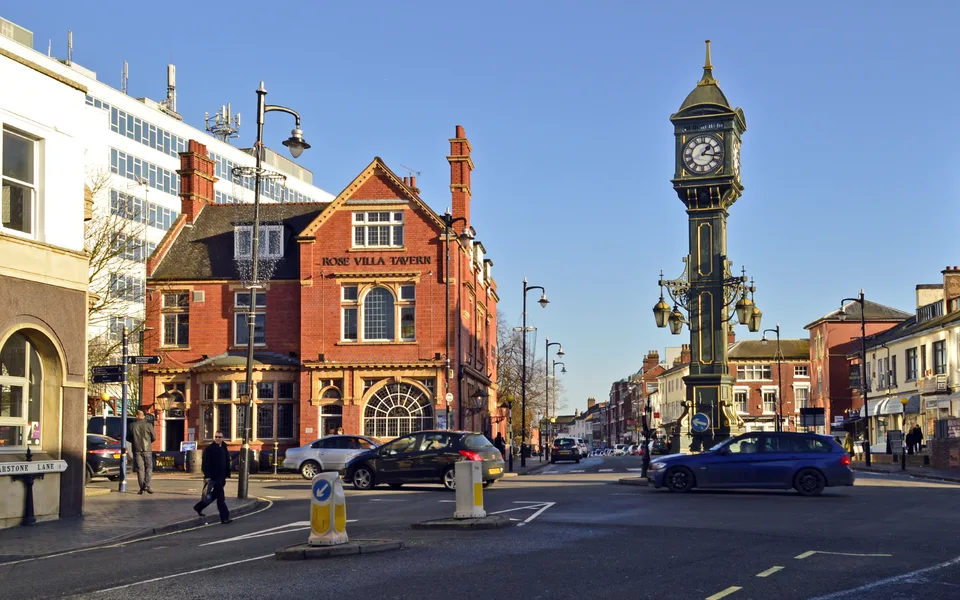
The Jewellery Quarter rewards a slower visit than a quick shopping stop. Chamberlain Clock provides a landmark, but the interest lies in workshops, specialist retailers and the buildings between them. If commissioning or buying jewellery, ask about the maker, materials, hallmarking, timescale and aftercare. The presence of a workshop does not guarantee an immediate commission or a particular saving.
The Museum of the Jewellery Quarter currently advertises guided visits Thursday–Sunday, 10:30–16:00. Entry is through timed tours of about 45 minutes, with pre-booking advised. Its published ticket table distinguishes the normal £10 adult admission from the £11 option including a donation. Check the actual date before travelling: older information describing a prolonged closure does not reflect the current visitor programme. Leave time afterwards to walk the district, while respecting businesses whose premises are workplaces rather than public attractions.
Follow the canals for a different view of the centre
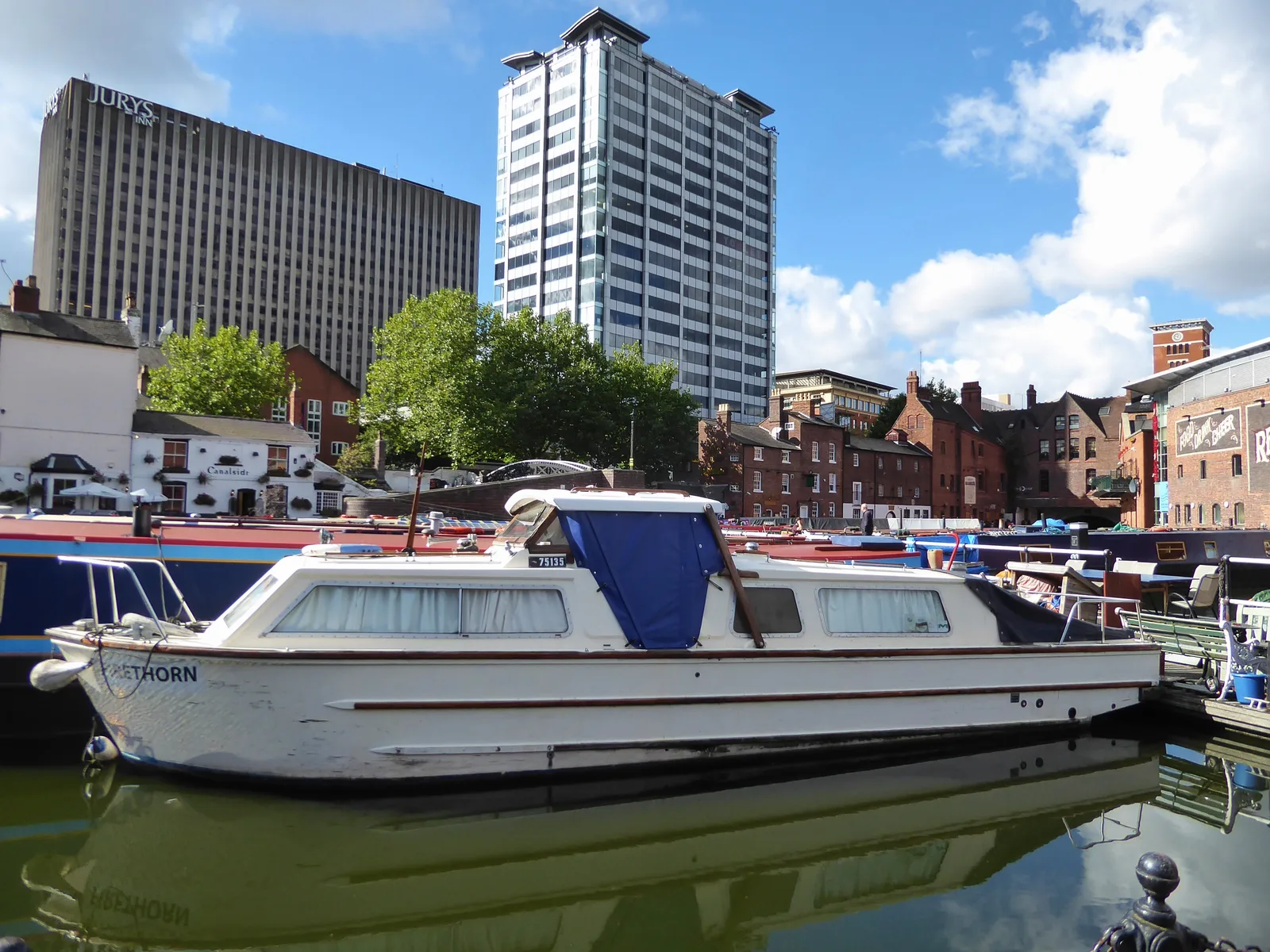
Gas Street Basin makes the industrial geography unusually legible. The National Transport Trust’s account of the basin explains the meeting of the Worcester & Birmingham Canal and the Birmingham canal network. It is a place to notice junctions, bridges and changing levels as well as boats and waterfront buildings.
A short walk towards the surrounding canal-side districts can fit between cultural stops and dinner. Towpaths are shared, sometimes narrow and potentially slippery; keep children close to the water’s edge and leave space for people passing. If step-free access matters, plan the actual entry and exit points instead of assuming every bridge and stairway has an adjacent ramp. After dark, choose the route you are comfortable using rather than treating a waterside shortcut as automatically preferable to a street. A daytime walk is also a useful way to assess a prospective residential location.
Check which museum galleries are actually open
Birmingham Museum & Art Gallery’s visitor page lists free general admission, with no booking required, while some exhibitions and events charge separately. Its open spaces include the Pre-Raphaelite galleries, Staffordshire Hoard gallery, Birmingham history galleries and the Industrial Gallery. Other areas, including the level-two art galleries and level-three Ancient History galleries, remain closed. Do not plan around an assumption that the entire building has reopened.
The normal term-time pattern is Tuesday–Sunday, 10:00–17:00, with different arrangements during Birmingham school holidays and on bank holidays. Check the calendar for your date and leave time before last admission. This can be a rewarding introduction for someone who wants an affordable cultural afternoon, but read the current exhibition descriptions before making a special journey for a particular collection. If you need lift access or a quieter visit, consult the museum’s specific facilities information.
Make time for the library and a different view
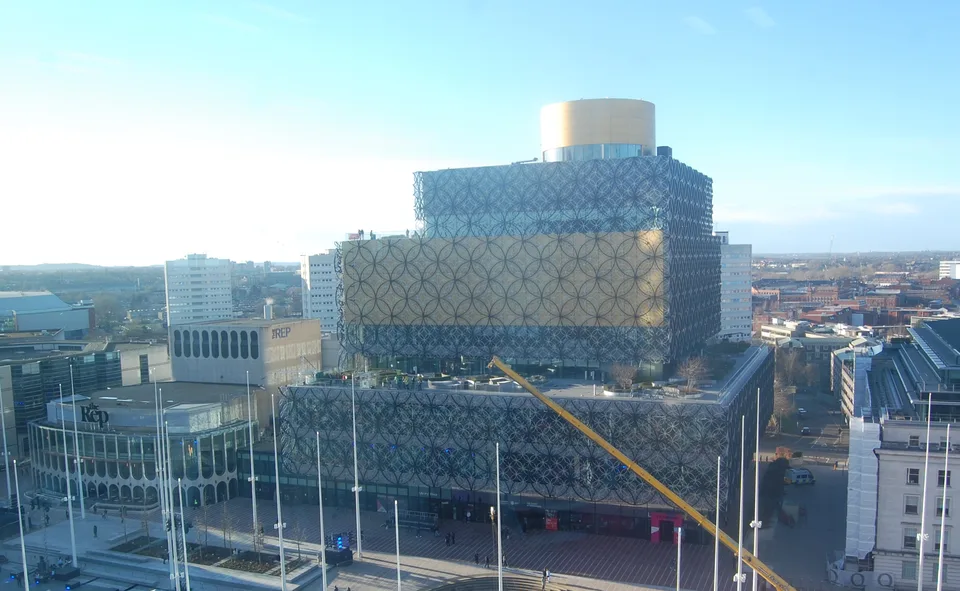
The Library of Birmingham is both a public service and a conspicuous piece of contemporary architecture. It is worth visiting as a building, but its opening arrangements require more attention than a single closing time suggests. Full public-area access currently begins at 11:00, with later hours on Monday and Tuesday than during the rest of the week.
The third- and seventh-floor terraces publish Monday–Saturday hours of 11:00–17:00. Express service in the early morning or evening covers only the ground and mid-lower ground floors; it does not provide late access to the terraces. Sunday is closed under the normal schedule. For anyone considering a longer stay, the library’s study spaces, computers and Wi-Fi also make it a useful service to investigate. Check current closures and the rules for the particular service you need rather than assuming sightseeing access and archive research follow identical arrangements.
Give science and chocolate their own time
Thinktank, Birmingham Science Museum is at Millennium Point, with admission charges and advance booking recommended at busy times. Families can make it the main activity of a day instead of attaching it to an already crowded museum programme. Check current galleries, access information and any additional booking arrangements before choosing a ticket.
In Bournville, Cadbury World is a visitor centre, not a tour of the working factory. Its chocolate-themed zones are a separate outing south of the centre. The operator’s arrival advice asks visitors to use their booked entry time and allow at least two hours. Include the journey there and back, and check the walk from the station if using rail. Visitors expecting to watch the full production factory at work should understand the distinction before paying. Dates, ticket options and entertainment vary, so use the operator’s current booking information rather than an old headline price.
Choose Digbeth for a different pace
Digbeth’s creative district puts converted industrial buildings, independent businesses and entertainment spaces within reach of the centre. The Custard Factory is one useful reference point, but an enjoyable visit depends on what is operating on your date. Identify a gallery, screening, market or performance that interests you rather than assuming every building is continuously open to casual visitors.
For evening plans, check age restrictions, the final entry time and your route home. A lively area can be a good place to spend an evening without being the right place to book a quiet bedroom. If considering a home nearby, visit on a normal weekday and during the evening: delivery traffic, construction and venue activity may affect different streets very differently. Street art and changing shopfronts are part of the character, but photographs taken several years ago cannot establish what a particular corner looks like now.
Choose accommodation around the actual event or campus
Central hotels suit a first visit built around museums, shopping and onward rail travel. Compare the walk from the correct station exit, luggage storage and the cancellation policy. Around Broad Street and the entertainment areas, ask about room position and noise if sleep matters more than being close to nightlife.
An airport or NEC booking serves a different geography from a city-centre stay. Confirm the venue and the final transfer rather than selecting a hotel because “Birmingham” appears in both names. University visitors should do the same with campuses. The University of Birmingham’s directions distinguish Edgbaston from Selly Oak; University station serves the Edgbaston campus approach. A room convenient for one institution may be awkward for another. For an apartment, establish heating, cooking facilities, laundry and the real bed arrangement, especially when several people are sharing to reduce costs.
Arrive from Birmingham Airport without confusing the stations
Birmingham Airport, code BHX, connects to Birmingham International station through the free Air-Rail Link, currently operating from 03:30 to 00:30 daily. The link is a short airport-to-station transfer. It is not the rail journey into the centre, which requires its own appropriate ticket.
National Rail’s airport information identifies services between Birmingham International and New Street. The fastest published train journey is about nine minutes, but that does not include walking, waiting, luggage collection or the Air-Rail Link. Plan the whole journey rather than promising an eleven-minute airport-to-hotel arrival. For very early or late flights, check both the shuttle and train timetable, and have a confirmed alternative if the connection does not work. Rail engineering and major events can affect the practical journey even when the normal route looks straightforward on a map.
Understand bus, tram and rail tickets before buying
For central exploration, walking can be combined with local transport. The current National Express West Midlands fare information lists a £3 adult bus single and a £5.50 nBus day ticket within its specified area and participating network. Two separate singles can therefore cost more than a day ticket. The bus ticket does not automatically include rail or tram journeys.
West Midlands Metro has its own zonal fares; its published 2026 adult Zone 1 day ticket is £3.60. Choose the zones that cover the journey rather than assuming every regional destination is included. Swift Go offers a separate account-and-card system with fare capping on trams and most buses, requiring setup. Do not assume it is identical to tapping a bank card on any service. When using an operator’s contactless capping, follow its instructions and keep the same card or device for the journeys concerned.
Price driving with the Clean Air Zone included
If bringing a car, use the Birmingham Clean Air Zone information to check whether your vehicle is chargeable. The published daily charge for a non-compliant car is £8; it is not a universal entry charge for every car. Parking, the zone charge and any other road costs are separate expenses.
Check the route to your actual hotel or workplace and the official vehicle checker before travelling. A hotel offering parking does not establish that the drive there avoids the zone. Keep confirmation of any payment and use the official service rather than an advertisement that adds a handling fee. For an urban weekend, arriving by train and paying selectively for local transport can be simpler than keeping a car in the centre. For a future home, test the commute at the relevant time before deciding that driving will always be quicker.
Eat with an interest in the city’s communities
Birmingham’s balti is a useful introduction to food shaped by migration and adaptation. Visit Birmingham’s account of the dish describes its development through the city’s Pakistani and Kashmiri food culture and the practice of cooking and serving it in a thin steel bowl. Explore the current menu and the way a restaurant prepares it rather than assuming every dish labelled balti offers the same experience.
The Bull Ring Indoor Market is a separate place from the neighbouring shopping complex, with fish, meat, produce and household goods. The council currently lists Monday–Saturday opening from 09:00 to 17:30. It can be useful for self-catering or simply understanding ordinary shopping. Ask clearly about allergies and dietary requirements in restaurants, and compare a complete meal price including drinks, sides and any service charge. There is no need to make every meal expensive to take the city’s food seriously.
Build a budget from a few clear choices
A lower-cost cultural day might combine free general admission at Museum & Art Gallery, a library visit during the appropriate hours and a canal walk. Add a paid attraction because it interests you, rather than purchasing several activities simply to fill a schedule. Room prices can change around events, so compare the same dates and cancellation conditions when choosing accommodation.
One adult buying the £10 Jewellery Quarter museum ticket without the optional donation and a £5.50 nBus day ticket would spend £15.50 before meals or accommodation. That example does not include trams, trains or airport travel. If several people are travelling together, compare the operator’s group ticket with separate fares and check its age and group-size rules. For shopping, establish repair or return conditions on a significant purchase. Paying directly at a workshop is not a substitute for obtaining a receipt and clear product information.
Choose green space without forgetting the gates
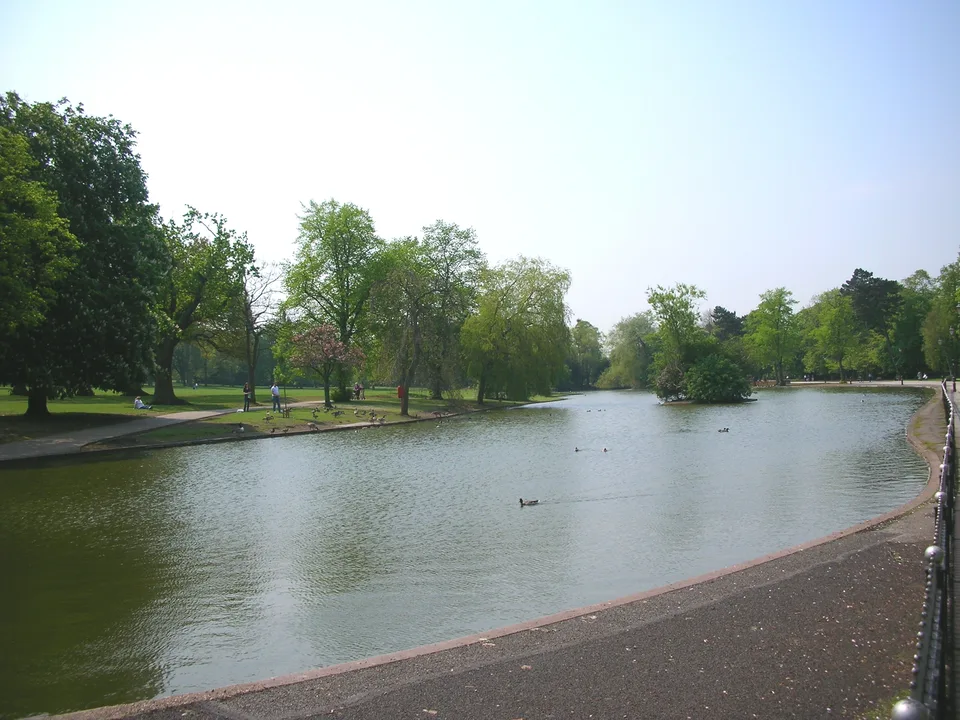
Cannon Hill Park offers a change from the streets and galleries, with lakeside paths, play areas and the Midlands Arts Centre and park activities to investigate. A park visit can be an afternoon in itself, particularly for families who need room to move between indoor attractions. Some activities are seasonal or separately charged; check the programme instead of assuming every facility operates every day.
The council publishes seasonal gate-closing times, with much earlier closing in winter. Plan the return route before setting off for an evening walk. For residential research, nearby green space is useful only if you can reach and use it at the times that suit your routine. Visit the neighbourhood shops and transport stops as well as the park. A pleasant sunny afternoon gives one perspective; an ordinary wet weekday gives another that matters when choosing a place to live.
Plan for changeable weather rather than a guaranteed dry season
Keep indoor and outdoor choices available throughout the year. Summer offers longer daylight for neighbourhood exploration and canal walks; winter brings shorter afternoons, earlier park closing and a stronger reason to group indoor stops together. Spring and autumn can work well for a mixed itinerary, provided you pack for changing conditions.
The Met Office’s climate information helps put seasonal expectations in context, while a current forecast is the relevant tool for your actual dates. A regional or nearby-station average is not a promise about the weather outside your accommodation. Pack a waterproof layer and comfortable shoes. If a concert or sporting event is central to the trip, book around that confirmed date and leave the sightseeing flexible.
A three-day introduction that avoids constant backtracking
Day one: arrive at the correct station, leave luggage and explore the civic centre. Visit the currently open museum galleries, then continue towards Centenary Square and the library if its hours fit. Finish with a short canal walk and dinner.
Day two: spend the morning in the Jewellery Quarter, with a booked museum tour if available. Leave time to look at the working district. Choose Digbeth for an afternoon or evening activity that you have checked in advance.
Day three: choose Thinktank or Cadbury World according to the group’s interests. Add a park visit only if the timing and location make sense. Alternatively, use the day to explore a neighbourhood you might live in. Move museum visits around Monday closures and holiday schedules rather than treating this order as fixed. Keep the final transfer uncomplicated if travelling onwards that evening.
Look for a home around a repeatable commute
For prospective residents, map the workplace before comparing rents. Central apartments, the Jewellery Quarter and suburban high streets offer different balances of space, activity and transport. The University of Birmingham’s neighbourhood introduction provides starting points such as Moseley, Harborne and Bournville, but a university perspective is not a substitute for testing your own route.
View a property, check heating and ventilation, inspect for damp and ask which bills are included. There is no verified current rent median in this guide, so compare actual offers for the property type and area you need. England’s rental rules changed on 1 May 2026: most assured private tenancies now operate periodically, rather than as fixed-term assured shortholds. Lodgings, social housing and student halls have different arrangements. Use current guidance and the council’s private-renting information before signing or paying, and establish the landlord’s authority and deposit arrangements.
Set up services before the first week becomes complicated
Arrange broadband, utility accounts and meter readings for the actual address, and register for Council Tax where liable. Students should check the applicable exemption or discount rather than assuming that any household containing a student pays nothing. University accommodation questions are best directed to the relevant institution’s current housing team and approved options.
The NHS explains how to register with a GP in England, including temporary registration for visitors. GP registration does not itself establish entitlement to free hospital treatment; consult the separate guidance on overseas visitors and NHS care and maintain appropriate cover. Families moving during the school year should follow Birmingham’s in-year admissions process and discuss documentation and availability. A nearby school is not a guaranteed place.
Keep a visit separate from immigration permission to move
Use the official UK visa checker for your nationality and purpose. Standard Visitors can usually stay for up to six months subject to their conditions. Eligible travellers may need an ETA, currently £20, while others need a visa; an ETA does not guarantee entry. Read the visitor rules rather than treating repeated short visits as a route to living in the UK.
Some incidental remote activity for an overseas job is permitted during a visit, provided remote work is not its primary purpose. That is different from general permission to work in the UK. A longer move may require a qualifying route such as Skilled Worker or Student, with sponsorship and other requirements. Settlement has separate eligibility rules. VisaWand’s consultant directory can help locate advisers; check their authorisation, relevant experience and fees before engaging them. A job offer, university place or rental agreement alone does not settle the immigration question.
Compare other West Midlands bases and nearby days out
Coventry offers a separate city visit, with its cathedral’s current visitor arrangements worth checking around services and events. Stratford-upon-Avon suits a more focused literary day, with the Shakespeare Birthplace Trust providing the relevant opening and booking information. Both require their own travel time; neither is simply another Birmingham neighbourhood.
Use VisaWand’s UK destination directory to compare other locations, remembering that a directory entry does not necessarily contain a completed guide. Birmingham can be a cultural weekend, a practical regional base or a home connected to a particular job or course. Explore the neighbourhoods between the attractions before deciding which version suits you.
Official planning resources
Reviewed 28 October 2026. Use the official resources linked throughout this guide for admission, transport, housing and immigration decisions. Prices, services and rules can change; confirm the details relevant to your dates. Photography illustrates the locations and is not a live view.
View all official resources
- Birmingham Museums: Made in Birmingham
- Visit Birmingham: the Jewellery Quarter
- Museum of the Jewellery Quarter: current guided visits
- Museum of the Jewellery Quarter: ticket prices
- National Transport Trust: Gas Street Basin
- Birmingham Museum & Art Gallery: current visitor information
- Council: Library of Birmingham hours and terraces
- Thinktank: visit Birmingham Science Museum
- Cadbury World: visitor centre FAQs
- Cadbury World: arrival and visit planning
- Visit Birmingham: Digbeth creative district
- University of Birmingham: campus directions
- Birmingham Airport: rail connection
- National Rail: Birmingham Airport connections
- National Express West Midlands: singles and day tickets
- West Midlands Metro: 2026 fares
- Transport for West Midlands: Swift Go
- Transport for West Midlands: Birmingham Clean Air Zone
- Visit Birmingham: history of Birmingham balti
- Council: Bull Ring Indoor Market
- Council: Cannon Hill Park activities
- Council: Cannon Hill Park closing times
- Met Office: location climate averages
- University of Birmingham: surrounding neighbourhoods
- Government: England tenant rights after May 2026
- Council: finding private rented accommodation
- Council: register for Council Tax
- University of Birmingham: international student accommodation
- NHS: GP registration in England
- NHS: visitors and hospital eligibility
- Council: in-year school admissions
- Government: check UK visa and ETA requirements
- Government: electronic travel authorisation
- Government: Standard Visitor permission
- Home Office: visitor activities including incidental remote work
- Government: Skilled Worker visa
- Government: Student visa
- Coventry Cathedral: visiting information
- Shakespeare Birthplace Trust: Stratford visit
Plan the next part of your journey
Explore the United Kingdom guide, browse other cities or compare consultants for your travel and relocation questions.